
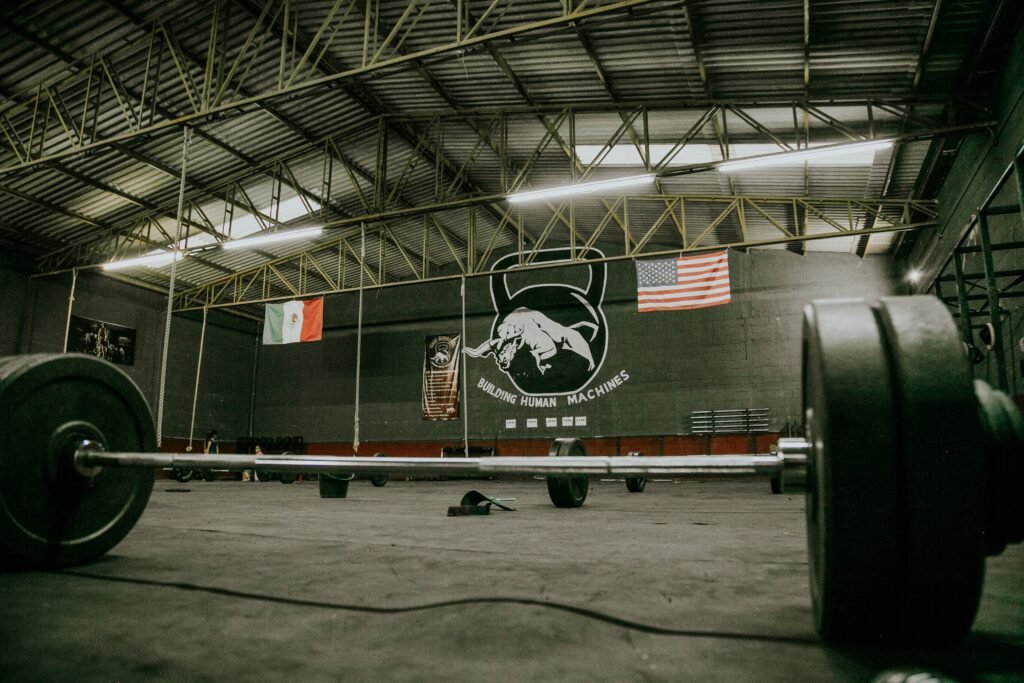
Fitness trends in the USA and Europe are evolving toward healthier, smarter, and more sustainable lifestyles. Wearable fitness technology is helping people track workouts, sleep, heart rate, and daily activity. At the same time, strength training and functional workouts are becoming popular for improving muscle strength, mobility, and long-term health. Another major trend is AI-powered fitness, which provides personalized workout recommendations based on individual goals and performance. Outdoor exercise, low-impact workouts, recovery, and community-based fitness are also gaining attention. Overall, modern fitness is moving beyond appearance and focusing on physical performance, mental well-being, recovery, consistency, and sustainable healthy habits.
Fitness is changing rapidly across the USA and Europe as people look beyond traditional gym workouts and focus more on sustainable health, mental well-being, recovery, and personalized training. In 2026, fitness trends are increasingly influenced by wearable technology, artificial intelligence, functional training, wellness communities, and flexible exercise routines. Although the USA and Europe have different fitness cultures, both regions are moving toward a broader definition of health that combines physical activity, nutrition, recovery, and lifestyle habits.
1. Wearable Technology and Fitness Tracking
Wearable technology remains one of the most influential fitness trends in both the USA and Europe. Smartwatches, fitness trackers, heart-rate monitors, and other connected devices allow users to monitor steps, calories, sleep, heart rate, workouts, and recovery.
In the USA, consumers increasingly use wearable data to create measurable fitness goals. European fitness enthusiasts are also adopting these devices, particularly among runners, cyclists, gym users, and people interested in preventive wellness.
The biggest change is that fitness tracking is no longer limited to counting steps. Modern devices provide information about sleep quality, training intensity, recovery, and overall activity patterns. This helps users make more informed decisions about when to exercise and when to rest.
2. AI-Powered Personalized Workouts
Artificial intelligence is becoming increasingly important in the fitness industry. AI-powered fitness platforms can analyze personal information and create workout recommendations based on fitness levels, goals, schedules, and previous performance.
This trend is particularly attractive to people who want personalized guidance without paying for a traditional personal trainer. AI can also adjust workout intensity as users improve.
In both the USA and Europe, personalized digital fitness programs are helping make exercise more accessible. Instead of following the same routine as everyone else, users can receive recommendations that better match their individual needs.
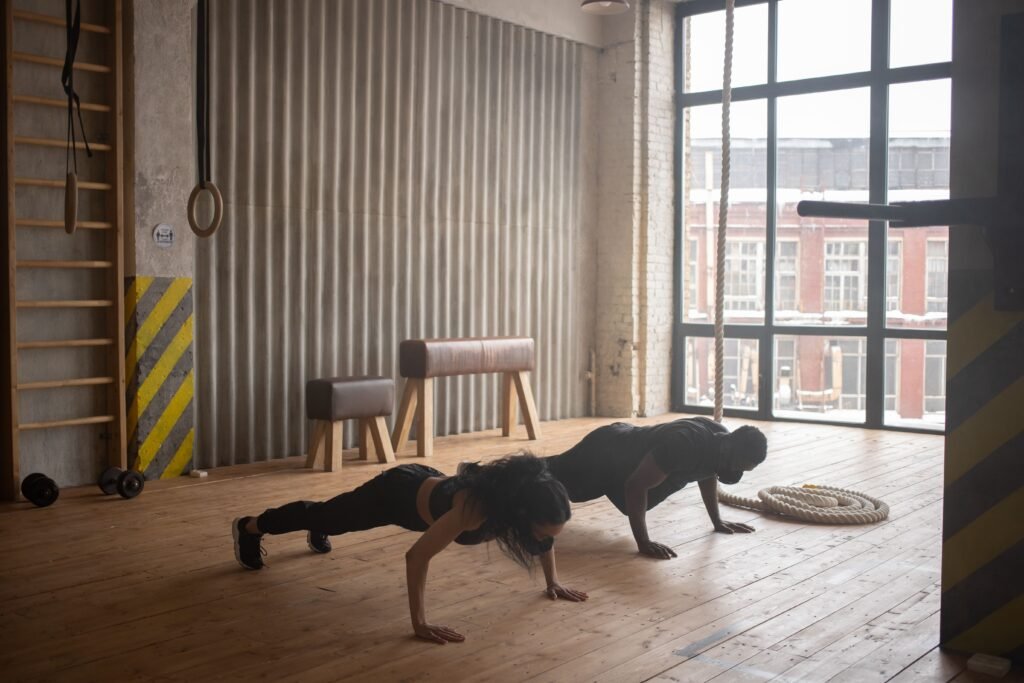
3. Strength Training for Long-Term Health
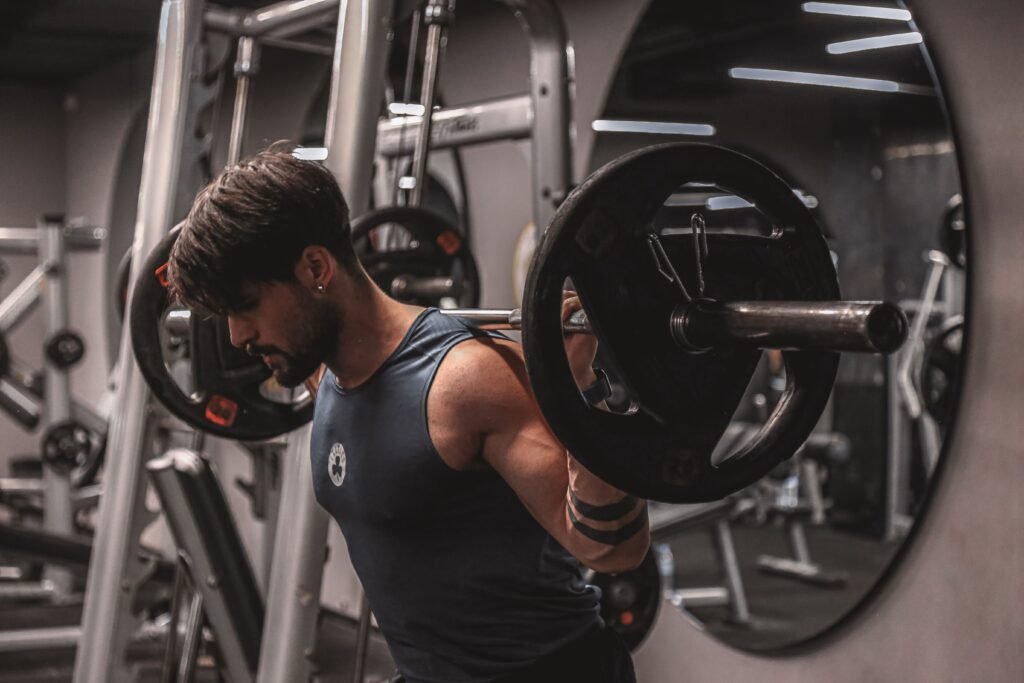
Strength training continues to move beyond bodybuilding and athletic performance. More people now recognize resistance exercise as an important part of healthy aging, mobility, and everyday physical function.
Gyms across the USA and Europe are seeing growing interest in weight training, resistance bands, bodyweight exercises, and functional strength workouts. Adults of different ages are incorporating strength training to support muscle development, bone health, balance, and physical independence.
The trend also reflects a broader shift from focusing only on appearance toward improving overall health and performance.
4. Functional Fitness and Everyday Movement
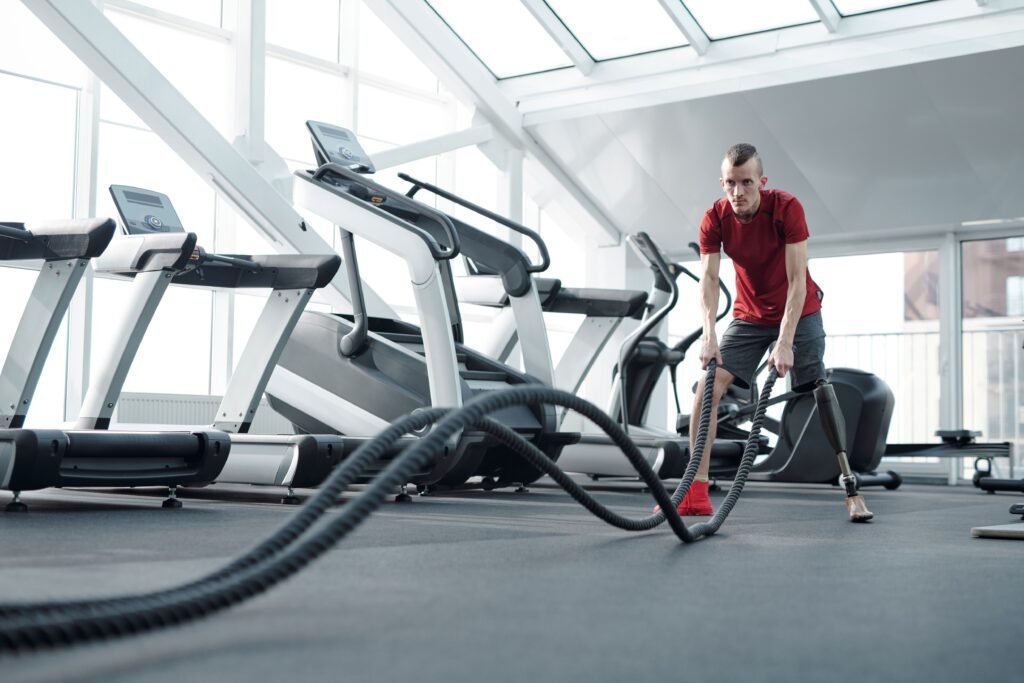
Functional fitness is another major trend influencing modern exercise routines. Instead of concentrating exclusively on isolated muscles, functional workouts often involve movements that resemble everyday activities.
Exercises such as squats, lunges, pushing, pulling, carrying, and rotational movements can help improve strength, coordination, stability, and mobility.
Functional training is popular because it can benefit beginners as well as experienced athletes. It can also be adapted for home workouts, gyms, outdoor spaces, and group classes.
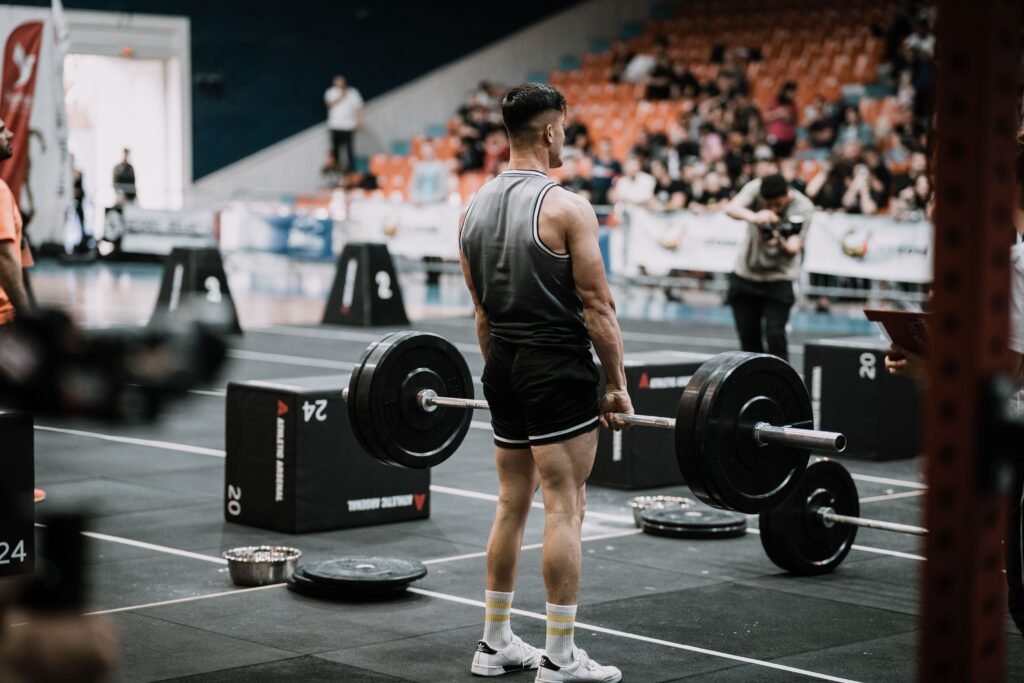
5. Recovery Is Becoming Part of the Workout
Fitness enthusiasts in the USA and Europe are increasingly recognizing that recovery is not wasted time. Rest, sleep, mobility work, stretching, and appropriate training breaks are becoming essential components of fitness programs.
Recovery-focused products and services, including massage tools, mobility equipment, stretching sessions, and recovery technologies, are gaining attention. However, simple habits such as getting enough sleep, staying hydrated, eating balanced meals, and allowing muscles to recover remain fundamental.
This shift represents an important change in fitness culture. Instead of constantly training harder, people are becoming more interested in training smarter.
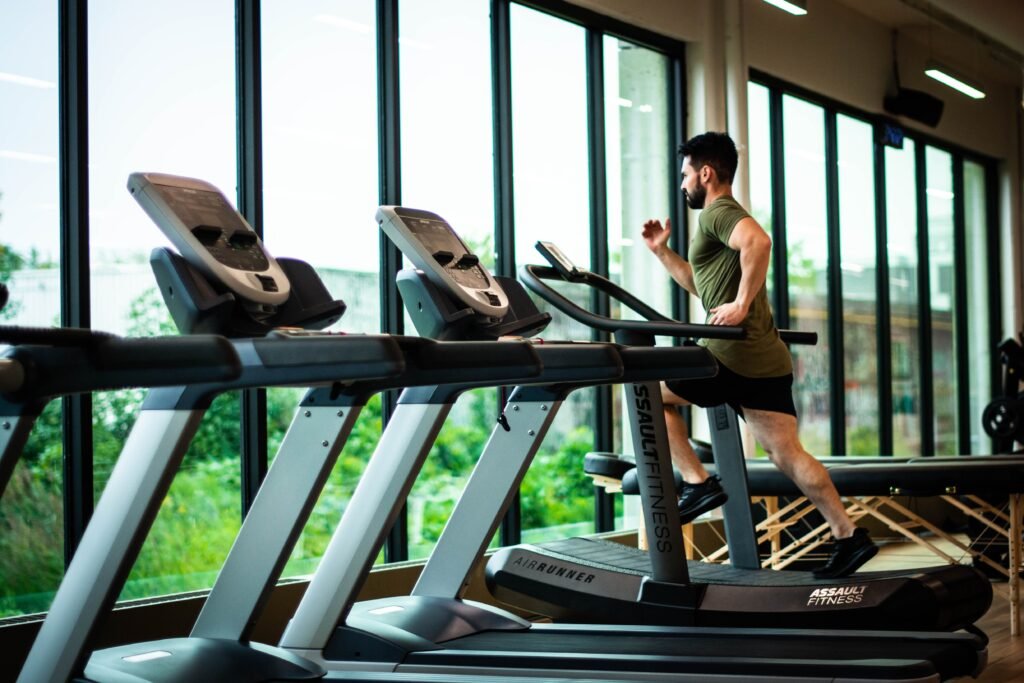
6. Low-Impact and Joint-Friendly Exercise
Low-impact exercise is becoming increasingly popular among people who want to remain active while reducing unnecessary stress on their joints. Walking, cycling, swimming, Pilates, yoga, and controlled strength workouts are common examples.
In Europe, walking and cycling already play an important role in many communities because they can be incorporated into daily transportation and recreation. In the USA, walking programs, Pilates, indoor cycling, and other accessible activities continue to attract people seeking sustainable exercise options.
Low-impact fitness is particularly appealing to beginners and people returning to exercise after periods of inactivity.
7. Fitness and Mental Well-Being
The connection between exercise and mental well-being has become a central part of modern fitness culture. People are increasingly exercising not only to lose weight or build muscle but also to manage stress, improve mood, support better sleep, and create healthier routines.
Yoga, meditation, outdoor activities, group workouts, and mindful movement are becoming increasingly integrated into wellness programs.
Fitness businesses are also changing their messaging. Rather than focusing exclusively on physical appearance, many brands now promote confidence, energy, stress management, social connection, and overall well-being.
8. Community-Based Fitness
Although digital fitness has grown significantly, people still value human connection. Group fitness classes, running clubs, cycling communities, recreational sports, and outdoor workout groups are helping people stay motivated.
Community-based fitness can make exercise more enjoyable because participants share goals and encourage one another. Social interaction can also make it easier for people to remain consistent.
Across the USA and Europe, fitness communities are developing both online and offline. Social platforms allow people to find workout partners, participate in challenges, share progress, and discover local activities.
9. Outdoor Fitness and Active Lifestyles
Outdoor fitness continues to attract people who want an alternative to traditional gyms. Running, hiking, cycling, outdoor strength training, walking, and recreational sports allow people to combine physical activity with time outside.
The popularity of outdoor exercise also reflects a desire for more flexible and enjoyable fitness experiences. A workout does not always require expensive equipment or a gym membership.
For many people, outdoor activity provides an opportunity to improve fitness while also taking a break from screens and indoor environments.
10. Flexible Fitness for Busy Lifestyles
Modern lifestyles often make it difficult to follow rigid workout schedules. As a result, short and flexible workouts are becoming increasingly popular.
People may complete a 20-minute home workout in the morning, take a walk during lunch, or perform a short strength session in the evening. The focus is shifting from having a perfect workout schedule to maintaining consistent physical activity.
This approach can make fitness more realistic for students, professionals, parents, and people with unpredictable schedules.
11. Personalized Nutrition and Healthy Eating
Fitness trends are also closely connected to nutrition. Consumers are becoming more interested in eating patterns that support energy, recovery, muscle development, and long-term health.
Protein-rich foods, balanced meals, whole foods, hydration, and practical meal preparation remain important areas of interest. Rather than following extreme diets, many people are looking for sustainable nutrition strategies that fit their lifestyle.
Personalized nutrition is also growing alongside wearable technology and fitness tracking, although individual nutritional needs can vary considerably.
12. The Future of Fitness in the USA and Europe
The future of fitness is likely to become increasingly personalized, flexible, technology-driven, and focused on overall wellness. Traditional gym workouts will continue to have an important role, but they will exist alongside home fitness, outdoor exercise, digital coaching, wearable technology, group communities, and recovery-focused programs.
The biggest lesson from current USA and Europe fitness trends is that successful fitness does not have to mean exercising harder every day. Instead, people are increasingly looking for balanced routines that combine movement, strength, recovery, nutrition, mental well-being, and consistency.
As technology continues to develop, fitness programs may become even more personalized. However, the fundamentals will remain important: move regularly, build strength, recover properly, eat well, and choose activities that can be maintained for the long term.
FAQs
1. What are the biggest fitness trends in the USA and Europe in 2026?
Major trends include wearable fitness technology, AI-powered workouts, strength training, functional fitness, recovery, low-impact exercise, outdoor activities, community-based fitness, and personalized wellness programs.
2. Is strength training becoming more popular in Europe?
Yes. Strength training is increasingly being used not only for muscle development but also for healthy aging, mobility, physical performance, and maintaining everyday strength.
3. How is AI changing the fitness industry?
AI can analyze user information and provide personalized workout recommendations, track progress, adjust training plans, and offer digital coaching. It is making customized fitness guidance more accessible.
4. Are low-impact workouts effective for fitness?
Yes. Activities such as walking, cycling, swimming, Pilates, and controlled strength training can improve cardiovascular fitness, strength, mobility, and overall physical activity while being relatively joint-friendly.
5. What is the most important fitness trend for long-term health?
There is no single best trend for everyone. Consistency is more important than following a specific trend. A balanced routine combining regular movement, strength training, recovery, healthy nutrition, and adequate sleep can support long-term fitness and well-being.