
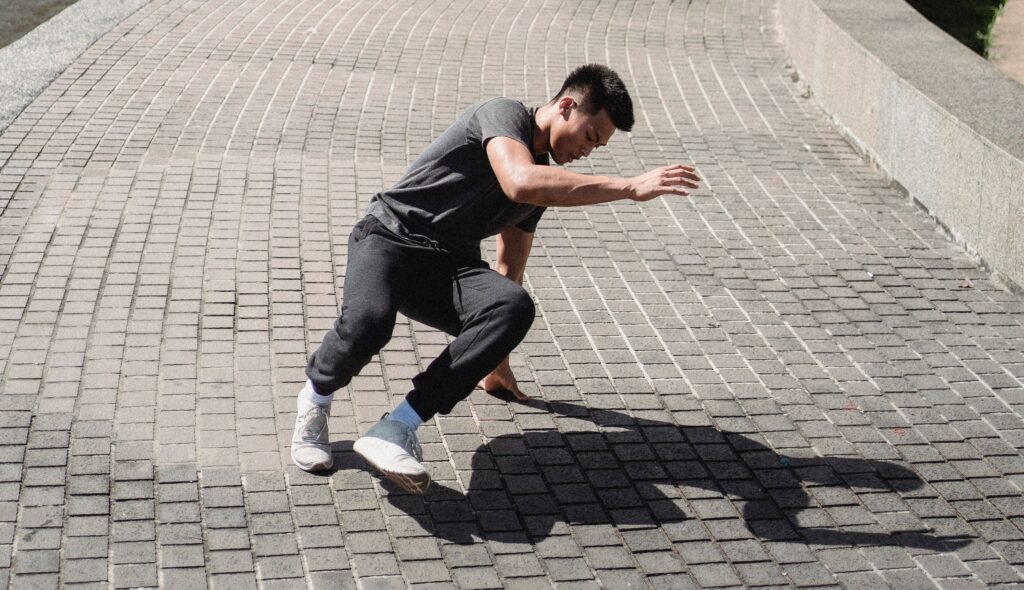
The landscape of modern health is rapidly evolving, driven by bio-harmonized training, AI fitness tracking, and exercise snacking. Instead of relying on exhausting, high-impact routines, people now focus on sustainable longevity. Wearable technology provides real-time recovery data to optimize strain, while brief movement breaks protect metabolic health throughout busy workdays. Together, these modern strategies redefine performance, making daily wellness accessible, personalized, and efficient for everyone.
The fitness industry is undergoing a massive transformation. Driven by advances in technology, biometrics, wearable tech, and a shift toward long-term wellness over short-term aesthetics, modern movement is smarter, more personalized, and deeply integrated into daily life.
Here is an in-depth breakdown of the new frontier of fitness, its core pillars, and how these innovative modalities are redefining human performance and longevity.
1. Bio-Harmonized & Longevity-Focused Training
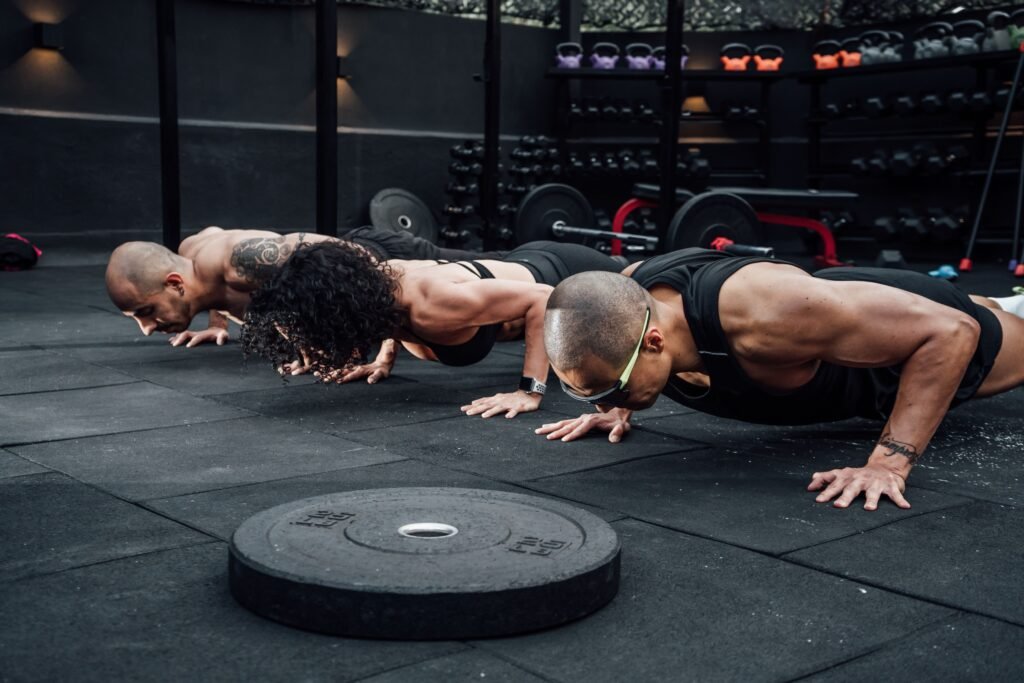
The era of burning out via extreme HIIT workouts or endlessly chasing maximal muscle hypertrophy at the expense of joint health is giving way to longevity fitness. The goal is no longer just looking fit today but maintaining peak physical capacity, mobility, and cognitive clarity into advanced age.
- Zone 2 Cardio Optimization: Low-intensity, steady-state cardiovascular training performed at a metabolic threshold where energy is primarily derived from fat oxidation. Keeping heart rates within Zone 2 builds mitochondrial density, improves metabolic flexibility, and builds a robust cardiovascular foundation without spiking cortisol.
- Functional Mobility & Joint Longevity: Workouts are increasingly incorporating loaded mobility, end-range strength training, and fascia-focused movement (such as Kinstretch or Movement Flow). These disciplines safeguard ligaments, retain full range of motion, and prevent injury.
- Somatic Movement: Mind-body integration practices that focus on the internal experience of movement rather than external appearance. Somatic exercises help regulate the central nervous system, downshift stress, and release physical tension stored from chronic postural strains.
2. Smart Home Gyms & AI-Driven Personalization
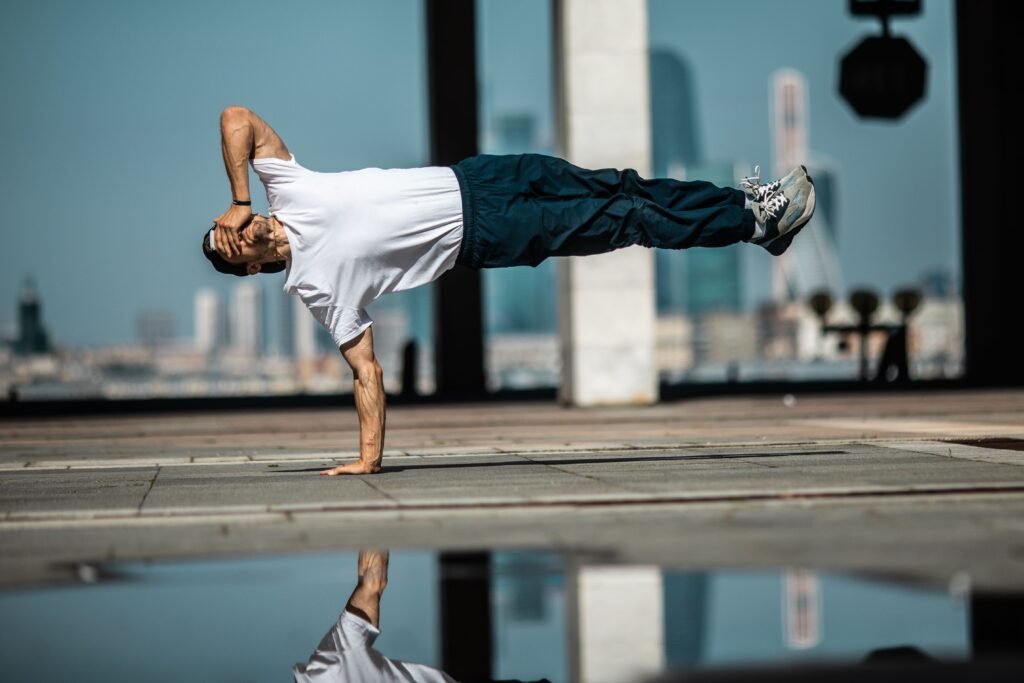
Artificial intelligence has shifted fitness from generic, static routines to real-time, adaptive training ecosystems. Personalized coaching is no longer reserved for elite athletes.
| Innovation | Core Technology | Key Fitness Benefit |
| Adaptive Resistance | Digital weights & electromagnetics | Dynamically alters load throughout a rep’s concentric and eccentric phases to maximize motor unit recruitment safely. |
| Real-Time Computer Vision | RGB sensors & camera tracking | Analyzes posture, joint angles, and tempo live, offering immediate biomechanical cues to prevent form breakdown. |
| Predictive Recovery Algorithms | Continuous biometric data streams | Adjusts daily workout volume and intensity dynamically based on sleep, HRV (heart rate variability), and resting heart rate. |
3. Micro-Workouts & Exercise Snacking

For busy professionals, finding a continuous 60-minute block for exercise can be a barrier. “Exercise snacking” splits daily activity into bite-sized, high-yield movement sessions dispersed across the day.
- Metabolic Micro-Snacks: 1 to 2 minutes of vigorous effort—such as brisk stair climbing, kettlebell swings, or jump rope intervals—done every few hours. Studies show these brief bursts significantly improve insulin sensitivity, cardiorespiratory fitness, and energy levels.
- Postprandial Movement Breaks: A brief 5-to-10-minute walk or gentle bodyweight mobility circuit immediately following meals helps clear blood glucose, reducing post-meal blood sugar spikes and afternoon fatigue.
- Desk-Bound Movement Routines: Dynamic stretches, hip openers, and isometric holds performed right at your workstation keep the lymphatic system moving and counteract the negative health impacts of prolonged sitting.
4. Hybrid Fitness & Digital Community Ecosystems
The modern approach to fitness is fluid, combining physical gym spaces, outdoor pursuits, and virtual training environments.
- Phygital Gym Models: Modern fitness centers now offer hybrid memberships that allow members to blend in-person studio classes with synced home sessions using a single integrated profile.
- Gamified Workouts: VR (Virtual Reality) fitness and AR (Augmented Reality) platforms transform cardio routines into immersive games, making high-intensity exertion feel engaging rather than exhausting.
- Data-Connected Social Networks: Community-driven performance tracking creates accountability through friendly competition, group challenges, and shared biometric milestones regardless of geographic location.
5. Cold, Heat, & Recovery-Integrated Fitness
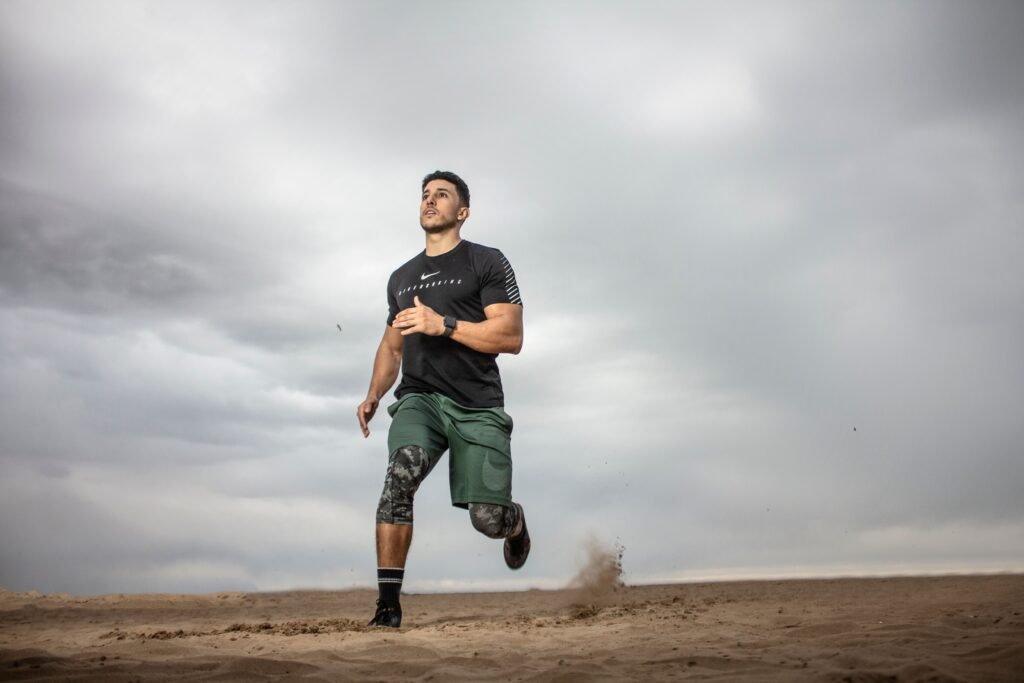
Recovery is no longer considered a passive day off; it is an active phase of training. Environmental stressors and specialized recovery modalities are directly paired with physical exercise to accelerate adaptation.
- Contrast Therapy Protocols: Pairing sauna sessions (hyperthermic conditioning) with cold plunges (cryotherapy) promotes vascular flushing, reduces systemic inflammation, and stimulates growth hormone release.
- Pneumatic Compression & Percussive Therapy: Automated recovery boots and targeted massage guns boost localized blood circulation, aiding the removal of metabolic waste from muscle tissue post-workout.
- Infrared Light & Photobiomodulation: Red light therapy devices targeted at active muscle groups help enhance mitochondrial ATP production, speeding up tissue repair and decreasing delayed onset muscle soreness (DOMS).
Frequently Asked Questions (FAQs)
Q1: What is Zone 2 training, and why is it becoming so popular?
Zone 2 training refers to steady-state exercise performed at an intensity where you can comfortably hold a conversation (roughly 60–70% of your maximum heart rate). It has surged in popularity because it builds mitochondrial health, enhances fat loss, and improves endurance without stressing the nervous system or requiring long recovery times.
Q2: Is “exercise snacking” as effective as a traditional 45-minute workout?
While longer workouts are still necessary for building maximal muscular strength or specific endurance capacity, exercise snacking is highly effective for maintaining cardiorespiratory health, improving metabolic markers, and breaking up sedentary behavior. It is an ideal baseline strategy for busy schedules.
Q3: How does AI improve my personal fitness routine?
AI optimizes your training by analyzing biometric data (like HRV and sleep patterns) alongside your workout history. It automatically adjusts workout weights, repetitions, and intensity to ensure you are continually progressing without overtraining or risking injury.
Q4: Can home smart gyms fully replace traditional fitness centers?
For many people, yes. Smart home equipment offers adaptive resistance, automated tracking, and guided instruction in a compact footprint. However, commercial gyms still hold an advantage for heavy powerlifting, specialized equipment variety, and face-to-face social community.
Q5: How should recovery techniques like cold therapy be timed around workouts?
Timing depends on your goals. If your primary goal is building muscle size (hypertrophy), avoid ice baths or cold plunges for at least 4 hours post-workout, as extreme cold can blunt the natural inflammatory signals that trigger muscle growth. For pure recovery between close events or stress relief, cold therapy can be used immediately after training.