

Fitness is the foundation of a healthier, stronger, and more energetic life. Regular physical activity improves cardiovascular health, builds muscle strength, increases flexibility, and enhances mental well-being. Whether you choose gym workouts, home exercises, walking, or sports, staying active helps reduce the risk of chronic diseases while boosting confidence and productivity. Combining regular exercise with a balanced diet, proper hydration, and quality sleep creates lasting results. By making fitness a daily habit, you can improve your overall quality of life and achieve your health goals one step at a time.
Fitness is more than just exercising or achieving a certain body shape. It is a long-term commitment to improving your physical health, mental well-being, and overall quality of life. Whether your goal is to lose weight, build muscle, improve endurance, or simply feel healthier, adopting a consistent fitness routine can transform your daily life. The good news is that you do not need expensive equipment or hours in the gym to become fit. Small, consistent habits often produce the greatest results over time.
What Is Fitness?
Fitness refers to your body’s ability to perform daily activities efficiently while maintaining enough energy for recreation and unexpected physical challenges. It includes several key components, such as cardiovascular endurance, muscular strength, flexibility, balance, and body composition. A well-rounded fitness plan focuses on improving all of these areas rather than concentrating on only one.
Being physically fit also supports mental health by reducing stress, improving mood, and increasing confidence. Regular movement releases endorphins, which help create feelings of happiness and relaxation.
Benefits of Regular Fitness
Maintaining a fitness routine offers numerous health benefits that extend far beyond appearance.
Improves Heart Health
Regular exercise strengthens the heart and improves blood circulation. Activities such as walking, cycling, swimming, and jogging help lower blood pressure and reduce the risk of heart disease.
Supports Weight Management
Fitness helps burn calories while increasing muscle mass. Since muscle burns more calories than fat, regular strength training combined with healthy eating can help maintain a healthy weight.
Builds Strong Muscles and Bones
Resistance exercises improve muscle strength while weight-bearing activities help maintain bone density. This becomes increasingly important as people age because it reduces the risk of osteoporosis and injuries.
Boosts Mental Well-Being
Exercise is a natural stress reliever. It reduces anxiety, improves sleep quality, enhances concentration, and helps manage symptoms of depression.
Increases Daily Energy
Although exercise requires effort, it actually improves energy levels over time by strengthening the cardiovascular system and improving oxygen delivery throughout the body.

Essential Components of a Fitness Routine
A balanced fitness plan should include different types of physical activity.
Cardiovascular Exercise
Cardio exercises improve heart and lung health while increasing stamina. Examples include brisk walking, running, cycling, rowing, swimming, and dancing. Aim for at least 150 minutes of moderate-intensity cardio each week.
Strength Training
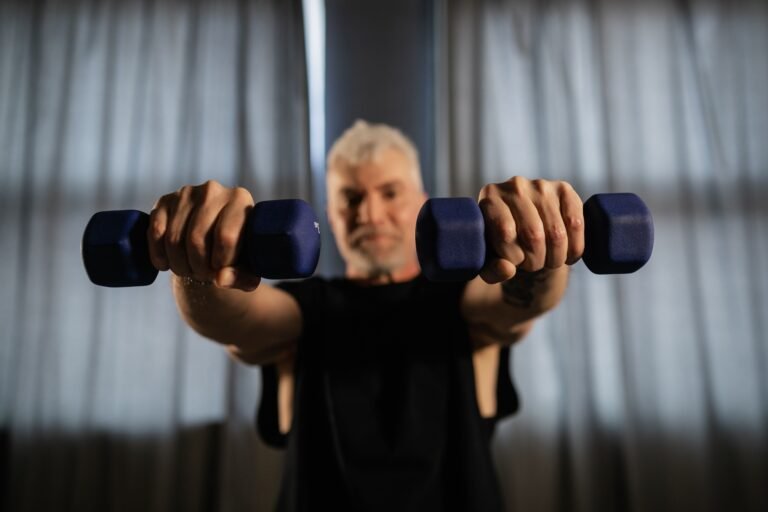
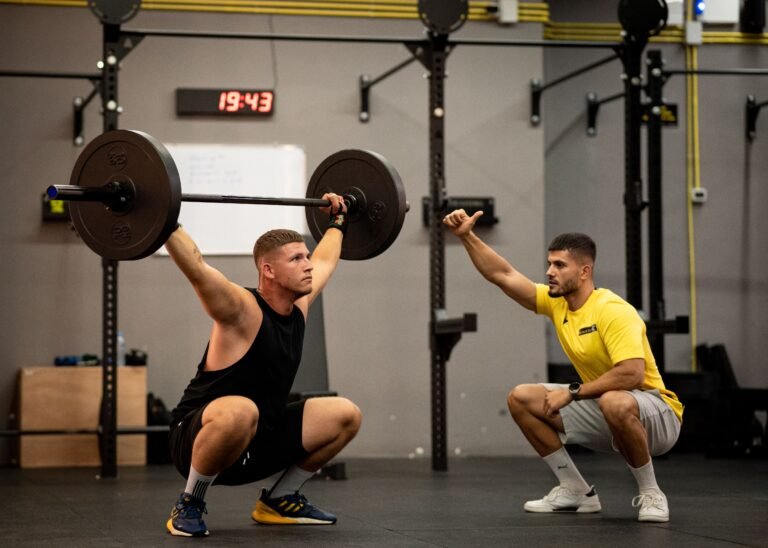
Strength training builds muscle, increases metabolism, and improves functional movement. Bodyweight exercises like push-ups, squats, lunges, and planks are excellent for beginners, while resistance bands and free weights add extra challenge.
Flexibility and Mobility
Stretching improves flexibility and reduces muscle stiffness. Activities such as yoga and Pilates also improve posture, balance, and joint mobility.
Rest and Recovery
Recovery is a vital part of fitness. Muscles repair and grow stronger during rest periods. Getting 7–9 hours of quality sleep and scheduling rest days helps prevent overtraining and injuries.
Nutrition and Hydration
Exercise alone is not enough to achieve optimal fitness. Proper nutrition provides the fuel your body needs for performance and recovery.
Choose lean proteins, whole grains, fruits, vegetables, healthy fats, and plenty of water. Avoid excessive processed foods and sugary drinks. Eating balanced meals before and after workouts supports muscle recovery and maintains energy levels throughout the day.
Hydration is equally important. Drinking enough water before, during, and after exercise helps regulate body temperature and maintain peak performance.
Tips for Staying Consistent
Consistency is the foundation of long-term fitness success.
Set realistic goals that match your current fitness level. Start with manageable workouts and gradually increase intensity as your strength and endurance improve. Keep track of your progress through a journal or fitness app to stay motivated.
Finding activities you genuinely enjoy makes it easier to stay committed. Whether it’s walking, cycling, swimming, dancing, or strength training, enjoyable exercise is more likely to become a lasting habit.
Working out with a friend or joining a fitness community can also provide encouragement and accountability.

Common Fitness Mistakes to Avoid
Many beginners make mistakes that slow progress or increase the risk of injury.
Skipping warm-ups and cool-downs can lead to muscle strains. Overtraining without proper recovery often causes fatigue and decreases performance. Following extreme diets or expecting immediate results can also reduce motivation.
Instead, focus on gradual progress, balanced nutrition, and consistent effort. Sustainable habits produce lasting results.
Fitness is a lifelong journey that improves both physical and mental health. By combining regular exercise, proper nutrition, adequate hydration, and quality rest, you can build strength, increase energy, and reduce the risk of chronic diseases. Remember that progress takes time, and every healthy choice contributes to a stronger future. Stay consistent, celebrate small achievements, and make fitness a natural part of your everyday lifestyle.
Frequently Asked Questions
1. How often should I exercise each week?
Aim for at least 150 minutes of moderate aerobic exercise and two strength-training sessions each week.
2. Can beginners start fitness without going to a gym?
Yes. Walking, bodyweight exercises, stretching, and home workouts are excellent ways to begin.
3. Is strength training necessary for everyone?
Yes. Strength training supports muscle health, bone density, metabolism, and overall functional fitness.
4. What should I eat before a workout?
A light meal containing carbohydrates and protein about one to two hours before exercising provides energy and supports performance.
5. How long does it take to see fitness results?
Most people notice improvements in energy and endurance within a few weeks, while visible physical changes often appear after six to eight weeks of consistent effort.