
The European Secret to Effortless Physical Fitness
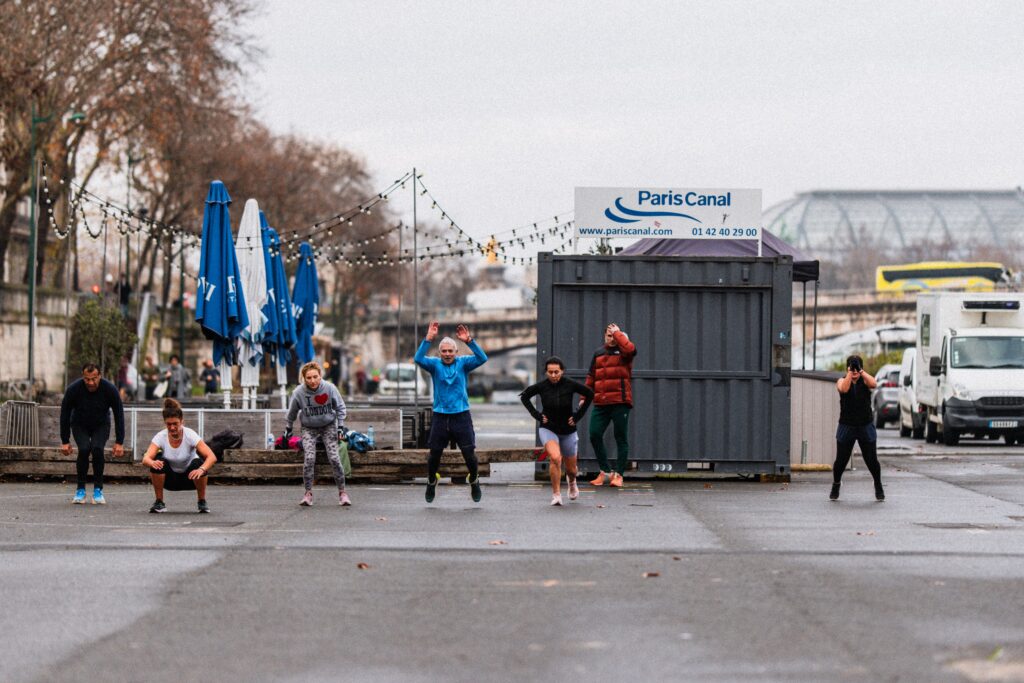
Europeans stay fit by integrating physical activity into their daily lives rather than relying on indoor workouts. This approach centers on non-exercise activity thermogenesis (NEAT)—energy burned during routine daily actions. High-density, walkable urban design makes active commuting, such as utility cycling and walking to public transit, the default choice for millions.
Cultural customs like post-meal strolls (la passeggiata), taking stairs, and weekend outdoor leisure further boost calorie burn. Paired with portion-controlled, whole-food diets, these low-impact habits maintain long-term physical health, lean conditioning, and joint mobility naturally.
Across much of Europe, physical fitness is not treated as a discrete task to check off at a fitness center. Instead of relying on 60-minute high-intensity interval sessions or weight room memberships, millions of Europeans maintain lean compositions, strong cardiovascular health, and long lifespans through habit-based, functional movement integrated directly into daily life.
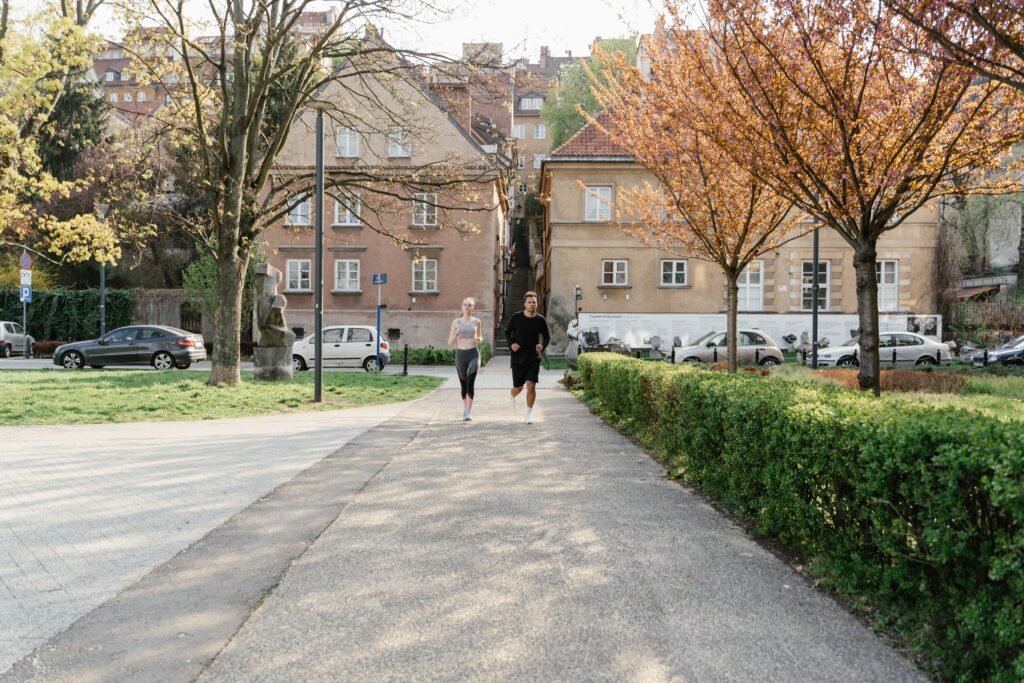
This approach centers on Non-Exercise Activity Thermogenesis (NEAT)—the energy expended for everything that is not sleeping, eating, or sports-like exercise. By pairing active urban design with cultural traditions centered around outdoorsmanship, whole-food nutrition, and purposeful daily walking, European lifestyle habits cultivate effortless long-term health.
1. Active Commuting and Walkable Infrastructure
The cornerstone of gym-free fitness in Europe is how people move between home, work, and social engagements. European cities are built around high-density, pedestrian-centric planning rather than car-oriented sprawl.
- Daily Foot Travel: In cities like Paris, Barcelona, and Prague, walking is the default mode of transportation. Navigating cobblestone streets, inclines, and historic city centers yields an average daily step count between 8,000 and 12,000 steps without needing dedicated workout time.
- Utility Cycling: In countries like the Netherlands and Denmark, cycling is not viewed as a sport but as utility transit. In Copenhagen, over 60% of residents commute to work or school by bicycle year-round. Riding an upright city bike builds low-impact cardiovascular endurance and lower-body muscular stamina during routine daily travel.
- Public Transit Integration: European public transit systems require commuting individuals to walk to metro stations, climb multi-flight staircases, and stand during transit, compounding low-level physical exertion throughout the day.
2. Cultural Traditions of Daily Micro-Movement
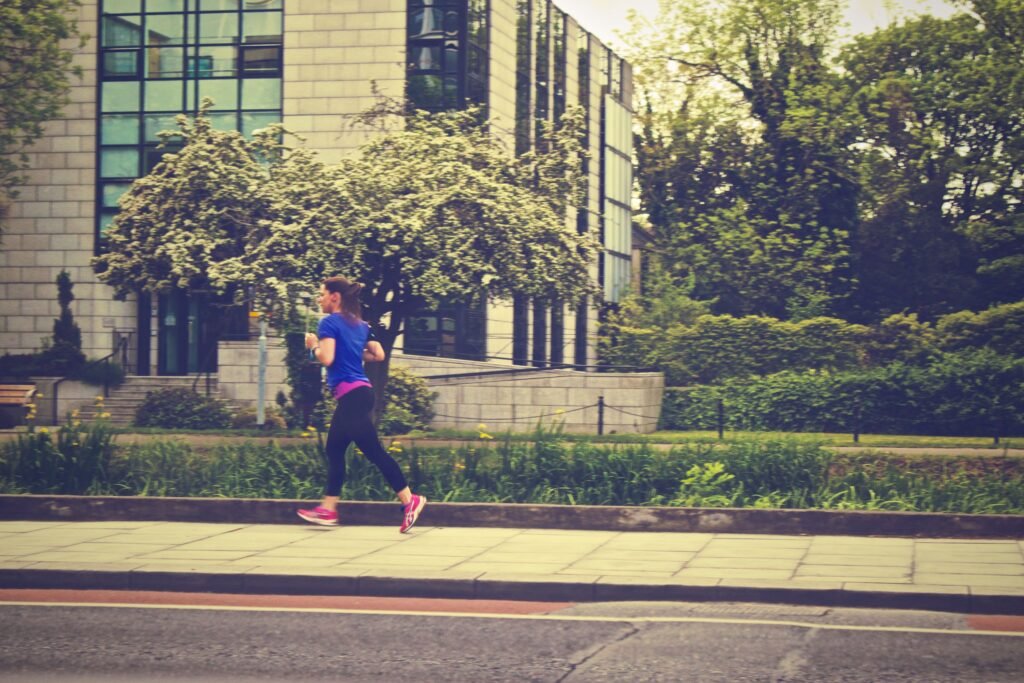
European cultures actively encourage physical activity as a social and restorative practice rather than a chore.
La Passeggiata and Post-Meal Walking
In Italy, the tradition of la passeggiata involves taking a leisurely evening stroll through the town square before or after dinner. Similar customs exist across the Mediterranean—such as Spain’s paseo. Walking at a relaxed pace after meals offers proven metabolic benefits, reducing postprandial glucose spikes, aiding digestion, and contributing 20 to 30 minutes of steady-state movement to the day.
Structural Obstacles as Training Tools
Many European homes and historic buildings lack elevators or feature steep staircases. Walking up three to five flights of stairs multiple times a day serves as built-in resistance training for the calves, quadriceps, and glutes while periodically elevating heart rate.
3. The Philosophy of Outdoor Recreation (Friluftsliv)
Nordic countries champion the concept of Friluftsliv (literally “free-air life”), a philosophy that prioritizes spending time in nature regardless of weather conditions. This mindset is shared across Central, Western, and Alpine Europe.
- Weekend Hiking and Alpine Trekking: In Switzerland, Austria, and Germany, weekend leisure heavily revolves around trail walking, mountain hiking, and forest walks (Waldeinsamkeit). These activities build joint stability, balance, and core strength over uneven terrain.
- Open-Water Swimming and Cold Exposure: Coastal and lake regions in Scandinavia, Ireland, and the UK feature active year-round open-water swimming communities, providing powerful metabolic activation and lymphatic stimulation.
- Seasonal Outdoor Sports: Rather than shifting inside during winter, Europeans adapt by cross-country skiing, snowshoeing, or ice skating, turning seasonal changes into opportunities for varied physical endurance work.
4. Dietary Habits and Mindful Consumption
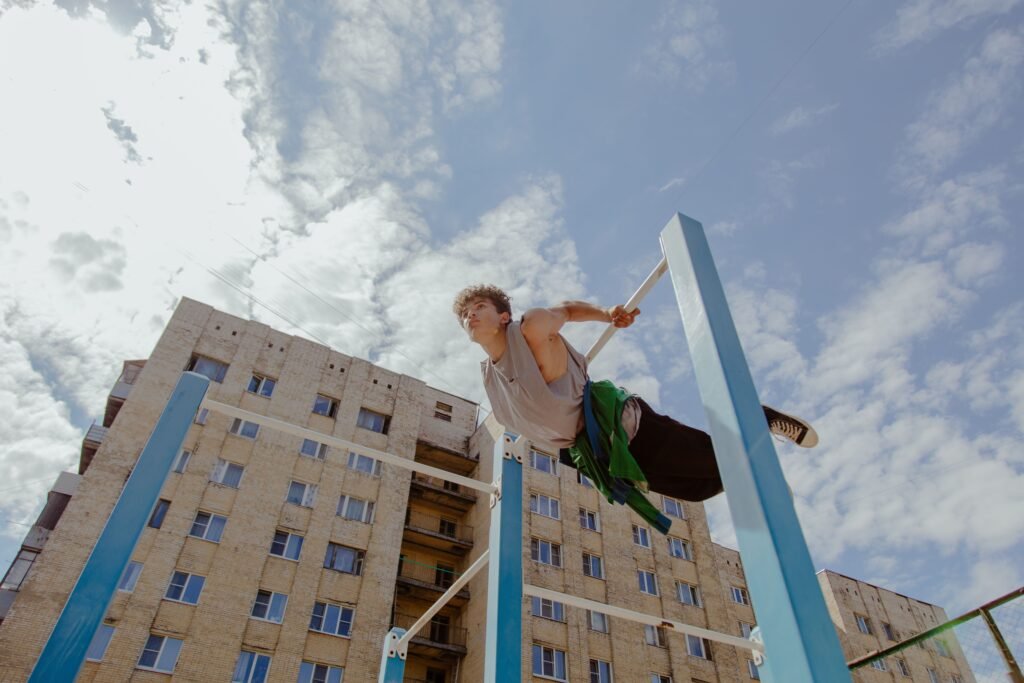
Movement is only one side of the equation; European physical conditioning is equally supported by regional eating patterns that minimize metabolic dysfunction.
| European Dietary Habit | Health & Fitness Impact |
| Whole, Unprocessed Foods | Strong emphasis on local markets, seasonal produce, and minimal preservatives reduces systemic inflammation and calorie density. |
| Controlled Portion Sizes | Meals focus on quality over sheer volume, naturally aligning calorie intake with daily energy expenditure. |
| Sustained Dining (Mindful Eating) | Meals are consumed slowly over conversation, allowing full satiety signals to register and preventing overeating. |
| Water and Unsweetened Beverages | Sugar-sweetened sodas and artificial energy drinks are consumed far less frequently compared to Western standards. |
5. Community-Based and Recreational Sports
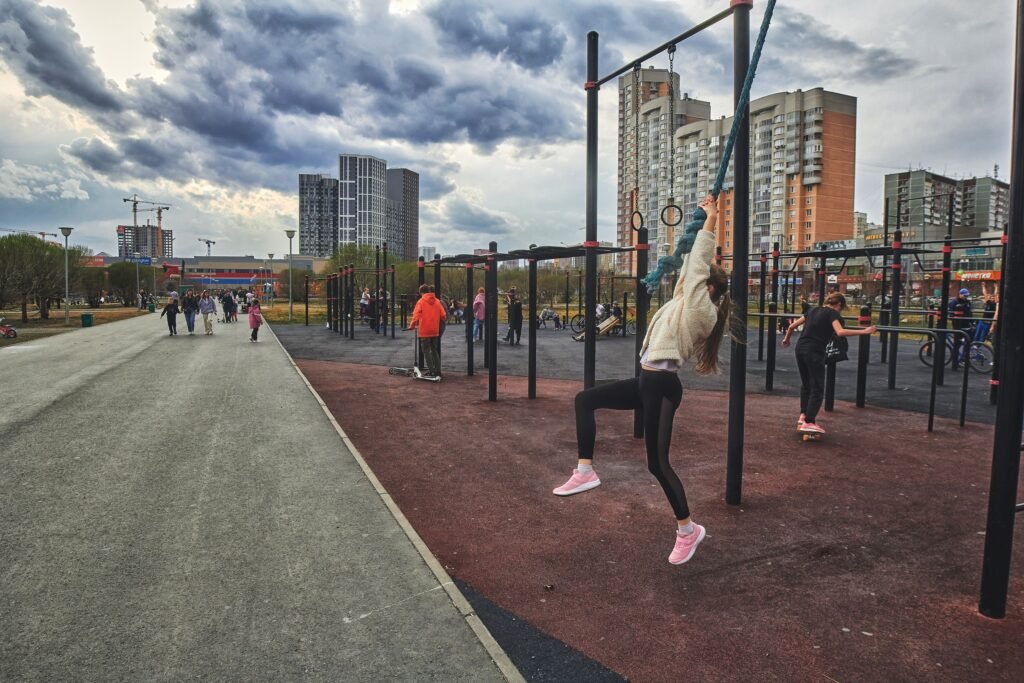
When Europeans do participate in structured movement, it often takes the form of social, community-anchored recreational activities rather than solo indoor weightlifting.
- Amateur Football (Soccer): Local street courts, park pitches, and amateur club leagues keep adults playing high-intensity sport well into middle age.
- Racket Sports: Padel, tennis, and badminton are widely popular recreational sports across Southern and Western Europe, offering agility, reaction speed, and rotational power training.
- Local Sports Clubs (Vereine): In countries like Germany, community sports clubs provide low-cost access to rowing, gymnastics, athletics, and cycling groups, making fitness a shared social event.
European Lifestyle Movement vs. Traditional Gym Routines
| Feature | European Lifestyle Fitness | Standard Gym-Centric Routine |
| Primary Mechanism | High NEAT, active transport, outdoor play | High-intensity structured exercise (HIIT, weights) |
| Time Investment | Integrated seamlessly into routine | Dedicated 1–2 hour time blocks |
| Sustainability | Very high (habits sustained for life) | Moderate to low (susceptible to burnout) |
| Primary Stress Impact | Cortisol-lowering, restorative | Can temporarily elevate cortisol/stress |
Frequently Asked Questions
1. Can you build muscle tone without lifting weights at a gym?
Yes. Bodyweight calisthenics, uphill walking, carrying heavy grocery bags, climbing stairs, and active sports engage major muscle groups continuously. While this approach favors lean, functional muscle development over extreme hypertrophy, it effectively maintains muscle mass and functional joint health.
2. How many steps do Europeans typically average per day?
Most urban Europeans naturally average between 8,000 and 12,000 steps daily. This is achieved through active commuting, running daily errands on foot, and walking during social gatherings, rather than deliberate indoor treadmill sessions.
3. How do Europeans stay active during severe winter weather?
Rather than moving indoors, Europeans rely on the principle of “there is no bad weather, only bad clothing.” High-quality layering and waterproof outerwear allow people to continue walking, cycling, cross-country skiing, and hiking year-round.
4. What is NEAT, and why is it more effective than a 1-hour gym session?
NEAT stands for Non-Exercise Activity Thermogenesis. Burning calories through 8 to 10 hours of intermittent low-level movement (walking, standing, taking stairs) often burns more total energy than remaining sedentary all day and doing a single 45-minute gym session.
5. How can I adapt the European fitness lifestyle if I live in a car-dependent area?
You can incorporate European-style movement by parking further away from entrances, taking post-meal 15-minute walks, taking stairs whenever available, replacing short car trips with walk or bike rides, and scheduling weekend outdoor activities in nature instead of indoor leisure.
