
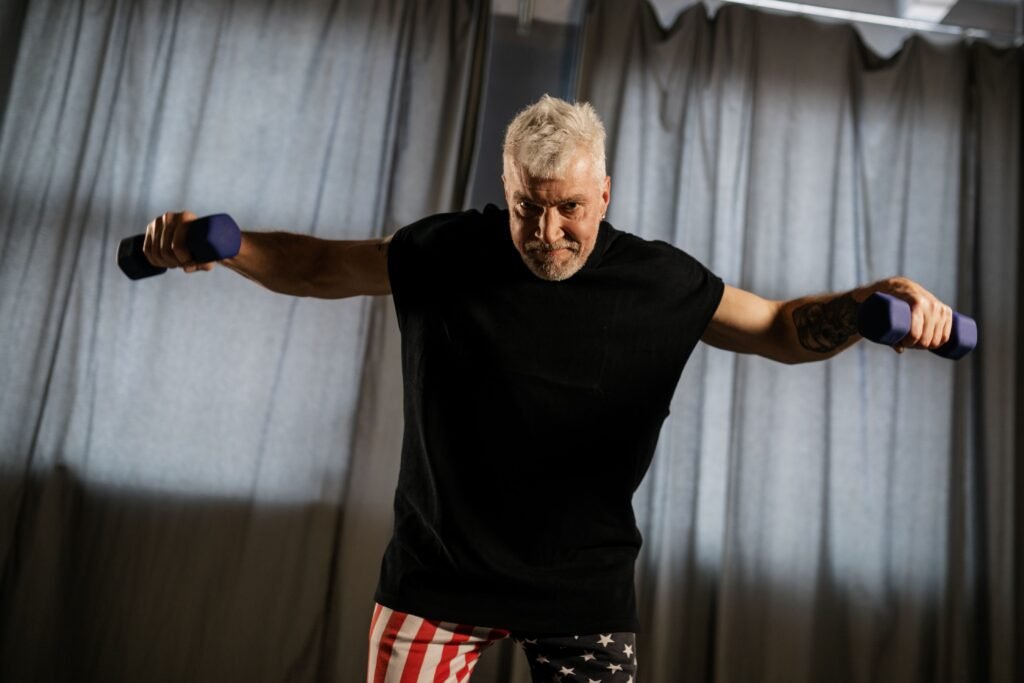
Strength and longevity are closely connected, especially as people get older and naturally lose muscle and physical capacity. Strength training for longevity has become an important part of modern fitness because it helps preserve muscle, bone health, balance, and everyday function. The goal is not simply to lift heavier weights or build a larger physique. It is about maintaining the physical ability to walk, climb stairs, carry objects, and remain independent for as long as possible. The link between muscle strength and healthy aging is also attracting attention in sports science and general fitness. Regular resistance exercise can help people maintain strength throughout adulthood and support a more active life later on.
What Strength and Longevity Really Mean
Strength is the ability of the muscles to produce force. It can be developed through resistance training using free weights, machines, resistance bands, or bodyweight exercises. Longevity, meanwhile, refers to living a long life while maintaining good physical function and quality of life.
These two ideas overlap because physical decline often affects independence. Muscle mass and strength tend to decrease with age, particularly when people become less active. This can make ordinary tasks harder and increase the risk of falls and mobility problems.
Building strength earlier in life creates a useful physical reserve. Maintaining it over the years can help people remain active instead of becoming increasingly limited by age.
Why Strength Training Matters for Longevity
Strength training places controlled stress on muscles, bones, and connective tissues. The body responds by adapting to that demand. Over time, muscles can become stronger and better able to handle everyday physical tasks.
The benefits extend beyond muscle size. Resistance exercise can support bone strength and physical function. It can also improve balance and movement capacity when combined with appropriate exercises.
For older adults, maintaining strength can be especially important. The ability to rise from a chair, carry groceries, use stairs, or recover from an awkward step depends partly on muscular capacity. These simple abilities can have a major influence on independence.
This is why strength and longevity are increasingly discussed together rather than as separate fitness goals.
The History of Strength Training
Strength training is not a new concept. Ancient civilizations used forms of resistance exercise for physical preparation. Greek athletes, for example, trained for competition using various forms of physical conditioning.
Modern strength training developed considerably during the nineteenth and twentieth centuries. Barbells, dumbbells, weight machines, and organized resistance programs became more widely available. Competitive weightlifting and bodybuilding also helped popularize structured strength exercise.
During the later twentieth century, researchers increasingly studied resistance training beyond competitive sport. Its role in maintaining physical function became an important area of exercise science.
Today, strength training is no longer viewed only as an activity for athletes or bodybuilders. It is widely used as part of general fitness and healthy aging programs.

How Strength Training Has Evolved
Early strength programs often focused heavily on lifting performance, muscular size, or athletic achievement. Modern approaches are broader. They consider movement quality, physical function, injury prevention, and long-term consistency.
Training can now be adapted to different ages and abilities. Some people use traditional gym equipment, while others train with resistance bands or bodyweight movements. The basic principle remains the same: muscles need an appropriate level of resistance to stimulate adaptation.
Exercise science has also changed how researchers understand aging. Muscle loss is not simply accepted as an unavoidable process that must lead to severe weakness. Regular physical activity can help maintain muscle and strength as people age.
That does not mean exercise can stop aging. It means physical capacity can be influenced by lifestyle and training.
Strength, Muscle, and Healthy Aging
The relationship between muscle strength and healthy aging is particularly important because strength can decline even when changes in body size are less obvious. Two people may have similar muscle mass but very different levels of functional strength.
This distinction matters in later life. Strong muscles help people produce force quickly when needed. That can be useful during activities such as climbing stairs or responding to a loss of balance.
Muscle also plays an important role in movement and physical activity. When strength falls significantly, people may become less active. Lower activity can then contribute to further physical decline.
Maintaining resistance exercise as part of a long-term lifestyle can help interrupt that cycle. The objective is not necessarily exceptional strength. For most people, the more meaningful goal is preserving enough capacity to stay active and independent.
Strength Training Across Different Ages
There is no single age at which strength training becomes important. The focus simply changes throughout life.
Younger adults may concentrate on developing a strong physical foundation. Athletes often use resistance training to improve performance, power, and durability. Middle-aged adults may place greater emphasis on maintaining muscle, managing physical demands, and staying active.
For older adults, functional strength becomes increasingly valuable. Training can focus on movements that support daily activities while also addressing balance and mobility.
The most important factor is consistency. Strength developed through years of training is useful, but maintaining an appropriate routine over time is equally important.
What Readers Should Know About Strength and Longevity
Strength training should not be confused with competitive weightlifting. A person does not need to compete, lift extremely heavy weights, or train like a professional athlete to benefit from resistance exercise.
The same principle applies to longevity. Living longer is not simply about adding years to life. Physical independence and the ability to participate in everyday activities are also important measures of healthy aging.
Strength is only one part of the picture. Cardiovascular fitness, mobility, sleep, nutrition, recovery, and overall activity also influence long-term health. However, strength has a unique role because it directly supports many of the physical tasks people need throughout life.
The broader message is straightforward. Aging is unavoidable, but losing physical capacity faster than necessary is not inevitable. Regular resistance exercise can help preserve strength and function across the lifespan.
A strong body does not guarantee a longer life, but maintaining physical capacity can make the years ahead more active and independent. That is the real connection between strength and longevity: strength is not only about performance in the gym. It is about retaining the ability to move, work, participate, and enjoy everyday life as the years pass.
Frequently Asked Questions
Is strength training good for longevity?
Yes. Regular resistance training can help maintain muscle strength, physical function, and bone health as people age. These benefits can support mobility and independence, making strength training an important part of a long-term healthy lifestyle.
How often should adults do strength training?
Adults generally benefit from muscle-strengthening activities on at least two days each week. Training frequency can vary according to age, experience, goals, recovery, and other physical activities performed during the week.
Can strength training prevent age-related muscle loss?
Strength training can help reduce the effects of age-related muscle and strength loss. It cannot completely stop the aging process, but consistent resistance exercise can help preserve physical capacity and support functional independence.
Is heavy weightlifting necessary for longevity?
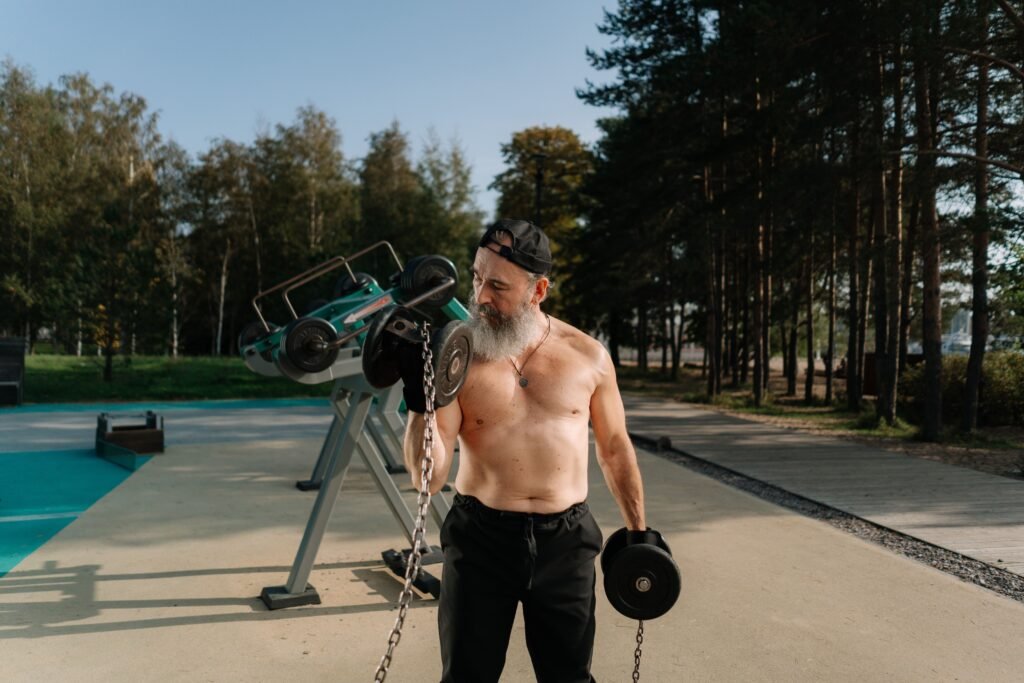
No. Longevity-focused strength training does not require competitive lifting or extremely heavy weights. Resistance bands, machines, free weights, and bodyweight exercises can all provide useful resistance when programs are appropriately designed.
When should someone start strength training?
Strength training can be valuable throughout adulthood, provided exercises match the person’s ability and experience. Starting earlier helps build a strong foundation, while beginning later can still support muscle, strength, movement, and physical function.