
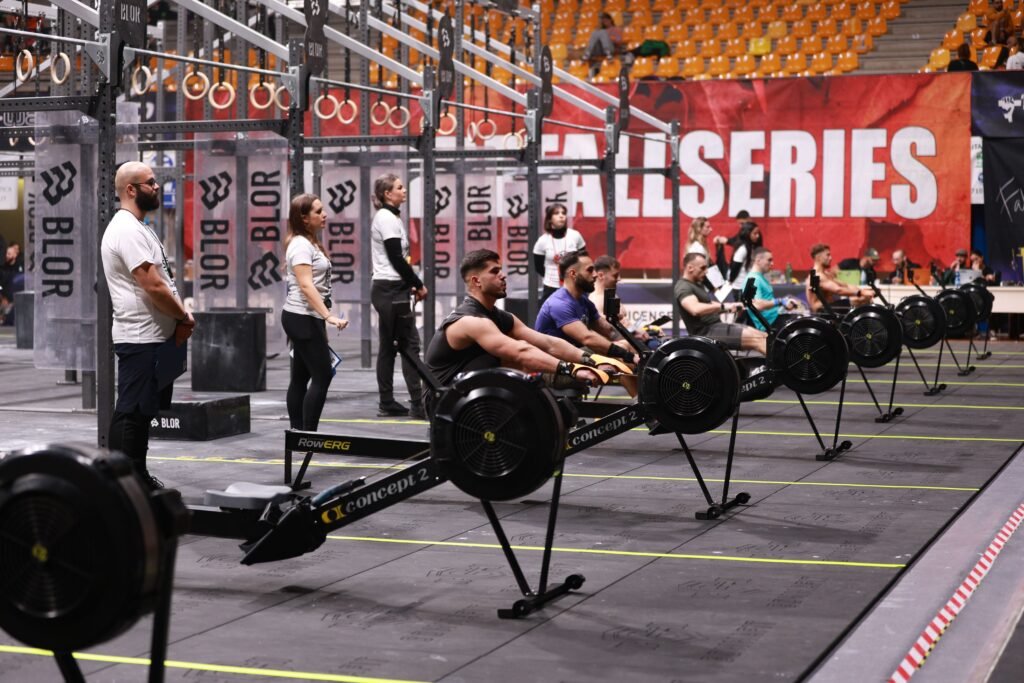
Modern athletic performance is no longer about choosing between building maximum strength and building elite cardiovascular endurance. Athletes across the globe are turning toward hybrid training to develop balanced bodies that perform exceptionally well under heavy physical strain while sustaining long-term metabolic health. By combining resistance work with steady low-intensity efforts like zone 2 cardio and deliberate recovery tactics such as a cold plunge, fitness enthusiasts are bridging the gap between raw power and cellular longevity. This integrated approach to physical conditioning gives everyday individuals and professional competitors a sustainable path toward peak conditioning without incurring chronic fatigue or premature joint breakdown.
The Evolution of Hybrid Training and Endurance Science
For decades, the mainstream fitness community divided physical conditioning into distinct silos. Powerlifters rarely ran long distances, while marathon runners avoided heavy barbell squats out of fear of gaining unhelpful muscle mass. This separation stemmed from early exercise physiology studies suggesting that endurance work interfered directly with strength gains, a concept known as the interference effect. Over time, sports scientists discovered that proper recovery management and precise intensity tracking allow athletes to develop both energy systems simultaneously without sacrificing gains in either domain.
Hybrid training emerged from this revised scientific understanding as a comprehensive methodology designed to build a complete athlete. Rather than specializing exclusively in lifting or running, hybrid athletes structure their training blocks around multiple energy systems. This shift gained massive momentum as functional fitness competitions and multi-disciplinary events demonstrated that human capacity reaches its peak when strength and endurance reinforce each other.
How Energy Systems Function in Dual-Capacity Workouts
Understanding how the human body generates fuel is essential to mastering balanced endurance work. During high-intensity lifting sessions or quick sprints, the body relies primarily on anaerobic energy paths, using stored glycogen without requiring immediate oxygen consumption. These efforts produce rapid force output but cause quick fatigue due to metabolic byproduct buildup in working muscle fibers.
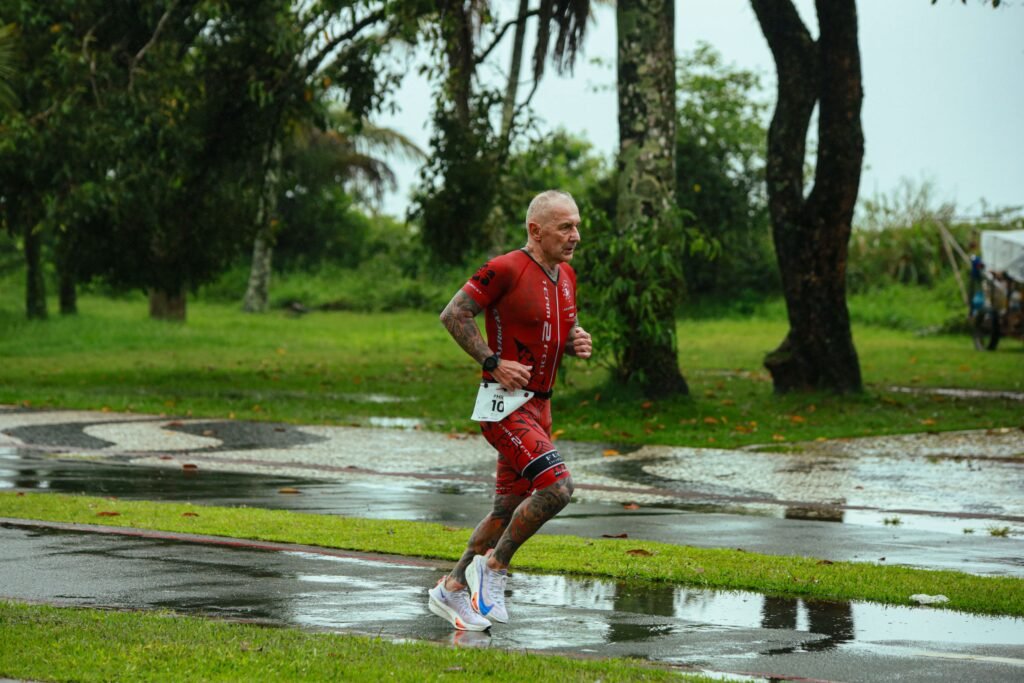
Continuous low-intensity effort operates through an entirely different energy pathway. Engaging in zone 2 cardio trains the body to utilize body fat as its primary fuel source while building denser mitochondrial networks inside muscle cells. This low-stress aerobic foundation acts as an engine for the athlete, allowing them to clear metabolic waste faster during heavy lifting sessions while keeping heart rates stable under load.
The Role of Post-Workout Cold Plunge Therapy in Recovery
Maintaining a high volume of lifting and running places significant demands on the central nervous system and connective tissues. To handle the combined physical stress, modern conditioning programs emphasize immediate recovery tactics designed to limit tissue damage and reduce systemic inflammation. Submerging the body in cold water after demanding training sessions has quickly become a standard practice for reducing muscle soreness.
Stepping into a cold plunge triggers rapid blood vessel constriction, driving blood away from inflamed extremities and toward vital core organs. Once the body warms up again, oxygenated blood floods back into the fatigued muscles, flushing out cellular waste products and speeding up tissue repair. Beyond physical recovery, cold water immersion helps regulate the nervous system by activating the vagus nerve, lowering baseline stress markers, and preparing the body for subsequent training sessions.

Designing a Balanced Weekly Conditioning Schedule
Creating a successful hybrid routine requires careful scheduling to prevent overtraining and joint irritation. Most structured programs split high-stress lifting days away from long aerobic sessions, giving specific muscle groups time to recover between efforts. A typical week might pair heavy lower-body lifts with short recovery runs, while dedicating separate days exclusively to long steady-state cardio efforts.
Monitoring training intensity is critical during aerobic conditioning blocks. Athletes must ensure their low-intensity sessions remain at a conversational pace, preventing heart rates from spiking into higher, more exhausting intensity zones. Keeping aerobic days truly easy allows the nervous system to heal while reserving maximum physical energy for heavy compound lifts later in the week.
Popular Fitness Centers Supporting Modern Conditioning Trends
The widespread popularity of dual-capacity training has transformed commercial gyms across the United States. Facility chains have adapted their layouts to accommodate athletes who need access to heavy free weights, turf tracks, and cardio equipment within the same building. Search queries for a Planet Fitness near me or a Crunch Fitness highlight how casual exercisers are seeking local spaces equipped for diverse movement styles.
These regional fitness facilities provide the necessary space for functional movement, kettlebell work, and rowers alongside traditional weight machines. Having access to versatile equipment near home makes it easier for individuals to execute structured hybrid programs consistently throughout the year without needing specialized elite facilities.
Essential Records and Benchmarks for Modern Hybrid Athletes
As multi-discipline training has evolved, new athletic benchmarks have emerged to test physical balance. Early hybrid pioneers proved that an athlete could deadlift five hundred pounds and run a sub-five-minute mile within short timeframes, shattering long-held assumptions about human adaptation. These achievements established a new standard for functional performance, proving that raw strength and high-level aerobic conditioning are not mutually exclusive.
Today, standardized fitness racing events allow thousands of everyday competitors to measure their strength and stamina on a global stage. Participants complete alternating segments of functional movements and running, tracking their split times to gauge overall metabolic efficiency. These competitive benchmarks give hybrid athletes clear target metrics, driving continuous growth in both cardiovascular health and total muscular output.

The Future of Healthspan and Human Performance
The shift toward balanced functional training reflects a broader understanding of the long-term health span. Athletic success is no longer defined strictly by maximum weight lifted or short-term speed, but by how well the body functions as it ages. Building strong muscle tissue while maintaining a resilient cardiovascular system protects against injury, preserves metabolic flexibility, and supports healthy joint function over several decades.
Combining heavy lifting, aerobic development, and structured recovery creates a sustainable lifestyle rather than a quick physical fix. As sports science continues to refine how humans adapt to multiple physical stresses, hybrid methods will remain the baseline approach for anyone seeking lifelong vitality and functional strength.
Frequently Asked Questions
What is hybrid training?
Hybrid training is an athletic conditioning approach that combines heavy strength training with endurance running or cycling. It allows individuals to build muscle size and force output while maintaining high cardiovascular endurance simultaneously.
How do I accurately identify zone 2 cardio?
Zone 2 cardio is low-intensity aerobic exercise where your heart rate stays between sixty and seventy percent of its maximum. You should be able to hold a full conversation comfortably without gasping for air.
Should I take a cold plunge right after lifting weights?
Taking a cold plunge immediately after strength workouts can reduce inflammation, but it may slightly blunt muscle hypertrophy. Many athletes wait several hours post-lifting or use cold immersion exclusively after hard endurance sessions.
Can beginners start a hybrid training routine safely?
Beginners can safely start hybrid programs by managing workout volume and intensity carefully. Starting with two resistance sessions and two easy cardio days per week prevents joint strain while building foundational movement patterns.
Why is low-intensity cardio important for lifters?
Low-intensity cardio builds mitochondrial density and improves heart stroke volume. This aerobic engine helps lifters clear metabolic waste between heavy sets, improving overall recovery between intense weightroom exercises.