
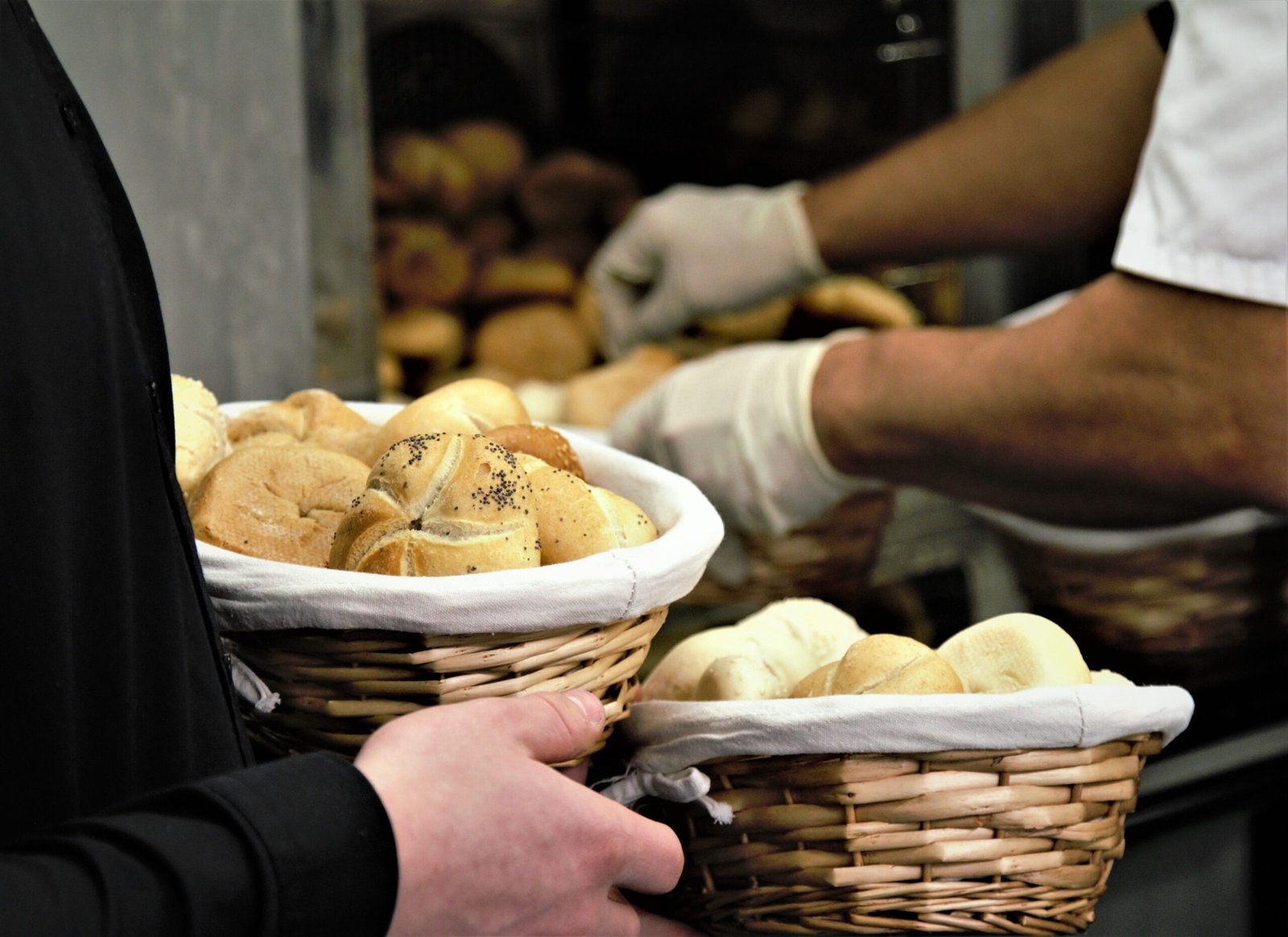

The choice between sourdough rye and processed white bread impacts digestion, insulin control, and athletic recovery. Sourdough rye undergoes long fermentation that breaks down phytic acid and gluten, maximizing mineral absorption and minimizing gut bloating. Its low glycemic index provides sustained energy, blunting insulin spikes to support metabolic health and fat loss.
Conversely, refined white bread strips away fiber, causing rapid blood sugar surges and quick energy crashes. Rich in soluble arabinoxylans, sourdough rye fuels gut microbes to produce anti-inflammatory butyrate, making it the superior carbohydrate choice for long-term functional fitness.
Across Europe, maintaining lean body composition, muscle tone, and high energy levels relies heavily on traditional, region-specific eating patterns. Rather than following hyper-restrictive fad diets or relying heavily on ultra-processed fitness foods, millions of Europeans maintain functional health by eating whole, locally sourced, seasonal foods that fuel movement naturally.
Whether through the olive-oil-rich Mediterranean approach, the nutrient-dense Nordic philosophy, or Central European whole-grain traditions, European food culture connects nutrition directly with daily movement.

1. Regional Dietary Patterns: Mediterranean vs. Nordic
European fitness nutrition varies by region, but every dominant style emphasizes whole foods with minimal industrial processing.
The Mediterranean Approach (Southern Europe)
In countries like Italy, Greece, Spain, and southern France, the diet emphasizes monounsaturated fats, fresh produce, and seafood.
- Extra Virgin Olive Oil: Used as the primary dietary fat, providing powerful antioxidant polyphenols and supporting heart health.
- Fresh Produce & Legumes: Daily intake of tomatoes, leafy greens, chickpeas, lentils, and beans offers fiber and sustained energy.
- Seafood & Lean Protein: Wild-caught fish (sardines, sea bass, and tuna) consumed multiple times weekly supply high-quality protein and omega-3 fatty acids.
The New Nordic Model (Northern Europe)

In Scandinavian nations like Denmark, Sweden, Norway, and Iceland, nutrition focuses on cold-climate crops and ocean protein.
- Fatty Cold-Water Fish: Salmon, mackerel, trout, and herring are consumed regularly for muscle repair and joint health.
- Whole-Grain Rye and Barley: Sourdough rye bread (rugbrød) provides dense, slow-digesting carbohydrates that prevent insulin spikes.
- Root Vegetables & Wild Berries: Carrots, beets, and antioxidant-rich berries (bilberries, lingonberries) combat cellular inflammation.
2. Nutrient-Dense European Staple Foods for Fitness
To support daily activity and recovery, European food choices prioritize nutrient density over high calorie volume.
| Food Group | Popular European Choices | Health & Fitness Benefit |
| Sourdough & Rye | German Vollkornbrot, Danish Rugbrød, Artisanal Sourdough | Fermented grains support gut health and offer sustained carbohydrate release. |
| Fermented Dairy | Icelandic Skyr, Greek Yogurt, Kefir, Aged Cheese | High casein protein and natural probiotics foster muscle preservation and gut immunity. |
| Healthy Fats | Cold-pressed olive oil, rapeseed oil, nuts (walnuts, hazelnuts) | Supports hormonal balance, cellular repair, and cardiovascular stamina. |
| Seasonal Produce | Cruciferous vegetables, wild greens, root crops, apples | Delivers essential micronutrients, vitamins, and high dietary fiber. |
3. Cultural Eating Habits That Keep Europeans Fit

In Europe, how people eat is just as critical as what they eat. Cultural eating behaviors naturally prevent overeating and support metabolic wellness.
Mindful Portion Control and Satiety
Rather than counting macros or tracking grams, Europeans rely on quality-driven portion awareness. Rich, flavor-dense foods like aged cheeses, olives, and whole-grain breads are satisfying in smaller quantities.
Communal Meals and Slow Dining
Meals are frequently treated as social events shared with family or colleagues. Eating slowly over 30 to 60 minutes allows the brain’s satiety receptors to signal fullness, preventing the rapid overconsumption common in rushed eating environments.
Minimizing Ultra-Processed Foods
European food standards strictly regulate artificial additives, synthetic dyes, and high-fructose corn syrup. By eating predominantly real, recognizable ingredients, Europeans maintain better metabolic flexibility and lower rates of chronic systemic inflammation.
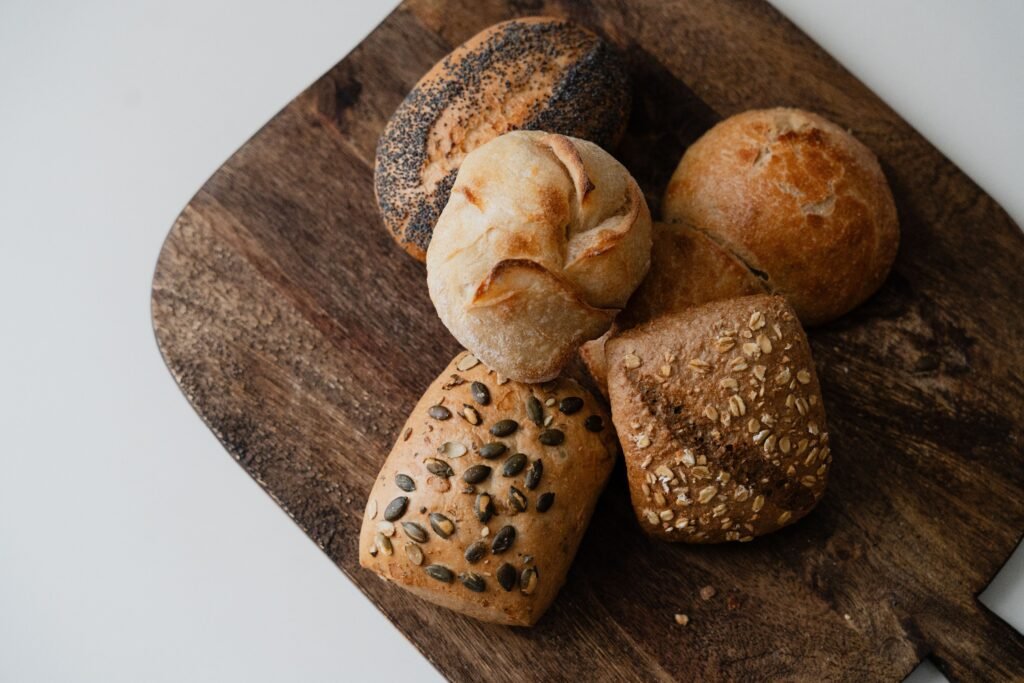
European Natural Fitness Diet vs. Standard Western Fitness Diet
| Feature | Traditional European Eating | Standard Gym-Centric Fitness Diet |
| Protein Source | Fish, legumes, fermented dairy, game, eggs | Isolated whey powders, processed bars, plain chicken breasts |
| Fat Focus | Monounsaturated fats (olive oil, nuts) | Extremely low-fat or hyper-fat (keto) extremes |
| Carbohydrates | Whole-grain rye, legumes, root veggies, seasonal fruit | Refined white rice, dextrose powders, or zero-carb cuts |
| Sustainability | Very High (seamless lifestyle habits) | Moderate (often abandoned post-competition) |
When evaluating carbohydrate sources for athletic recovery and general fitness, sourdough rye (Rugbrød or Vollkornbrot) and processed commercial white bread represent opposite ends of the nutritional spectrum. The differences stem directly from grain selection, grain processing, and the fermentation method.
1. Fermentation Mechanics and Digestibility
The fermentation method dictates how efficiently your body breaks down nutrients and handles gluten.
Sourdough Rye (Lactic Acid Fermentation)
- Phytate Breakdown: Rye contains high levels of phytic acid, an anti-nutrient that binds to essential minerals like magnesium, iron, and zinc. Long, wild sourdough fermentation (12–24 hours) activates endogenous phytases that break down phytic acid by up to 70–90%, dramatically increasing mineral bioavailability for muscle function and energy production.
- Pre-Digestion & FODMAP Reduction: Lactic acid bacteria (LAB) and wild yeasts partially digest complex starches and proteins during fermentation. This degrades fructans and softens gluten networks, substantially reducing gastrointestinal bloating, gas, and sluggishness post-meal.
- Organic Acids: The production of lactic and acetic acids slows gastric emptying, ensuring a gradual release of nutrients into the small intestine.
Processed White Bread (Commercial Yeast)
- Rapid Baker’s Yeast Fermentation: Industrial white bread relies on quick-acting Saccharomyces cerevisiae and chemical conditioners, completing fermentation in under an hour. This leaves phytic acid and complex fructans intact, often causing gut distress during or after training.
- Intact Anti-Nutrients: Without prolonged fermentation, bound minerals pass through the digestive tract largely unabsorbed.
2. Glycemic Response and Insulin Dynamics
For fitness and body composition, how a food impacts blood glucose dictates energy stability and fat oxidation.
BLOOD GLUCOSE SPIKE COMPARISON

White Bread :  /\  (Sharp spike -> Rapid insulin surge -> Crash/Hunger)
              /  \
-------------/----\------------------------------------------ Baseline
Sourdough   :   --  (Gentle rise -> Sustained energy -> Controlled insulin)
Rye            /  \
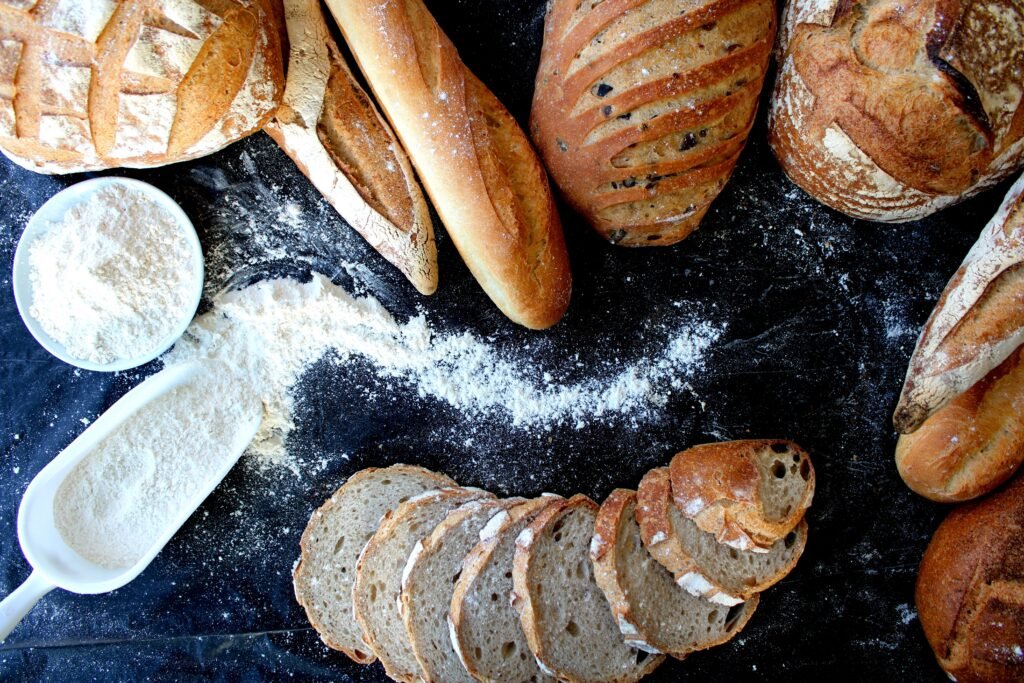
Sourdough Rye
- Low-to-Moderate Glycemic Index (GI ~48–55): The structural matrix of whole rye, combined with organic acids produced during sourdough fermentation, creates a “second-meal effect.” It blunts postprandial glucose spikes not just for that meal, but for hours afterward.
- Insulin Sensitivity: Lower insulin spikes allow the body to return to fat-oxidation states faster while providing steady, long-lasting glycogen replenishment to muscles without an energy crash.
Processed White Bread
- High Glycemic Index (GI ~70–75): Made from ultra-refined wheat flour with the bran and germ removed, white bread acts metabolically much like simple sugar.
- Rapid Spike and Crash: It triggers a sharp spike in blood glucose followed by a rapid insulin surge. This can promote excess calorie storage as fat and leave you feeling fatigued and hungry shortly after eating.
3. Fiber Matrix and Gut Microbiome Impact
The type and volume of dietary fiber directly affect gut health, satiety, and systemic inflammation.
| Attribute | Sourdough Rye Bread | Processed White Bread |
| Fiber Content (per 100 g) | ~9g – 13g (high arabinoxylans & beta-glucan) | ~2 g – 3 g (stripped during milling) |
| Short-Chain Fatty Acids (SCFAs) | High conversion to butyrate & propionate | Minimal SCFA production |
| Satiety & Fullness | Very High (pectins & soluble fiber swell) | Low (triggers rapid digestion & hunger) |
| Gut Microbiome Effect | Feeds beneficial Bifidobacteria | Negligible probiotic or prebiotic value |
- The Butyrate Advantage: The soluble arabinoxylans in rye are fermented by gut microbes into short-chain fatty acids (SCFAs), particularly butyrate. Butyrate strengthens the gut barrier, lowers systemic inflammation, and improves mitochondrial efficiency in skeletal muscle.
Metabolic & Digestibility Summary for Athletes
- Pre-Workout Fueling: Processed white bread can be useful immediately before an intense session (30–45 mins prior) if rapid, non-fibrous glucose is needed without stomach volume. However, for sustained endurance, sourdough rye provides far more stable energy.
- Post-Workout Recovery & Meal Timing: Sourdough rye delivers sustained glycogen restoration, superior mineral absorption (magnesium for muscle recovery, iron for oxygen transport), and keeps systemic inflammation low—making it the vastly superior daily choice for functional long-term fitness.
Frequently Asked Questions
1. What is the main protein source Europeans consume for muscle maintenance?
Europeans primarily rely on whole-food protein sources like fatty fish (salmon, sardines, and mackerel), legumes (chickpeas and lentils), eggs, poultry, and high-protein fermented dairy like Icelandic skyr or authentic Greek yogurt rather than relying solely on synthetic powders.
2. How do Europeans eat carbohydrates without gaining excess weight?
Carbohydrates in traditional European diets come from complex, fiber-rich sources like whole-grain rye bread, oats, barley, legumes, and root vegetables. Combined with daily walking (NEAT), these slow-digesting carbs are burned efficiently for fuel rather than stored as fat.
3. What role does olive oil play in keeping European populations healthy?
Extra virgin olive oil is a core staple of Southern European diets. It is rich in monounsaturated oleic acid and anti-inflammatory polyphenols, which support cardiovascular performance, lower bad cholesterol (LDL), and promote cellular health.
4. Do Europeans avoid dairy when trying to stay lean?
No. Europeans consume fermented and traditional dairy products like kefir, natural yogurt, and raw or aged cheeses regularly. The fermentation process introduces beneficial probiotics that support digestive health, while the high protein content aids satiety.
5. How can I adopt European eating habits in my daily life?
Focus on replacing processed snacks with whole foods: cook with extra virgin olive or cold-pressed rapeseed oil, choose dense whole-grain sourdough or rye bread over refined white bread, incorporate fish 2–3 times a week, and slow down to enjoy home-cooked meals without screens.