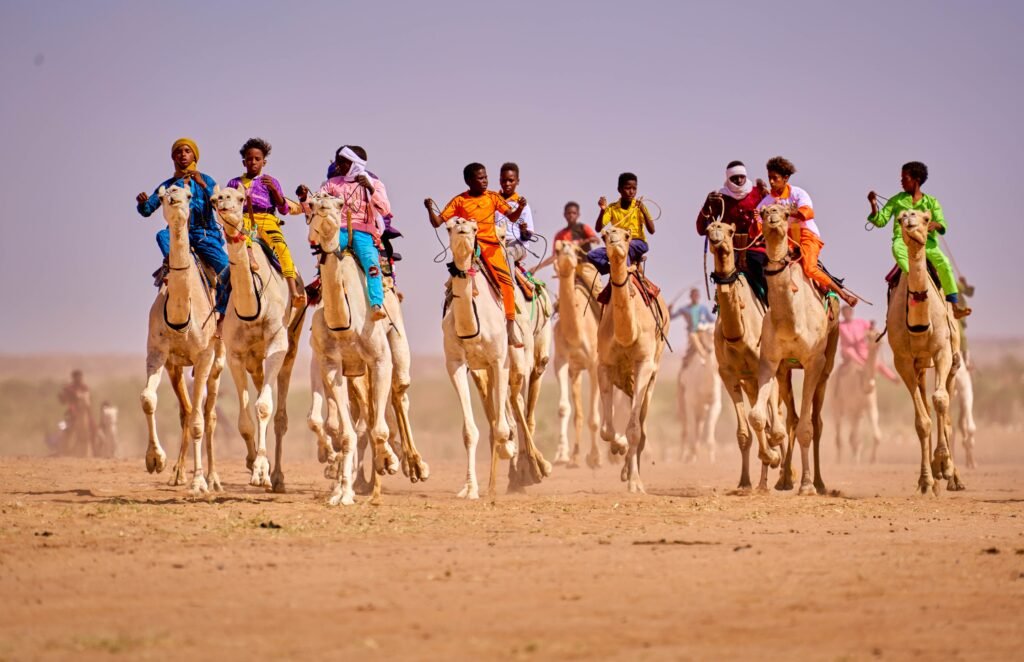
Sports across the Arab world seamlessly blend deep cultural heritage with ambitious global expansion. While traditional pursuits like camel racing, equestrian arts, and falconry preserve century-old Bedouin legacies, modern athletics have surged in popularity. Football remains the undisputed passion, uniting millions through vibrant domestic leagues like the Saudi Pro League and international tournaments. Furthermore, major investments have transformed the region into a global hub for world-class sporting events, including Formula 1 races, elite combat sports, and historic international competitions that showcase cutting-edge infrastructure alongside enduring sporting traditions.
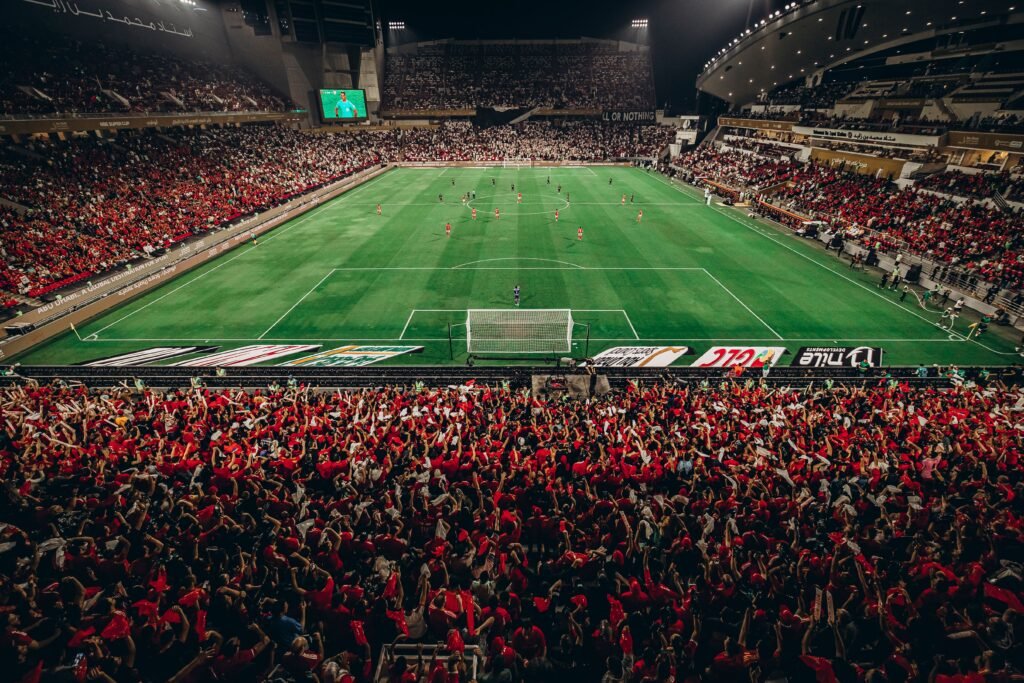
Sports play a pivotal role in the modern Arab world, serving as a powerful bridge between centuries-old cultural heritage and dynamic future-facing ambitions. Across North Africa and the Middle East, athletic investment has surged, transforming the region into a cornerstone of global sport hosting and competitive excellence. Today, passion for athletics unites diverse populations, driving youth engagement, infrastructure expansion, and international recognition.
The Cultural Significance of Traditional Arab Sports
Long before modern mega-events came to the region, traditional sports anchored social life across the Arabian Peninsula and North Africa. These historic disciplines showcase endurance, honor, and deep connection to the land and livestock.
- Camel Racing: Deeply rooted in Bedouin culture, camel racing remains a prestigious traditional sport across Gulf nations like the UAE, Saudi Arabia, and Qatar. Modern events combine cultural heritage with advanced technology, such as lightweight robotic jockeys.
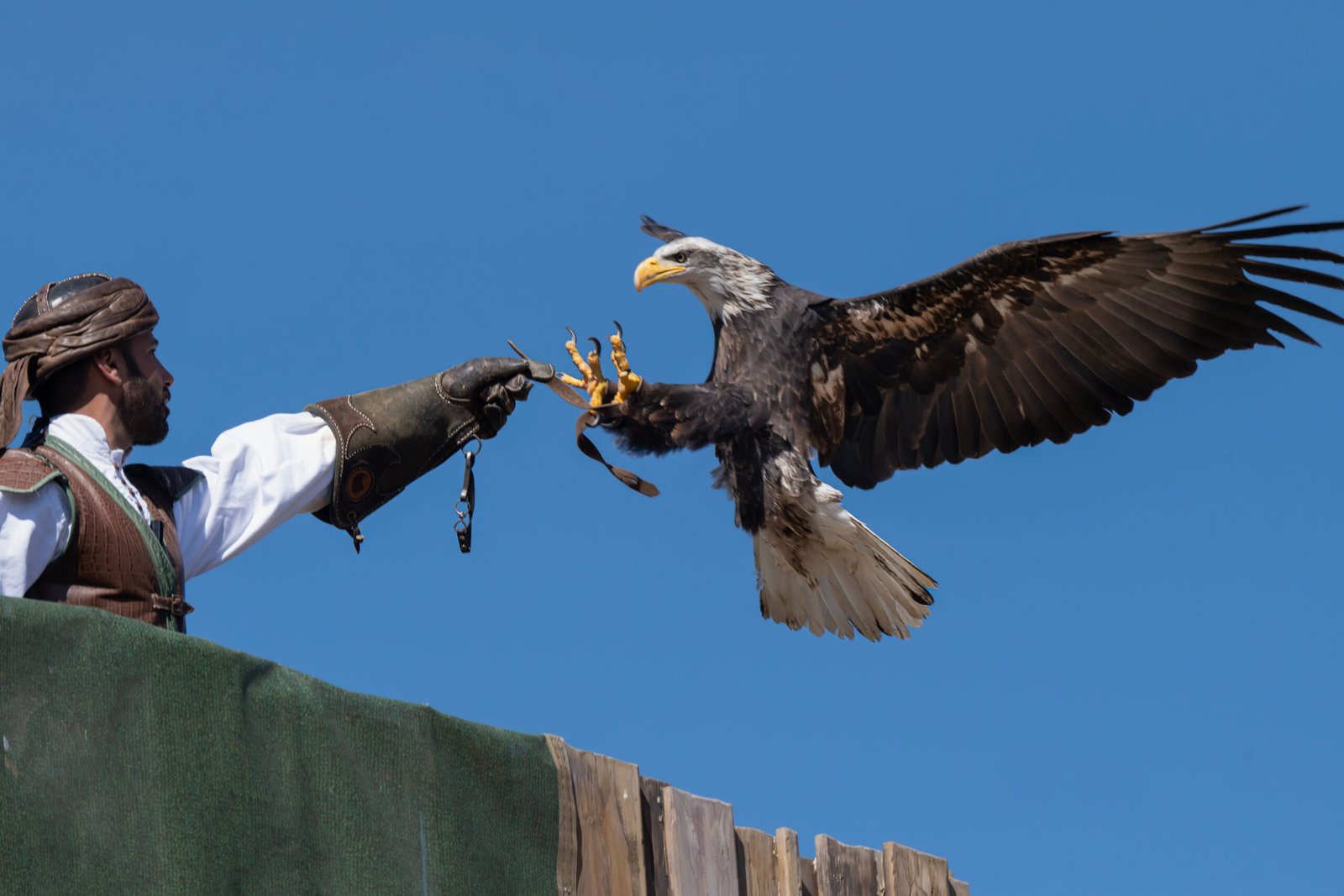
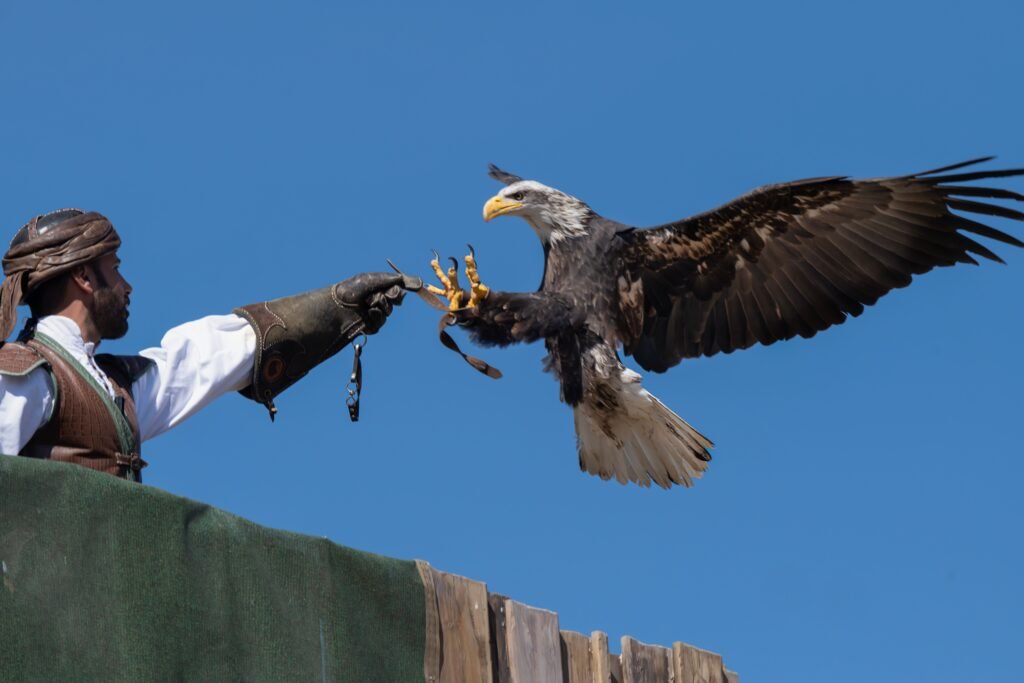
- Falconry: Recognized as an intangible cultural heritage practice, falconry highlights precision, patience, and hunting traditions passed down through generations.
- Equestrian Arts and Arabian Horse Racing: Celebrated globally for breeding elite thoroughbreds, Arab nations maintain a proud heritage in show jumping, endurance riding, and flat racing.
Modern Sporting Titans: Football, Athletics, and Motorsport
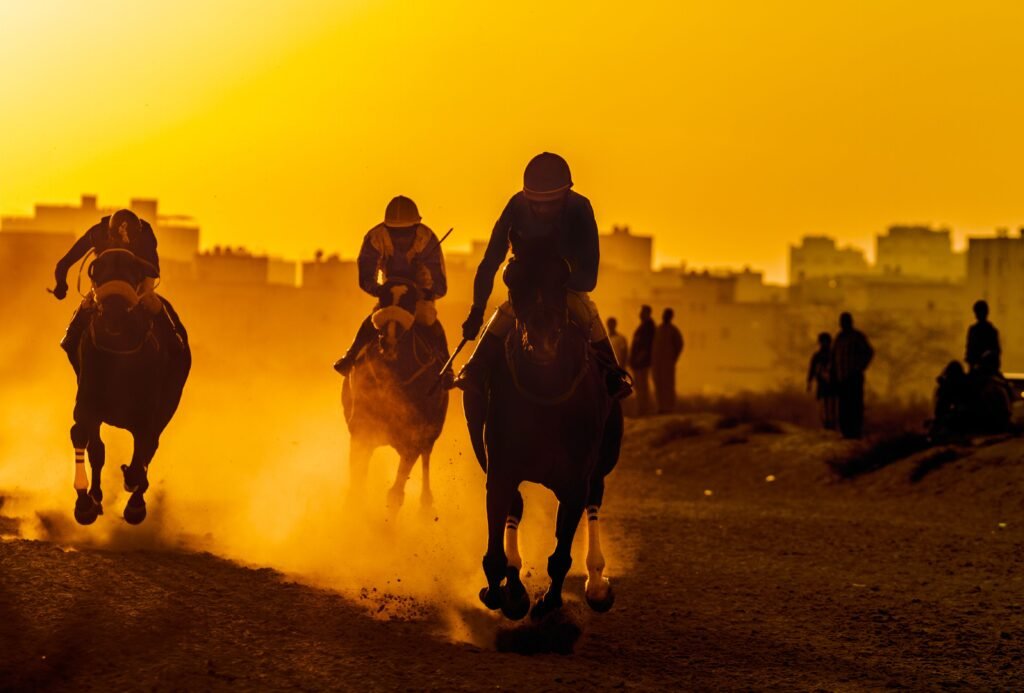
While traditional pursuits retain their cultural resonance, contemporary sports draw massive crowds, broadcast ratings, and international acclaim across the Arab world.
- Football (Soccer): Football stands as the undisputed favorite sport across every Arab country. Major domestic leagues, such as the Saudi Pro League, Egyptian Premier League, and Moroccan Botola, draw millions of fans, while national teams foster intense collective pride during international tournaments.
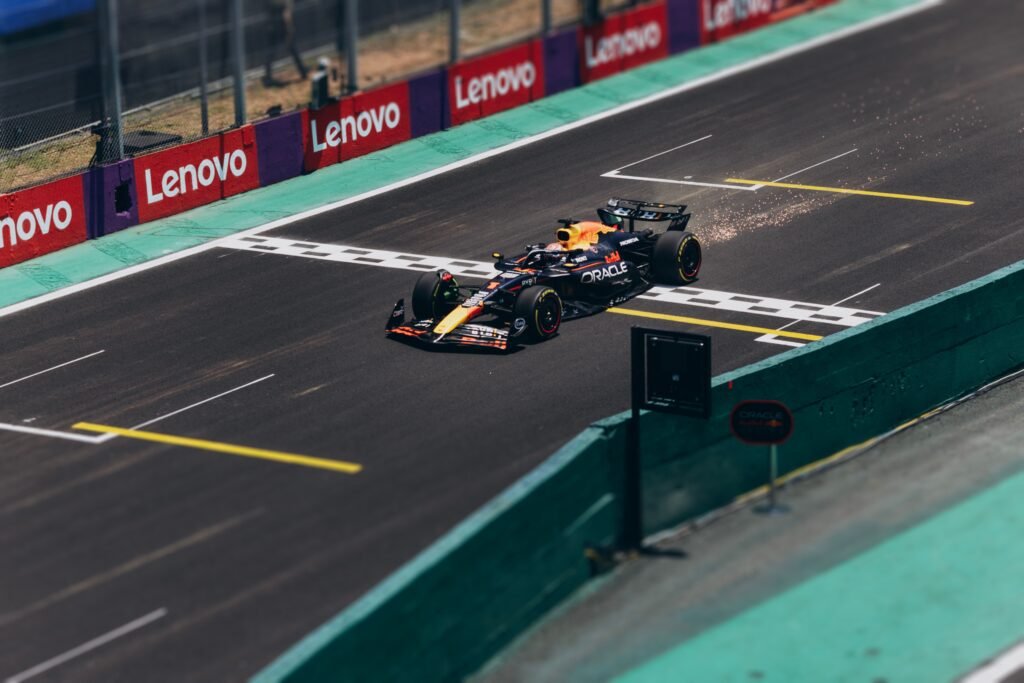
- Motorsport: Formula 1 has established a permanent home in the region with Grand Prix events hosted in Bahrain, Saudi Arabia, Qatar, and Abu Dhabi. Additionally, endurance events like the Dakar Rally test off-road driving elite across vast desert landscapes.
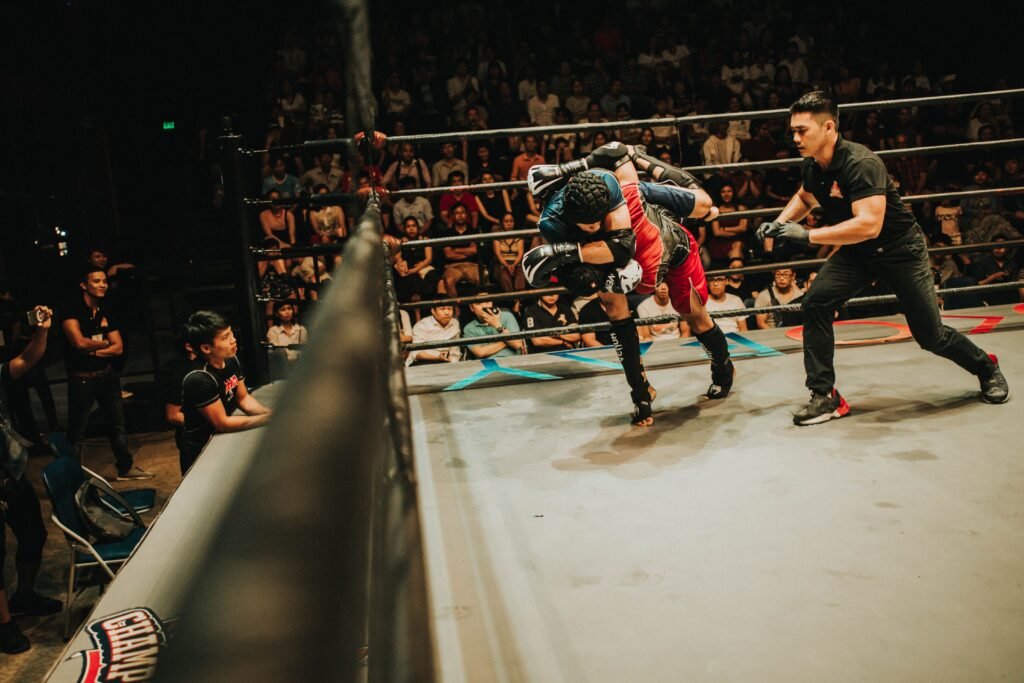
- Combat Sports: Handball, boxing, mixed martial arts (MMA), and judo have seen explosive regional growth, backed by high-profile professional fights in Saudi Arabia and the UAE.
Regional Investment and Global Hosting Milestones
Over the past decade, Arab nations have positioned themselves as premier global hubs for international athletics. High-profile hosting investments enhance regional tourism, modern infrastructure, and national diversification strategies.
| Event / Initiative | Host Region / Country | Strategic Focus | Primary Impact |
| FIFA World Cup 2022 | Qatar | Global Sports Hosting | The first FIFA World Cup was held in the Arab world. |
| Formula 1 Grand Prix Series | Bahrain, Saudi Arabia, Qatar, UAE | International Tourism | Year-round global motorsport hub |
| Saudi Pro League Expansion | Saudi Arabia | Domestic League Growth | Attracting elite global football superstars |
| Asian Games 2030 / 2034 | Doha (2030), Riyadh (2034) | Multi-Sport Excellence | Premier Asian Olympic-style competition |
| UFC Fight Nights & Abu Dhabi Showdowns | Abu Dhabi, UAE | Martial Arts & Combat | Global destination for elite MMA events |
Popular Sports Across Arab Regions
- North Africa (Egypt, Morocco, Tunisia, Algeria): Dominates regional football, distance running, weightlifting, and handball, producing world-class athletes competing at the highest European and Olympic levels.
- The Gulf Cooperation Council (GCC): Focuses heavily on high-tech sports facilities, equestrian disciplines, golf, tennis, motorsport, and elite international leagues.
- The Levant (Jordan, Lebanon, Palestine): Maintains deep passions for basketball, football, combat sports, and emerging youth sports initiatives.
Frequently Asked Questions (FAQs)
Q1: What is the most popular sport across the Arab world?
Football (soccer) is by far the most popular and widely followed sport across all countries in the Arab world, both in terms of viewership and grassroots participation.
Q2: Which traditional sports are still actively practiced in Arab countries?
Key traditional sports include camel racing, falconry, and Arabian equestrian racing, all of which receive significant government support and cultural celebration, especially in the Gulf region.
Q3: Which Arab countries host Formula 1 Grand Prix races?
Four Arab nations currently host official Formula 1 World Championship races: Bahrain, Saudi Arabia, Qatar, and the United Arab Emirates (Abu Dhabi).
Q4: How did the 2022 FIFA World Cup impact sports in the region?
The 2022 FIFA World Cup in Qatar marked the first time the tournament was hosted in the Arab world, showcasing world-class modern infrastructure, boosting regional pride, and accelerating sports tourism across the Middle East.
Q5: What role does combat sport play in the Arab sports landscape?
Combat sports like MMA (UFC), boxing, judo, and jiu-jitsu have grown exponentially, with cities like Abu Dhabi and Riyadh serving as global venues for major international title fights.