
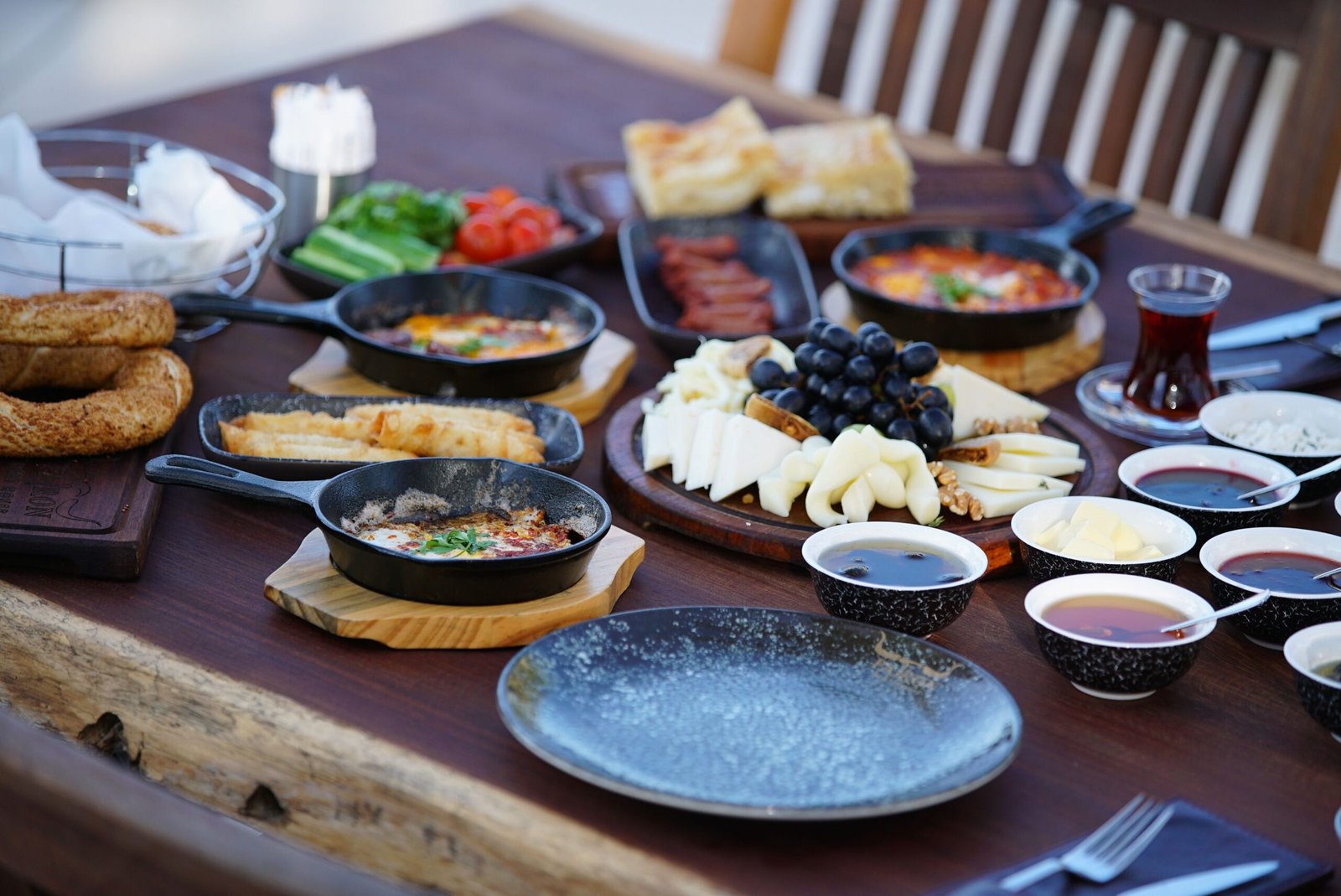
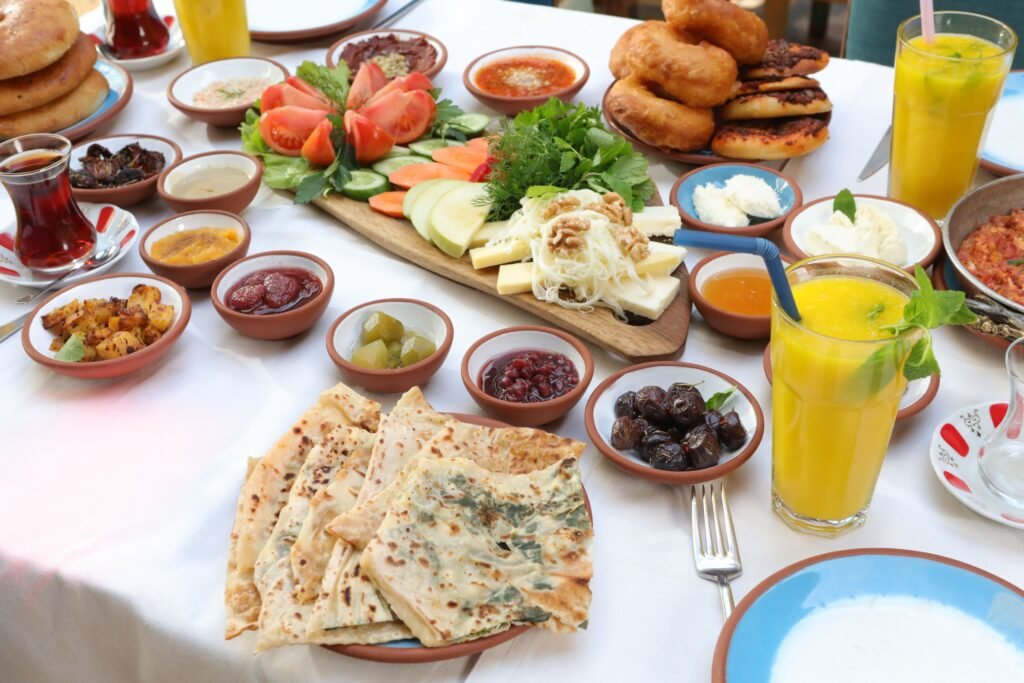
Metabolic nutrition in Turkey combines Anatolian culinary traditions with modern health science to optimize insulin sensitivity and gut function. The traditional diet centers on unrefined, low-glycemic ingredients such as red lentils, chickpea stews, wild greens, and healthy monounsaturated fats from extra-virgin olive oil and walnuts.
Probiotic-rich fermented staples—including kefir, strained yogurt (süzme yoğurt), and fermented turnip juice (şalgam suyu)—support the gut microbiome to improve digestion and suppress systemic inflammation. Paired with a high-protein breakfast of eggs, white cheese, and olives, this balanced approach provides sustained energy, promotes satiety, and maintains long-term metabolic flexibility naturally.
Metabolic nutrition in Turkey represents a harmonious balance between centuries-old Mediterranean and Anatolian culinary traditions and modern preventive health science. Rather than viewing food through the narrow lens of extreme calorie restriction, Turkish metabolic wellness relies on real, unrefined ingredients, gut-supporting fermented foods, nutrient-dense fats, and balanced macronutrient distribution.
With rising awareness of metabolic health, cardiovascular vitality, and insulin sensitivity, Turkey’s rich food heritage offers a natural blueprint for optimizing human metabolism without sacrificing flavor or cultural connection.
1. The Anatolian Foundation: Whole, Unprocessed Foods
At the heart of metabolic health in Turkey is an emphasis on seasonal, minimally processed produce and high-quality local staples. Anatolian agricultural traditions naturally align with low-glycemic, anti-inflammatory nutrition.
Seasonal Produce and Anti-Inflammatory Plants

Turkish meals feature high volumes of non-starchy vegetables, wild greens (otlar), and polyphenols:
- Tomatoes, Peppers, and Eggplants: Rich in antioxidants like lycopene and vitamin C, these vegetables form the base of popular dishes such as menemen and roasted vegetable mezzes.
- Wild Anatolian Greens: Plants such as purslane (semizotu), wild radishes, and nettles are rich in omega-3 fatty acids, plant fiber, and essential minerals that lower systemic inflammation.
Legumes and Complex Fiber
Pulses are a core source of slow-release carbohydrates and plant-based protein in Turkey:
- Lentils and Chickpeas: Red lentil soup (mercimek çorbası) and chickpea stews deliver soluble fiber that feeds beneficial gut bacteria, stabilizes blood glucose levels, and produces short-chain fatty acids (SCFAs) like butyrate.
- White Beans (Kuru Fasulye): Paired with raw salads or olive oil dressings, white beans provide a steady fuel source that blunts insulin spikes.
2. Healthy Fats and Lipid Balance
The Turkish diet draws heavily from Mediterranean fat sources, prioritizing monounsaturated fatty acids and polyunsaturated omega-3s that support cell membrane integrity and hormone production.
- Extra Virgin Olive Oil (Zeytinyağı): Used extensively in cold vegetable dishes (zeytinyağlılar), olive oil provides oleic acid and anti-inflammatory polyphenols. Regular intake supports favorable HDL-to-LDL cholesterol ratios and enhances insulin sensitivity.
- Nuts and Seeds: Raw walnuts, hazelnuts from the Black Sea region, and pistachio nuts are daily staples. Walnuts offer alpha-linolenic acid (ALA), an essential plant omega-3 that supports metabolic vascular function.
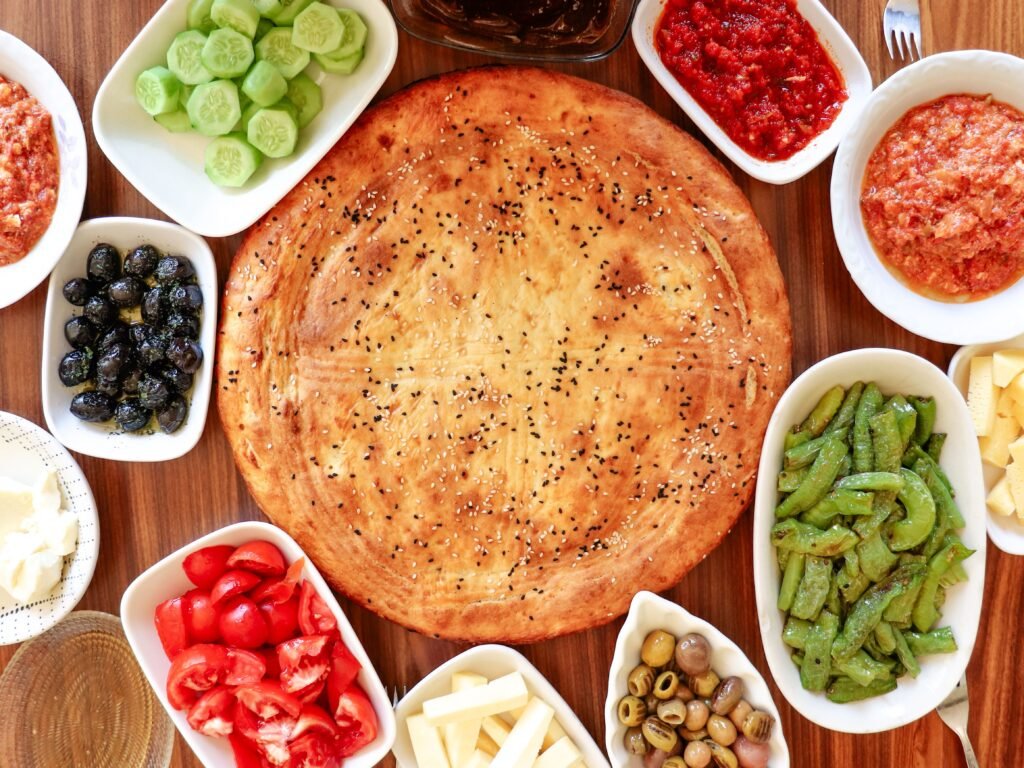
- Olives: Consumed daily at breakfast, cured black and green olives deliver dietary fiber, monounsaturated fats, and key electrolytes like sodium and potassium.
3. Fermented Foods and Microbiome Optimization
A healthy gut microbiome is essential for efficient nutrient absorption, blood sugar regulation, and metabolic flexibility. Traditional Turkish food culture excels in natural fermentation.
| Traditional Turkish Fermented Food | Key Nutritional Components | Metabolic Benefit |
| Kefir | Probiotic bacteria strains, bioavailable casein protein, calcium | Enhances gut lining barrier, improves insulin response, and aids digestion. |
| Süzme Yoğurt (Strained Yogurt) | High-density protein, lactic acid bacteria, organic acids | Promotes satiety, stabilizes post-meal glucose, and preserves muscle mass. |
| Şalgam Suyu (Turnip Juice) | Fermented purple carrots, turnips, bulgur, probiotics | Rich in anthocyanins and lactic acid, supporting digestion and vascular flow. |
| Turşu (Fermented Pickles) | Lacto-fermented cucumbers, cabbage, and green tomatoes | Delivers active probiotics that suppress pathogenic gut microbes. |
4. The Structure of Turkish Meals and Metabolic Satiety

How food is served and consumed in Turkey contributes directly to metabolic control and appetite regulation.
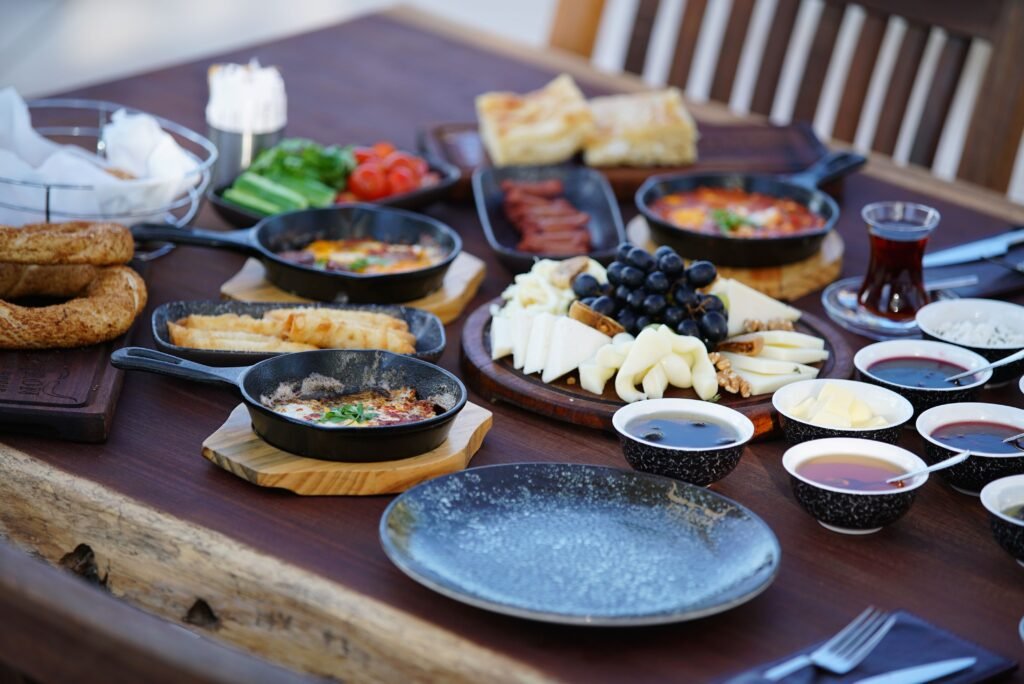
The Traditional Breakfast (Serpme Kahvaltı)
Unlike quick Western breakfasts centered on sugary cereals or pastries, a traditional Turkish breakfast emphasizes protein, healthy fats, and fiber:
- Soft-boiled or scrambled eggs (menemen)
- White cheese (beyaz peynir) and aged goat/sheep cheeses
- Olives, cucumbers, tomatoes, and fresh herbs
- Extra virgin olive oil drizzled with herbs
This high-protein, low-glycemic combination prevents early morning blood sugar spikes and sustains energy levels well into the afternoon.
┌──────────────────────────────────────────────────────────┐
│          TURKISH METABOLIC BREAKFAST TEMPLATE           │
├──────────────────────────────────────────────────────────┤
│ Protein & Fats : Eggs, Beyaz Peynir (Cheese), Olives     │
│ Micronutrients : Tomatoes, Cucumbers, Parsley, Rocket    │
│ Healthy Oils   : Cold-pressed Extra Virgin Olive Oil     │
│ Hydration      : Black Tea (unsweetened) or Herbal Tea   │
└──────────────────────────────────────────────────────────┘

5. Modern Metabolic Science Meets Turkish Culinary Heritage
In recent years, Turkish clinical dietitians and medical researchers have combined modern metabolic health principles with regional food traditions.
| Modern Metabolic Principle | Traditional Turkish Equivalent | Clinical Advantage |
| Low Glycemic Load | Replacing white bread with whole-grain bulgur or wild greens | Prevents rapid insulin spikes and reduces fatty liver risks. |
| High Protein Satiety | Grilled meats (kebabs), seafood, and strained yogurt | Optimizes muscle protein synthesis and keeps ghrelin (hunger hormone) low. |
| Intermittent Fasting & Slow Eating | Prolonged family dining and traditional meal gaps | Allows liver glycogen depletion and encourages fat oxidation between meals. |
Traditional Turkish vs. Modern Processed Diets
| Attribute | Traditional Turkish Diet | Processed Industrial Diet |
| Primary Fat Source | Extra virgin olive oil, nuts, natural dairy fat | Industrial seed oils, trans fats |
| Carbohydrate Type | Whole legumes, bulgur, seasonal produce | Refined wheat flour, high-fructose corn syrup |
| Gut Health Support | Daily kefir, yogurt, and fermented pickles (turşu) | Low fiber, zero active probiotics |
| Blood Sugar Impact | Gentle, sustained glucose curve | Severe insulin spikes and subsequent crashes |
Frequently Asked Questions
1. What are the best traditional Turkish foods for improving insulin sensitivity?
Foods like extra virgin olive oil, cold-pressed olives, fermented kefir, strained yogurt (süzme yoğurt), wild purslane (semizotu), lentils, and raw walnuts are exceptional for stabilizing blood sugar and supporting insulin sensitivity.
2. Is bulgur better for metabolic health than white rice or refined bread?
Yes. Whole-grain bulgur retains its bran and germ layers, making it rich in fiber, B vitamins, and magnesium. It has a significantly lower glycemic index than white rice or refined wheat bread, providing steady glucose release without dramatic insulin spikes.
3. How does Turkish tea (Çay) affect digestion and metabolism?
Unsweetened black tea (çay) contains natural polyphenols and flavonoids that offer antioxidant benefits. Drinking warm tea after meals can aid digestion, though it is best enjoyed 30–60 minutes post-meal to avoid interfering with iron absorption.
4. What role does Turkish yogurt play in weight management and metabolism?
Authentic Turkish yogurt, especially strained (süzme) yogurt, is dense in high-quality protein and natural probiotics. The protein increases fullness through satiety hormones, while the probiotics support gut microbes linked to improved fat metabolism.
5. How can I adapt Turkish metabolic nutrition habits into a busy lifestyle?
Focus on simple additions: start your day with a high-protein breakfast of eggs, cheese, olives, and fresh vegetables; replace refined cooking oils with extra virgin olive oil; eat fermented pickles or yogurt daily; and swap refined side dishes for lentil soups or bulgur.