
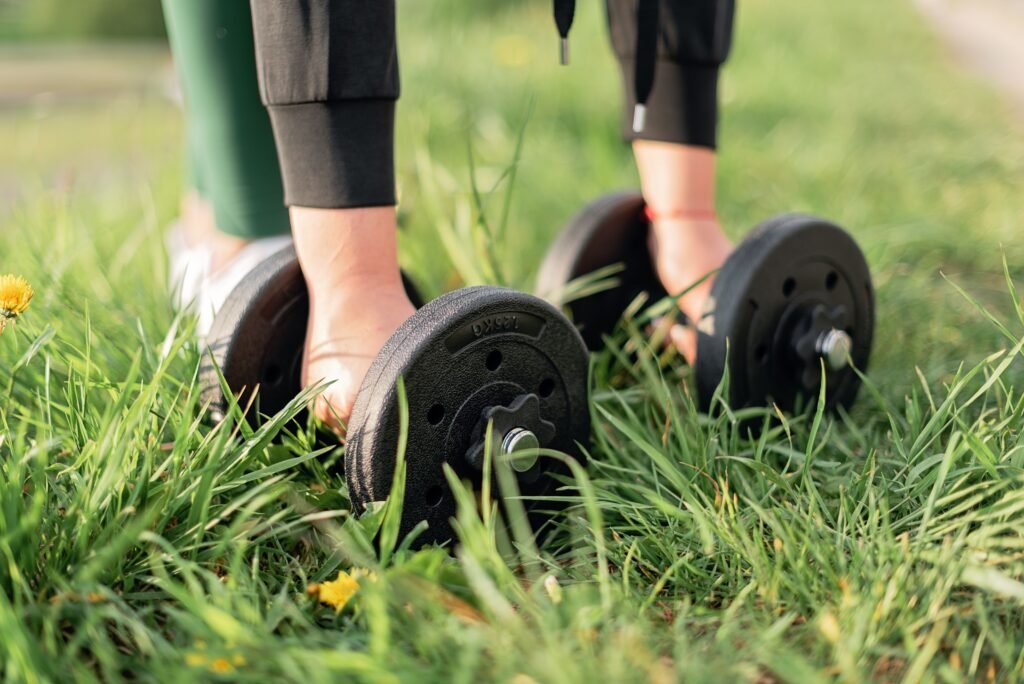
In Canada, staying fit without a traditional gym membership is a reflection of geography and lifestyle. Facing dramatic seasonal shifts—from sun-drenched summers to sub-zero winters—Canadians rely on a hybrid model of active transportation, outdoor recreation (the great outdoors culture), and cold-weather conditioning. Rather than relying solely on indoor weight rooms, the Canadian approach turns natural landscapes and everyday routines into a functional, year-round fitness regimen.
In Canada, staying fit without a traditional gym membership is a reflection of geography and lifestyle. Facing dramatic seasonal shifts—from sun-drenched summers to sub-zero winters—Canadians rely on a hybrid model of active transportation, outdoor recreation (the great outdoors culture), and cold-weather conditioning.
Rather than relying solely on indoor weight rooms, the Canadian approach turns natural landscapes and everyday routines into a functional, year-round fitness regimen.
1. Seasonal Outdoor Recreation as Functional Fitness
Canada’s climate demands adaptability. Instead of fighting the weather, fitness habits shift naturally with the seasons to target different muscle groups and metabolic pathways.
┌────────────────────────────────────────────────────────────────────────┐
│                   THE CANADIAN FOUR-SEASON MATRIX                      │
├────────────────────────────────────────────────────────────────────────┤
│ Winter : Cross-Country Skiing, Snowshoeing, Outdoor Ice Skating         │
│ Spring : Trail Running, Mud Hiking, Gravel Cycling                    │
│ Summer : Canoeing, Kayaking, Stand-Up Paddleboarding (SUP), Swimming   │
│ Autumn : Backcountry Hiking, Mountain Biking, Trail Clearing           │
└────────────────────────────────────────────────────────────────────────┘

- Winter Conditioning: Cross-country skiing (Nordic skiing) and snowshoeing are two of the highest calorie-burning cardiovascular activities available, recruiting the core, upper body, and legs simultaneously with zero joint impact. Outdoor ice skating on frozen lakes and municipal trails builds hip stability and leg power.
- Paddle Sports: Summer outdoor culture revolves around Canada’s vast lakes and river networks. Canoeing and kayaking build upper-body pulling strength, lats, and rotational core stability without machinery.
- Trail and Elevation Training: Backcountry hiking and trail running over uneven terrain recruit stabilizer muscles in the ankles, knees, and hips while building natural aerobic endurance.
2. High NEAT and Commute-Based Fitness

Canadian urban centers—such as Vancouver, Montreal, Toronto, and Calgary—feature extensive networks of multi-use trails, protected bike lanes, and ravine paths that encourage active transit.
| Active Transit / NEAT Habit | Environmental Context | Fitness & Health Benefit |
| Winter Walking / Snow Trekking | Navigating packed snow and icy sidewalks | Increases calorie burn by up to 30% due to foot traction effort and thermal regulation. |
| Commuter Cycling | Dedicated bike paths (e.g., Vancouver’s Seawall, Montreal’s REV) | Provides low-impact Zone 2 cardiovascular conditioning during daily transit. |
| Indoor Path Networks | Underground networks (e.g., Toronto PATH, Montreal RESO) | Allows high-step-count walking during extreme winter storms. |
3. Home-Grown Functional Labor and Chores

Outside major urban centers, everyday life in suburban and rural Canada incorporates physical tasks that function as functional strength training.
- Shoveling Snow: A classic winter chore that acts as a full-body workout involving hip hinges, rotational core strength, and shoulder endurance.
- Wood Chopping and Hauling: Popular in rural and cottage regions, splitting firewood targets grip strength, core power, and posterior chain activation.
- Seasonal Yard Maintenance: Raking leaves, prepping gardens, and hauling equipment provide functional movement patterns (pulling, lifting, and bending) that maintain joint mobility.
Canadian Outdoor Lifestyle vs. Traditional Gym-Centric Model
| Aspect | Canadian Outdoor/Lifestyle Approach | Traditional Gym-Centric Model |
| Primary Environment | Trails, lakes, snow paths, urban bike lanes | Climate-controlled indoor facilities |
| Movement Patterns | Varied, multi-directional, uneven terrain | Machine-guided, linear, repetitive planes |
| Caloric Burn Drivers | Thermal adaptation, active transit, seasonal sports | Treadmills, stationary bikes, stairclimbers |
| Mental Wellbeing | Exposure to green/blue spaces and sunlight | Synthetic light and indoor atmosphere |
| Joint Load | Dynamic stabilization on soft surfaces | Static load-bearing on flat concrete/mats |

Frequently Asked Questions
1. How do Canadians stay active outdoors in sub-zero winter temperatures?
By practicing strategic layering (merino wool base layers, insulating mid-layers, and windproof shells) and engaging in continuous whole-body activities like snowshoeing, fast walking, or cross-country skiing that generate internal body heat quickly.
2. Can shoveling snow and outdoor chores really replace weightlifting?
While they don’t offer precise progressive overload like a barbell, heavy functional chores recruit large muscle groups—including the glutes, hamstrings, lower back, core, and shoulders—building real-world endurance and rotational strength.
3. How can someone adopt a Canadian-style outdoor fitness routine without living near lakes or mountains?
Focus on seasonal outdoor consistency: embrace outdoor walking regardless of weather, utilize local city parks for trail walking, take up paddle boarding or kayaking on local waterways in summer, and shift your cardio outdoors for at least 30 minutes every day.
4. How do Canadians stay fit outdoors during extreme winter weather?
Canadians stay active in sub-zero temperatures by engaging in continuous, full-body outdoor activities like cross-country skiing, snowshoeing, and snow-trekking. Wearing strategic moisture-wicking merino wool base layers and windproof outer shells keeps the body warm, while the extra traction effort of moving through snow increases calorie burn by up to 30%.
5. Can winter chores like shoveling snow actually build muscle?
Yes. Shoveling snow acts as a powerful full-body functional strength workout. It engages the glutes, hamstrings, lower back, core, and shoulders through compound movements like hip hinges, lifting, and rotational twisting, offering real-world endurance and strength benefits similar to resistance training.