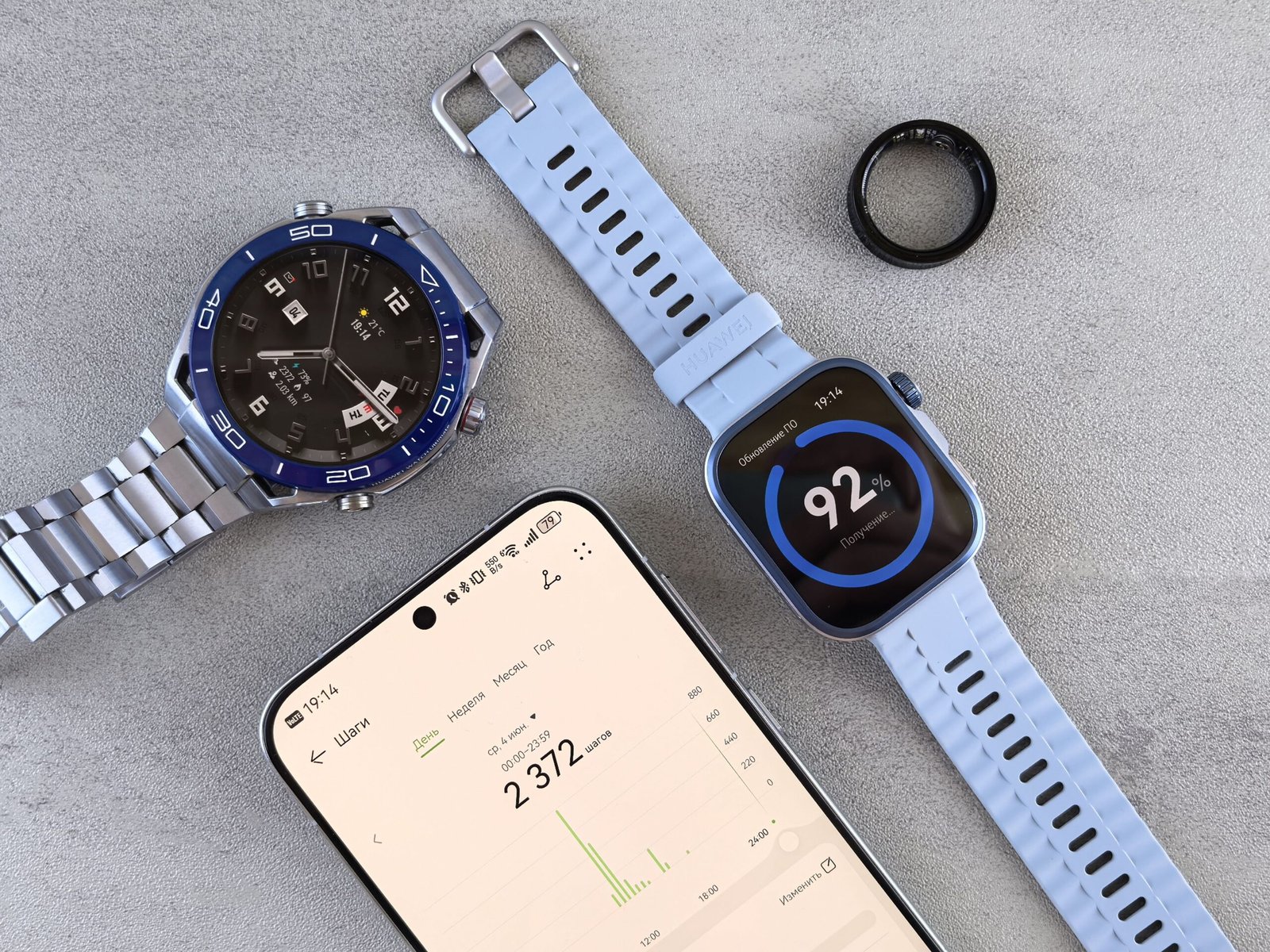
A decade ago, a wristwatch told you the time and little else. Today, however, the device on your wrist can estimate your heart rate, record an electrocardiogram, measure blood oxygen, and score your night’s sleep. As a result, smartwatches have moved from novelty gadgets to everyday health tools used by hundreds of millions of people. But how do these small devices collect so much information, and how far can you trust it? This article explains the technology behind the numbers, what it does well, and where it falls short.
The Sensors Behind the Screen
A smartwatch is essentially a small computer packed with sensors. Each sensor measures a different physical signal, and then software combines them into the health metrics you see in an app.
Optical Heart Rate Sensor (PPG)
The green light flashing against your skin is the core of most heart rate tracking. This technique is called photoplethysmography. First, light shines into the tissue of your wrist. Next, a photodiode measures how much of that light bounces back. Because blood absorbs green light, the reflected amount rises and falls with each heartbeat. Finally, the watch counts these pulses to calculate beats per minute. In addition, many watches use red and infrared LEDs for blood oxygen estimates.
Motion Sensors
The accelerometer measures acceleration, while the gyroscope measures rotation. Together, they count steps, recognize arm swings, and distinguish running from cycling. Moreover, they can estimate swimming strokes and identify a hard fall. During sleep, they also detect movement, which feeds sleep-stage estimates.
GPS and Altimeter
Built-in satellite receivers record your route, pace, and distance outdoors without needing a phone. Similarly, a barometric altimeter measures air pressure to calculate elevation gain. Therefore, hikers and stair climbers get more complete data.
Electrical and Temperature Sensors
Some watches include electrodes for an ECG function. When you touch the crown with the opposite hand, you complete a circuit across your chest, and the watch records your heart’s electrical activity. This method differs from PPG and is better suited to detecting rhythm irregularities. Meanwhile, newer models also measure skin temperature overnight to track deviations from your personal baseline.
From Raw Signals to Health Metrics
Raw sensor data is noisy. Arm movement, tight straps, sweat, and tattoos can all disrupt optical readings. Consequently, much of a watch’s value comes from the algorithms that filter and interpret the signal.
Heart Rate and Heart Rate Variability
Continuous heart rate is measured throughout the day, and resting heart rate is usually calculated during quiet moments or sleep. Heart rate variability, the tiny variation in time between beats, is typically measured at rest. In general, higher variability suggests a relaxed nervous system. However, unusually low values can accompany stress, illness, or overtraining, so interpretation is individual.
Calories and VO2 Max
Watches estimate energy expenditure by combining heart rate, movement, age, weight, height, and sex. Still, these figures are estimates rather than measurements. VO2 max, the maximum rate at which your body uses oxygen, is a well-known marker of cardiovascular fitness. Watches estimate it from your pace and heart rate during outdoor runs or walks. Although the result is not identical to a lab test, it is useful for tracking your own trends.
Blood Oxygen and Sleep
Using red and infrared light, a watch estimates the percentage of haemoglobin carrying oxygen. Nevertheless, wrist readings are affected by movement and fit, so they are indicative rather than diagnostic. Likewise, sleep tracking combines movement, heart rate, and sometimes temperature to estimate when you slept and woke. Total sleep time is reasonably reliable. In contrast, the breakdown into light, deep, and REM sleep is far less precise than a clinical sleep study.
Stress and Recovery Scores
Many brands provide a daily readiness or recovery score. These combine heart rate variability, resting heart rate, sleep, and training load into one number. Because the calculations are proprietary, the same day may look different on different brands. Therefore, the real value lies in comparing yourself with your own normal.
Health Features Beyond Fitness
Modern smartwatches increasingly aim at health monitoring rather than pure exercise tracking.
- Irregular rhythm notifications: By analysing pulse patterns, some watches can flag possible signs of atrial fibrillation. Afterwards, the ECG can record a rhythm strip for a doctor to review. These features screen for patterns; they do not diagnose conditions.
- High and low heart rate alerts: The watch can notify you if your heart rate stays unusually high or low while you are inactive.
- Fall detection: Motion sensors can recognise a hard fall and contact emergency services if you do not respond. As a result, this is valuable for older adults and solo exercisers.
- Cycle tracking: Skin temperature trends support cycle awareness. However, they are not a reliable form of contraception.
- Sleep disturbance signals: Some devices flag patterns that may suggest disrupted breathing, prompting a conversation with a doctor.
How Accurate Are Smartwatches?
Accuracy depends on the metric and the activity. First, step counts and resting heart rate are generally quite good. Second, during steady activity such as jogging, optical heart rate is usually close to a chest strap. On the other hand, during intervals or weightlifting, wrist sensors can lag or misread. For that reason, a chest strap is better for precise training.
Calorie burn is the least accurate common metric, and errors can be substantial. Sleep stages, stress scores, and blood oxygen fall in the middle.
Several factors affect results. Fit matters most, so wear the band snugly, about a finger-width above the wrist bone. In addition, skin tone, tattoos, and cold weather can weaken the optical signal. Overall, newer sensors and algorithms keep improving, but no consumer watch is a medical-grade instrument.
Benefits of Wearing One
The strongest argument for wearables is behavioural. For example, step goals, activity rings, and reminders to stand up encourage movement. Furthermore, many users find that a visible streak keeps them exercising consistently.
Watches also support smarter training. Heart rate zones help runners avoid going too hard on easy days, and recovery metrics can signal when to rest. Meanwhile, long-term data provides context. A resting heart rate that creeps up for several days, together with poorer sleep, can be an early sign of illness or stress. Consequently, you can notice changes you might otherwise miss and share concrete data with a healthcare professional.
Limitations and Risks
Wearables have real drawbacks, so it helps to know them.
First, readings can create false reassurance or false alarms. Some users become anxious about minor fluctuations. In sleep tracking, this is sometimes called “orthosomnia,” where chasing a perfect score itself disrupts sleep.
Second, privacy deserves attention. Heart rate, location, sleep, and cycle data are deeply personal. Therefore, review privacy settings and choose services with clear policies.
Third, battery life varies widely. Always-on GPS and bright displays drain power, and a daily charge can leave gaps in sleep data. Finally, premium watches are expensive, although simpler bands offer the essentials at lower prices.
Choosing the Right Device
The best watch depends on your goals.
- General wellness: A mainstream smartwatch combines notifications, payments, and solid health features.
- Serious training: Sports watches usually offer better GPS, longer battery life, and more detailed training metrics.
- Simplicity and sleep: A slim band or smart ring is comfortable for 24-hour wear.
- Compatibility: Check that the watch works with your phone and preferred apps.
Above all, compare battery life, comfort, and the quality of the companion app, since the app matters as much as the hardware.
Getting the Most from Your Wearable
- Wear it correctly. A snug, clean band improves readings.
- Focus on trends. Weekly patterns are more meaningful than one day’s score.
- Pair a chest strap when interval accuracy matters.
- Update your profile. Age, weight, and height affect calorie and fitness estimates.
- Trust your body. If you feel tired but the app says you are recovered, listen to yourself.
- See a professional if an alert worries you.
The Future of Wearable Health
The technology is advancing quickly. For instance, researchers are working on less invasive tracking of blood pressure trends, hydration, and blood glucose, although reliable consumer versions are still developing. Meanwhile, better sensors and on-device machine learning should make readings more accurate and personal. In addition, integrating wearable data with medical records could help doctors review long-term trends. Ultimately, regulation, privacy protection, and clinical validation will decide how much of this potential is realised.
Conclusion
Smartwatches track your health by combining light-based heart sensors, motion detectors, electrical sensors, GPS, and sophisticated software. They are excellent at motivating activity and revealing patterns over time. However, they are not full medical devices, so treat their numbers as informed estimates. Used thoughtfully, a wearable can be a valuable partner in building healthier habits. After all, the best device is the one you will actually wear.
Frequently Asked Questions (FAQs)
1. How do smartwatches measure heart rate?
Most use green LED lights and a light sensor, a method called photoplethysmography. Because blood absorbs light, the sensor detects small changes with each heartbeat and converts them into beats per minute.
2. Are smartwatch health readings accurate enough to trust?
It depends on the metric. Step counts and resting heart rate are generally reliable, whereas calorie estimates and sleep stages are rougher. Therefore, use them to follow trends rather than as exact medical figures.
3. Can a smartwatch detect medical conditions?
Some watches can flag possible signs of an irregular heart rhythm or unusual heart rate. Nevertheless, these alerts are screening aids, not diagnoses, so consult a doctor if you receive one.
4. Does skin tone or a tattoo affect the sensor?
Yes, it can. Darker skin, tattoos, and cold weather may weaken the optical signal. Even so, a snug fit and newer sensor designs help reduce the problem.
5. How can I get the most accurate readings?
Wear the band snugly above the wrist bone, keep the sensor clean, and update your personal profile. In addition, use a chest strap for high-intensity workouts, since it is more precise than a wrist sensor.