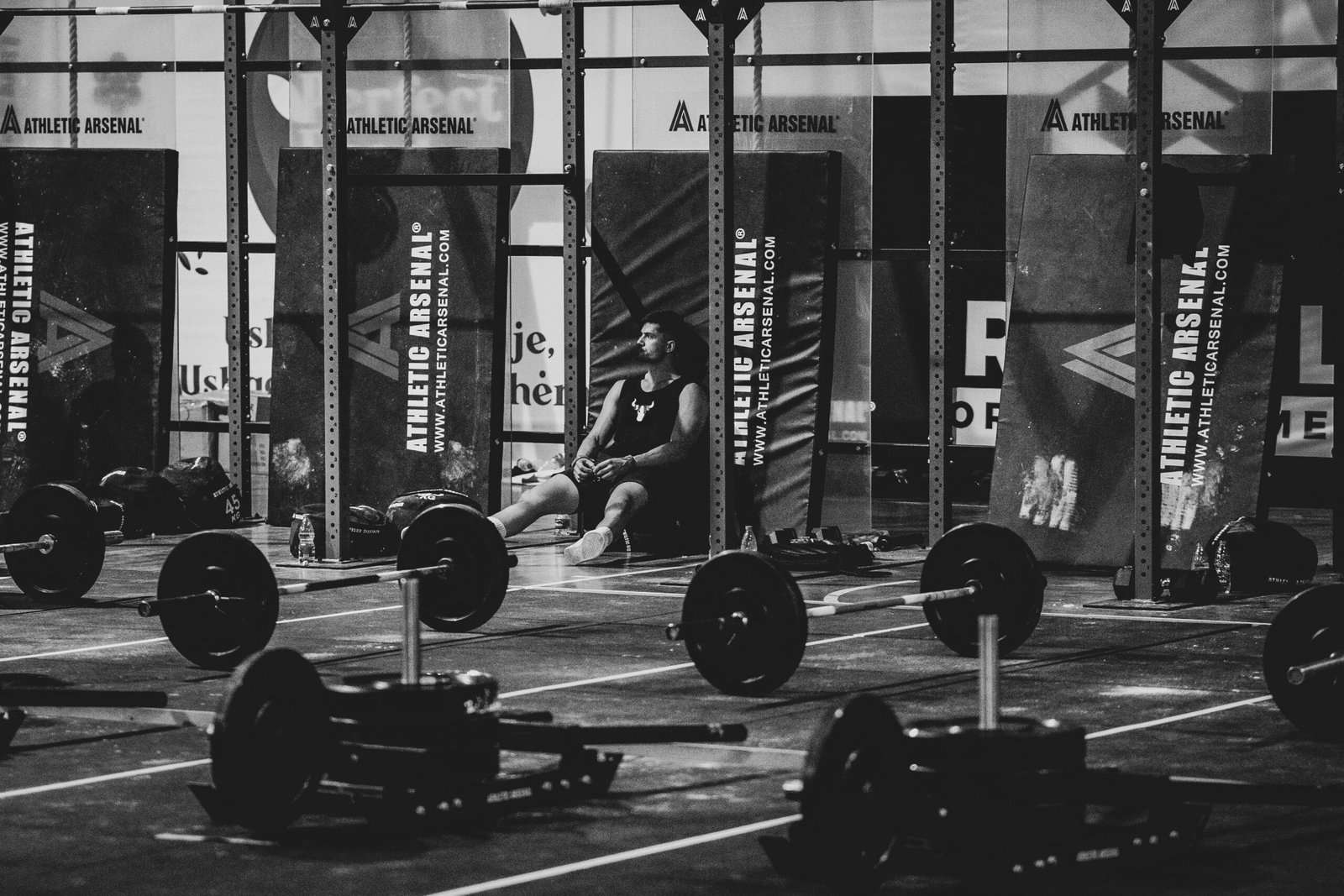
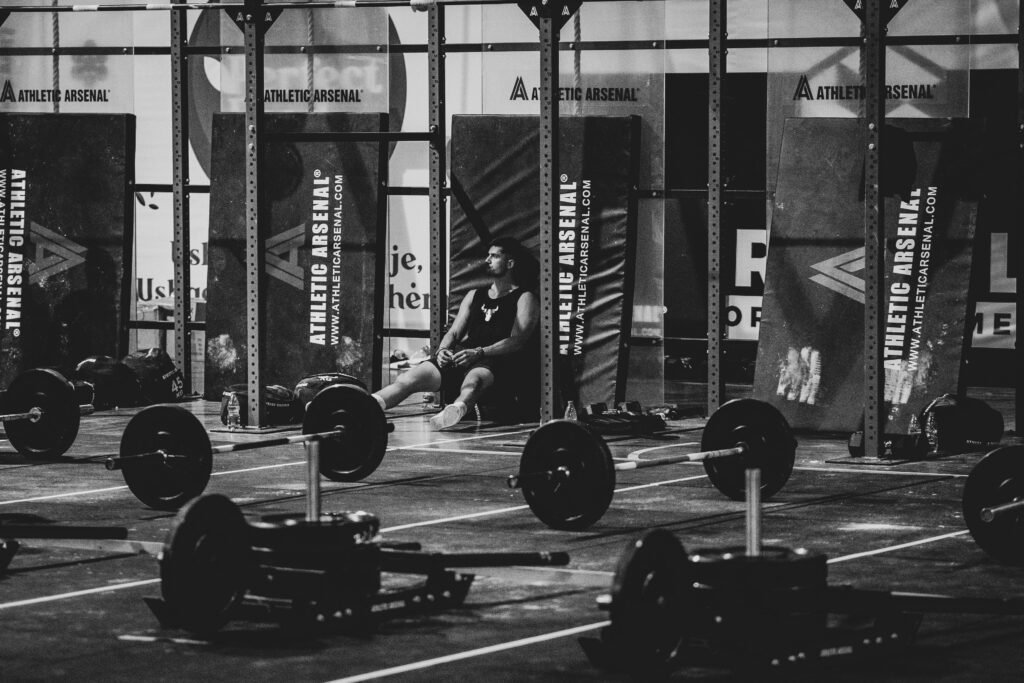
Active recovery and quality sleep help the body handle training stress and rebuild stronger. A post-workout active recovery protocol can reduce stiffness and keep you moving between hard sessions. Good sleep hygiene for muscle growth also supports physical repair, energy, and training readiness. Athletes often track heart rate variability to understand recovery demands. Learning how to lower HRV stress after workouts can help people adjust training intensity and recovery habits. Modern recovery tools for athletes can also support mobility, relaxation, and sleep. Together, these strategies create a practical recovery system. They help athletes train consistently without treating recovery as an afterthought.
What Active Muscle Recovery Means
Active recovery uses gentle movement after demanding exercise. It keeps the body moving without adding major training stress. Walking, easy cycling, light swimming, and gentle mobility work can all support recovery.
The goal differs from another hard workout. Recovery sessions should feel comfortable and controlled. They can help maintain movement while the body returns to normal.
Active recovery also gives athletes a mental break from intense training. It can reduce the urge to remain completely inactive after every challenging session.
Why Sleep Matters for Muscle Growth
Sleep plays a major role in physical recovery. During sleep, the body supports tissue repair and restores energy. Good sleep also helps regulate hormones linked with appetite, stress, and recovery.
Athletes need consistent sleep habits, not occasional long nights. A regular bedtime can help the body follow a stable sleep rhythm.
Good sleep hygiene for muscle growth starts with a calm evening routine. Keep the bedroom dark, quiet, and comfortable. Limit bright screens before bed when possible. Avoid heavy meals close to bedtime if they disturb sleep.
Building a Post-Workout Recovery Protocol
A post-workout active recovery protocol should match the workout that came before it. After heavy strength training, easy walking and mobility may work well. After intense running, gentle cycling may provide a useful change of movement.
Start with several minutes of easy movement. Keep the intensity low enough to maintain comfortable breathing. Follow movement with hydration and a balanced meal.
Recovery also depends on the next training session. A demanding program needs more recovery than casual exercise. Athletes should therefore adjust their routine according to workload and personal response.
Understanding HRV and Training Stress
Heart rate variability, or HRV, measures changes in the timing between heartbeats. Many athletes use it as one recovery signal. Lower readings can sometimes appear during periods of stress, poor sleep, illness, or heavy training.
One reading does not tell the whole story. Daily HRV naturally changes. Athletes should watch trends alongside sleep quality, mood, energy, and training performance.
If you wonder how to lower HRV stress after workouts, start with recovery basics. Reduce unnecessary training intensity, sleep consistently, eat enough, and use gentle movement. Breathing exercises can also support relaxation after demanding sessions.
Recovery Tools for Modern Athletes
Technology has expanded the recovery options available to athletes. Massage guns, foam rollers, compression devices, sleep trackers, and mobility tools now appear in many training environments.
Recovery tools for athletes can support comfort and relaxation. However, they cannot replace sleep, nutrition, sensible training, or rest.
Foam rolling may help temporary muscle discomfort and improve movement before activity. Massage devices can also provide short-term relief. Athletes should use these tools carefully and avoid aggressive pressure on painful areas.
Sleep trackers can provide useful patterns. They can show changes in sleep duration and consistency. Still, athletes should not become overly focused on daily scores.
Common Recovery Mistakes
One common mistake involves turning recovery into another workout. Athletes sometimes move too quickly or add unnecessary intensity. That approach can increase fatigue instead of reducing it.
Another mistake involves ignoring sleep while focusing heavily on equipment. Expensive recovery products cannot compensate for regular sleep loss.
Athletes also make mistakes by chasing perfect recovery numbers. HRV and wearable scores provide useful information, but they do not define readiness alone.
A better approach uses several signals. Consider energy, soreness, sleep, motivation, performance, and recent training load together. This creates a more realistic picture of recovery.
Applying Recovery Strategies Today
Start with simple habits before adding advanced tools. Schedule easy movement after demanding sessions. Maintain regular sleep and wake times. Give hard-working muscle groups enough time between intense sessions.
Keep recovery practical and sustainable. A short walk may provide more value than an elaborate routine you rarely follow.
Athletes can then add tools that solve specific problems. A foam roller may help mobility work. A sleep tracker may reveal inconsistent bedtimes. A massage device may support comfort after training.
Recovery works best when it becomes part of normal training. It should not appear only after soreness becomes severe.
The strongest recovery strategy combines movement, sleep, nutrition, stress control, and sensible training. Active recovery keeps the body moving, while quality sleep supports deeper physical restoration. Athletes can also use HRV trends and recovery tools to understand their needs. However, simple habits should remain the foundation. Consistent sleep, appropriate training loads, hydration, and easy movement often provide the greatest benefits. When athletes treat recovery as part of performance rather than lost training time, they can build more sustainable routines and return to demanding sessions with greater readiness.
Frequently Asked Questions
What is active muscle recovery?
Active muscle recovery involves low-intensity movement after demanding exercise. Walking, easy cycling, swimming, and gentle mobility can support movement without creating significant additional training stress or fatigue.
How does sleep support muscle growth?
Sleep gives the body time to repair tissues and restore energy. Consistent, high-quality sleep also supports normal hormone function, appetite control, mood, and training performance.
Can exercise affect HRV?
Yes, demanding exercise can temporarily change HRV. Training load, sleep, stress, hydration, and other factors also influence readings. Athletes should focus on longer-term patterns instead of one measurement.
What are useful recovery tools for athletes?
Useful recovery tools include foam rollers, massage devices, compression equipment, and sleep trackers. These products can support comfort or monitoring, but they cannot replace sleep, nutrition, and appropriate training.
How long should active recovery last?
Active recovery often lasts around 15 to 30 minutes. The exact duration depends on training intensity and individual fitness. Keep the effort easy and stop if movement increases pain or fatigue.