Common Fitness Mistakes & How to Avoid Them
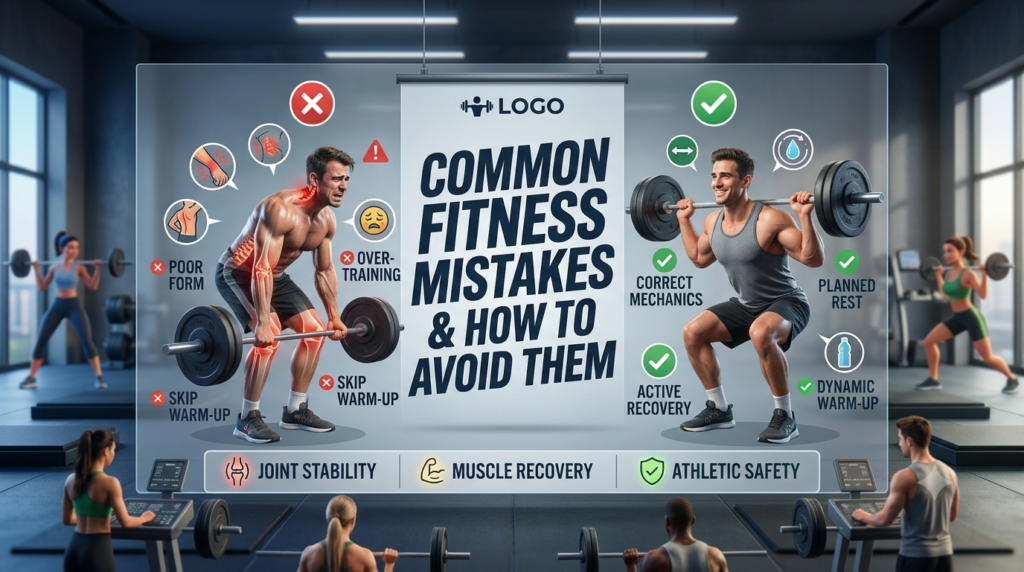
Whether you are training for a marathon or lifting weights to improve daily movement, proper execution is the baseline of long-term success. Pushing your body to its limits is essential for progress, but doing so without structural awareness often leads to setbacks. Understanding common fitness mistakes & how to avoid them is crucial for optimizing your athletic conditioning, protecting your joints, and ensuring continuous physical development without structural breakdown.
As a certified athletic trainer, I see dedicated athletes side-lined daily by simple, preventable errors. Let’s fix these fundamental flaws so you can build sustainable strength safely.
Key Precautionary Measures & Fitness Fundamentals
Sustainable gains rely on a strong foundation of safety and physiological awareness. Skipping foundational mechanics compromises movement efficiency and exponentially increases injury risks.
- Prioritize Form Over Load: Moving heavy resistance with compromised mechanics places excessive shear force on ligaments. Always master unweighted kinetic patterns before adding external resistance.
- Respect Biomechanical Limits: Every joint possesses a specific range of motion. Work within your current mobility thresholds to maintain joint stability and avoid strain.
- Manage Progressive Overload Realistically: Increase volume, intensity, or resistance by no more than 10% per week to give connective tissues time to adapt.
Proper Warm-up, Cool-down, & Injury Prevention Strategies
Skipping preparatory and recovery phases is one of the fastest routes to the clinic. Your nervous system and musculoskeletal tissue require dedicated transition periods before and after intense physical output.
Dynamic Warm-up Protocols
Static stretching before a workout decreases explosive muscle output. Instead, spend 8 to 10 minutes performing dynamic movements like leg swings, torso rotations, and bodyweight squats. This elevates core body temperature, increases blood flow, and preps the central nervous system.
Active Recovery & Cool-down
Never stop abruptly after high-intensity training. Dedicate 5 to 10 minutes to light aerobic movement followed by targeted static stretching and foam rolling. This process accelerates muscle recovery, flushes metabolic waste, and preserves long-term tissue elasticity.

Common Fitness Mistakes & How to Avoid Them
Even seasoned lifters fall into repetitive, counterproductive habits. Identifying these pitfalls early saves months of wasted effort and painful rehab.
1. Falling into the Overtraining Trap
More is not always better. Chronically exceeding your body’s recovery capacity triggers overtraining syndrome, leading to persistent fatigue, hormonal imbalance, and elevated injury rates.
- The Fix: Schedule mandatory rest days and incorporate cross-training to reduce repetitive stress on specific muscle groups.
2. Neglecting Nutrition and Hydration
You cannot out-train a poor recovery protocol. Training hard without adequate protein, complex carbohydrates, and essential electrolytes prevents proper muscular repair.
- The Fix: Consume a balance of carbohydrates and protein within 60 minutes post-workout to jumpstart glycogen replenishment and muscle tissue repair.
3. Ignoring Warning Signs of Pain
Distinguishing between normal muscle soreness and acute structural joint pain is critical for physical longevity. Working through sharp, localized pain quickly transforms minor inflammation into chronic injuries.
- The Fix: Stop immediately if you feel sharp or asymmetrical pain. Regulate intensity and consult a certified specialist if discomfort persists.
Practical Implementation / Daily Guidelines
Consistency requires an actionable strategy. Use this simple daily checklist to keep your athletic safety and performance on track:
- Hydrate Early: Consume 16–20 ounces of water upon waking to prepare your cardiovascular system for training.
- Execute the 10-Minute Prep: Complete a structured dynamic warm-up before touching a single weight or starting a run.
- Log Your Metrics: Track your sets, reps, and subjective ratings of perceived exertion (RPE) to monitor fatigue objectively.
- Prioritize Sleep: Target 7–9 hours of quality sleep nightly, as this is when growth hormone peak release occurs for optimal cellular repair.
Building elite fitness is a marathon, not a sprint. By prioritizing proper form, respecting recovery timelines, and avoiding classic training traps, you safeguard your body while maximizing continuous gains. Focus on movement quality today, and your future athletic self will thank you. Ready to transform your routine? Audit your training log, fix those mechanical errors, and step onto the field or gym floor with complete confidence!

Frequently Asked Questions (FAQs)
What is the most common mistake beginners make in the gym?
Lifting weights that are too heavy with poor form is the most common error. Beginners should prioritize mastering foundational movement mechanics and building joint stability before progressively adding heavy resistance to their workouts.
How do I know if I am overtraining?
Persistent fatigue, decreased performance, elevated resting heart rate, poor sleep, and constant muscle soreness are primary signs of overtraining syndrome. If you experience these, implement immediate rest and active recovery days.
Should I do static stretching before or after my workout?
Perform static stretching strictly after your workout during the cool-down phase. Pre-workout routines should feature dynamic exercises to elevate heart rate and prepare muscles for action without dampening power output.
How often should I take rest days?
Most athletes require 1 to 3 dedicated rest or active recovery days per week. Rest frequency depends on your training intensity, age, and overall stress levels, ensuring optimal muscle recovery and injury prevention.
Why is cross-training important for long-term health?
Cross-training engages different muscle groups, balances kinetic patterns, and reduces repetitive strain on primary joints. It helps build overall stamina and athleticism while significantly lowering the risk of overuse injuries.
