10 Critical Precautionary Measures Every Player Should Take Before Training
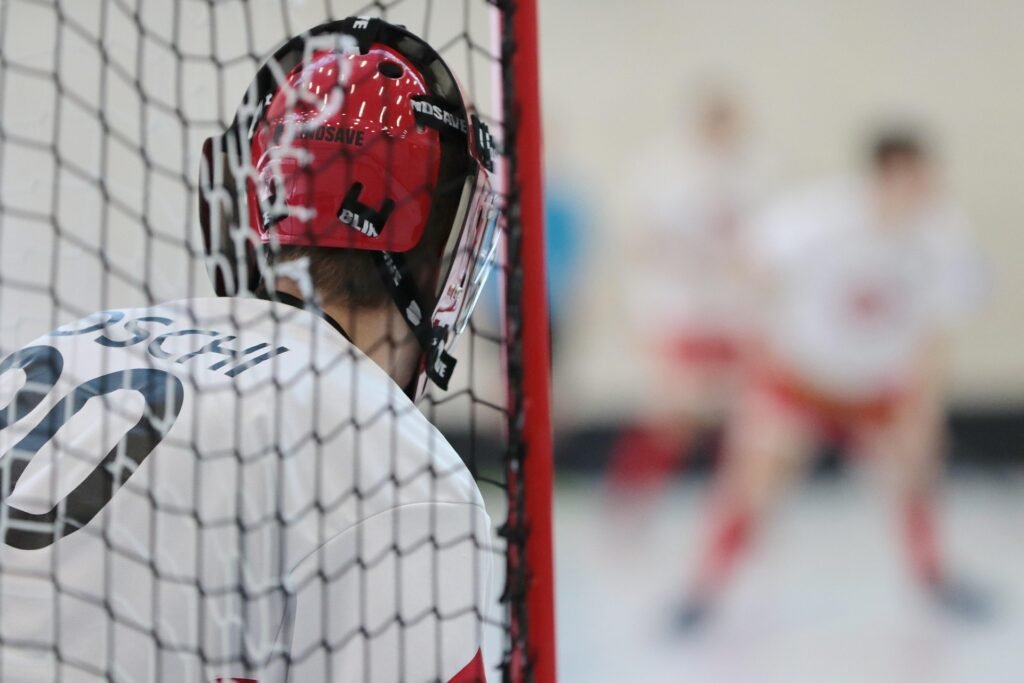
Whether you are stepping onto the pitch for competitive play or hitting the gym for high-intensity conditioning, preparation determines your performance limit. Skipping pre-session prep compromises movement efficiency and exposes your body to severe structural damage. Adopting 10 critical precautionary measures before training is essential for optimizing your athletic conditioning, protecting your joints, and ensuring peak daily output without unexpected injury setbacks.
As a certified athletic trainer with 15+ years on the sidelines, I see talented players sidelined constantly by simple, avoidable preparation failures. Let’s break down the exact pre-training protocol needed to safeguard your body.
Key Precautionary Measures & Fitness Fundamentals
Sustainable athletic development relies on an uncompromising foundation of safety and physiological awareness. Before increasing load or speed, athletes must systematically run through foundational safety measures to guarantee physical longevity.
1. Conduct a Daily Biomechanical Self-Assessment
Check for localized muscle tightness, joint stiffness, or lingering soreness before putting on your gear. Identifying restricted ranges of motion early allows you to modify training intensity and preserve joint stability.
2. Optimize Baseline Pre-Hydration
Fluid deficits directly reduce muscle elasticity and cardiac output. Consume 16–20 ounces of water with key electrolytes roughly 2 hours before your workout to maintain tissue viscosity and cellular balance.
3. Fuel with Strategic Pre-Workout Nutrition
Never train on an empty tank during high-output sessions. Eat a light meal containing easily digestible carbohydrates and moderate protein 60 to 90 minutes prior to boost glycogen availability.
4. Inspect Gear and Protective Equipment
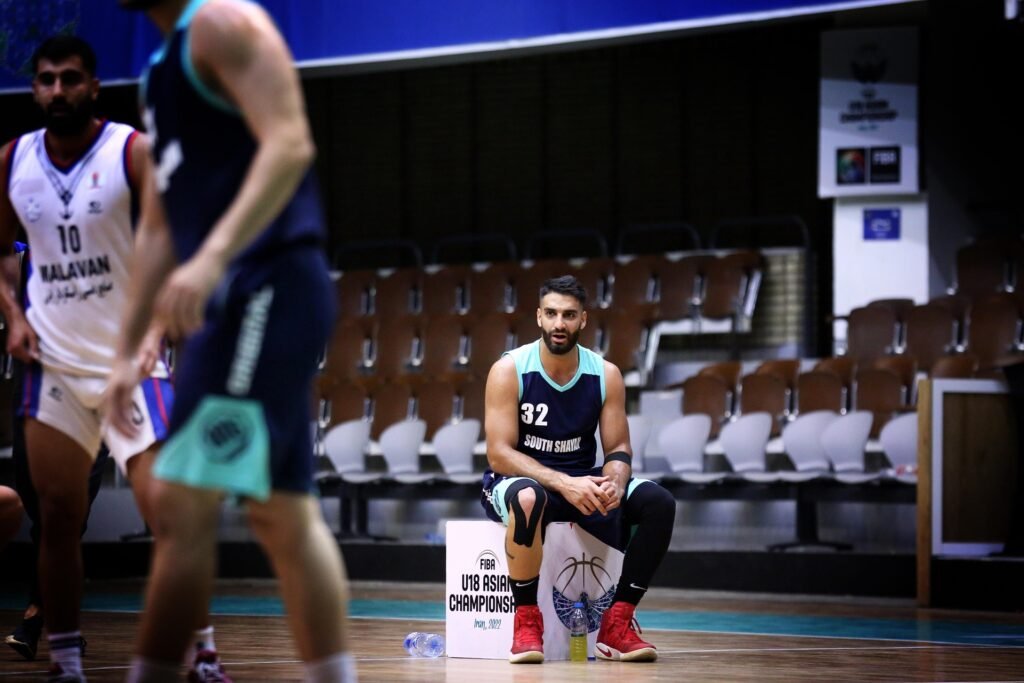
Ensure your footwear, braces, and protective padding match your specific playing surface and fit correctly. Worn-out shoe treads or loose ankle supports significantly elevate lower-limb injury risks.
Proper Warm-up, Cool-down, & Injury Prevention Strategies
Your nervous system and musculoskeletal tissue require a structured transition before handling explosive physical demands. Skipping this phase invites acute strains and long-term fatigue.
5. Execute a Multi-Stage Dynamic Warm-up Routine
Ditch static stretching before workout sessions. Instead, dedicate 10–12 minutes to progressive dynamic drills like high knees, leg swings, multi-directional lunges, and medicine ball rotations to elevate core body temperature.
6. Activate Target Stabilizer Muscle Groups
Spend 5 minutes isolating key stabilizers—such as the gluteus medius, rotator cuff, and deep core—using light resistance bands. This primes proper firing patterns for athletic safety during compound movements.
7. Post-Session Cool-down & Active Recovery
Never step straight off the field into a chair. Allocate 8–10 minutes post-training to low-intensity jogging followed by foam rolling and static stretching to promote rapid muscle recovery and flush metabolic waste.
Common Fitness Mistakes & How to Avoid Them
Even elite athletes fall into habitual training traps. Correcting these mechanical and mental errors early preserves performance consistency.
8. Pushing Through Sharp Pain Signs
Distinguishing between systemic fatigue and acute joint pain is vital. Ignoring sharp, asymmetrical pain transforms minor micro-tears into chronic inflammation or structural tears.
- The Fix: Stop the movement immediately upon feeling sharp pain, lower the intensity, and seek assessment from a certified athletic trainer.
9. Mismanaging Session Intensity
Going all-out every single day leads directly to overtraining syndrome, causing persistent nervous system fatigue, elevated heart rate, and plateaued progress.
- The Fix: Use periodized programming that alternates high-load days with lower-intensity sessions or low-impact cross-training for balanced stamina building.
Practical Implementation / Daily Guidelines
Consistency requires a clear, repeatable checklist. Follow this action-oriented daily routine before every single training session:
10. Follow the “Rule of 15” Pre-Training Protocol
Arrive 15 minutes before team practice or gym workouts to execute your personal prep without rushing.
- Minutes 0–5: Hydrate, assess joint movement, and apply appropriate gear or taping.
- Minutes 5–10: Complete band-based muscle activation and mobility drills.
- Minutes 10–15: Perform sport-specific dynamic movements at increasing velocity.

Peak performance is built on deliberate preparation, not luck. By implementing these 10 critical precautions every time you train, you build a resilient body capable of handling high-stress output season after season. Respect your warm-up, fuel intelligently, and listen to your body’s feedback. Ready to elevate your game? Audit your current pre-session habits, apply this 10-step safety framework today, and take the field with total confidence!
Frequently Asked Questions (FAQs)
Why should I avoid static stretching before training?
Static stretching before dynamic activity relaxes muscle spindles, temporarily reducing explosive force and power production. Use dynamic warm-up protocols pre-workout to prime your nervous system, saving static stretches for your post-workout cool-down.
How much water should an athlete drink prior to practice?
Drink approximately 16 to 20 ounces of water 2 hours before training. Follow this with an additional 8 to 10 ounces 20 minutes prior to ensure optimal hydration, supporting athletic safety and muscle tissue elasticity.
What are the earliest signs of overtraining syndrome?
Early warning signs include persistent muscle soreness, unexplained performance drops, chronic fatigue, elevated resting heart rate, and disrupted sleep. Address these symptoms early with active recovery, adequate nutrition, and strategic rest days.
How does cross-training prevent sports injuries?
Cross-training stress-relieves primary muscle groups by engaging complementary movement patterns. It balances kinetic chains, builds overall stamina building, and prevents overuse injuries caused by repetitive, single-sport movements.
When should an athlete replace their training footwear?
Replace athletic footwear every 300 to 500 miles or every 4 to 6 months of intense training. Worn midsoles lose shock absorption and structural support, compromising joint stability and ankle alignment.
