Essential Fitness Precautions, Sports Injury Prevention, Athletic Performance
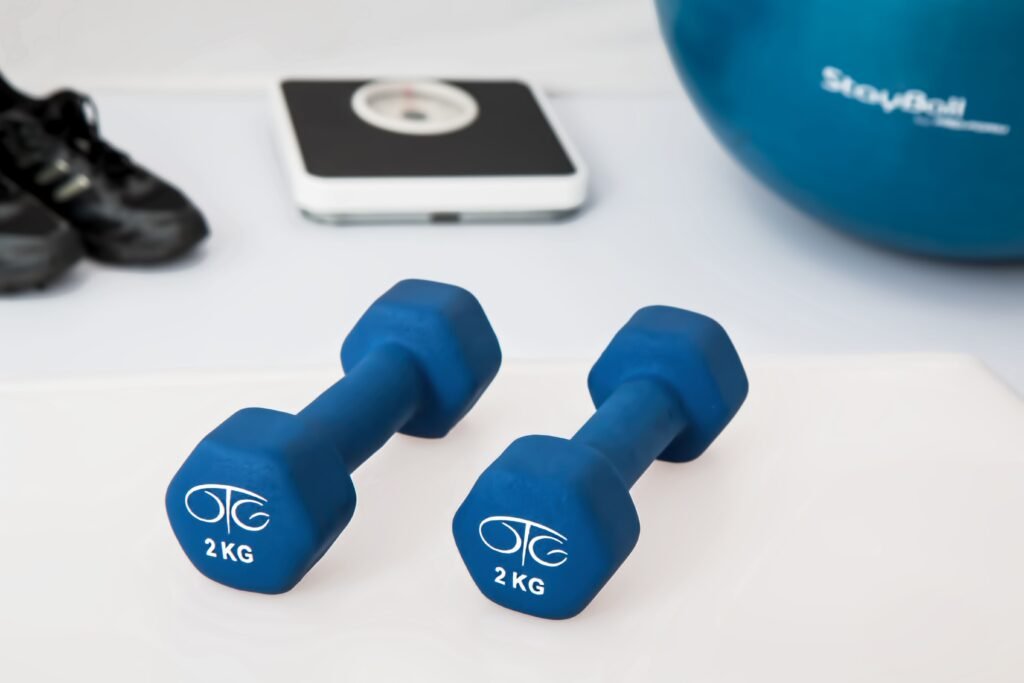
Athletic success is not built on talent alone. It depends on smart training, proper recovery, and consistent injury prevention habits. Whether you are a professional athlete, a recreational sports player, or a fitness enthusiast, following essential fitness precautions can help improve athletic performance while reducing the risk of injuries. Ignoring basic safety practices often leads to muscle strains, joint pain, fatigue, and long recovery periods. By adopting evidence-based fitness habits, you can train more effectively, stay healthier, and enjoy long-term success in your chosen sport.
Key Fitness Precautions for Every Athlete
Building a strong fitness foundation is the first step toward injury-free training. Increase your workout intensity gradually instead of pushing your body too hard too soon. Following the 10% rule—raising your training volume by no more than 10% each week—helps your muscles and joints adapt safely. Strength training, core exercises, mobility drills, and balance workouts also improve stability and movement efficiency, lowering the chances of injury.
Nutrition and hydration are equally important. Drink water before, during, and after exercise to maintain performance and prevent dehydration. Include lean protein for muscle recovery, complex carbohydrates for lasting energy, and healthy fats with antioxidant-rich foods to reduce inflammation and support tissue repair.

Warm-Up and Recovery Strategies
A dynamic warm-up prepares your body for exercise by increasing blood flow, activating muscles, and improving flexibility. Spend 10–15 minutes performing light jogging, high knees, walking lunges, arm circles, and leg swings before every workout or competition. These simple movements enhance performance while supporting sports injury prevention.
Recovery is just as important as preparation. After training, cool down with light walking, static stretching, controlled breathing, and foam rolling. These recovery techniques reduce muscle soreness, improve flexibility, and help your body recover faster. If you experience sharp pain, swelling, dizziness, or unusual fatigue, stop exercising immediately and seek professional advice before returning to training.
Common Mistakes That Increase Injury Risk
Many athletes unknowingly increase their injury risk by skipping recovery days, using poor exercise technique, or repeating the same workouts every day. Schedule at least one full rest day each week and aim for seven to nine hours of quality sleep to allow your body to repair and grow stronger.
Cross-training activities such as swimming, cycling, rowing, or yoga strengthen different muscle groups while reducing repetitive stress. Always wear properly fitted sports shoes and protective equipment, and replace worn-out gear before it affects your safety or performance.

Daily Fitness Safety Checklist
To maintain long-term health and peak performance, follow these daily habits:
- Warm up for 10–15 minutes before training.
- Stay hydrated throughout every workout.
- Eat balanced meals that support recovery.
- Focus on correct exercise technique.
- Include flexibility and mobility exercises.
- Schedule regular recovery days.
- Sleep 7–9 hours every night.
- Listen to your body and avoid training through pain.
Following these simple precautions consistently will improve performance, reduce injuries, and help you enjoy a longer, healthier athletic career.
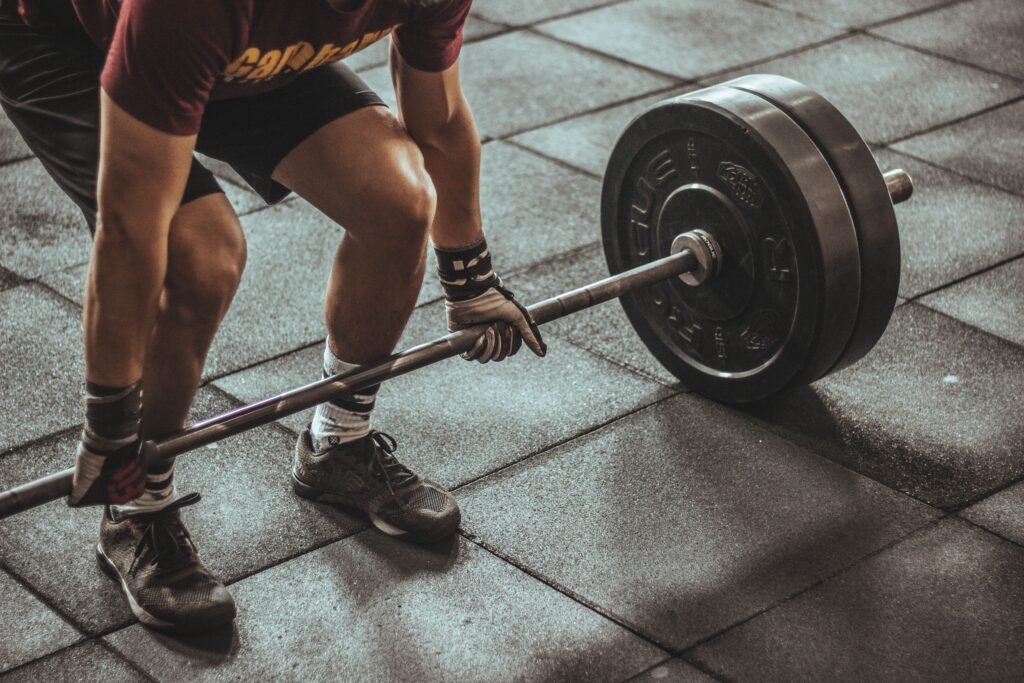
Frequently Asked Questions (FAQs)
1. Why are fitness precautions important for athletes?
Fitness precautions reduce injury risk, improve athletic performance, and support long-term physical health by promoting safe and effective training.
2. How long should a warm-up last?
A proper warm-up should last 10–15 minutes and include dynamic movements that prepare the body for exercise.
3. What are the best ways to prevent sports injuries?
Gradual training progression, proper warm-ups, balanced nutrition, adequate hydration, quality sleep, and regular recovery days are among the most effective sports injury prevention strategies.
4. How often should athletes include recovery days?
Most athletes should schedule at least one complete recovery day each week, along with active recovery sessions when needed.
5. Can cross-training improve athletic performance?
Yes. Cross-training builds balanced strength, improves cardiovascular fitness, reduces repetitive stress injuries, and enhances overall athletic performance.
