
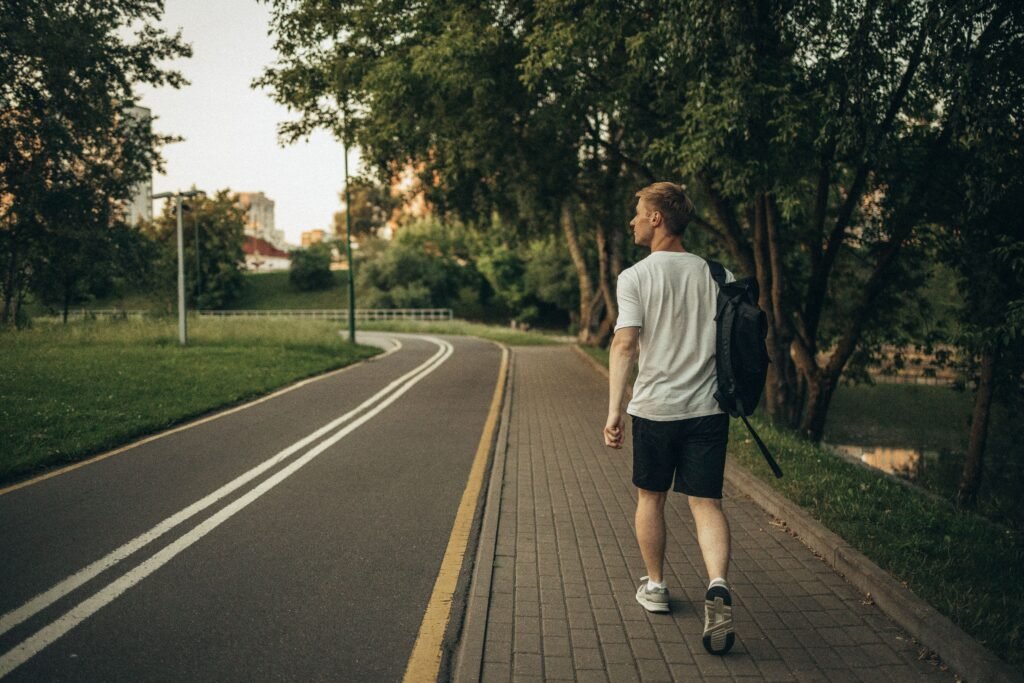
Walking for fitness is one of the simplest ways to stay active, yet it has a much deeper place in sport than many people realize. Regular walking can improve endurance, support heart health, and build a stronger base for other activities. Fitness walking also requires little equipment, making it accessible to people of different ages and abilities. At the competitive level, race walking turns the basic movement into a highly technical sport governed by strict rules. Athletes compete over demanding distances while maintaining a specific walking technique. From everyday exercise to Olympic competition, walking has developed into a global activity with both recreational and sporting value.
What Is Walking for Fitness?
Walking for fitness means using regular walking sessions as a form of physical activity. Unlike casual walking, the pace is often faster, and the session usually has a clear purpose. Some people walk for endurance, while others use it as part of a wider fitness routine.
The activity can take place almost anywhere. Parks, roads, tracks, and treadmills are common choices. A brisk pace can raise the heart rate without creating the same impact as running. As a result, walking is often used by people who want a practical way to stay active.
Fitness walking can also be adjusted easily. A beginner may start with shorter sessions, while an experienced walker can increase distance or pace. That flexibility has helped walking remain popular across different age groups.
The History Behind Competitive Walking
Walking has been part of organized competition for centuries. One of its best-known developments came during the nineteenth century, when long-distance walking contests became popular in Britain and other parts of Europe.
These events were sometimes called pedestrian races. Competitors covered long distances, and large crowds followed the contests. Some races lasted for many hours or even several days. The growing popularity of these events helped establish walking as an organized sporting discipline.
Over time, officials introduced clearer rules. The aim was to separate competitive walking from running and create a consistent standard for judging. By the twentieth century, race walking had become a recognized international sport.
How Race Walking Developed
Race walking is the competitive form of walking. It requires more than simply moving quickly on foot. Athletes must maintain a technique that follows specific competition rules.
Modern race walking developed through national and international competitions. Governing bodies gradually standardized distances, judging methods, and technical requirements. The sport later became part of major international championships and the Olympic program.
Today, elite race walkers can maintain very high speeds over long distances. Their technique may look unusual to new viewers because athletes use rapid hip movement and maintain contact with the ground.
The sport has also changed with improvements in training, footwear, and sports science. Athletes now prepare carefully for endurance, technique, and pacing. However, the basic idea remains the same: move quickly while staying within the rules of walking.
Rules and Competition Format
The main technical rule in race walking is continuous contact with the ground. In simple terms, an athlete must not appear to lose contact with the surface.
Another important rule concerns the leading leg. From the moment it first touches the ground until it passes underneath the body, the knee must remain straight. Judges watch these details throughout a race.
Officials are positioned around the course to monitor technique. If an athlete breaks the rules, judges can issue warnings or other penalties under the competition regulations. These decisions can have a major effect on the final result.
Race walking events have included several distances at different levels of competition. The Olympic program has featured the 20-kilometer race walk for many years. Longer events have also played an important role in international athletics, although the exact program can change between competitions.
Walking for Fitness Beyond Competitive Sport
For most people, walking for fitness has nothing to do with competition. It is simply a practical way to become more active. A regular brisk walk can build aerobic endurance and support an active lifestyle.
Walking is also easy to combine with other forms of exercise. Someone may walk on recovery days, use it as a warm-up activity, or include longer walks alongside strength training.
The social side matters too. Walking groups and organized community events have made the activity more enjoyable for many participants. Some people prefer walking with friends, while others use the time to explore local parks or outdoor routes.
Because walking does not require complicated equipment, it can fit into many daily routines. That accessibility remains one of its strongest qualities.
Major Athletes and Memorable Achievements
Race walking has produced many successful athletes from Europe, Asia, Latin America, and other parts of the world. Countries such as China, Spain, Italy, Poland, Japan, and Mexico have developed strong traditions in the event.
One of the most respected names in modern race walking is Poland’s Robert Korzeniowski. He won multiple Olympic and world titles and became one of the defining athletes of his generation. His success helped raise the profile of race walking internationally.
Other champions have continued that tradition. China’s Liu Hong became one of the leading women’s race walkers of her era, collecting major international titles and setting world-class performances.
The sport has also produced dramatic finishes and technical controversies. Because judges can penalize athletes late in a race, a strong position does not always guarantee victory. That element makes race walking particularly demanding to follow.
Why Walking Still Matters in Modern Sport
Walking remains important because it connects everyday fitness with elite competition. Millions of people walk for health and recreation, while a much smaller group trains specifically for race walking.
Fitness walking also fits modern lifestyles. People can walk during breaks, commute on foot, or schedule dedicated sessions without needing expensive facilities. For many, that simplicity makes it easier to stay consistent.
At the elite level, race walking continues to test endurance, technique, and mental control. International athletes train for years to maintain legal form at high speeds over demanding distances.
For readers interested in sports, walking is therefore worth viewing from two angles. It is both an accessible form of exercise and a technically demanding competitive discipline. The two sides share the same basic movement, but their goals and demands are very different.
Walking for fitness does not need to be complicated to be effective. A regular walk can provide a useful foundation for an active lifestyle, while competitive race walking shows how far the basic movement can be developed. From local walking groups to major athletics championships, walking continues to hold a unique place in the world of sport.
Frequently Asked Questions
Is walking a real sport?
Yes. Walking is both a recreational activity and a competitive sport. Race walking is governed by international rules and has been included in major athletics competitions. Athletes compete over long distances while maintaining strict walking technique.
What is the difference between fitness walking and race walking?
Fitness walking focuses mainly on staying active, improving endurance and supporting general fitness. Race walking is competitive and follows strict technical rules. Athletes must maintain ground contact and keep the leading knee straight during the required phase.
Can walking improve fitness?
Yes. Regular brisk walking can improve aerobic fitness and help people remain physically active. The intensity can be adjusted by changing pace, distance, or terrain. Walking can also complement other activities such as strength training.
How fast should I walk for fitness?
A fitness walk should feel purposeful and raise your breathing rate without making conversation impossible. The ideal pace varies between people. Beginners can start comfortably and gradually increase their speed as their fitness improves.
Is race walking difficult to learn?
Race walking can be challenging because its technique is more demanding than normal walking. Athletes must learn to maintain legal form at high speeds. Competitive walkers spend considerable time developing technique, endurance, pacing and control.