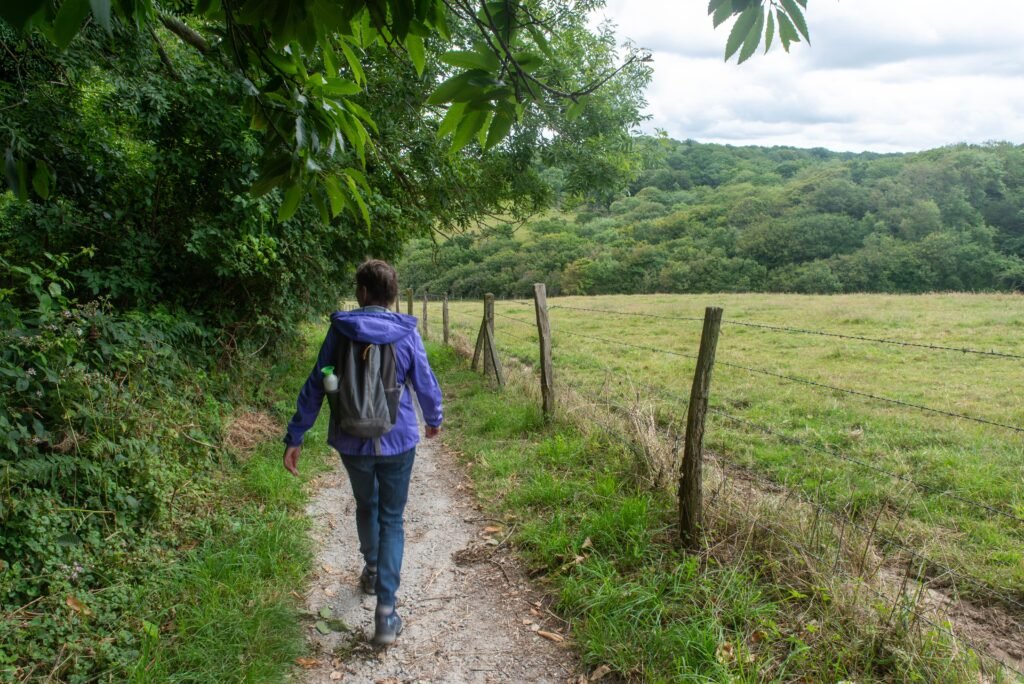

Walking every day is one of the simplest ways to increase physical activity without needing a gym, expensive equipment, or advanced training skills. Yet many people underestimate what regular walking can do for cardiovascular fitness, weight management, mobility, and mental well-being. The key is consistency rather than chasing a perfect step count. For adults, current WHO guidance recommends 150–300 minutes of moderate aerobic activity each week, with brisk walking being one practical way to reach that target. Walking also fits easily into daily routines. A short morning walk, lunch break, or evening stroll can gradually increase your overall activity.
The Science Behind Walking Every Day
Walking creates repeated, low-impact muscular activity that raises energy use and challenges the cardiovascular system. When you walk at a brisk pace, your heart rate increases and your breathing becomes faster. Over time, regular aerobic activity can improve cardiorespiratory fitness and help support healthy blood pressure and body weight.
Walking also uses the muscles of the legs, hips, and trunk. Although it does not provide the same resistance stimulus as strength training, regular movement can support muscular function and mobility. For older adults, staying active can also help maintain functional capacity and reduce the risk of falls.
The intensity matters, too. An easy stroll is useful for increasing movement, while brisk walking provides a stronger cardiovascular stimulus. However, more intensity is not always better. The best pace is one you can perform consistently without excessive fatigue.
Regular physical activity is also associated with better mental health and quality of life. Walking outdoors can add another benefit by giving you time away from prolonged sitting and screens.
Step-by-Step Walking Every Day Action Plan
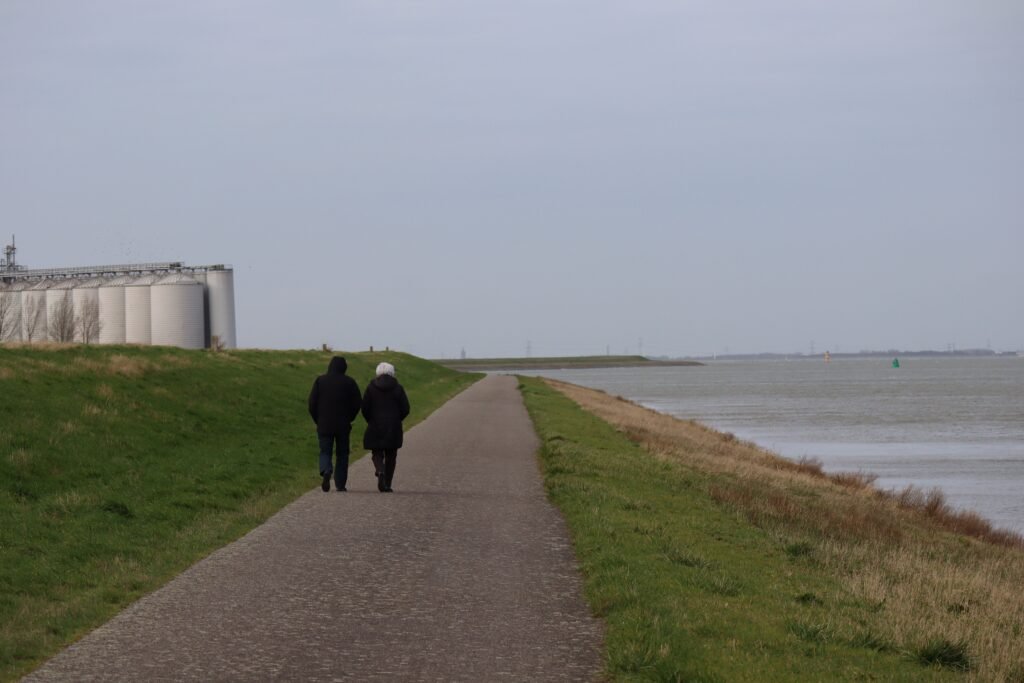
You do not need to begin with long walks. Instead, build your routine gradually.
1. Start with a realistic duration.
If you are currently inactive, begin with 10–20 minutes of walking at a comfortable pace. Do this most days and increase the duration gradually.
WHO advises inactive adults to start with small amounts of activity and increase duration, frequency, and intensity over time.
2. Progress toward weekly activity targets
For general health, work toward 150–300 minutes of moderate activity per week. Brisk walking can contribute to this total.
A simple schedule could look like this:
- Monday: 20–30 minutes of brisk walking
- Tuesday: 20 minutes of easy walking
- Wednesday: 30 minutes of brisk walking
- Thursday: 20 minutes of easy walking
- Friday: 30 minutes of brisk walking
- Saturday: 30–40 minutes relaxed walking
- Sunday: 15–20 minutes of easy walking
You can also split walking into shorter sessions. For example, take a 15-minute walk in the morning and another 15-minute walk after work.
3. Increase the challenge gradually.

Once your normal walk feels easy, add five minutes or increase your pace slightly. Avoid increasing duration and intensity at the same time.
Pro-Trainer Tip
Use your normal daily routine as the anchor. Walk after breakfast, during lunch, or after dinner. A predictable habit is easier to maintain than relying on motivation.
Nutrition & Recovery Integration
Walking does not usually require complicated sports nutrition. For most people, normal balanced meals and adequate hydration are enough for regular daily walks.
Build meals around nutritious foods that provide protein, carbohydrates, healthy fats, fruits, vegetables, and whole grains. Your exact calorie needs depend on body size, activity level, age, and goals.
Hydration also matters, especially during longer walks or hot weather. Drink regularly, and increase your fluids when you sweat more than usual.
Recovery is usually straightforward because walking is a relatively low-impact activity. However, suddenly increasing walking volume can still cause foot, ankle, calf, or knee discomfort. Therefore, increase activity gradually and use comfortable, supportive footwear.
Walking should complement, not replace, other forms of exercise. Adults should also perform muscle-strengthening activities involving major muscle groups on at least two days each week.
Common Walking Mistakes & How to Avoid Them
Mistake 1: Chasing a fixed step number
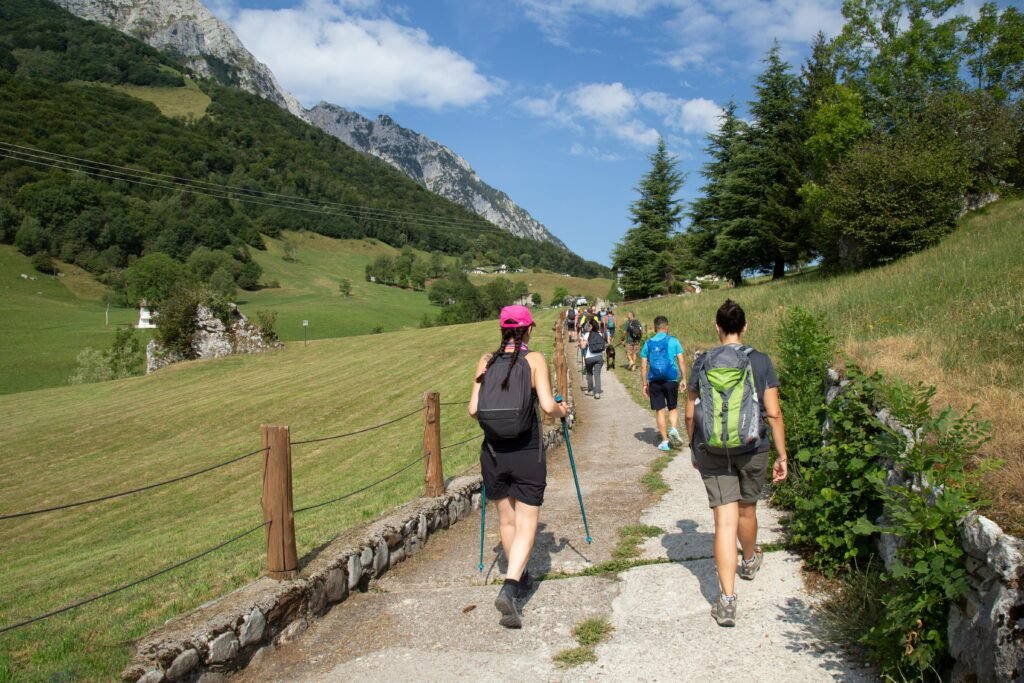
Fix: Focus on gradually increasing your activity instead of treating one-step targets as mandatory.
Mistake 2: Walking too hard too soon
Fix: Begin at a comfortable pace. Add speed or distance gradually.
Mistake 3: Ignoring pain
Fix: Persistent or worsening pain deserves attention. Reduce the workload and seek professional advice when necessary.
Mistake 4: Using walking as your only exercise
Fix: Combine walking with strength training for a more complete fitness routine.
Frequently Asked Questions
Q1: How long does it take to see results from walking every day?
Results vary by starting fitness, walking intensity, diet, and consistency. Improvements in activity levels can begin quickly, while changes in fitness and body weight generally take longer.
Q2: Is walking every day suitable for beginners?
Yes. Walking is accessible for many beginners. Start with short, comfortable sessions and gradually increase duration or pace as your fitness improves.
Q3: Do I need a special diet when walking every day?
Usually not. Most people can support regular walking with a balanced diet, adequate fluids, and appropriate calorie intake. Longer or harder exercise may require more specific fueling.
Q4: How can I reduce injury risk while walking?
Increase distance gradually, wear comfortable footwear, choose suitable surfaces, and avoid pushing through persistent pain. People with medical conditions should seek appropriate professional guidance.
Q5: Is walking better than running for overall fitness?
Neither is automatically better. Running provides a higher-intensity cardiovascular stimulus, while walking is lower impact and often easier to sustain. The better option depends on fitness, goals, preferences, and tolerance.
Walking every day is not a replacement for a complete exercise program. However, it is a practical foundation for becoming more active. WHO notes that some physical activity is better than none, and inactive people can benefit by starting small and progressing gradually.