
Fat loss becomes difficult when people change too many habits at once. A better approach is to build a clear plan around food intake, exercise, daily movement, and recovery. The goal is not to follow the most restrictive diet or perform exhausting workouts every day. Instead, you need a manageable energy deficit that you can maintain while supporting muscle and performance. A structured approach also makes it easier to identify what is working and what needs adjustment. Healthy weight management generally combines nutrition changes, physical activity, sleep, and sustainable lifestyle habits. (NHLBI, NIH) This step-by-step guide explains how to lose fat without relying on extreme methods.
The Science Behind Fat Loss
Fat loss depends on energy balance. Your body uses energy for basic functions, movement, digestion, and exercise. When you consistently consume less energy than you use, stored energy is mobilized to help meet the difference. (NHLBI, NIH)
However, creating a deficit is only one part of the process. Rapid weight loss can make it harder to maintain training quality and healthy eating habits. A slower, structured approach is often easier to sustain.
Resistance training also matters. During a calorie deficit, your body has less energy available. Strength training provides a stimulus that helps preserve lean muscle while you work toward lower body fat.
Cardio and daily movement can increase energy expenditure. Yet you do not need to turn every workout into an endurance session. The most useful plan is one that fits your fitness level and schedule.
Sleep is another part of the equation. NHLBI recommends that adults generally aim for seven to eight hours of sleep each night.
Therefore, effective fat loss should combine nutrition, resistance training, aerobic activity, movement, and recovery.

Step-by-Step Fitness Action Plan
Step 1: Establish Your Starting Point
Record your body weight, waist measurement, current activity, and typical eating habits.
Do this for several days before making major changes. You will then have a clearer picture of your routine.
Do not judge progress from one weigh-in. Water, sodium, food volume, and glycogen can all change body weight from day to day.
Step 2: Create a Manageable Energy Deficit
Reduce calorie intake gradually rather than following an extreme diet. NHLBI recommends gradual calorie reduction as part of healthy weight management.
Focus first on easy changes:
- Reduce sugary drinks.
- Control high-calorie snacks.
- Watch portion sizes.
- Choose more filling whole foods.
- Keep treats within your overall eating plan.
You do not need to eliminate carbohydrates or fats completely.
Step 3: Strength Train Regularly
Perform resistance training about two to four times per week, depending on your experience and recovery.
A basic session can include:
- 2–4 working sets per exercise
- 6–12 repetitions for many exercises
- 1–3 minutes of rest between hard sets
- Controlled technique
- Gradual progression
Train major muscle groups across the week. Beginners should start with manageable workloads and build gradually.
Step 4: Add Cardio and Daily Movement
Adults should get at least 150 minutes of moderate aerobic activity each week, alongside muscle-strengthening activity on at least two days. (CDC)
Walking is a simple starting point. Cycling, swimming, jogging, and other activities can also work.
More importantly, choose activities you can perform consistently.
Step 5: Monitor and Adjust
Track your weight trend and waist measurement over several weeks.
If progress stalls, review your food portions and activity before making major changes. Small adjustments are usually easier to maintain than another drastic diet.
Pro-Trainer Tip
Change one variable at a time. If you suddenly cut food, add cardio, and increase lifting volume, you will not know which change affected your progress. A controlled approach makes adjustments easier.
Nutrition & Recovery Integration
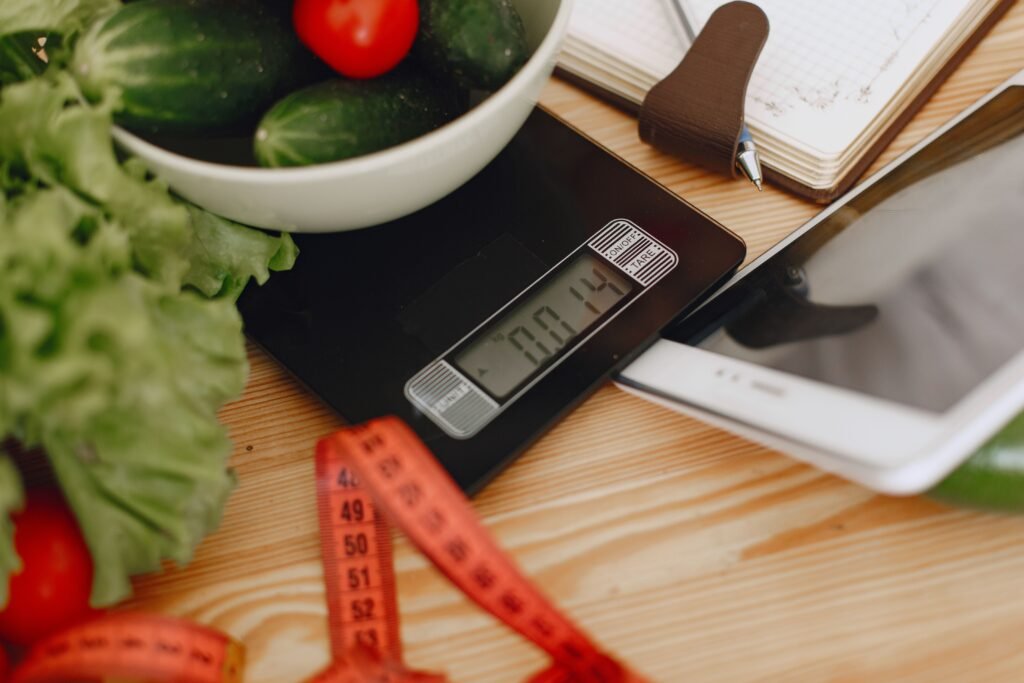
Build meals around nutritious foods that support fullness and training. Include protein sources such as eggs, fish, poultry, yogurt, beans, lentils, or tofu. Add vegetables, fruit, whole grains, and suitable fat sources.
There is no single diet that works for everyone. Your plan should fit your preferences, budget, culture, schedule, and calorie needs.
Hydration also matters. Water can be a useful low-calorie choice, especially when replacing sugary drinks.
Recovery should receive equal attention. Aim for consistent sleep and schedule easier days when training fatigue builds. Physical activity, healthy eating, and good-quality sleep all form part of sustainable weight management.
Supplements are optional. They should not replace a balanced diet or create the expectation of effortless fat loss.
Common Fat-Loss Mistakes & How to Avoid Them
Mistake 1: Cutting Food Too Aggressively
Severe restriction can make hunger and adherence harder.
Fix: Use a manageable calorie reduction and reassess your progress.
Mistake 2: Relying Only on Cardio
Cardio supports energy expenditure but does not replace resistance training.
Fix: Combine aerobic activity with regular strength workouts.
Mistake 3: Ignoring Daily Movement
One workout cannot compensate for being inactive throughout the rest of the day.
Fix: Add walking, stairs, active breaks, or other regular movement.
Mistake 4: Changing the Plan Too Often
Constantly switching diets and workouts makes progress difficult to measure.
Fix: Follow a consistent plan for several weeks before making major adjustments.
Frequently Asked Questions
Q1: How long does it take to see fat-loss results?
The timeframe varies with starting weight, calorie intake, activity, genetics, and adherence. Look for a consistent trend over several weeks rather than expecting rapid daily changes.
Q2: Is this fat-loss plan suitable for beginners?
Yes. Beginners can start with walking, basic strength exercises, and manageable nutrition changes. Build training volume gradually instead of starting with demanding workouts.
Q3: Do I need a specific diet or supplement to lose fat?
No. Fat loss does not require a particular supplement. A suitable calorie intake, nutritious food choices, regular activity, and consistent recovery provide the foundation.
Q4: How can I reduce injury risk while losing fat?
Begin with manageable training loads. Use proper technique, warm up before demanding sessions, allow recovery, and increase exercise volume gradually.
Q5: Is cardio or strength training better for fat loss?
Both can contribute. Cardio increases physical activity, while strength training helps support muscle. Combining them provides a more complete fitness approach.
Safety note: If you have a medical condition, injury, unexplained pain, or a history of disordered eating, seek guidance from an appropriate healthcare professional before making major changes to your diet or exercise routine.