
Sustainable Habits Driving European Lifestyle and Fitness
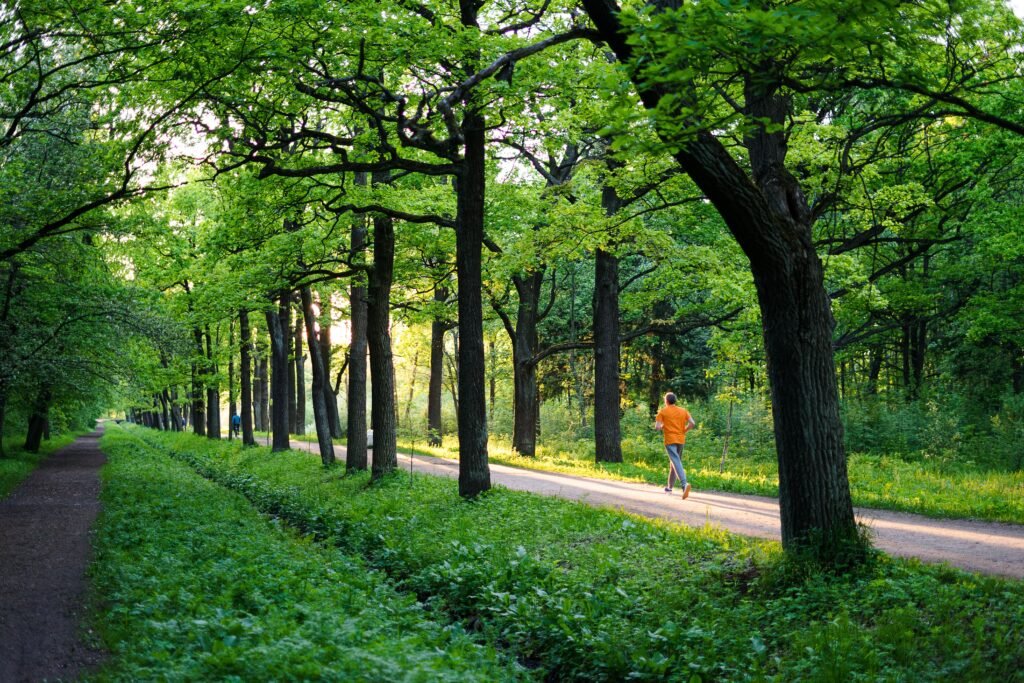
European lifestyle and fitness emphasize balance, active mobility, and natural daily movement. Rather than relying solely on intense gym workouts, Europeans integrate physical activity into everyday routines through walking, city cycling, and outdoor recreation (friluftsliv). Urban infrastructure supports this active lifestyle with dedicated bike lanes and walkable cities. Additionally, community sports clubs (Sportvereine), whole-food diets like the Mediterranean model, and thermal sauna recovery foster lifelong wellness. Supported by strong work-life balance and preventive healthcare, this holistic approach delivers sustainable physical health, lower stress levels, and enduring vitality across all age groups.
When exploring global wellness, European lifestyle and fitness culture stand out for its sustainable approach to physical activity. Rather than relying strictly on grueling gym regimes, extreme diets, or intense seasonal transformations, many European nations integrate physical activity directly into daily life. From pedestrian-friendly urban planning to balanced culinary traditions, health in Europe is widely treated as a holistic, lifelong pursuit rather than a short-term goal.
Across the continent—from Northern Europe’s outdoor sports culture to Southern Europe’s Mediterranean diet—fitness is deeply intertwined with community, work-life balance, and natural movement.
1. Active Mobility: Fitness as a Byproduct of Daily Life
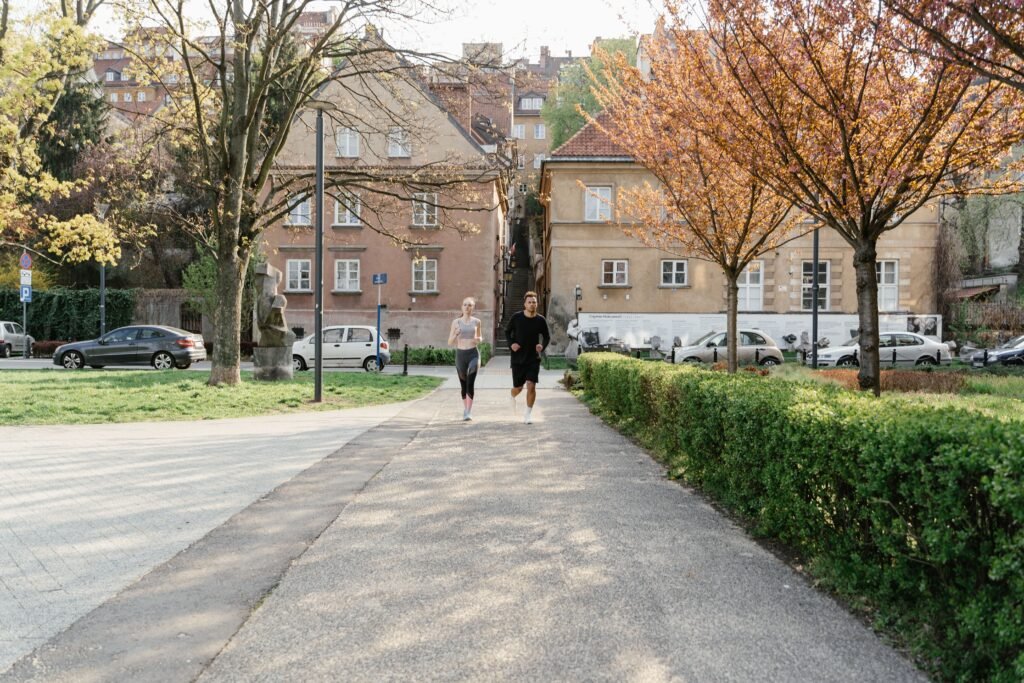
One of the defining characteristics of European living is active transportation. In many European cities, physical movement happens organically throughout the day.
Pedestrian Infrastructure and Cycling Culture
Urban centers in countries like the Netherlands, Denmark, Germany, and France are designed around human movement rather than car dependence. Expansive networks of protected bicycle lanes (Radwege in Germany, fietspaden in the Netherlands) make cycling the preferred mode of transit for millions of commuters.
Instead of spending an hour sitting in traffic or on a static exercise bike, Europeans frequently log several miles of cycling or thousands of walking steps during their standard daily commute.
The 15-Minute City Model
Many European municipalities actively embrace urban planning models where essential services—grocery stores, schools, parks, and cafes—are situated within a 15-minute walk or bike ride from residential areas. This layout reduces sedentary vehicle time and encourages continuous, low-intensity steady-state (LISS) activity throughout the week.
2. Regional Fitness Philosophies across Europe
Physical activity habits vary across different regions of Europe, reflecting local climates, geography, and cultural values.
┌─────────────────────────────────────────────────────────────────┐
│                 EUROPEAN FITNESS BY REGION                      │
├───────────────────┬─────────────────────────────────────────────┤
│ Nordic & Northern │ • High sports club participation             │
│ Europe            │ • Outdoor endurance (Friluftsliv)           │
│                   │ • Functional fitness & winter sports        │
├───────────────────┼─────────────────────────────────────────────┤
│ Central & Western │ • Mixed commercial gyms & community clubs   │
│ Europe            │ • Active commuting (cycling/walking)        │
│                   │ • Work-life balance & wellness thermal spas │
├───────────────────┼─────────────────────────────────────────────┤
│ Southern &        │ • Outdoor walking (La Passeggiata)          │
│ Mediterranean     │ • Natural movement & coastal recreation     │
│                   │ • Fresh, nutrient-dense Mediterranean diet  │
└───────────────────┴─────────────────────────────────────────────┘
The Nordic Model: Friluftsliv (Open-Air Living)
Northern countries—including Sweden, Finland, Norway, and Denmark—consistently rank among the most physically active nations in the European Union. In Scandinavia, the concept of friluftsliv (open-air living) encourages outdoor exposure regardless of the weather. Activities such as cross-country skiing, trail running, kayaking, and outdoor swimming are year-round staples.
The Mediterranean Approach: La Passeggiata and Natural Movement
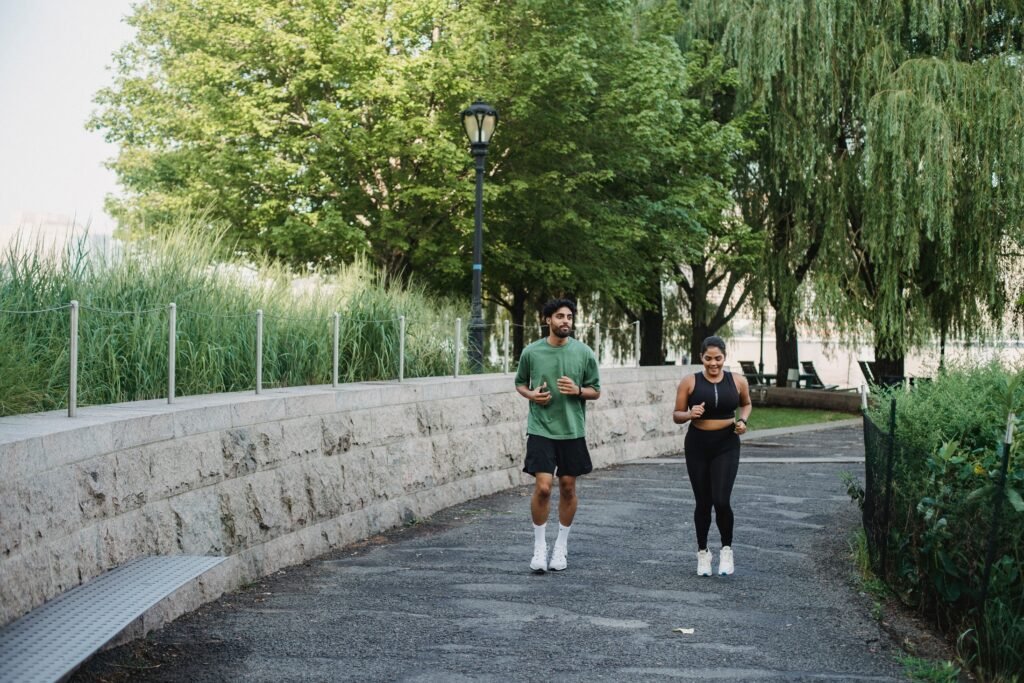
In Southern Europe—such as Italy, Spain, and Greece—formal gym workouts are often secondary to social, outdoor movement. A prominent example is la passeggiata, the traditional early evening stroll through town squares and coastal promenades. Combined with swimming and recreational sports, physical health is maintained through social, stress-reducing activities.
3. The Role of Community Sports and Facilities
While commercial gyms (salles de sport or fitness clubs) thrive in urban areas, community-run organizations form a structural foundation of European fitness.
Non-Profit Sports Clubs (Sportvereine)
In Central and Northern Europe, non-profit sports clubs provide affordable athletic opportunities for all age groups. These clubs offer access to soccer, gymnastics, tennis, track and field, and swimming. Because membership is inexpensive and family-friendly, individuals remain active from early childhood into their senior years.
Public Parks and Free Outdoor Amenities
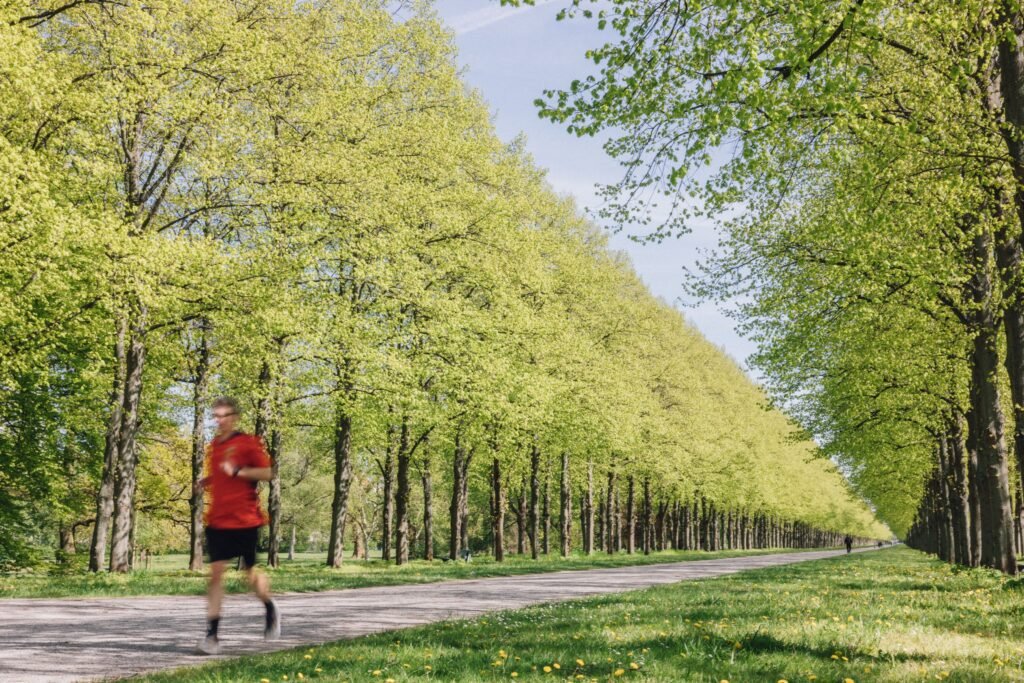
European municipalities heavily invest in public parks equipped with calisthenics rigs, running tracks, public tennis courts, and open-air swimming facilities (Freibäder). This infrastructure ensures that physical exercise remains accessible regardless of income level.
4. Balanced Nutrition and Recovery Traditions
Physical activity in Europe is closely matched by a balanced approach to food, rest, and stress management.
Whole Foods and Mindful Eating
Dietary habits across Europe generally emphasize seasonal, whole ingredients over heavily processed convenience foods. The celebrated Mediterranean diet—rich in olive oil, fresh vegetables, seafood, and legumes—supports cardiovascular health and longevity. Portion sizes tend to be moderate, and meals are enjoyed socially rather than consumed on the go.
Sauna Culture and Thermal Recovery
Recovery is treated with the same importance as exercise. In countries like Finland, Germany, and Austria, sauna bathing and thermal bath resorts (Thermen) are integral to health routines. Regular sauna use aids muscle recovery, improves circulation, and reduces mental stress, completing the holistic wellness cycle.
5. Work-Life Balance and Institutional Support
Health and fitness thrive when individuals have sufficient time to rest and move. European labor policies and public healthcare systems reinforce active living through systemic support.
- Generous Paid Leave: European Union regulations mandate a minimum of four weeks of paid annual leave, allowing workers ample time for rest, outdoor travel, and recreation.
- Preventive Healthcare Subsidies: Public health funds (Krankenkassen in Germany, for example) often subsidize preventive fitness programs, gym memberships, and health assessments to curb long-term medical costs.
- Workplace Wellness Initiatives: Companies frequently provide bicycle lease subsidies (JobRad), corporate fitness discounts, and structured exercise breaks during work hours.
Frequently Asked Questions
What is the most active country in Europe?
According to Eurobarometer data on physical activity, Nordic nations—specifically Finland, Sweden, and Denmark—consistently report the highest rates of regular sport and exercise participation in the European Union.
How do Europeans stay fit without going to the gym?
Many Europeans maintain fitness through “invisible exercise” or active mobility. Walking for daily errands, commuting by bicycle, taking stairs, and participating in weekend outdoor recreation (like hiking or swimming) provide consistent physical movement without formal gym visits.
What role does the Mediterranean diet play in European health?
The Mediterranean diet provides high levels of heart-healthy fats, antioxidants, and fiber through fresh vegetables, fish, olive oil, and whole grains. Combined with moderate physical activity, this eating pattern reduces the risk of chronic cardiovascular diseases and promotes longevity.
Are commercial gyms popular in Europe?
Yes, commercial fitness clubs and boutique studios are widely popular, particularly among urban young professionals. However, they exist alongside community-based sports clubs (Sportvereine), outdoor parks, and recreational sports rather than being the sole fitness outlet.
How does work-life balance impact fitness levels in Europe?
Shorter working hours, protected paid leave, and structured corporate wellness perks give Europeans time to engage in sports, prepare fresh meals, and spend time outdoors. Lower stress levels directly support hormonal balance, recovery, and long-term adherence to active habits.
