


Living a healthy lifestyle is one of the best ways to improve your physical and mental well-being. Small daily changes, such as eating nutritious meals, staying active, getting enough sleep, and managing stress, can have a lasting impact on your overall health. Developing healthy routines helps boost energy, strengthen immunity, and reduce the risk of chronic diseases. Whether your goal is weight management or simply feeling better each day, consistency is the key to success. By making smart choices and following practical habits, you can enjoy a healthier, happier, and more balanced life.
Living a healthy lifestyle is one of the best investments you can make in your future. It is not about following strict diets or spending hours in the gym. Instead, it focuses on making consistent choices that improve your physical, mental, and emotional well-being. Small daily habits, such as eating nutritious foods, staying active, getting enough sleep, and managing stress, can lead to significant long-term health benefits.
A healthy lifestyle reduces the risk of chronic diseases, increases energy levels, improves mood, and helps you maintain a healthy weight. Whether you’re just starting your wellness journey or looking to improve your current routine, adopting healthy habits can make a lasting difference.

Eat a Balanced and Nutritious Diet
Good nutrition is the foundation of a healthy lifestyle. Your body needs a variety of nutrients to function properly and support daily activities.
Include these foods in your diet:
- Fresh fruits and vegetables
- Whole grains such as oats and brown rice
- Lean proteins like chicken, fish, eggs, and beans
- Healthy fats from nuts, seeds, avocados, and olive oil
- Low-fat dairy products or healthy alternatives
Limit processed foods, sugary drinks, and excessive salt. Eating balanced meals throughout the day helps maintain energy levels and supports overall health.
Stay Physically Active
Regular physical activity strengthens your heart, muscles, and bones while improving mental health. Exercise also helps control weight and lowers the risk of conditions such as diabetes, heart disease, and high blood pressure.
Aim for at least 150 minutes of moderate exercise each week. Activities may include:
- Brisk walking
- Jogging
- Cycling
- Swimming
- Strength training
- Yoga
Choose activities you enjoy to make exercise a long-term habit rather than a temporary routine.
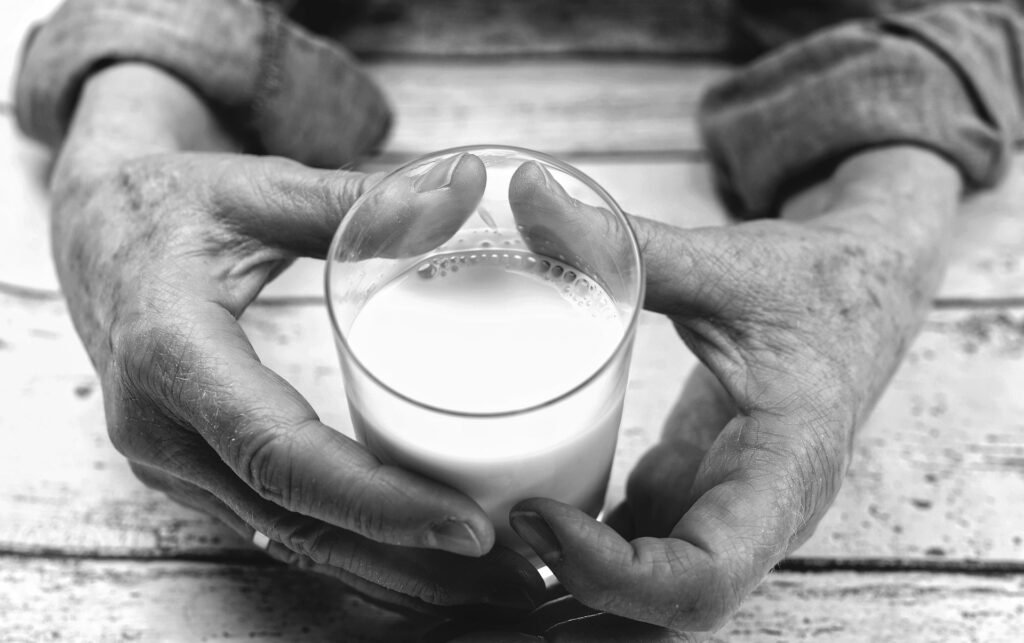
Drink Enough Water
Water plays an essential role in nearly every function of the body. It regulates body temperature, transports nutrients, supports digestion, and keeps joints lubricated.
Drink water regularly throughout the day, especially during exercise or in hot weather. While individual needs vary, most adults benefit from drinking around 2–3 liters of water daily.
Prioritize Quality Sleep
Sleep is often overlooked but is essential for good health. During sleep, the body repairs tissues, strengthens the immune system, and restores energy.
Adults should aim for 7–9 hours of quality sleep every night. To improve sleep quality:
- Maintain a consistent bedtime.
- Avoid screens before sleeping.
- Keep your bedroom cool and quiet.
- Limit caffeine late in the day.
Better sleep leads to improved concentration, mood, and physical recovery.

Manage Stress Effectively
Stress is a normal part of life, but chronic stress can negatively affect your physical and mental health.
Healthy ways to reduce stress include:
- Meditation
- Deep breathing exercises
- Spending time in nature
- Reading books
- Listening to music
- Practicing gratitude
- Talking to supportive friends or family
Managing stress helps improve emotional resilience and overall well-being.
Build Healthy Daily Habits
Consistency matters more than perfection. Small healthy habits practiced every day create lasting results.
Examples include:
- Eating breakfast every morning
- Taking the stairs instead of the elevator
- Stretching after waking up
- Limiting screen time
- Preparing healthy meals in advance
- Walking after dinner
Over time, these habits become part of your daily lifestyle.
Avoid Harmful Habits
A healthy lifestyle also means reducing behaviors that harm your body.
Try to:
- Avoid smoking and tobacco products
- Limit alcohol consumption
- Reduce excessive sugar intake
- Avoid overeating
- Minimize processed and fast foods
Replacing unhealthy habits with positive choices improves your long-term health.
Maintain a Healthy Weight
Maintaining a healthy weight supports heart health, reduces joint stress, and lowers the risk of many chronic diseases.
Instead of focusing on quick fixes, aim for gradual and sustainable progress through:
- Balanced nutrition
- Regular exercise
- Adequate sleep
- Portion control
- Consistent healthy habits
Long-term success comes from lifestyle changes rather than temporary diets.

Take Care of Your Mental Health
Mental health is just as important as physical health. Staying socially connected, practicing self-care, and seeking support when needed contribute to emotional well-being.
Simple ways to improve mental health include:
- Spending time with loved ones
- Pursuing hobbies
- Practicing mindfulness
- Setting realistic goals
- Taking regular breaks from work
A healthy mind supports better decision-making and overall quality of life.
Schedule Regular Health Checkups
Preventive healthcare helps detect potential health problems early. Visit your healthcare provider for routine checkups, vaccinations, and health screenings based on your age and risk factors.
Regular monitoring allows you to address issues before they become serious and supports long-term wellness.
A healthy lifestyle is built on simple, consistent habits that support your physical, mental, and emotional health. Eating nutritious foods, staying active, drinking enough water, getting quality sleep, managing stress, and maintaining positive daily routines all contribute to a healthier and happier life. Remember that lasting change doesn’t happen overnight. Focus on making small improvements each day, and over time, these healthy choices will become lifelong habits that improve your overall well-being and help you enjoy a more active, fulfilling life.
Frequently Asked Questions (FAQs)
1. What is a healthy lifestyle?
A healthy lifestyle involves making daily choices that improve your physical, mental, and emotional well-being. It includes eating nutritious foods, exercising regularly, getting enough sleep, staying hydrated, and managing stress.
2. How much exercise should I do each week?
Adults should aim for at least 150 minutes of moderate-intensity exercise or 75 minutes of vigorous activity each week, along with strength training exercises at least twice a week.
3. Why is sleep important for a healthy lifestyle?
Quality sleep helps your body recover, strengthens the immune system, improves memory and concentration, supports mental health, and boosts overall energy levels.
4. How can I start living a healthier lifestyle?
Start with small, sustainable changes such as eating more fruits and vegetables, drinking enough water, exercising regularly, sleeping 7–9 hours each night, and reducing processed foods.
5. Can a healthy lifestyle help prevent diseases?
Yes. Following a healthy lifestyle can lower the risk of chronic conditions such as heart disease, type 2 diabetes, obesity, high blood pressure, and certain types of cancer while improving overall quality of life.