

When starting a fitness journey, many people rely only on their body weight to measure success. However, the number on the scale doesn’t always reflect real improvements in health and fitness. Factors like muscle gain, water retention, and body composition can influence your weight without showing the positive changes happening inside your body. Measuring fitness progress beyond the scale helps you stay motivated and recognize achievements that truly matter. From tracking strength and endurance to monitoring body measurements and energy levels, there are many effective ways to evaluate your progress and celebrate your long-term fitness success.
Tracking your fitness progress is about more than checking your body weight. While the scale can provide useful information, it doesn’t show the complete picture of your health. Muscle gain, fat loss, hydration, and body composition all affect your weight. As a result, the number on the scale may stay the same even when you’re making real progress. That’s why it’s important to measure your fitness progress beyond the scale. By tracking different health and performance indicators, you can stay motivated and achieve your long-term fitness goals.

Track Your Body Measurements
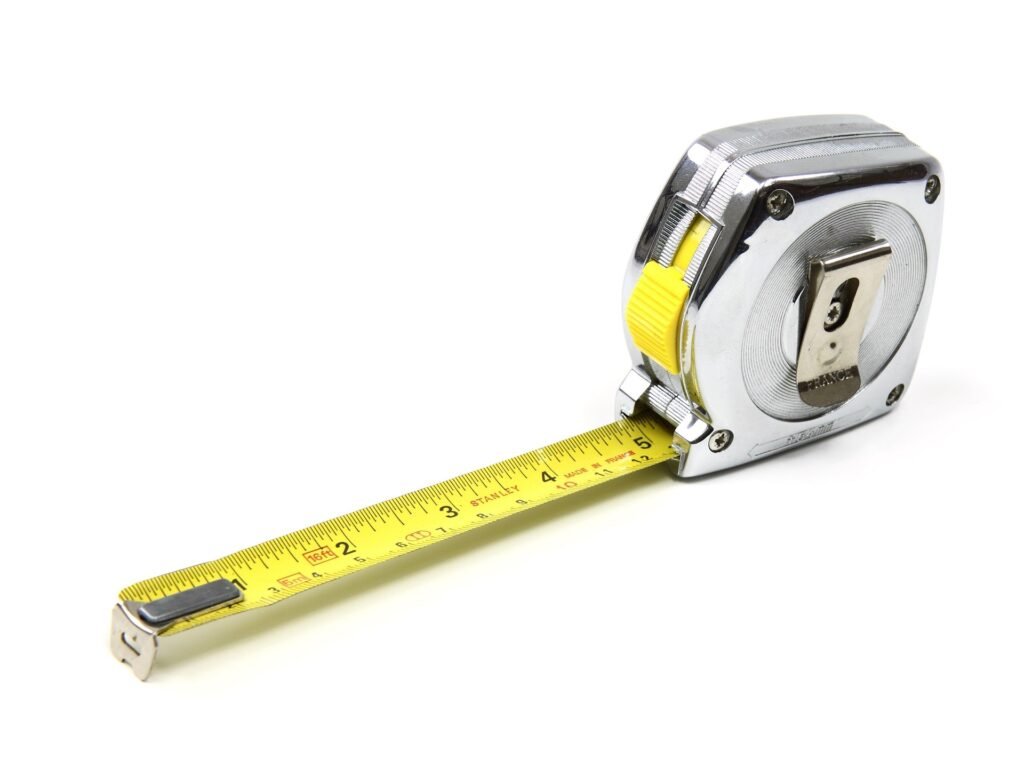
Body measurements are one of the most accurate ways to monitor fitness progress. Use a measuring tape to check your waist, hips, chest, arms, and thighs every three to four weeks. Even if your weight doesn’t change, smaller measurements often mean you’re losing body fat while building lean muscle.
Take Monthly Progress Photos
Progress photos help you see changes that the scale cannot. Wear the same clothing and take pictures in the same location with similar lighting each month. Over time, you’ll notice improvements in muscle definition, posture, and overall body shape.
Monitor Your Strength and Endurance
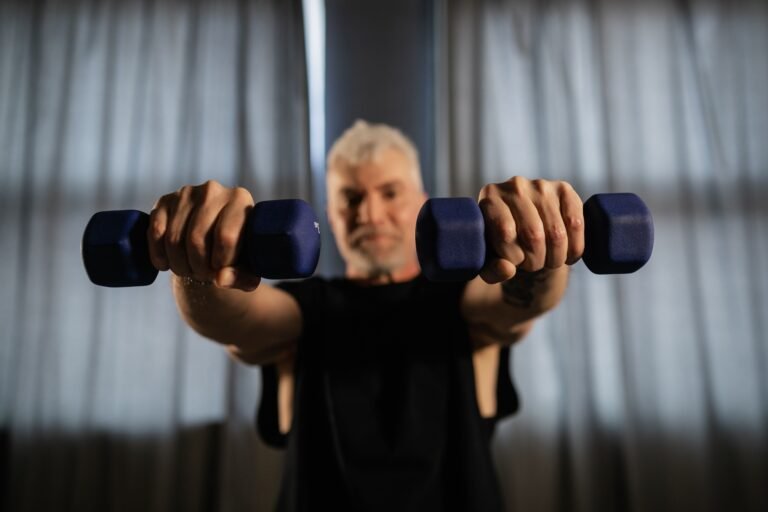
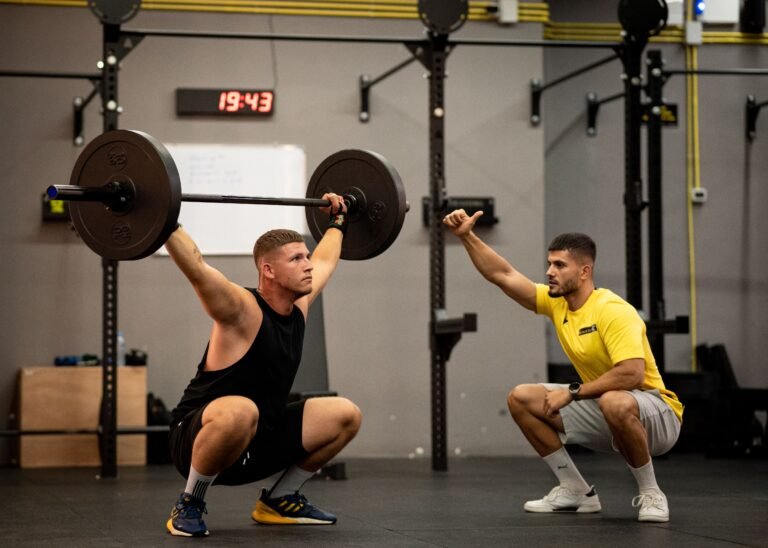
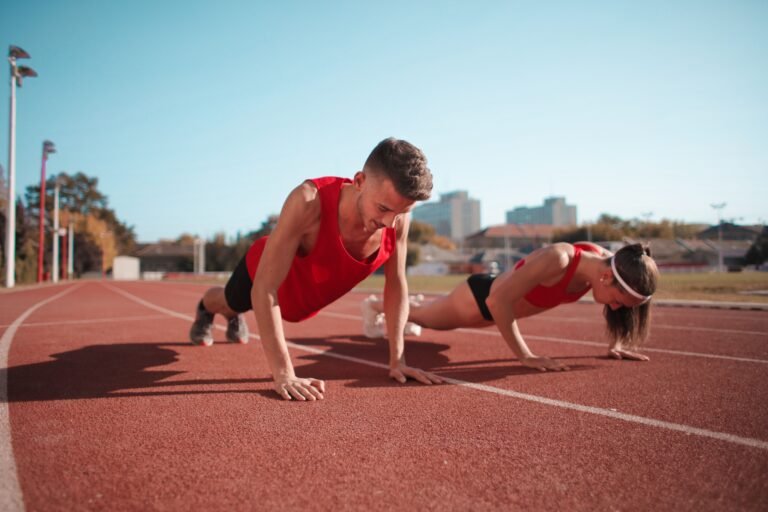
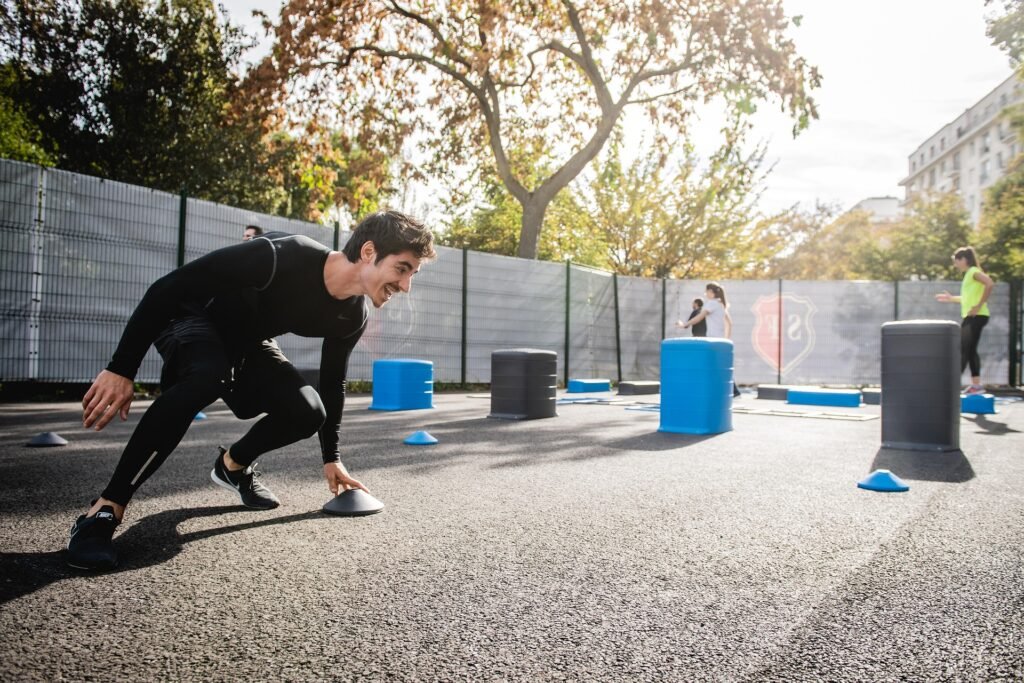
Improved performance is a clear sign of better fitness. Record how much weight you lift, how many repetitions you complete, or how far you can run or walk. As your strength and endurance increase, your fitness level is improving, even if your body weight remains unchanged.
Pay Attention to How Your Clothes Fit
Your clothes can reveal body changes before the scale does. For example, your jeans may fit more comfortably around the waist, or your shirts may feel better across the shoulders. These small changes often indicate fat loss and increased muscle tone.
Evaluate Your Energy and Recovery
Good fitness improves your daily life. Notice whether you have more energy, recover faster after workouts, or sleep better at night. If everyday activities become easier, your fitness routine is delivering positive results.
Celebrate Non-Scale Victories
Fitness success isn’t measured by weight alone. Celebrate milestones such as completing your first 5K, lifting heavier weights, improving flexibility, or staying consistent with your workouts. These non-scale victories keep you motivated and focused on long-term progress.
The scale is only one way to measure your fitness progress. It should never be your only benchmark. Instead, track body measurements, progress photos, strength, endurance, clothing fit, and energy levels. These indicators provide a clearer picture of your overall health and fitness. Stay consistent, trust the process, and celebrate every step of your journey.
FAQs
1. Why isn’t the scale the best way to measure fitness progress?
The scale only shows body weight and doesn’t account for muscle gain, fat loss, hydration, or improvements in fitness performance.
2. What are non-scale victories?
Non-scale victories include increased strength, better endurance, improved flexibility, healthier body measurements, better sleep, and higher energy levels.
3. How often should I check my fitness progress?
Track your progress every 3–4 weeks using body measurements, progress photos, and workout performance instead of weighing yourself daily.
4. Can I lose fat without losing weight?
Yes. You may lose body fat while gaining lean muscle, causing your weight to remain similar even though your body composition improves.
5. What is the most accurate way to measure fitness progress?
A combination of body measurements, progress photos, strength improvements, endurance, body fat percentage, and overall health indicators provides the most accurate picture.