
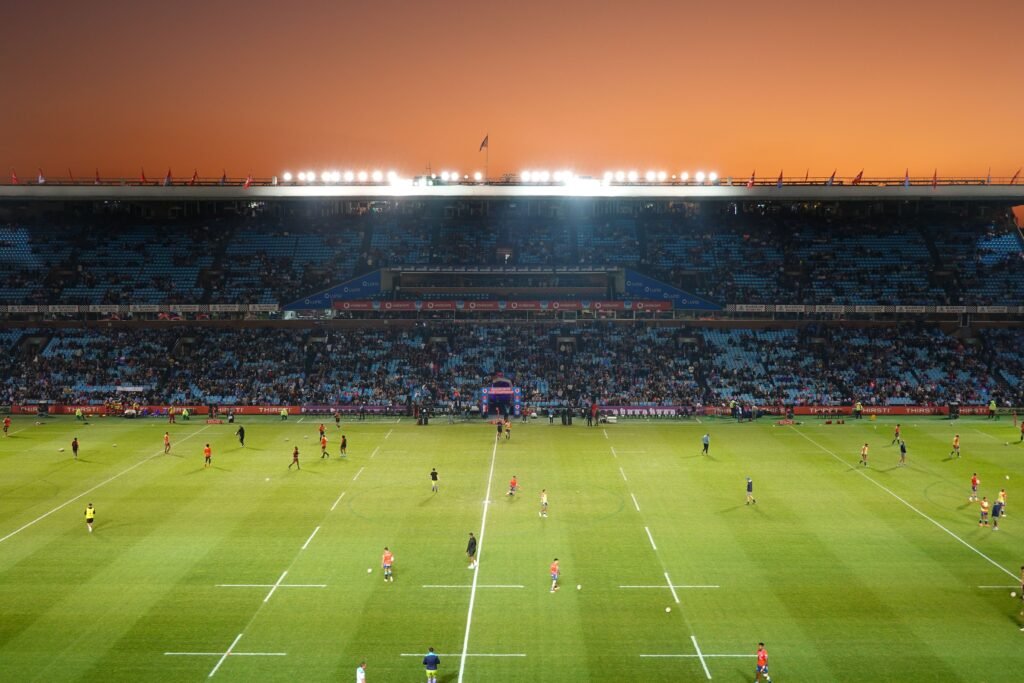
France has a strong and diverse sports culture, with football, rugby, and tennis among the country’s most popular sports. Football attracts millions of fans through the national team and domestic competitions, while rugby has a particularly strong following in southern France. Tennis remains internationally important because France hosts the famous French Open at Roland-Garros. Cycling is also deeply connected to French sporting identity through the Tour de France. Other growing sports include basketball, athletics, swimming, handball, motorsports, and MMA. From professional competitions to recreational activities, sports play an important role in French society, encouraging fitness, competition, community, and healthy lifestyles.
France has a rich and diverse sporting culture, with football, rugby, tennis, cycling, athletics, basketball, swimming, and motorsports attracting millions of fans. Football remains the leading sport in the country, while rugby, tennis, and cycling also have strong national followings. A 2026 Ipsos BVA survey found that football was followed by 39% of French people in normal circumstances, while rugby and tennis each attracted 23%, followed by cycling at 20% and athletics at 17%.
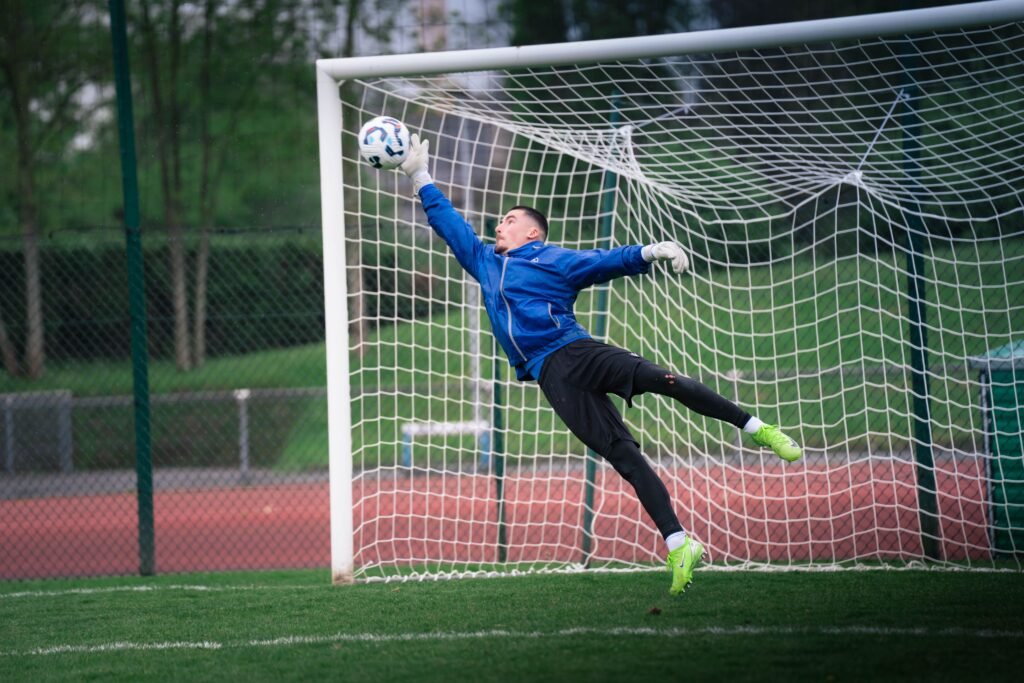
Football: France’s Most Popular Sport
Football is at the heart of French sports culture. The French national team, known as Les Bleus, has established itself as one of the world’s leading international teams. Domestic football is also highly followed, with clubs such as Paris Saint-Germain attracting major national and international attention.
In 2026, interest in football remained particularly strong. An Ipsos BVA survey reported that 50% of French people planned to follow the 2026 FIFA World Cup.
Football’s popularity extends beyond professional competitions. Youth academies, amateur clubs, school competitions, and local leagues provide opportunities for people of different ages to participate in the sport.
Rugby and Its Strong French Tradition
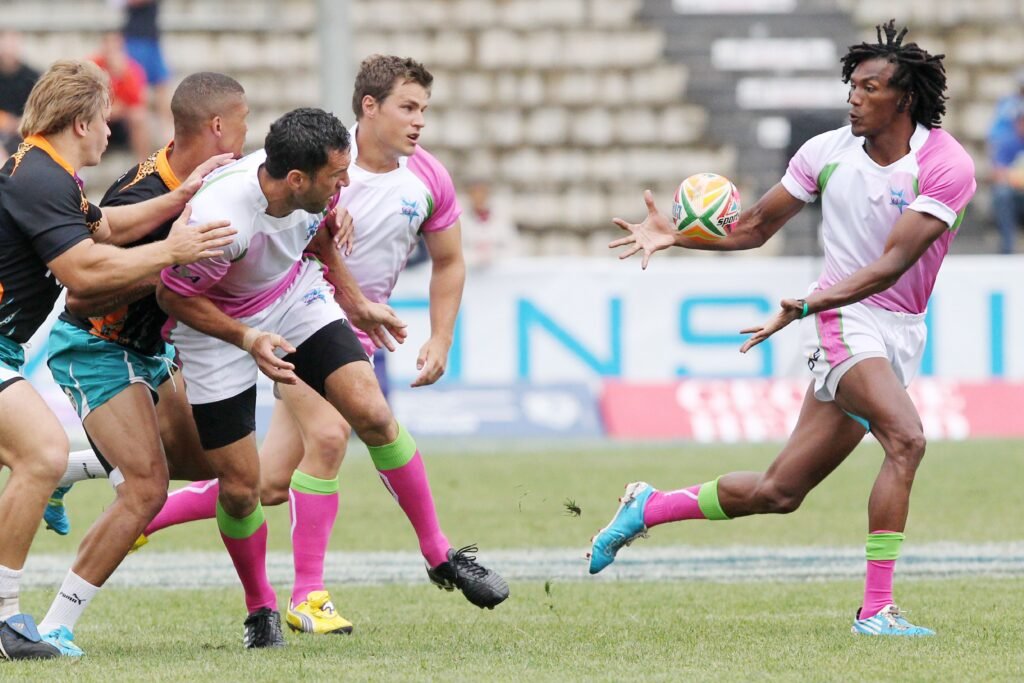
Rugby holds a special position in French sporting culture, particularly in the southwest of the country. French rugby has produced generations of talented players and remains popular at both professional and amateur levels.
The national rugby team competes at the highest international level, while domestic competitions attract strong audiences. Rugby is also valued for its emphasis on teamwork, physical fitness, discipline, and tactical awareness.
According to 2026 Ipsos BVA data, rugby was among the most-followed sports in France, sharing second place with tennis at 23%.
Tennis and France’s Sporting Heritage
Tennis is another major sport in France. The country hosts the French Open at Roland-Garros, one of the four Grand Slam tournaments.
The tournament attracts international players and millions of viewers every year. Its famous clay courts have helped make France an important destination for professional tennis.
Beyond professional competition, tennis is widely played recreationally. Local clubs, public courts, schools, and training academies help introduce young players to the sport.
In 2026, tennis remained one of France’s most popular sports, with Ipsos reporting that 23% of French people followed it in normal circumstances.
Cycling and the Tour de France
Cycling is deeply connected with French sporting identity. The Tour de France is one of the world’s most famous cycling races and remains a major international sporting event.
The race combines elite athletic performance with spectacular French landscapes, attracting spectators along its route and audiences around the world. Cycling is also important as a recreational activity, with road cycling, mountain biking, and everyday bicycle use becoming increasingly visible.
Women’s cycling is gaining significant attention as well. The 2026 Tour de France Femmes attracted 23.2 million viewers who watched at least one minute of the race in France, while its average audience share reached 32.9%.
Athletics and Swimming
Athletics has a strong presence in French sports, covering disciplines such as sprinting, distance running, jumping, and throwing. It is widely practiced through schools, clubs, and competitive organizations.
Swimming is another important sport, both recreationally and competitively. France has produced internationally recognized swimmers, including Léon Marchand, who has become one of the country’s most prominent athletes.
The 2026 European Swimming Championships in Saint-Denis provided another major opportunity for French swimming stars to compete on home soil. Marchand entered the event despite an injury that had disrupted his preparations.
Basketball and Handball
Basketball has steadily developed its following in France. The country has produced professional players who have competed in major international leagues, including the NBA.
French basketball benefits from strong youth development and domestic competitions. The sport is particularly attractive to younger audiences because of its fast pace and accessibility.
Handball is also an important part of French sports culture. France has a strong international history in the sport, with its national teams achieving major success at European, world, and Olympic competitions.
Motorsports and MMA
Motorsports, including Formula 1 and motorcycle racing, also attract French audiences. Racing combines technology, speed, strategy, and athletic skill, creating a dedicated fan base.
MMA has also become increasingly visible, particularly among younger sports audiences. According to an ARCOM-based sports media barometer reported by L’Équipe, MMA had the youngest average audience among several sports measured, at 39 years old.
This highlights how France’s sports audience is changing, with newer sports gaining attention alongside traditional favorites.
Women’s Sports in France
Women’s sports are becoming increasingly visible across France. Women’s football, cycling, tennis, athletics, basketball, and other disciplines continue to attract growing audiences.
The success of the Tour de France Femmes demonstrates the potential of women’s cycling. Its strong 2026 French television audience shows that major women’s sporting events can attract substantial public interest.
Greater media coverage, professional opportunities, sponsorship, and youth participation can further support the development of women’s sports.
Sports and Fitness in Everyday French Life
Sports in France are not limited to professional competitions. Many people participate in recreational activities for fitness, social interaction, and general well-being.
Running, cycling, swimming, walking, gym workouts, football, tennis, and outdoor activities provide accessible ways to stay active. Fitness centers and community sports clubs also help people maintain regular exercise routines.
This combination of professional sports and everyday participation gives France a broad and diverse sporting culture.
The Future of French Sports
The future of French sports looks increasingly diverse. Traditional sports such as football, rugby, tennis, and cycling will continue to play major roles, while basketball, MMA, women’s sports, and digital sports content can attract new audiences.
Technology is also changing how fans experience competitions. Streaming platforms, social media, wearable devices, sports analytics, and digital communities are making sports more interactive and accessible.
France’s strong sporting infrastructure, professional competitions, local clubs, and passionate fan base provide a solid foundation for continued growth.
FAQs
1. What is the most popular sport in France?
Football is the most popular sport in France. A 2026 Ipsos BVA survey identified football as the country’s leading sport by regular following.
2. What sports are popular in France besides football?
Rugby, tennis, cycling, athletics, swimming, basketball, handball, motorsports, and MMA are among the sports followed and practiced in France.
3. Why is cycling so important in France?
Cycling has a strong cultural and sporting tradition in France, largely because of the global importance of the Tour de France and the country’s extensive recreational cycling culture.
4. Is women’s sport growing in France?
Yes. Women’s sports are gaining greater visibility and audiences. The 2026 Tour de France Femmes, for example, reached 23.2 million viewers in France who watched at least one minute of the race.
5. What are the biggest sports events in France?
Major events include the Tour de France, the French Open at Roland-Garros, major football competitions, rugby tournaments, athletics events, and international swimming competitions.