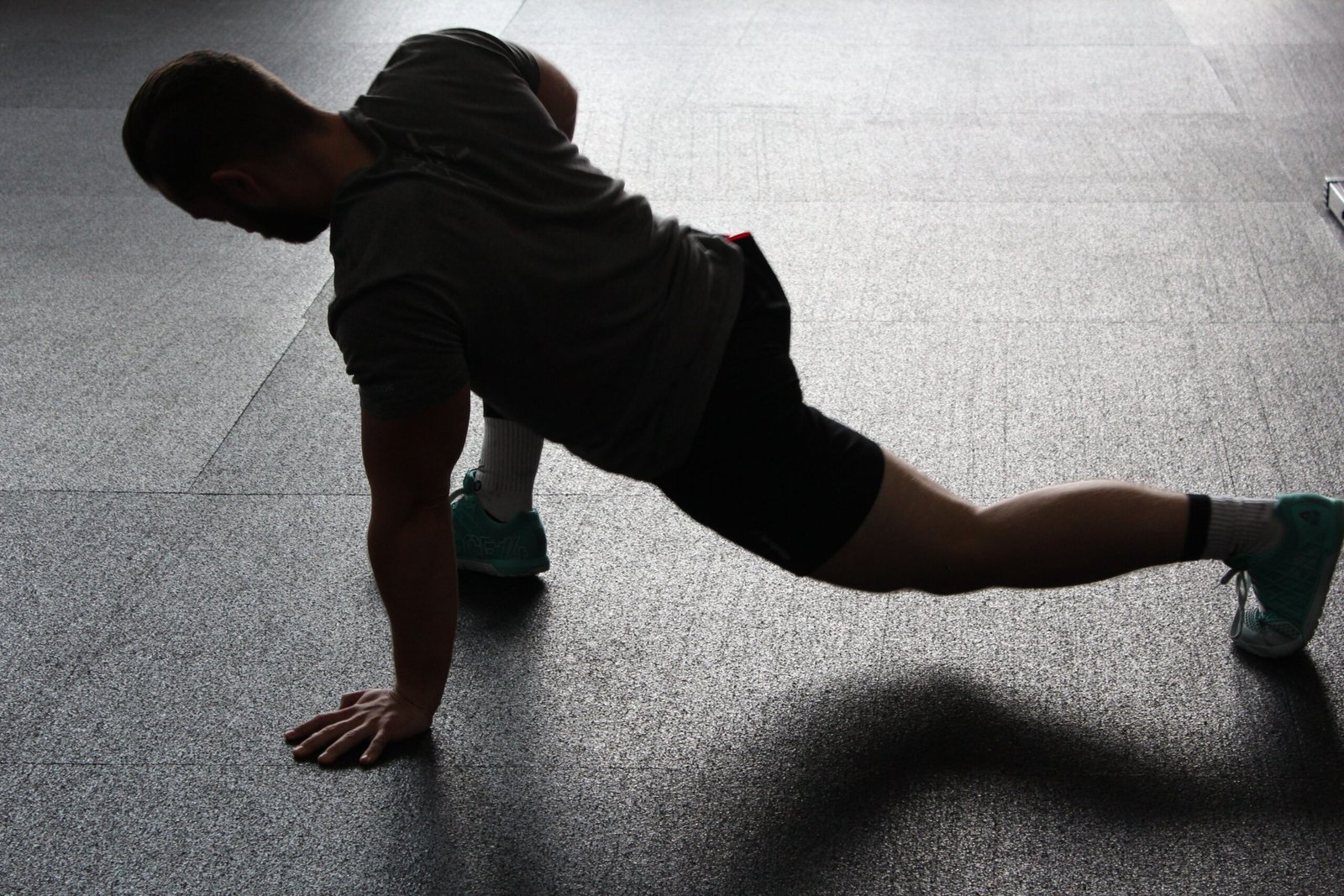
Fitness is an important part of a healthy and active lifestyle. It is not only about going to the gym or building muscle. Fitness also includes strength, endurance, flexibility, balance, mobility, and the ability to perform everyday activities with more energy.
A good fitness routine can support physical health and overall well-being. Regular movement can help people stay active, maintain a healthy body weight, build strength, and improve cardiovascular fitness. It can also become a valuable part of a balanced lifestyle when combined with nutritious food, adequate sleep, hydration, and recovery.
Today, fitness is easier to access than ever. People can exercise at home, outdoors, in gyms, or through digital fitness platforms. However, the idea of fitness is not new. Humans have been using physical activity for survival, work, sport, and health for thousands of years.
What Is Fitness?
Fitness refers to the body’s ability to perform physical activities effectively. It involves several different areas rather than one single quality.
Cardiovascular endurance helps the body handle activities such as walking, running, cycling, and swimming. Muscular strength supports tasks that require force, such as lifting, carrying, or pushing. Muscular endurance helps muscles work for longer periods.
Flexibility allows joints and muscles to move through a useful range of motion. Balance and coordination also play an important role, especially during everyday activities and sports.
This means fitness can look different for different people. A professional athlete may focus on performance, while another person may simply want enough strength and stamina to walk, work, travel, or play with their children comfortably.
The Historical Background of Fitness
The history of fitness goes back to ancient civilizations. Physical activity was closely connected with survival, military preparation, work, and recreation.
Ancient Greece placed strong importance on physical development. Athletic competitions became an important part of Greek culture, and the Olympic tradition helped connect physical performance with sport and competition.
The Romans also valued physical preparation, particularly for military purposes. Soldiers needed strength, endurance, and physical skills to perform demanding duties.
In many other societies, physical activity was part of daily life rather than a separate form of exercise. Hunting, farming, walking, carrying goods, and other physical tasks naturally required people to remain active.
During the 18th and 19th centuries, organized approaches to physical education became more common. Gymnastics and structured exercise systems developed in Europe and later influenced physical education programs in different countries.
The 20th century brought major changes to fitness culture. Organized sports became more popular, gyms expanded, and exercise research grew. By the late 20th and early 21st centuries, fitness had become a major part of modern lifestyle culture.
Today, wearable devices, fitness apps, home workouts, online classes, and connected exercise equipment have added new ways to monitor and improve physical activity.
Why Fitness Matters for Better Health
Regular physical activity can support many aspects of health. One of the main benefits is improved cardiovascular fitness. Activities such as brisk walking, cycling, swimming, and jogging can challenge the heart and lungs.
Strength training is also valuable. Stronger muscles can make everyday movements easier and support physical independence. Resistance exercises can include bodyweight movements, resistance bands, free weights, or machines.
Fitness can also support mobility and flexibility. Simple movements that involve the hips, shoulders, legs, and spine can help people maintain useful movement patterns.
Another important benefit is energy. Regular movement may help people feel more physically capable during daily activities. Instead of viewing exercise only as a way to change appearance, it can be useful to consider what the body can do.
Fitness is also connected with healthy aging. Maintaining strength, balance, endurance, and mobility becomes increasingly important as people get older. A consistent routine can help keep physical activity part of everyday life.
Main Components of Physical Fitness
A balanced fitness routine can include several components.
Cardiovascular Endurance
Cardiovascular exercise includes activities that keep the heart and lungs working for an extended period. Walking, jogging, cycling, swimming, and dancing are common examples.
People can choose an activity based on their interests, fitness level, available space, and schedule.
Muscular Strength
Strength refers to the ability of muscles to produce force. Exercises such as squats, lunges, push-ups, rows, and resistance exercises can help develop strength.
Strength training does not always require expensive equipment. Bodyweight exercises can provide a practical starting point for many people.
Muscular Endurance
Muscular endurance is the ability of a muscle group to continue working over time. Repeated bodyweight movements, longer walking sessions, cycling, and circuit-style workouts can challenge muscular endurance.
Flexibility and Mobility
Flexibility relates to the range available around muscles and joints, while mobility involves the ability to move with control through that range.
Stretching and controlled movement exercises can be included in a broader fitness routine.
Balance and Coordination
Balance and coordination are useful for everyday movement and sports. Activities that challenge stability and body control can be included alongside strength and cardiovascular exercise.
How to Build a Consistent Fitness Routine
Starting a fitness routine does not require doing everything at once. A simple plan is often easier to maintain.
Begin with activities that match your current ability. Walking is one accessible option for many people. Over time, duration, frequency, or intensity can be adjusted as fitness develops.
Strength training can be added a few times during the week. A basic routine might include movements for the legs, upper body, core, and major muscle groups.
Recovery should also have a place in the plan. Rest days, sleep, hydration, and balanced nutrition can support the body’s ability to handle regular physical activity.
Consistency is often more useful than trying to follow an extreme workout schedule for a short period. A routine that fits into everyday life is more likely to become a lasting habit.
Fitness at Home, Outdoors, and in the Gym
Fitness does not depend on one particular location.
Home Workouts
Home workouts can be useful for people with limited time or equipment. Bodyweight squats, lunges, push-ups, planks, and mobility exercises can form a simple routine.
A small space can be enough for many exercises. Online workout videos and fitness apps can also provide additional structure.
Outdoor Fitness
Outdoor activities can make exercise more enjoyable for some people. Walking, running, cycling, hiking, and recreational sports are common options.
Outdoor exercise can also add variety to a weekly routine.
Gym-Based Training
Gyms provide access to resistance machines, free weights, cardio equipment, and group classes. They can be useful for people who prefer structured training or want access to a wider range of equipment.
The best environment is usually the one that makes regular physical activity practical and enjoyable.
Fitness, Nutrition, Sleep, and Recovery
Exercise is only one part of a healthy lifestyle. Nutrition, sleep, hydration, and recovery also matter.
A balanced diet can provide the energy and nutrients needed for daily activities and exercise. Protein, carbohydrates, healthy fats, vitamins, minerals, and fluids all have roles in a balanced eating pattern.
Sleep is another important part of recovery. A regular sleep schedule can help the body and mind recover from daily demands.
Recovery also means allowing enough time between demanding workouts. Training harder is not always better. The right balance depends on the person’s activity level, goals, experience, and overall lifestyle.
For this reason, a complete approach to fitness should look beyond workouts alone.
Fitness and Long-Term Well-Being
Fitness can become more meaningful when it is viewed as a long-term habit rather than a short-term challenge.
Goals can change over time. Someone may begin exercising to improve stamina, later focus on strength, and eventually prioritize mobility and healthy aging.
Tracking progress can also help maintain motivation. Progress does not always mean lifting heavier weights or running faster. It can mean walking for longer, completing more repetitions, moving more comfortably, or staying consistent with a weekly routine.
Enjoyment matters too. People are more likely to remain active when they choose activities they actually enjoy.
Fitness should therefore be flexible. Walking, strength training, cycling, swimming, sports, dancing, yoga, mobility work, and other activities can all have a place in an active lifestyle.
The goal is not perfection. The goal is to create sustainable movement habits that support physical health and overall well-being.
Frequently Asked Questions
1. What is fitness?
Fitness is the body’s ability to perform physical activities effectively. It includes cardiovascular endurance, muscular strength, muscular endurance, flexibility, mobility, balance, and coordination.
2. Why is fitness important for health?
Fitness can support cardiovascular health, muscular strength, mobility, physical function, and an active lifestyle. Regular movement can also contribute to overall well-being.
3. Can I improve fitness without going to a gym?
Yes. Walking, running, cycling, bodyweight exercises, stretching, and home workouts can all contribute to physical fitness without requiring a gym membership.
4. What are the main components of fitness?
The main components include cardiovascular endurance, muscular strength, muscular endurance, flexibility, mobility, balance, and coordination.
5. How can I stay consistent with exercise?
Choose realistic activities, start gradually, set manageable goals, and create a routine that fits your schedule. Enjoyable activities are often easier to maintain over the long term.
Final Thoughts
Fitness has evolved from physical activity connected with survival, work, military preparation, and sport into a major part of modern life. Despite these changes, the basic idea remains simple: regular movement helps people develop and maintain physical capabilities.
A complete approach to fitness can include cardiovascular exercise, strength training, mobility, balance, recovery, good nutrition, and adequate sleep. The most effective routine is not necessarily the most complicated one. It is the one that can become a consistent part of everyday life.
By making movement a regular habit, people can work toward better physical fitness and a healthier, more active lifestyle.
Fitness is the foundation of a healthy and active lifestyle. Regular physical activity helps strengthen your body, improve mental well-being, and reduce the risk of chronic diseases. Whether you’re a beginner or an experienced athlete, following a balanced fitness routine can boost your energy, improve heart health, and increase muscle strength. Fitness is not about achieving perfection—it’s about making consistent progress through healthy habits. By combining exercise, proper nutrition, quality sleep, and adequate recovery, you can improve your overall quality of life and enjoy long-term health benefits while staying physically and mentally strong.
Why Fitness Matters
Fitness plays an essential role in maintaining both physical and mental health. Regular exercise improves blood circulation, strengthens the cardiovascular system, and enhances lung function. It also supports healthy weight management by burning calories and increasing muscle mass.
Beyond physical health, fitness contributes to better mental wellness by reducing stress and improving mood. Exercise stimulates the release of endorphins, helping you feel happier and more focused throughout the day.
Key Benefits of Regular Fitness
Improves Heart Health
Cardiovascular exercises like walking, cycling, swimming, and jogging strengthen the heart and improve circulation. Regular activity lowers blood pressure and reduces the risk of heart disease.
Builds Strength and Endurance
Strength training and bodyweight exercises increase muscle mass, improve endurance, and support better posture. Strong muscles also reduce the likelihood of injuries during daily activities.
Supports Weight Management
Exercise helps burn calories while maintaining lean muscle. Combined with healthy eating habits, it promotes sustainable weight management.
Enhances Mental Well-Being
Physical activity reduces stress, anxiety, and symptoms of depression. It also improves sleep quality, concentration, and overall emotional health.
How to Build a Sustainable Fitness Routine
Developing a consistent routine doesn’t have to be difficult. Start with realistic goals and gradually increase workout intensity.
Some simple habits include:
- Exercise at least 30 minutes most days.
- Include both cardio and strength training.
- Stretch before and after workouts.
- Drink enough water throughout the day.
- Prioritize quality sleep for recovery.
- Eat a balanced diet rich in protein, fruits, and vegetables.
Consistency is more important than perfection. Small daily improvements create lasting results.
Common Fitness Mistakes to Avoid
Many people lose motivation by trying to do too much too quickly. Avoid skipping warm-ups, overtraining, poor nutrition, and inconsistent workout schedules. Listening to your body and allowing adequate recovery helps prevent injuries and improves long-term progress.
Fitness is a lifelong commitment that benefits every aspect of your health. From improving heart health and building strength to reducing stress and increasing energy, regular exercise helps you live a healthier and happier life. Start with manageable goals, remain consistent, and gradually build healthy habits that fit your lifestyle. Every workout is a step toward a stronger body and a better future.
Frequently Asked Questions
1. How much exercise should adults get each week?
Adults should aim for at least 150 minutes of moderate-intensity exercise or 75 minutes of vigorous activity weekly, along with two strength-training sessions.
2. Is walking enough to stay fit?
Yes. Brisk walking improves cardiovascular health, supports weight management, and boosts overall fitness when done consistently.
3. What should beginners focus on?
Beginners should start with light cardio, basic strength exercises, stretching, and proper nutrition while gradually increasing intensity.
4. Does fitness improve mental health?
Yes. Regular exercise reduces stress, improves mood, enhances sleep quality, and supports better mental well-being.
5. Why is consistency important in fitness?
Consistency helps build healthy habits, improves long-term physical performance, and provides lasting health benefits.