
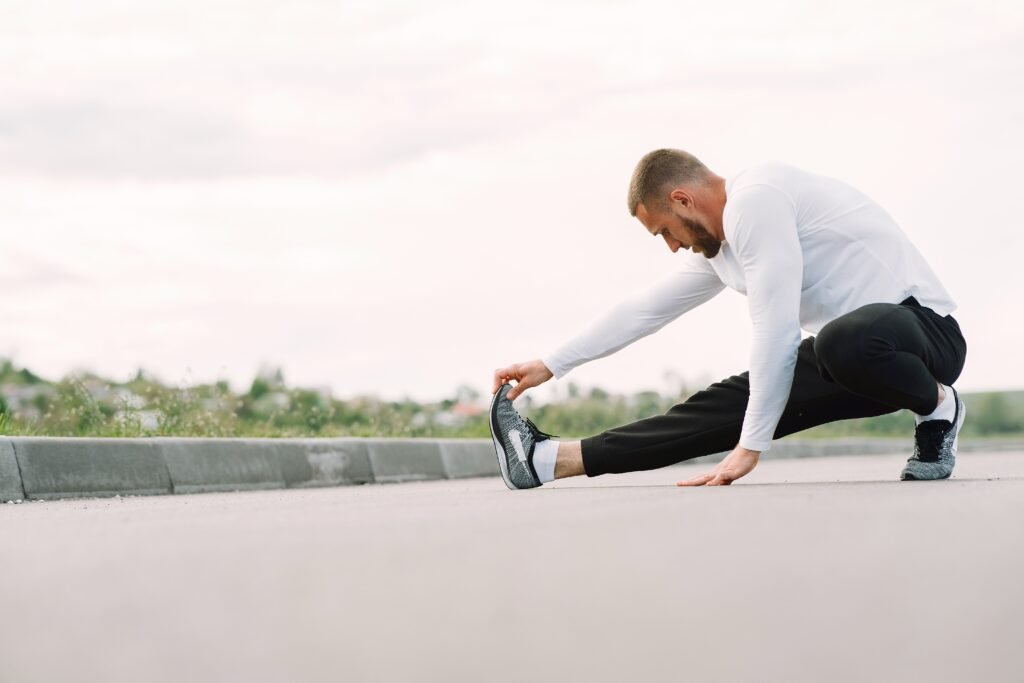
Regular exercise plays an important role in maintaining a healthy and active lifestyle. It supports physical health, improves mental well-being, and can increase daily energy. Activities such as walking, cycling, swimming, and strength training help strengthen muscles, support heart health, and improve endurance. Exercise can also reduce stress, improve sleep quality, and boost confidence. You do not need complicated workouts to enjoy these benefits. Simple, consistent physical activity can make a meaningful difference over time. By making exercise part of your daily routine, you can improve your overall health and build habits that support long-term wellness.
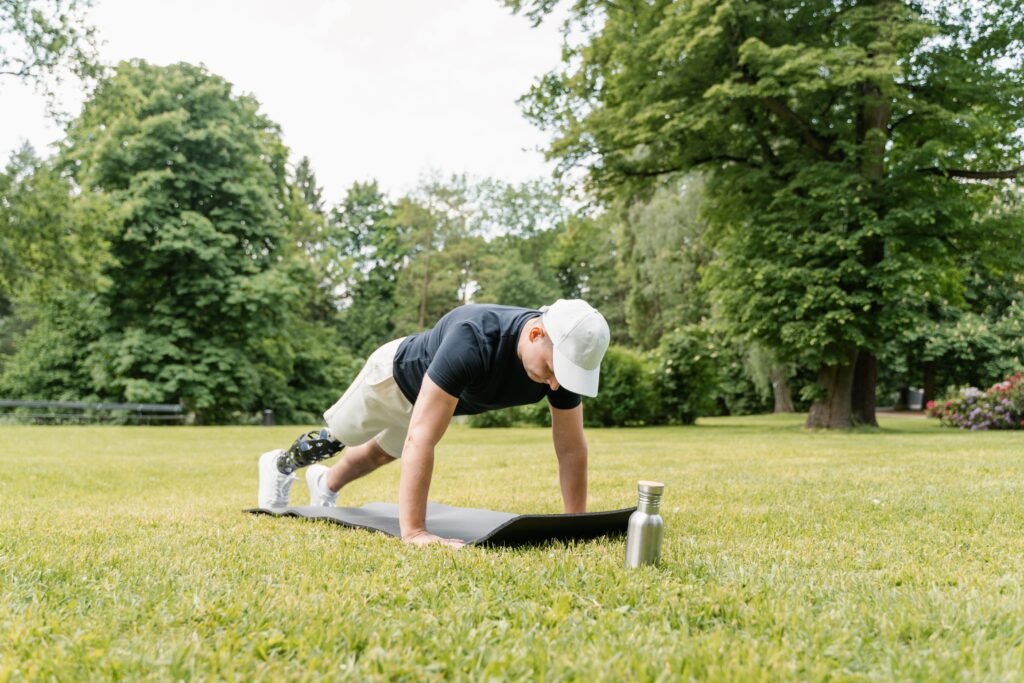
Regular exercise is one of the most effective ways to improve your overall health. You do not need an intense workout routine to experience its benefits. Walking, cycling, swimming, strength training, and other physical activities can make a meaningful difference when practiced consistently.
Exercise supports both physical and mental well-being. It can strengthen muscles, improve heart health, increase energy, and support better sleep. At the same time, physical activity can reduce stress, improve mood, and support cognitive health.
1. Improves Heart Health
Regular exercise keeps your cardiovascular system active and healthy. Activities such as brisk walking, jogging, and cycling can strengthen the heart and improve circulation.
Exercise may also help maintain healthy blood pressure and cholesterol levels. Over time, these benefits can support better cardiovascular health.
2. Helps Manage Body Weight

Exercise burns calories and supports healthy weight management. Combining regular physical activity with balanced nutrition can help you maintain a healthy body composition.
Strength training is also useful because it helps build and maintain lean muscle. A consistent routine is more effective than short-term, intense workouts.
3. Builds Stronger Muscles and Bones
Strength exercises help improve muscular strength and endurance. Weight training, resistance exercises, and bodyweight movements can all support stronger muscles.
Regular physical activity also helps maintain bone strength. This is especially important as you get older.
4. Boosts Energy Levels
It may seem surprising, but exercise can help you feel more energetic. Physical activity improves circulation and supports the efficient delivery of oxygen throughout the body.
Even a short walk can help you feel more alert. Regular movement can also make everyday activities feel easier.
5. Supports Mental Health

Exercise can have a positive effect on mental well-being. Physical activity encourages the release of chemicals in the brain that can improve mood.
Regular exercise may also help reduce feelings of stress and anxiety. Activities such as walking, yoga, and cycling can provide an opportunity to relax and clear your mind.
6. Improves Sleep Quality
Regular physical activity can support better sleep. People who exercise consistently may find it easier to fall asleep and maintain a regular sleep schedule.
However, exercise timing can matter. If intense workouts make it harder for you to sleep, consider exercising earlier in the day.
7. Supports Brain Health
Exercise does more than strengthen your body. It also supports brain health by increasing blood flow and encouraging regular physical activity.
Walking, aerobic exercise, and strength training can help you stay active and mentally engaged. Exercise is therefore an important part of a healthy lifestyle.
8. Strengthens the Immune System
A healthy lifestyle includes regular physical activity. Moderate exercise can support normal immune function and contribute to overall wellness.
Exercise should be combined with other healthy habits. A balanced diet, adequate sleep, hydration, and stress management are also important.
9. Improves Flexibility and Mobility

Regular movement can help maintain flexibility and mobility. Stretching, yoga, and mobility exercises can improve your ability to move comfortably.
Better mobility can also make everyday activities easier. It may help you perform exercises with better technique and confidence.
10. Increases Confidence and Quality of Life
Exercise can help you feel stronger and more capable. Reaching fitness goals can create a sense of achievement and improve confidence.
You may also notice that everyday activities become easier. Over time, these changes can contribute to a more active and enjoyable lifestyle.
How to Make Exercise a Regular Habit
The key to gaining the benefits of exercise is consistency. Start with activities that fit your lifestyle and fitness level.
Try these simple strategies:
- Start with short workouts.
- Choose activities you enjoy.
- Set realistic fitness goals.
- Schedule exercise into your day.
- Increase intensity gradually.
- Include rest and recovery.
- Track your progress.
You do not have to exercise perfectly. The goal is to create a routine that you can maintain over time.
Regular exercise provides benefits for both physical and mental health. It supports heart health, strength, weight management, energy, sleep, brain health, and emotional well-being. It can also improve mobility and confidence.
The best exercise routine is one that you can follow consistently. Start with manageable activities and gradually build your fitness level. With patience and regular movement, exercise can become an important part of a healthier lifestyle.
Frequently Asked Questions
1. How much exercise should adults get each week?
Adults should generally aim for at least 150 minutes of moderate-intensity physical activity each week. Strength-training activities should also be included regularly.
2. Can exercise improve mental health?
Yes. Regular physical activity can support mood, reduce stress, and contribute to better overall mental well-being.
3. Is walking enough exercise?
Walking is an excellent form of physical activity. Brisk walking can improve cardiovascular fitness and help you stay active. Combining walking with strength exercises can provide additional benefits.
4. How long does it take to see exercise results?
Results vary from person to person. You may notice improvements in energy, mood, and fitness within weeks. Changes in strength, endurance, and body composition usually require consistent exercise over a longer period.
5. Should beginners exercise every day?
Beginners should focus on gradual progress rather than exercising intensely every day. Include rest or lighter activity when needed, and allow your body time to recover.