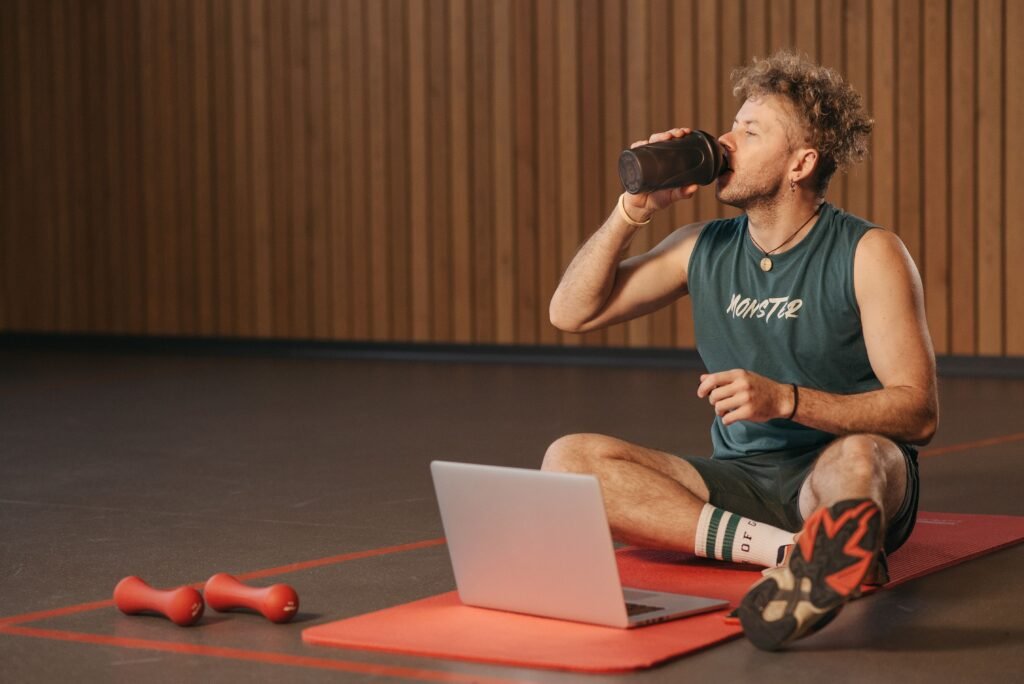

Smart home gyms offer unprecedented convenience, leveraging digital resistance technology and AI-automated coaching to deliver personalized workouts. For busy individuals focusing on hypertrophy, cardiovascular health, or general longevity, connected hardware eliminates commute friction while maintaining consistent progressive overload. However, limitations remain. Elite powerlifters and athletes requiring heavy absolute loading or specialized biomechanical isolation machines still rely on physical facilities. While smart technology successfully replaces standard memberships for general health, a hybrid fitness model combining at-home consistency with commercial equipment offers the ultimate balance of versatility, performance, and flexibility.
The Evolution of Modern Workouts: Smart Gyms vs. Commercial Facilities
Determining whether connected home equipment can fully replace traditional commercial gyms depends entirely on your personal goals, available space, and community preferences.
The rapid adoption of smart home technology directly addresses common gym frustrations. It eliminates commute time, avoids peak-hour crowds, and replaces static routines with adaptive workouts. However, despite these technological advances, fundamental differences remain between digital setups and physical facilities.
Core Differences in Convenience and Resistance

When evaluating accessibility, smart home gym ecosystems deliver instant, 24/7 access with zero commute. In contrast, traditional gyms require travel and adherence to fixed operating hours.
In terms of resistance, smart gyms utilize digital and electromagnetic loading with automated dynamic adjustments. Commercial facilities, however, rely on heavy iron, free weights, bumper plates, and specialized plate-loaded machines.
Data Tracking and Financial Considerations
Data collection is another major area of divergence. Smart platforms provide automated logbooks, real-time form feedback, velocity tracking, and biometric integration. Traditional settings depend mostly on manual tracking, self-monitoring, or direct in-person coaching.

Financially, smart gyms demand a high upfront hardware investment alongside ongoing software subscription fees. Conversely, commercial gyms offer predictable monthly or annual membership costs with low upfront friction.
Community and Atmosphere
Community dynamic is another key factor to consider. Smart gyms foster digital connections through virtual leaderboards and live-streamed classes. On the other hand, traditional facilities cultivate a physical environment filled with real-world energy and shared accountability.
Where Smart Home Gyms Excel
Smart home gyms stand out for their dynamic loading capabilities. Connected platforms adjust tension seamlessly throughout both the concentric and eccentric phases of an exercise. This maintains consistent muscle engagement without relying on momentum.
Additionally, integrated computer sensors and biomechanical tracking analyze joint angles, tempo, and posture in real time. They deliver instant cues to preserve proper form and balance muscular output.
From a spatial standpoint, wall-mounted units and compact digital cable towers efficiently replace bulkier multi-station setups. They offer a comprehensive strength system within a minimal footprint.
Key Limitations of At-Home Connected Hardware
Despite their efficiency, smart cable systems face physical limitations, particularly regarding absolute weight capacity. Most digital fitness devices cap out between 200 and 250 pounds of total resistance. This falls short of the demands of advanced powerlifters performing heavy compound lifts like deadlifts and squats.
Furthermore, digital cables struggle to replicate the precise mechanics of specialized gym machinery. Target-isolation equipment—such as pendulum squats, belt squats, standing calf machines, and lying leg curls—cannot be completely mirrored by variable cable angles.
There is also a psychological trade-off. Virtual leaderboards provide gamified motivation, but they rarely capture the raw focus, collective energy, and organic camaraderie found inside a dedicated gym.
Total Replacement vs. the Hybrid Model

For individuals prioritizing general physical health, body recomposition, hypertrophy, and optimal time management, a smart home gym can easily serve as a full substitute for a commercial membership.
Conversely, competitive powerlifters and bodybuilders seeking maximum mechanical load will achieve superior outcomes through a hybrid model. Combining the daily convenience of smart home gear with periodic visits to a commercial facility ensures consistent volume alongside access to heavy, specialized equipment.
Frequently Asked Questions (FAQs)
Q1: Does digital resistance feel the same as traditional free weights?
No. Digital electromagnetic resistance delivers smooth, constant tension across the entire range of motion. Unlike free weights, which rely on gravity and momentum, digital resistance can increase tension specifically during the eccentric (lowering) phase of a lift.
Q2: Are smart home gyms worth the long-term investment?
If convenience and consistency are your primary obstacles, yes. While upfront hardware costs are high, breaking down the cost over a 3-to-5-year period—especially for multi-user households—often compares favorably to commercial memberships, commuting costs, and saved time.
Q3: Can you build maximum muscle hypertrophy using only smart cable systems?
Yes. Progressive overload, mechanical tension, and metabolic stress drive muscle hypertrophy. Smart systems deliver mechanical tension effectively and can automate progressive overload by increasing resistance incrementally as you get stronger.
Q4: What happens if a smart gym machine loses a Wi-Fi connection?
Most smart gyms require an active Wi-Fi connection to stream workout classes, sync biometric data, and load adaptive profiles. However, many platforms offer offline modes that allow you to use basic manual weights and custom routines without an active internet connection.
Q5: Can smart gyms accommodate multiple family members?
Yes. Most connected platforms support multiple user profiles under a single membership tier. Each user receives personalized resistance baselines, progress tracking, and AI workout recommendations tailored to their individual strength profile.