
Dynamic Approaches to Health in American Fitness Culture

Fitness in the USA relies on structured exercise, diverse choices, and digital innovation. Because car-centric environments limit natural commuting, Americans actively schedule workouts into their weekly routines. Millions maintain health using commercial gyms, low-cost chains, and specialized boutique studios like HIIT, Pilates, and CrossFit. Home workouts with wearable trackers and garage gyms offer flexible options for busy schedules. Meanwhile, outdoor activities like trail running, hiking, and pickleball complement strength training and high-protein nutrition. This blend of indoor facilities, outdoor recreation, and smart technology drives long-term physical wellness.
Fitness culture in the United States is vast, multi-billion-dollar, and highly diverse. Because daily life in America varies significantly by location and lifestyle, people maintain their physical health using a wide range of approaches—from modern commercial gyms and specialized boutique studios to outdoor recreation and home workouts.
Unlike countries where fitness is built naturally into daily commutes through walking or cycling, many Americans actively schedule exercise into their week to balance sedentary desk jobs and car-centric suburbs.
1. Commercial Gyms and Specialized Fitness Studios
Commercial fitness facilities are a primary cornerstone of American health culture. Over 60 million Americans hold memberships to health clubs or athletic centers.
Big-Box Gyms and Low-Cost Chains
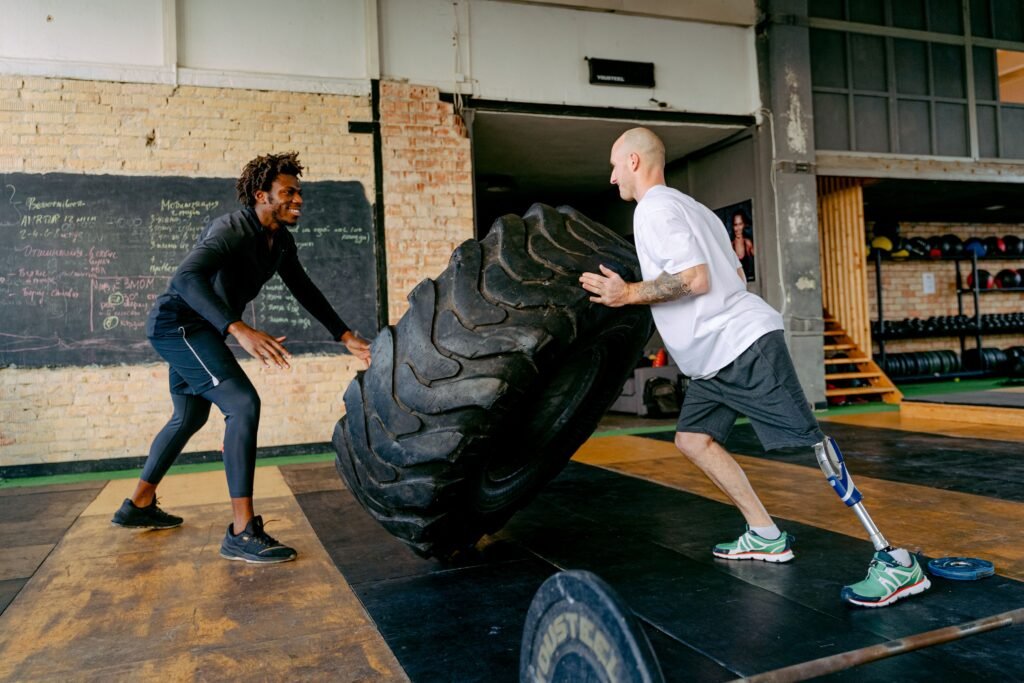
Low-cost 24/7 fitness chains like Planet Fitness, Anytime Fitness, and Crunch Fitness make exercise accessible and affordable across suburban and rural areas. Mid-to-high-tier clubs like Gold’s Gym, Equinox, and Life Time offer extensive strength-training facilities, swimming pools, indoor tracks, and luxury amenities.
The Rise of Boutique Fitness
Over the last decade, boutique studios focusing on specialized group workouts have exploded in popularity across American cities:
- High-Intensity Interval Training (HIIT): Brands like OrangeTheory Fitness and F45 offer heart-rate-monitored group workouts combining cardio and strength.
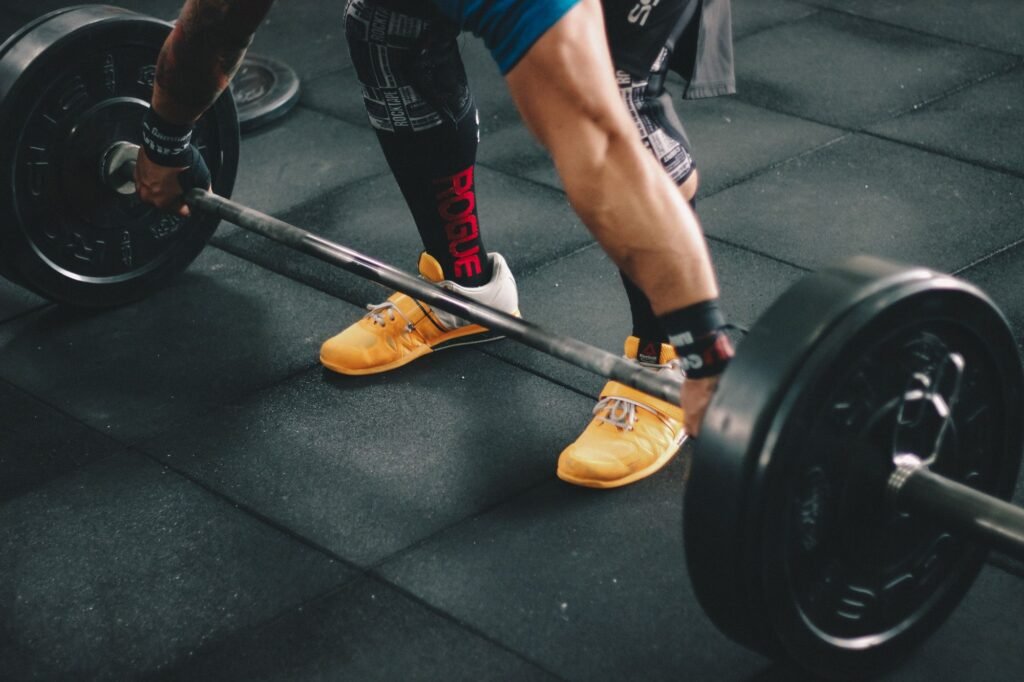
- CrossFit: A deeply rooted community culture centered on functional strength, barbell training, and competitive conditioning.
- Pilates and Lagree Method: Studios like Club Pilates use reformer machines for core stability, posture, and low-impact strength.
- Indoor Cycling: High-energy spinning classes (like SoulCycle) blend rhythm-based cardio with intense group motivation.
2. Outdoor Recreation and Youth Sports
Outdoor activities form a major component of fitness for millions of Americans, particularly in coastal regions, mountainous states, and suburban communities.
Recreational Athletics and Running Culture
Road running and trail running are major pastimes across the U.S. Cities host massive marathons, 10Ks, and casual 5K charity runs year-round. Adult recreational leagues—for sports like softball, basketball, soccer, pickleball, and kickball—allow adults to stay active while socializing after work.
Nature and Trail Sports
Hiking, mountain biking, kayaking, and skiing are deeply embedded in regional American cultures, particularly in states like Colorado, Utah, Oregon, and California. Weekends are frequently dedicated to outdoor excursions in state and national parks.
3. Home Workouts and Digital Fitness
Convenience plays a major role in modern American exercise habits. Home fitness equipment allows busy parents and professionals to exercise without a commute.

- Connected Fitness Hardware: Smart stationary bikes, treadmills, and digital mirrors allow users to stream live and on-demand classes from home.
- On-Demand Apps and Streaming: Workout platforms offer bodyweight routines, yoga sessions, and dumbbell workouts accessible on smartphones and smart TVs.
- Garage Gyms: Many suburban homeowners build dedicated weight rooms in garage or basement spaces, equipped with power racks, barbells, and adjustable dumbbells.
4. Diet, Supplements, and Wearable Technology
Physical movement in the U.S. is heavily complemented by an active wellness industry focused on performance and nutrition.
- Wearable Health Trackers: Smartwatches, fitness bands, and smart rings are widely used to monitor daily step counts, heart rate variability, sleep quality, and burned calories.
- High-Protein and Functional Nutrition: Protein powders, meal-replacement shakes, creatine, and pre-workout supplements are mainstream consumer products stocked in standard grocery stores.
- Diverse Dietary Trends: Americans frequently pair their exercise routines with specific nutritional frameworks, such as high-protein diets, macro-tracking, intermittent fasting, plant-based diets, or low-carb plans.

Frequently Asked Questions
What is the most popular sport or exercise in the USA?
Running/jogging, weightlifting, and general treadmill/cardio workouts are the most widely practiced individual fitness activities in the United States.
How many times a week do Americans usually work out?
Active Americans typically exercise 3 to 5 days per week, with average workouts lasting between 45 and 75 minutes.
What is pickleball, and why is it so popular in the U.S.?
Pickleball is a low-impact racket sport combining elements of tennis, badminton, and ping-pong. It became the fastest-growing sport in the U.S. due to its low barrier to entry, social nature, and accessibility for all age groups.
How much does a gym membership cost in the USA?
Prices vary significantly. Budget chains cost between $10 and $25 per month, mid-range gyms cost $40 to $80 per month, and luxury clubs or specialized boutique studios can cost $150 to $300+ per month.
Is outdoor walking common for fitness in the U.S.?
While walking for fitness is very popular, many suburban and rural areas lack pedestrian infrastructure (like sidewalks). Consequently, Americans often drive to local parks, nature trails, or shopping malls specifically to go for fitness walks.
