
Balanced Routines Driving Modern French Fitness Culture
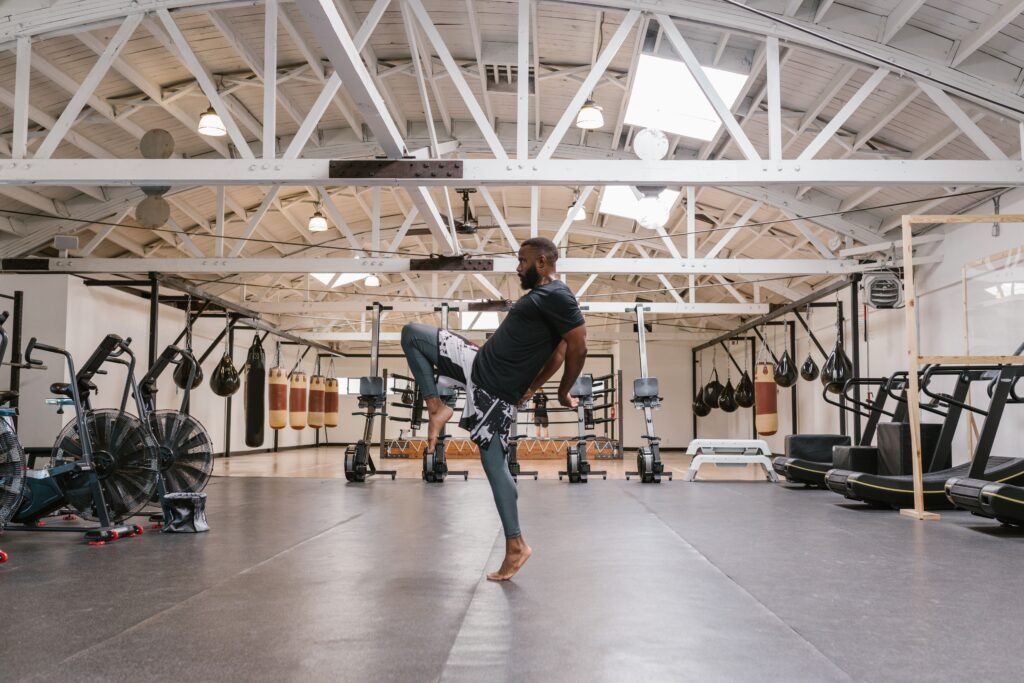
French fitness culture blends structured gym workouts with natural daily movement. Rather than embracing extreme “no pain, no gain” mentalities, gym-goers focus on functional strength, lean toning, and cardiovascular health. Low-cost and boutique gyms (salles de sport) offer weightlifting (musculation), group Pilates, and cycling. This indoor exercise complements active daily routines, like walking through city centers and weekend outdoor activities. Combined with post-workout sauna recovery and mindful nutrition, the French approach to fitness prioritizes sustainable well-being, posture, and lifelong vitality without strict, over-exhausting routines.
When thinking about fitness in France, intense gym routines rarely come to mind. Traditionally, French health culture leans toward natural movement and mindful nutrition. Outdoor activities also play a major role in daily life. However, commercial gyms have evolved rapidly over the past decade. Locals call these fitness centers salles de sport.
Today, French citizens approach gym memberships through a balanced cultural lens. People avoid an all-or-nothing mindset. Instead, fitness enthusiasts integrate gym workouts into a holistic lifestyle. Pleasure, recovery, and aesthetic well-being hold equal weight in this balanced approach.
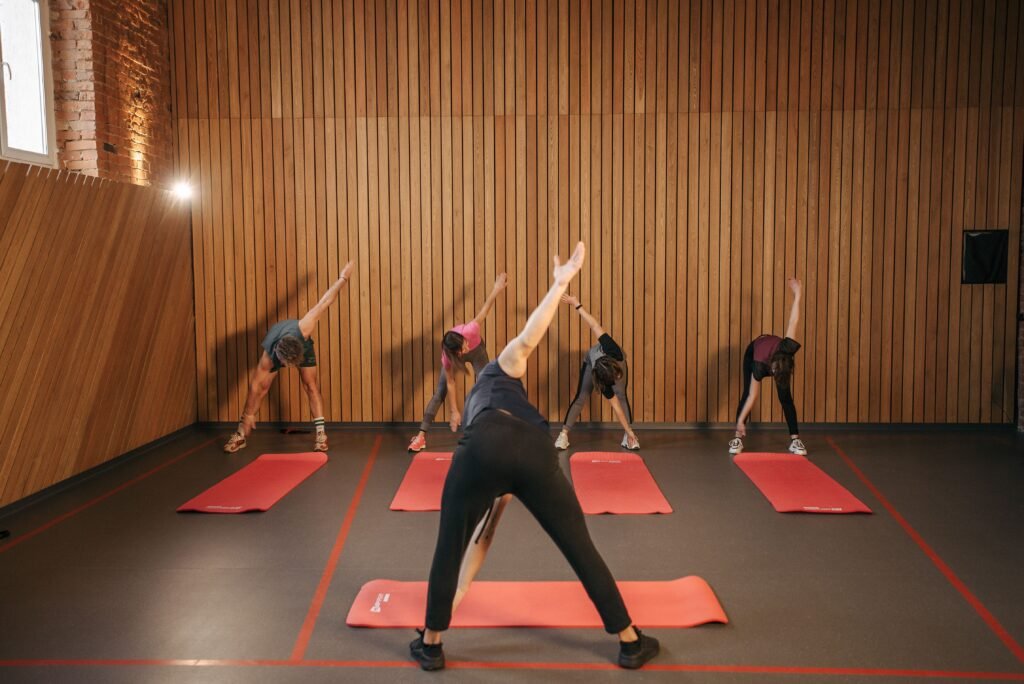
1. The Rise of Salles de Sport in Modern France
Historically, French culture viewed commercial gyms with skepticism. People associated gyms with niche bodybuilding or excessive physical strain. Today, that perception has completely shifted.
From Niche Culture to Everyday Habit
Budget-friendly chains make gym access effortless today. Premium boutique studios and low-cost 24/7 fitness centers thrive in major cities. You can find them across Paris, Lyon, Marseille, and Bordeaux. Young professionals and students regularly frequent these fitness centers. Active seniors also use them to balance sedentary work environments with structured physical effort.
Fitness as an Aesthetic and Functional Goal
Muscle hypertrophy remains a goal for some individuals. However, the average French gym-goer prioritizes lean muscle tone. Functional mobility and general cardiovascular endurance are top priorities as well. Workouts help individuals feel energetic throughout the day. They also improve posture and maintain a balanced physique without over-exhausting the body.
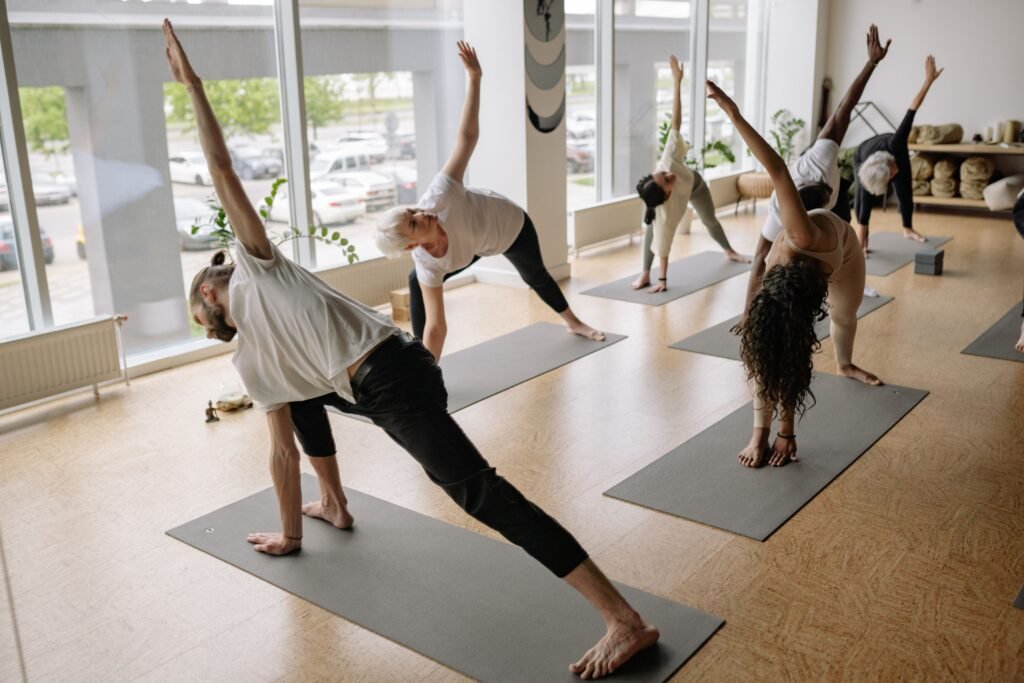
2. Typical Gym Routines and Popular Classes
French fitness routines reflect a clear preference for structured training styles. These workouts combine strength with flexibility for efficient results.
Strength Training and Bodyweight Movements
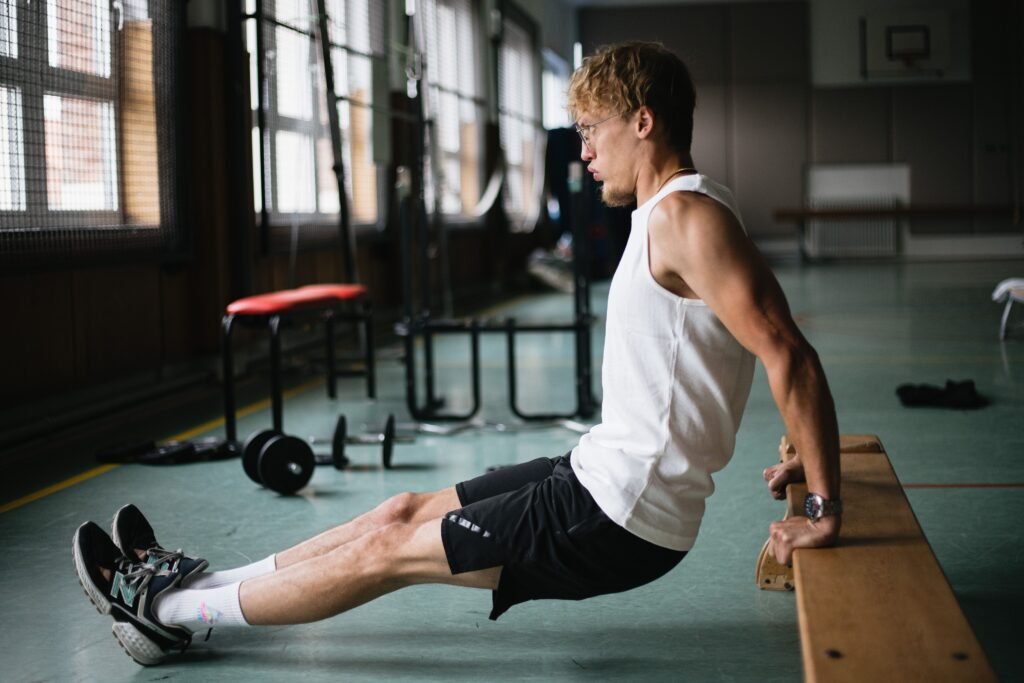
Weightlifting (musculation) is widely popular among men and women. Free weights and cable machines form the core of most routines. Bodyweight exercises are equally common. Women increasingly utilize weight zones for compound movements like squats and deadlifts. As a result, they step away from old stereotypes about resistance training.
Group Fitness and Trend-Driven Classes
Group classes (cours collectifs) draw many French gym members. Popular offerings include:
- Pilates and Core Training: Members favor these classes for posture refinement, core stability, and low-impact toning.
- Cycling and Spinning (Aquabike): Indoor cycling is immensely popular for low-impact cardio. Its uniquely French cousin, aquabiking, involves cycling in an individual water basin to support lymphatic drainage.
- Les Mills and HIIT: High-intensity interval training classes provide efficient workouts for busy urban professionals.
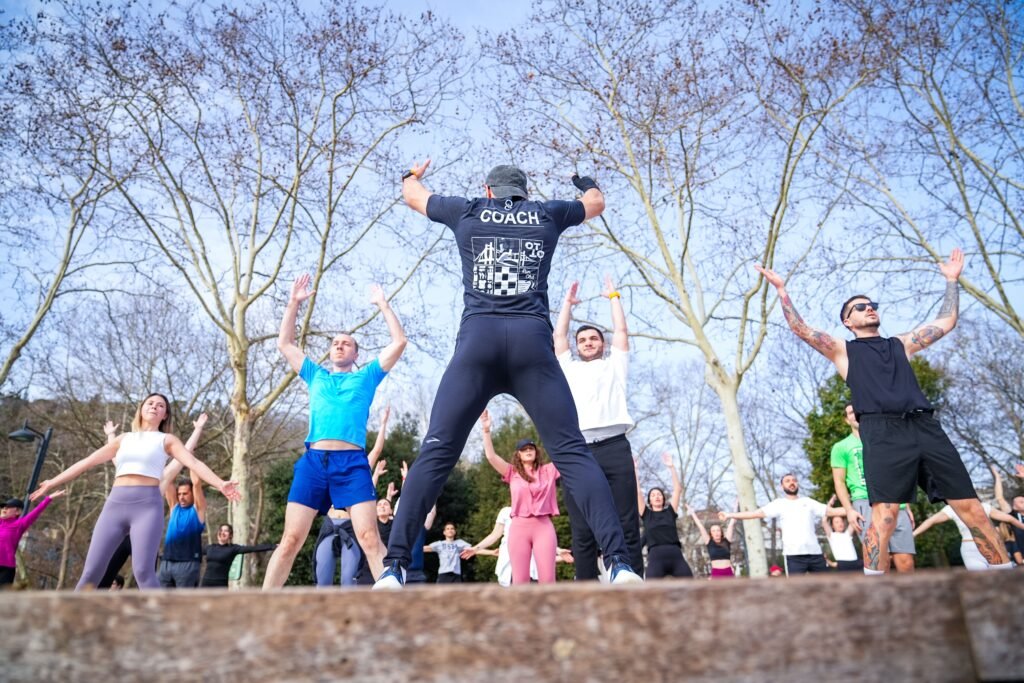
3. The French Fitness Philosophy: Balance over Extremes
Moderation is the defining characteristic of French gym culture. People treat fitness as a component of a good life rather than a restrictive identity.
“No Pain, No Gain” vs. Sustainable Fitness
Pushing your body to absolute failure is rarely a badge of honor in France. In fact, most people view overtraining as counterproductive. Workouts leave practitioners energized rather than incapacitated. Consequently, people still have energy to enjoy an evening meal or a long walk through the city.
The Role of Recovery and Wellness
Post-workout recovery is taken seriously. Mid-range and upscale French fitness centers feature dedicated wellness areas. These spaces include saunas, steam rooms (hammams), and relaxation zones. People view muscle recovery, skin health, and mental decompression as essential parts of the fitness process.
4. Integrating the Gym with Outdoor and Daily Activity
A gym membership does not replace daily natural movement in France. Instead, indoor workouts complement an active lifestyle.
- Active Daily Mobility: Most French city dwellers walk several kilometers every day. They take stairs in Metro stations and stroll through city plazas. Gym sessions build upon this active baseline.
- Weekend Outdoor Pursuits: Gym workouts take a backseat on weekends. People prefer outdoor activities like running (le foot), cycling, hiking, or playing tennis. The gym serves as indoor preparation for real-world movement.
- Mindful Eating over Rigid Diets: French gym culture rarely involves extreme meal prepping or strict calorie counting. Instead, gym-goers pair exercise with fresh, seasonal foods and moderate portions. This approach leaves room for traditional gastronomy without guilt.
Frequently Asked Questions
What are gyms called in France?
Gyms are most commonly called salles de sport or salles de fitness. The specific weightlifting area inside a gym is called the espace musculation.
Is weightlifting popular among women in France?
Yes, weightlifting has grown significantly among French women. Most women incorporate resistance training, kettlebells, and barbell exercises alongside Pilates and cardio.
How often do French people go to the gym?
On average, regular gym members in France train two to four times per week. Sessions typically last between 45 and 75 minutes to maintain efficiency and consistency.
Are commercial gyms expensive in France?
Prices vary widely by facility. Low-cost chains cost between €20 and €30 per month. Meanwhile, mid-range and boutique wellness centers cost between €50 and €100 per month.
Do French people use personal trainers?
Yes, personal training (coaching particulier) is popular among beginners and people with specific goals. Many gym chains also offer small-group coaching sessions as an affordable alternative.
Frequently Asked Questions
What are gyms called in France?
Gyms are most commonly called salles de sport or salles de fitness. Specific weightlifting areas inside a gym are referred to as the espace musculation.
Is weightlifting popular among women in France?
Yes, weightlifting has seen significant growth among French women over the past decade. Most women incorporate resistance training, kettlebells, and barbell exercises alongside functional training, Pilates, and cardio.
How often do French people go to the gym?
On average, regular gym members in France train two to four times per week. Sessions typically last between 45 and 75 minutes, keeping the focus on efficiency and consistency rather than marathon workouts.
Are commercial gyms expensive in France?
Gym membership prices vary widely. Low-cost chains (such as Basic-Fit or Fitness Park) cost between €20 and €30 per month, while mid-range and boutique wellness centers range from €50 to well over €100 per month.
Do French people use personal trainers?
Yes, personal training (coaching particulier) is popular, particularly among beginners or those with specific rehabilitation or performance goals. Many gym chains also offer small-group coaching sessions as a middle ground between solo workouts and private training.
