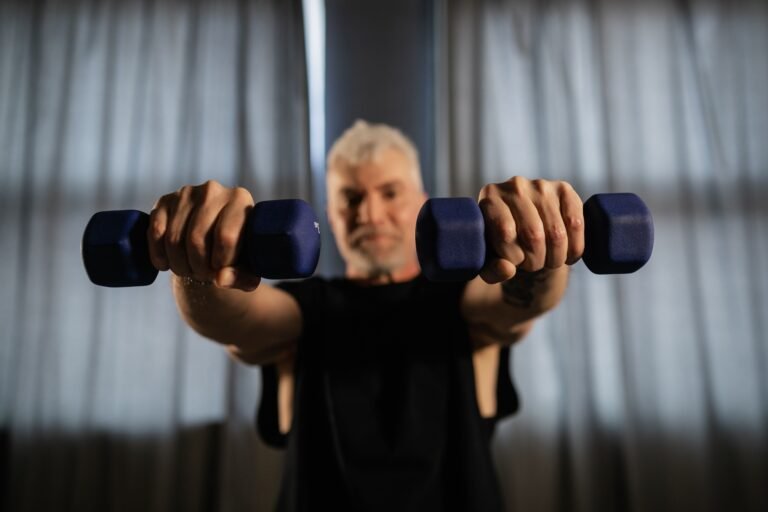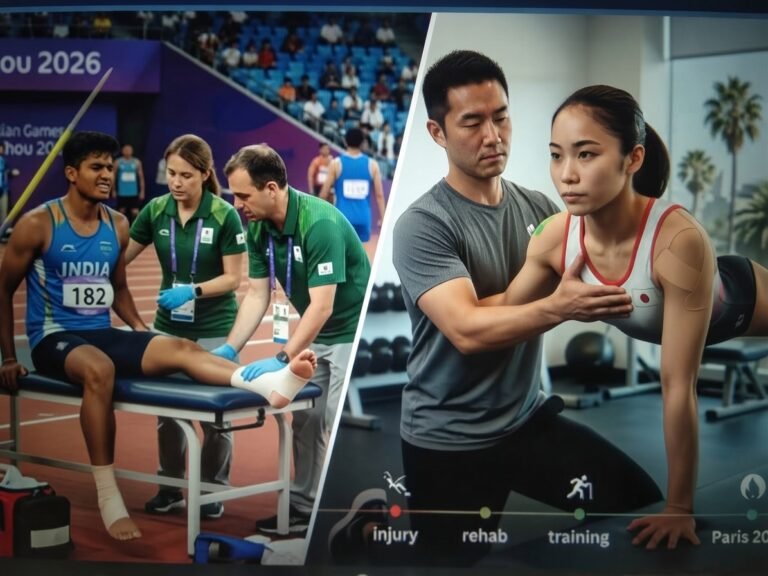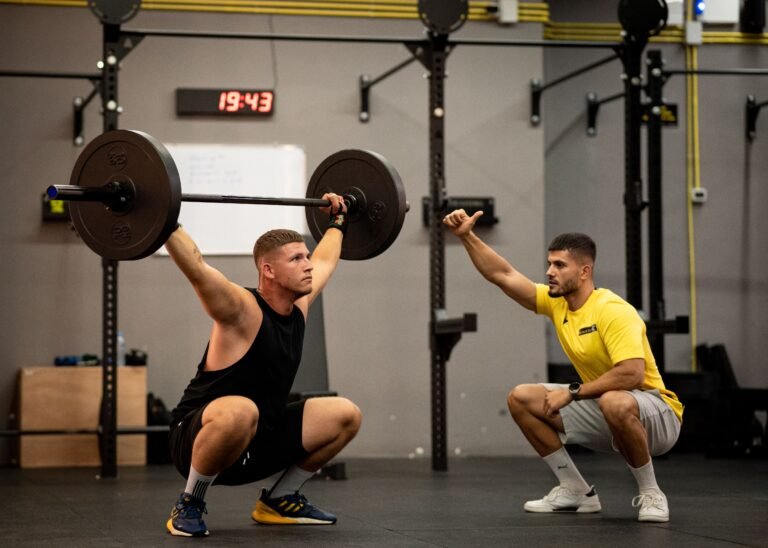


Physical fitness is essential in our increasingly sedentary world, acting as a defense against chronic health conditions, anxiety, and mental exhaustion. Desk jobs and digital lifestyle habits require intentional movement to maintain metabolic health and cardiovascular strength. By leveraging modern technology—such as smart wearables, AI-driven workout customization, and biometric tracking—individuals can optimize performance and recovery with precision. Integrating brief, high-intensity workouts and active habits into daily routines boosts cellular energy and sharpens executive focus. Using scientific recovery techniques and digital health tracking helps people build sustainable vitality and peak daily productivity.
In the modern era, physical fitness has transformed from a mere survival necessity into a cornerstone of health, productivity, and mental well-being. Historically, human life demanded continuous physical exertion for hunting, agriculture, and manual labor. Today, automation, desk jobs, and digital screens have created a globally sedentary lifestyle.
Understanding why fitness is critical today—and learning how to leverage modern tools, technology, and science to achieve it—can dramatically transform your quality of life.

Why Physical Fitness Is Vital in Today’s World
Physical inactivity is currently recognized as one of the leading risk factors for non-communicable diseases worldwide. Prioritizing physical fitness offers profound benefits across all areas of life:
1. Disease Prevention and Longevity
Regular physical activity strengthens the cardiovascular system, lowers resting blood pressure, and improves insulin sensitivity. It significantly reduces the risk of chronic conditions such as Type 2 diabetes, stroke, hypertension, and several forms of cancer.
2. Mental Health and Cognitive Function
Exercise acts as a natural remedy for stress and anxiety. Physical activity stimulates the release of endorphins, dopamine, and serotonin—neurotransmitters that elevate mood. Furthermore, exercise enhances neuroplasticity by increasing levels of Brain-Derived Neurotrophic Factor (BDNF), improving memory, focus, and long-term cognitive health.
3. Energy Levels and Productivity
Contrary to the belief that exercise drains energy, consistent movement builds mitochondrial density in cells. This increases stamina, reduces daily fatigue, and improves workplace focus and problem-solving abilities.

How to Leverage Modern Technology for Maximum Fitness Results
While the modern digital environment contributes to physical inactivity, it also provides unprecedented tools to optimize human health. By adopting modern innovations, you can build a sustainable, highly efficient fitness routine.
1. Wearable Technology and Biometric Data
Devices like smartwatches, fitness trackers, and continuous glucose monitors (CGMs) have democratized personal health data. Trackers measure heart rate variability (HRV), sleep architecture (REM and deep sleep stages), daily active calories, and resting heart rate. Analyzing these metrics allows you to precisely adjust training intensity and recovery, preventing overtraining and injury.
       [ Wearable Trackers / CGMs ]
                   │
                   ▼
         [ Real-Time Health Data ]
  (HRV, Sleep Stages, Active Calories, RHR)
                   │
                   ▼
    [ AI Fitness Apps / Algorithmic Insights ]
                   │
                   ▼
   [ Personalized Training & Biohacking ]
 (Optimized Workouts, Meal Timing, Recovery)
2. AI-Powered Personalization and Smart Equipment
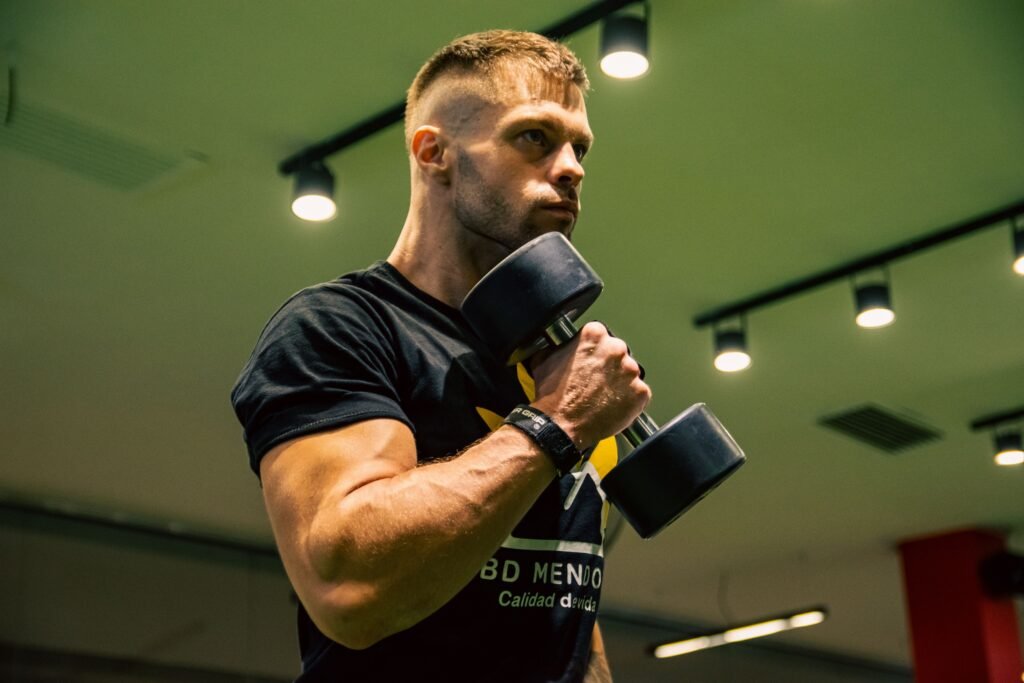
Artificial Intelligence (AI) fitness applications analyze individual user performance to create hyper-personalized workout programs. These apps adjust weight loads, repetitions, and rest periods in real time based on your progress. Connected home gym equipment also offers real-time form correction through computer vision, making high-quality instruction accessible from home.
3. Scientific Biohacking and Optimizing Recovery
Modern fitness extends beyond lifting weights and cardio—it emphasizes biohacking and accelerated recovery. Techniques such as infrared sauna therapy, cold water immersion (cryotherapy), targeted light therapy, and scientifically formulated supplementation help minimize inflammation and speed up muscular repair.
4. Digital Fitness Communities and On-Demand Coaching
Geographic barriers to top-tier coaching no longer exist. Online training platforms, virtual masterclasses, and digital fitness communities foster global accountability. Shared tracking apps and social fitness platforms encourage consistency through friendly competition and collective support.
Practical Blueprint: Integrating Fitness into a Busy Schedule
Achieving peak physical health in the modern world does not require spending hours in a traditional gym every day.
- Adopt Micro-Workouts: Incorporate 10- to 15-minute high-intensity interval training (HIIT) sessions or bodyweight circuits into busy workdays.
- Practice Active Sitting: Utilize standing desks, walking pads, or set hourly timers to walk 250 to 500 steps during work sessions.
- Focus on Progressive Overload: Use a simple tracking app to ensure your strength or endurance training progressively challenges your muscles over time.
- Prioritize Sleep Hygiene: Optimize your bedroom environment (60–67°F or 15–19°C, pitch black) to maximize human growth hormone (HGH) release during deep sleep cycles.

Frequently Asked Questions (FAQs)
1. Why is physical fitness more important now than in previous generations?
Modern lifestyles are predominantly sedentary due to desk jobs, screen time, and automation. Without intentional physical movement, individuals face higher risks of cardiovascular disease, metabolic disorders, and mental fatigue.
2. How many minutes of exercise are recommended per week?
Health organizations recommend at least 150 minutes of moderate aerobic activity (or 75 minutes of vigorous activity) per week, combined with strength-training exercises targeting all major muscle groups twice a week.
3. Can wearable fitness trackers really improve fitness outcomes?
Yes. Fitness trackers provide actionable biofeedback, such as step counts, resting heart rate, and sleep quality scores, which increase personal accountability and help prevent overtraining.
4. What is the most time-efficient workout method for busy professionals?
High-intensity interval training (HIIT) and compound resistance training (squats, deadlifts, and presses) offer the highest calorie burn and muscular adaptation in the shortest duration, often requiring just 20 to 30 minutes per session.
5. How does physical fitness directly benefit career productivity?
Exercise increases cerebral blood flow, boosts neurotransmitters that govern executive function, and improves resilience against workplace stress, leading to enhanced focus, creativity, and daily output.