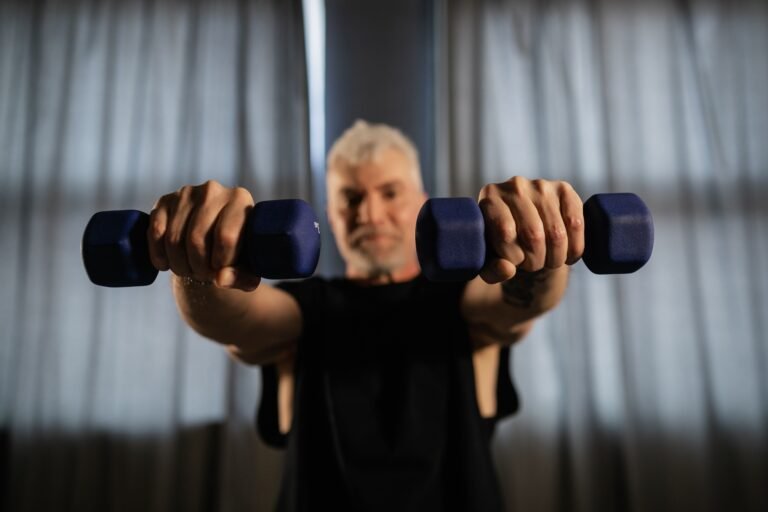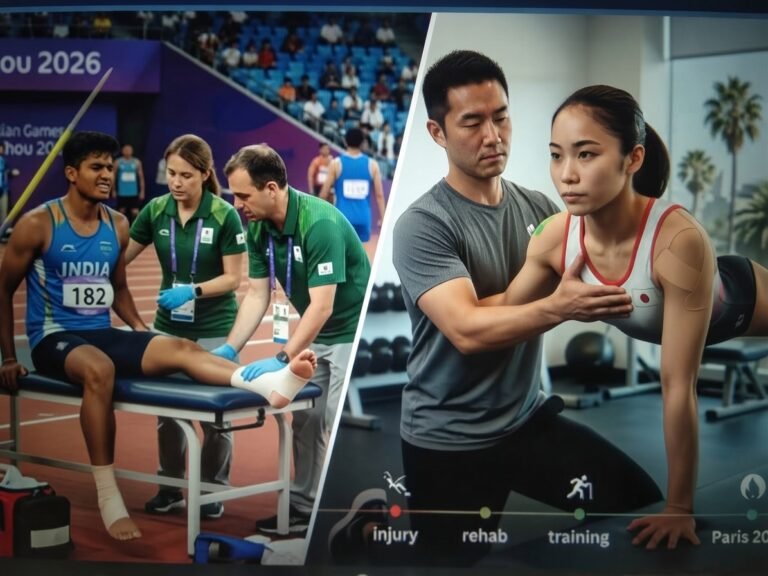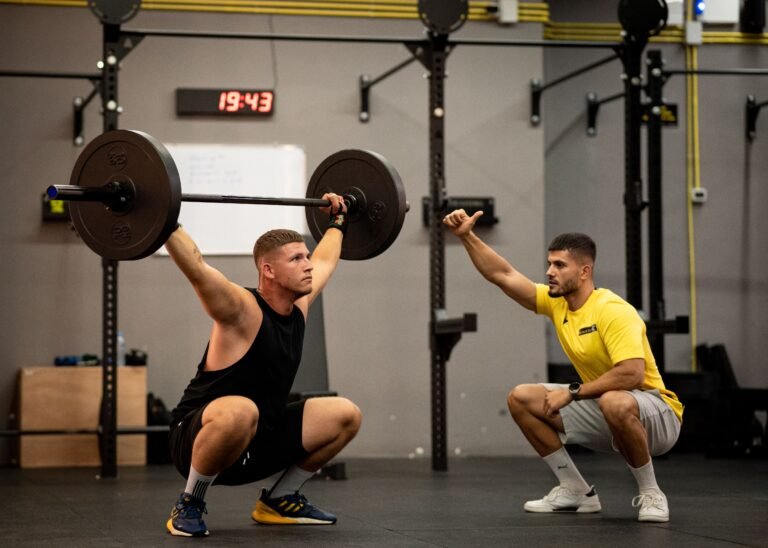
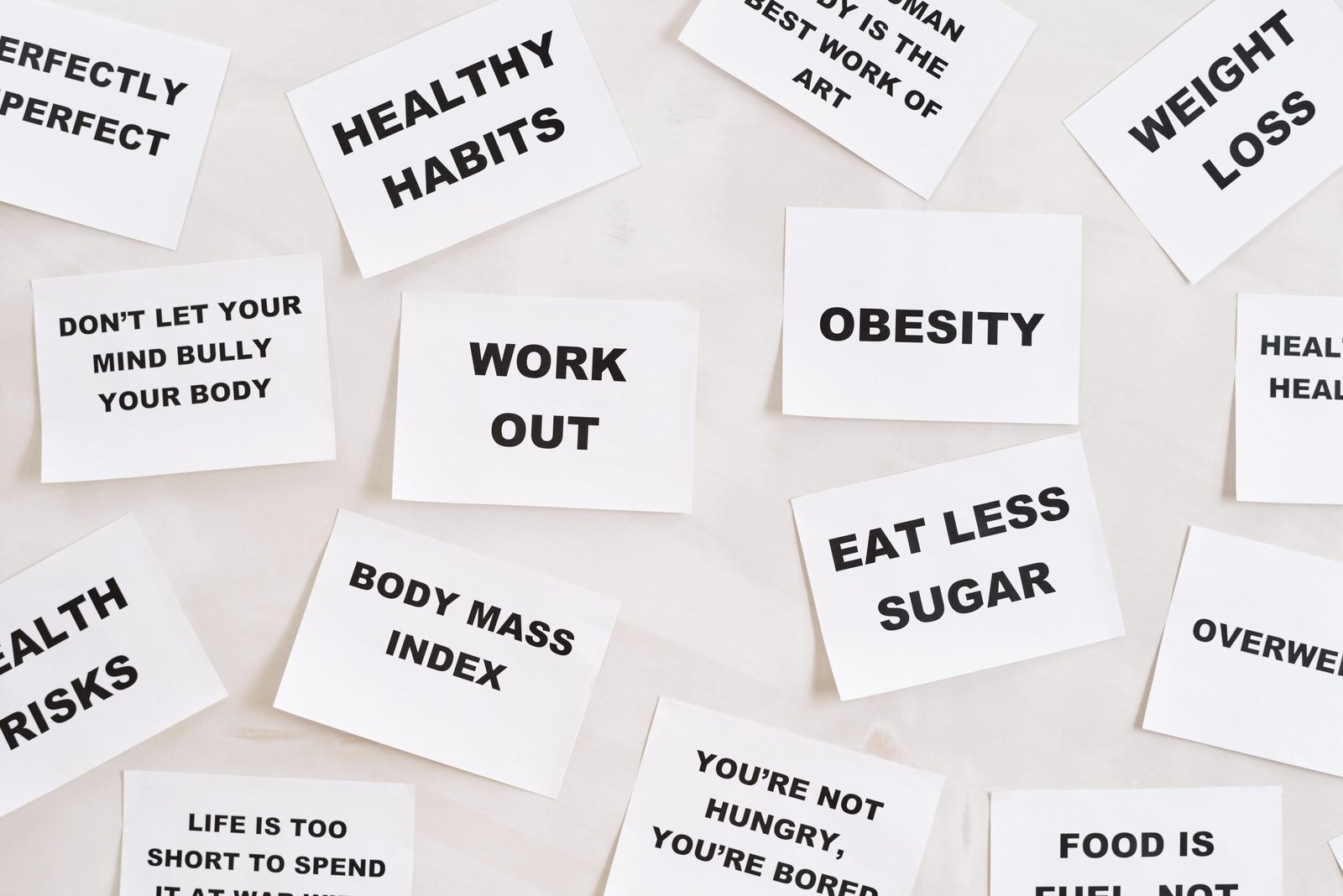
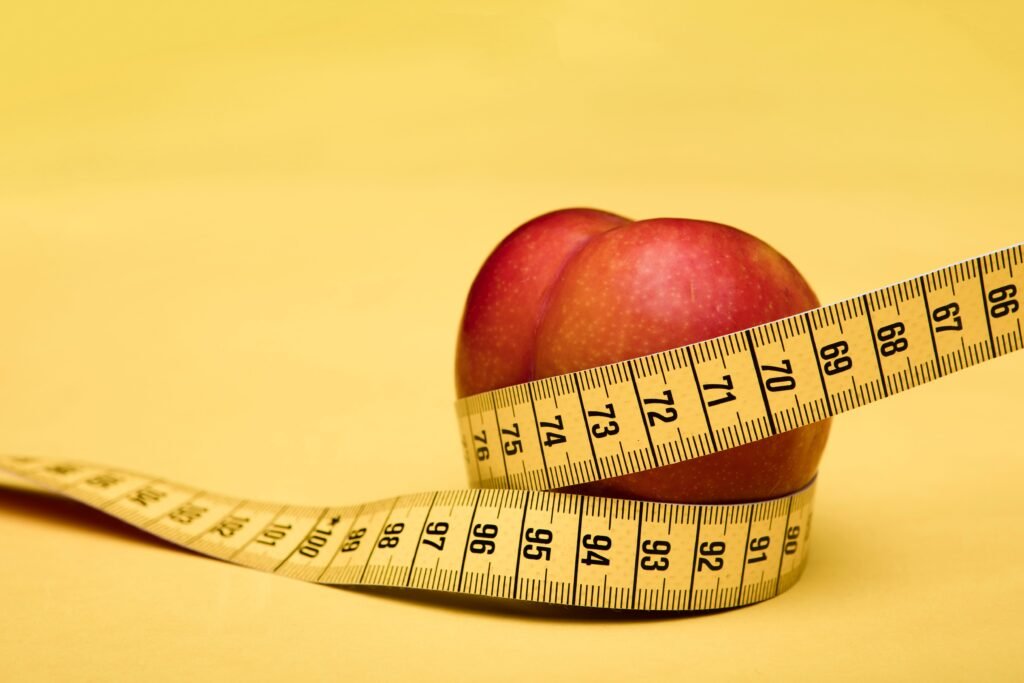
Many people judge their fitness journey solely by the number on the scale. However, body weight alone doesn’t accurately reflect your health, strength, or overall progress. Muscle gain, fat loss, improved endurance, and better mobility often occur without significant weight changes. Focusing only on the scale can lead to frustration and overlook important achievements. By tracking multiple indicators of fitness, you gain a more complete picture of your progress and stay motivated over time. In this guide, you’ll learn practical and effective ways to measure your fitness progress beyond the scale while building healthier habits that support long-term success.
Why the Scale Doesn’t Tell the Whole Story
Your body weight naturally fluctuates due to hydration, food intake, hormones, and muscle growth. If you’re exercising consistently, you may lose body fat while gaining lean muscle. Since muscle is denser than fat, the scale may remain unchanged even though your body composition is improving.
Instead of focusing on weight alone, evaluate how your body performs, feels, and changes over time.
Track Your Body Measurements
Measuring key body areas is one of the easiest ways to monitor fat loss. Use a measuring tape every four weeks to record your:
- Waist
- Hips
- Chest
- Arms
- Thighs
Small reductions in measurements often indicate fat loss, even when body weight stays the same.
Take Progress Photos
Photos provide visual proof of your transformation. Wear similar clothing, stand in the same lighting, and take pictures from the front, side, and back every month.
Comparing photos over time often reveals improvements that aren’t noticeable in daily life.
Monitor Your Strength and Performance
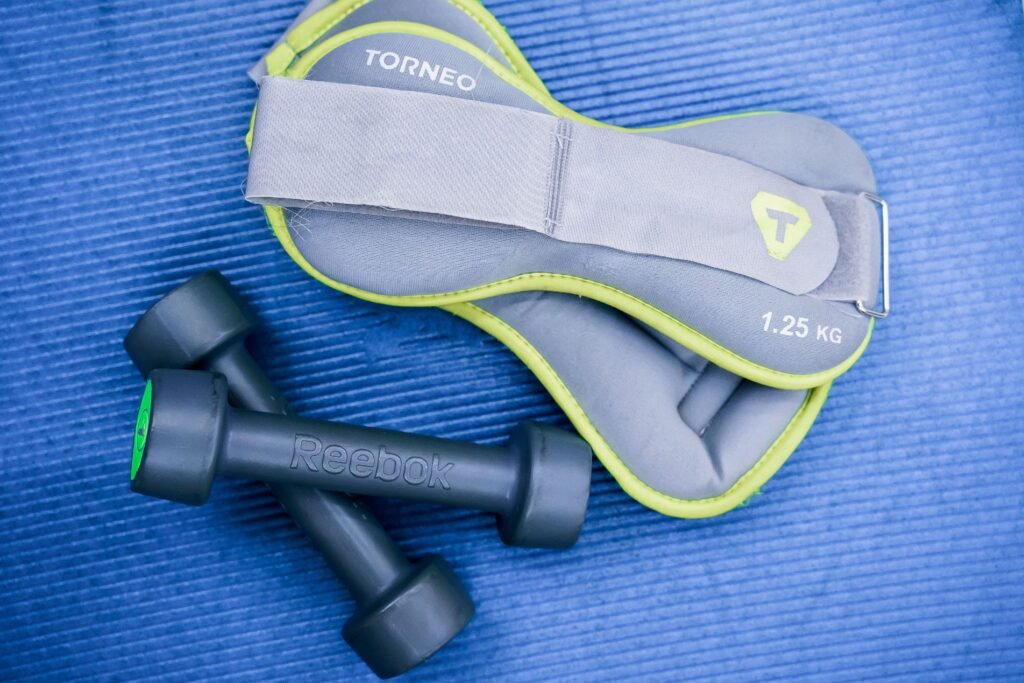
Improved performance is one of the best indicators of fitness.
Track achievements such as
- Lifting heavier weights
- Completing more push-ups
- Running longer distances
- Faster walking or running times
- Better endurance during workouts
When your performance improves, your fitness level improves regardless of your weight.

Notice How Your Clothes Fit
Many people experience looser clothing before seeing major changes on the scale. Jeans, shirts, and workout clothes can become more comfortable as body fat decreases and muscle definition improves.
Your wardrobe often provides honest feedback about your progress.
Evaluate Energy Levels and Recovery
Fitness isn’t only about appearance.
Ask yourself:
- Do you have more energy throughout the day?
- Do you recover faster after workouts?
- Are daily activities becoming easier?
- Do you sleep better?
Positive answers indicate meaningful improvements in overall health.

Assess Flexibility and Mobility
Improved flexibility reduces injury risk and enhances athletic performance.
Track your ability to:
- Touch your toes
- Squat comfortably
- Perform mobility exercises
- Maintain better posture
These improvements demonstrate functional fitness that the scale cannot measure.
Celebrate Non-Scale Victories
Every fitness journey includes achievements beyond weight loss.
Examples include
- Completing your first 5K
- Exercising consistently for a month
- Feeling more confident
- Lower resting heart rate
- Better balance and coordination
Celebrating these milestones helps maintain motivation and encourages lifelong healthy habits.
Your fitness journey is about becoming healthier, stronger, and more confident—not simply weighing less. By tracking body measurements, performance, progress photos, flexibility, energy levels, and non-scale victories, you’ll gain a more accurate understanding of your progress. Remember that sustainable fitness takes time, consistency, and patience. Looking beyond the scale helps you appreciate every improvement and stay committed to achieving long-term health and wellness.
How to Improve Energy Levels Naturally
Why Energy Levels Matter in Daily Life
Energy levels affect how people feel, work, exercise, and manage everyday responsibilities. When energy remains steady throughout the day, routine tasks may feel easier, and it can be simpler to stay focused on important activities. However, poor sleep, busy schedules, irregular meals, and limited physical activity can sometimes contribute to tiredness. Understanding these everyday factors can help people make healthier choices and develop habits that support daily energy. Rather than relying on sugary drinks or quick fixes, a balanced lifestyle can provide a more sustainable approach to feeling active and alert.
Eat Balanced Meals to Support Energy Levels
Food provides the body with the fuel needed for daily activities. Balanced meals containing carbohydrates, protein, healthy fats, vitamins, and minerals can help support normal energy needs. Whole grains, fruit, vegetables, eggs, beans, yogurt, and nuts are useful options to include in a varied diet. Skipping meals or relying heavily on highly processed snacks may leave some people feeling hungry or less satisfied later in the day. Drinking enough water is also important because dehydration can contribute to tiredness. Regular meals and suitable snacks can help people maintain a consistent eating routine.
Improve Sleep and Daily Energy
Sleep plays an important role in physical recovery, concentration, and alertness. Adults generally benefit from seven to nine hours of sleep each night, although individual needs can vary. Going to bed and waking up at consistent times may help establish a regular sleep routine. Limiting late-night screen use, reducing caffeine intake in the evening, and keeping the bedroom comfortable may also support better rest. People who regularly experience severe tiredness despite getting enough sleep should consider discussing the issue with a healthcare professional.
Stay Active to Feel More Energized
Regular physical activity can support overall health, mood, and everyday stamina. Walking, cycling, stretching, and strength exercises are practical options for many people. Short movement breaks can also be helpful during long periods of sitting. Beginners can start with manageable activity and gradually increase the duration or intensity according to their abilities. Combining movement with balanced meals, sufficient sleep, and regular hydration creates a practical foundation for maintaining energy levels throughout the day.
5 FAQs
1. Why shouldn’t I rely only on the scale?
Because weight doesn’t reflect muscle gain, fat loss, hydration, or improvements in overall fitness.
2. How often should I measure my fitness progress?
Take body measurements and progress photos every 3–4 weeks for accurate comparisons.
3. What are non-scale victories?
They include improved strength, endurance, confidence, flexibility, better sleep, and increased energy.
4. Are progress photos useful?
Yes. Monthly photos often reveal physical changes that the scale cannot show.
5. What is the best way to track fitness improvements?
Use a combination of body measurements, workout performance, progress photos, clothing fit, and energy levels.