

A 30-minute HIIT workout for fat loss at home can efficiently raise your heart rate, burn calories, and build fitness without gym equipment. High-intensity interval training, commonly known as HIIT, combines short bursts of demanding exercise with brief recovery periods. That format makes a home HIIT workout practical for people with busy schedules. It can include movements such as squats, mountain climbers, jumping jacks, and high knees. A 30-minute HIIT workout can also be adjusted for different fitness levels. Combined with regular activity, sensible nutrition, and adequate recovery, this training style can support fat-loss goals while improving cardiovascular fitness, muscular endurance, and overall conditioning.
What Is HIIT, and Why Is It Used for Fat Loss?
HIIT is a training method built around alternating periods of hard exercise and recovery. Unlike steady-state cardio, where the intensity usually remains consistent, HIIT repeatedly pushes the body to work harder for short intervals.
A typical session might involve 30 seconds of fast exercise followed by 30 seconds of easier movement or rest. The exact timing can vary. Some workouts use longer work intervals, while others use shorter bursts with more recovery.
The appeal of HIIT comes from its efficiency. A well-planned session can train the cardiovascular system while involving several major muscle groups. Exercises such as squats, lunges, push-ups, and burpees can also add a strength-endurance element.
For fat loss, however, the workout itself is only part of the picture. Reducing body fat depends largely on maintaining an appropriate energy balance over time. HIIT can help increase energy expenditure, but it does not replace a balanced diet or consistent daily movement.
How the 30-Minute HIIT Workout Developed
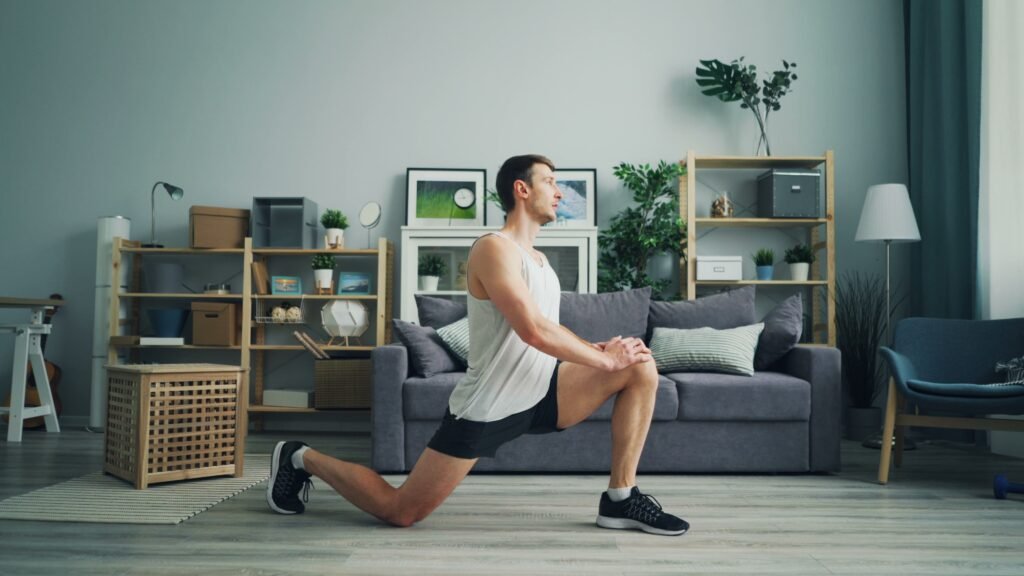
Interval training has existed for decades, particularly in athletics and endurance sports. Coaches have long used periods of intense effort followed by recovery to develop speed, stamina, and conditioning.
The modern HIIT format became increasingly popular outside competitive sport as researchers and fitness professionals explored time-efficient training methods. Instead of spending long periods exercising, people could perform shorter sessions that included repeated high-intensity efforts.
As home fitness expanded, HIIT became easier to perform without specialist equipment. Bodyweight movements made it possible to create challenging sessions in small spaces. Online workout platforms and mobile fitness apps then helped spread the format to a much wider audience.
Today, HIIT is used by recreational exercisers as well as athletes. The basic principle has remained the same: alternate demanding work with planned recovery rather than exercising at maximum intensity continuously.
30-Minute HIIT Workout for Fat Loss at Home
A practical 30-minute HIIT workout can be divided into a warm-up, working intervals, short recovery periods, and a cool-down. The structure matters because starting intense exercise with cold muscles can make the session unnecessarily difficult.
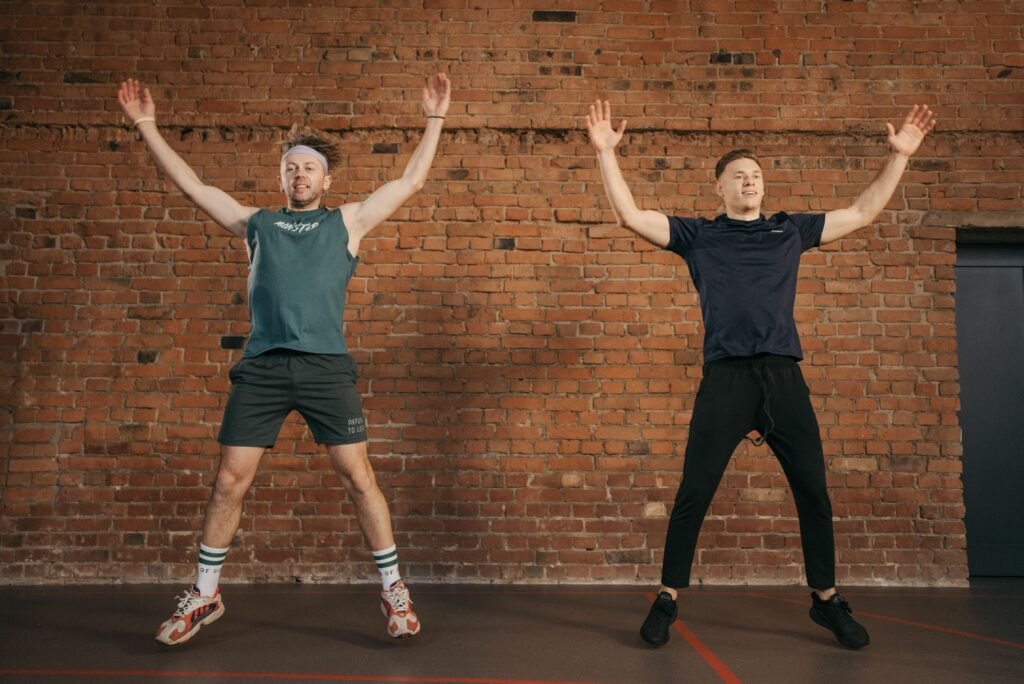
After a few minutes of gradual movement, the main workout can use exercises such as bodyweight squats, jumping jacks, mountain climbers, reverse lunges, high knees, and modified burpees. These movements require little or no equipment and can be performed in most homes.
The intensity should be challenging during the work periods, but the goal is not to make every interval an all-out sprint. Good technique should remain possible throughout the session. When fatigue causes form to deteriorate, reducing speed or choosing a lower-impact variation is sensible.
Beginners can use shorter work intervals and longer recovery periods. More experienced exercisers may tolerate longer work periods while keeping the same overall session length. This flexibility is one reason HIIT works well as a home workout format.
What Makes HIIT Different From Regular Cardio?
Traditional steady-state cardio usually involves maintaining a relatively consistent pace for an extended period. Walking, jogging, cycling, and swimming can all be performed this way. HIIT instead creates repeated changes in intensity.
Those changes can make a short session feel demanding. The heart rate rises during the work interval and falls during recovery. Repeating that pattern creates a different training stimulus from maintaining one steady pace.
HIIT can also combine cardiovascular and muscular demands. A sequence containing squats, push-ups, and mountain climbers asks the body to control movement while breathing heavily.
Still, HIIT is not automatically better than other forms of exercise. Regular walking, running, cycling, resistance training, and recreational sports all have important roles in fitness. The most effective routine is one that a person can perform consistently and recover from properly.
How Often Should You Do a Home HIIT Workout?
More HIIT is not necessarily better. High-intensity exercise places greater demands on the muscles, cardiovascular system, and nervous system than easy activity. Recovery therefore becomes an important part of training.
Someone new to HIIT may benefit from starting with one or two sessions each week. Other days can include walking, mobility work, resistance training, or easier cardiovascular exercise. As fitness improves, frequency can be adjusted according to recovery and overall training volume.
Rest between demanding sessions can help reduce excessive fatigue. Sleep, nutrition, hydration, and general activity also influence how well the body handles intense workouts.
It is also worth remembering that fat loss does not depend on HIIT frequency alone. A sustainable eating pattern and regular movement throughout the day have a major influence on long-term results.
Common Mistakes During Home HIIT Sessions
One common mistake is treating every interval as a maximum-effort effort. HIIT should be intense, but repeatedly exercising beyond the ability to maintain good movement can reduce workout quality and increase unnecessary strain.
Another issue is skipping the warm-up. Jumping directly into high knees, burpees, or fast squats can feel uncomfortable when the body has not gradually increased its temperature and movement range.
Poor exercise selection can create another problem. A workout filled entirely with jumping movements may be difficult for people with joint limitations or lower fitness levels. Low-impact alternatives can provide a useful training effect without requiring constant jumping.
Finally, some people judge a workout only by how exhausted they feel afterward. Sweating heavily or feeling tired does not automatically mean a session was more effective. Consistency, appropriate intensity, recovery, and overall lifestyle matter much more.
Making a 30-Minute HIIT Routine Sustainable
The strongest benefit of a 30-minute HIIT workout is its practicality. It can fit into a busy day without requiring travel to a gym or complicated equipment. That makes it easier to maintain a regular exercise habit.
Progress should be gradual. Instead of immediately adding more exercises, people can improve control, movement quality, work capacity, or interval consistency. A routine that feels manageable today can become more challenging as fitness develops.
A good home HIIT workout should also leave room for other forms of training. Strength work can help build and maintain muscle, while lower-intensity activity supports general cardiovascular health and recovery.
For fat loss, the bigger picture remains important. HIIT can be a useful tool, but no single workout determines body composition. A consistent routine, appropriate food intake, daily movement, and sufficient recovery create a stronger foundation.
A 30-minute HIIT workout for fat loss at home is therefore best viewed as an efficient training option rather than a shortcut. Used sensibly, it can improve conditioning, increase activity, and make regular exercise easier to maintain. The key is to train hard enough to create a challenge while still respecting technique, recovery, and individual fitness levels.

Frequently Asked Questions
Is a 30-minute HIIT workout enough for fat loss?
Yes, a 30-minute HIIT session can contribute to fat loss by increasing energy expenditure and supporting fitness. However, body-fat reduction also depends on overall calorie balance, nutrition, daily activity, sleep, and long-term consistency.
Can beginners do a 30-minute HIIT workout at home?
Beginners can perform HIIT at home by reducing intensity and using easier exercise variations. Longer recovery periods can also make the session more manageable. Starting gradually helps build fitness without making the workout unnecessarily difficult.
What exercises are best for home HIIT?
Effective home HIIT exercises include squats, jumping jacks, high knees, mountain climbers, lunges, push-ups, and burpees. The best choices are movements that can be performed safely, with controlled technique, in the available space.
How many times a week should I do HIIT?
Many beginners can start with one or two HIIT sessions per week and increase gradually. The appropriate frequency depends on fitness level, recovery, and other training. Hard sessions should be balanced with easier activity and adequate rest.
Can HIIT reduce belly fat?
HIIT can support overall fat loss, but it cannot specifically target belly fat. The body loses fat according to individual biology and overall energy balance. Combining regular exercise with sustainable nutrition is more effective than relying on abdominal exercises alone.