
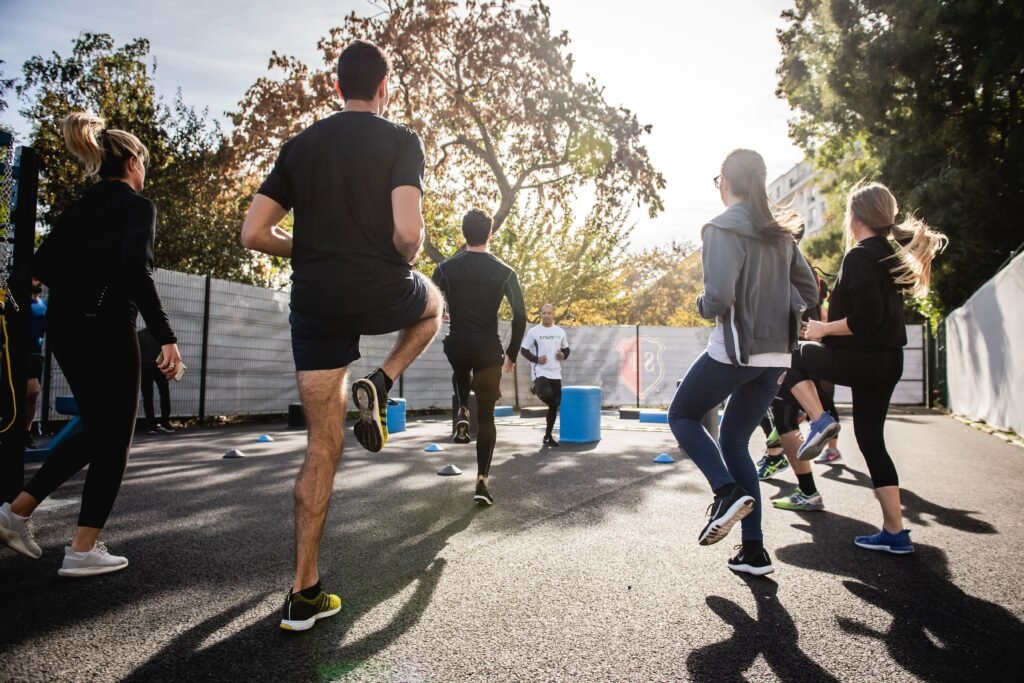
Outdoor workouts and community workouts offer a simple way to make exercise more enjoyable and consistent. These activities move fitness beyond crowded gyms and expensive equipment. Outdoor fitness can include walking, running, cycling, bodyweight exercises, or group training in parks. Community workouts add a social element that helps people stay motivated and accountable. Together, they create an accessible approach to regular movement. This style of exercise matters because many people struggle to maintain routines alone. Fresh air, open spaces, and social support can make physical activity feel less like a chore. With the right approach, outdoor and community training can improve strength, endurance, mood, and long-term exercise habits.
What Outdoor and Community Workouts Really Mean
Outdoor workouts involve physical activity in open spaces rather than traditional indoor facilities. Parks, beaches, trails, school grounds, and public fields can all support effective training. Many sessions require little or no equipment.
Community workouts bring people together around shared fitness goals. Local running groups, walking clubs, boot camps, and cycling groups provide common examples. Some groups meet casually, while others follow structured training sessions.
The main idea stays simple. People exercise in a welcoming environment while enjoying movement and social interaction. This combination can remove some common barriers to regular exercise.
Why More People Choose Exercise Outdoors
Outdoor exercise gives people a change of environment. Natural surroundings can make familiar activities feel more refreshing. A simple walk can also become more enjoyable when people explore different routes.
Open spaces provide plenty of room for movement. People can walk, sprint, stretch, jump, or perform bodyweight exercises without large machines. Many parks also provide benches, stairs, and fitness stations.
Community settings add another important benefit. People often find it easier to maintain routines when others expect them to attend. Friendly social pressure can encourage consistency without creating unhealthy competition.
The Benefits Go Beyond Physical Fitness
Regular outdoor training can improve cardiovascular fitness, muscular strength, balance, and endurance. Walking and running challenge the heart and lungs. Bodyweight exercises can develop strength when people increase resistance and control.
Outdoor movement can also support mental well-being. Time outside gives people a break from screens, work, and indoor routines. Social interaction can further reduce the sense of exercising alone.
Community training can build stronger social connections. Participants often encourage one another during difficult sessions. These relationships can make exercise feel more meaningful and sustainable.
However, results still depend on consistency. A short workout performed regularly can provide more value than an intense session that happens once a month.
How Outdoor Group Exercise Developed
People have exercised outdoors for centuries. Walking, running, games, hiking, and physical drills formed part of everyday life long before modern gyms appeared.
The modern fitness movement later shifted much activity indoors. Gyms offered controlled environments and specialized equipment. Yet outdoor group exercise never disappeared.
Running clubs, recreational sports, community walks, and park-based training continued to grow. Social media has also helped local groups attract new members. Today, communities can organize workouts through neighborhood groups and fitness platforms.
This history shows that group exercise does not need complex technology. People have always used shared spaces to stay active and connected.
How to Apply Outdoor Workouts Today
Start with a location that feels safe and convenient. A nearby park often works better than a distant facility. Easy access makes regular attendance more realistic.
Choose activities that match your current fitness level. Beginners can start with brisk walking and basic bodyweight movements. More experienced participants can add intervals, hills, resistance bands, or longer sessions.
Community workouts should also welcome different abilities. A good group focuses on participation rather than making every person follow the same pace. Clear communication helps everyone understand the session.
Weather also matters. Hot conditions require extra attention to hydration and training intensity. Cold or wet weather may require different clothing and a safer training surface.
Common Mistakes That Can Limit Progress
One common mistake involves doing too much too soon. Outdoor training can feel exciting, especially within a motivated group. However, sudden increases in running, jumping, or resistance can create unnecessary strain.
Another mistake involves copying advanced participants. Fitness levels differ widely. Each person should adjust speed, repetitions, and rest periods to match current ability.
Poor preparation can also reduce workout quality. People sometimes forget water, suitable footwear, or weather-appropriate clothing. A little planning can prevent many avoidable problems.
Some groups focus too heavily on competition. Friendly challenges can motivate people, but constant comparison can discourage beginners. Supportive communities create better long-term habits.
Finally, people sometimes ignore recovery. Muscles need time to adapt after demanding sessions. Rest, sleep, and sensible training schedules help maintain steady progress.
Making Community Fitness a Long-Term Habit
The best outdoor workout routine should fit naturally into everyday life. Choose regular times that work with your schedule. Consistency becomes easier when exercise does not create unnecessary logistical problems.
Finding the right community can also make a major difference. Look for groups that encourage beginners and respect different fitness levels. A positive environment can improve motivation without creating pressure.
Keep sessions varied as well. Walking, running, strength exercises, cycling, and recreational games can provide different challenges. Variety can prevent boredom and keep training enjoyable.
Outdoor and community workouts offer more than just another way to exercise. They create opportunities to move, socialize, explore, and build healthy routines. You do not need expensive equipment or an advanced training plan. A safe space, suitable activity, and supportive people can provide an effective foundation for lasting fitness. When exercise becomes part of a community, staying active can feel easier, more enjoyable, and more sustainable.
Frequently Asked Questions
Are outdoor workouts effective for beginners?
Yes. Beginners can start with walking, gentle bodyweight exercises, stretching, or easy cycling. Outdoor training allows people to control their pace and gradually increase workout duration as their fitness, confidence, and strength improve.
What equipment do outdoor workouts require?
Many outdoor workouts require no equipment. Comfortable shoes and suitable clothing often provide enough support for walking, running, and bodyweight training. Resistance bands, exercise mats, or light weights can add variety when needed.
Can community workouts help with motivation?
Community workouts can improve motivation by creating social support and accountability. Regular group sessions give people a reason to show up. Encouragement from others can also make challenging workouts feel more manageable.
How often should I exercise outdoors?
Most adults can aim for regular weekly activity based on their fitness level and goals. Beginners should start gradually and allow recovery between demanding sessions. Consistency matters more than completing intense workouts every day.
Are outdoor workouts safe in hot weather?
Outdoor exercise can remain safe during warm conditions with sensible planning. Train during cooler hours, drink enough fluids, reduce intensity when needed, and take breaks. Watch for dizziness, unusual fatigue, or other warning signs.