
The Future of Health: Top Modern Fitness Concepts Explained

Discover how modern fitness concepts are revolutionizing personal health through data and personalization. Today’s routines blend heavy strength work with cardio to optimize overall hybrid training performance. By monitoring wearable technology like HRV trackers and glucose sensors, you can tailor your workouts to match daily recovery scores. This scientific approach helps prevent burnout, reduces injury risks, and promotes long-term healthspan. Upgrade your traditional workouts with data-driven recovery, smart pacing, and functional strength to build a resilient body that performs effortlessly.
The global landscape of health and physical performance has undergone a fundamental shift. The traditional era of one-size-fits-all workout routines, vague advice, and extreme restrictive diets has given way to modern fitness concepts—an era defined by data-driven hyper-personalization, physiological optimization, and sustainable longevity.
Today, exercise science looks far beyond basic calorie burn. Modern training paradigms synthesize advanced biomechanics, metabolic tracking, recovery technology, and functional strength to help individuals build resilient bodies that perform as well as they look.
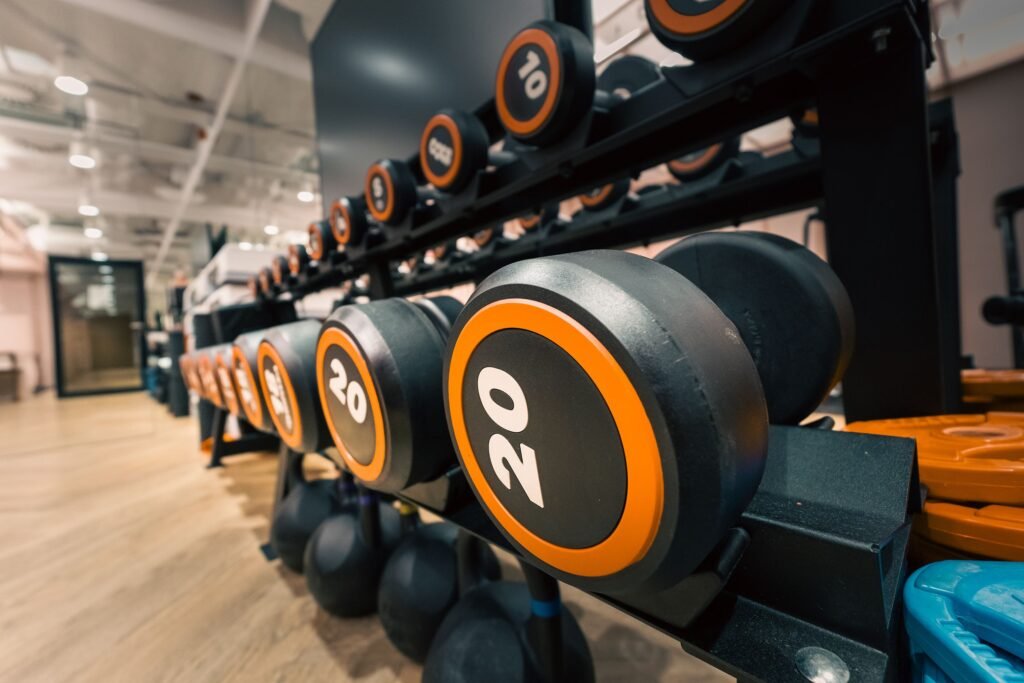
1. The Rise of Hybrid Training: Strength Meets Endurance
Historically, fitness culture was split into two isolated camps: endurance athletes who focused purely on cardio and bodybuilders who avoided aerobic workouts out of fear it would compromise muscle size. Modern sports science has dismantled this binary through the rise of hybrid training.
                   The Hybrid Fitness Model
 ┌──────────────────────────────────────────────────────────┐
 │  Hypertrophy & Power  │  Cardiovascular Endurance         │
 │  (Heavy Compounds)    │  (Aerobic Zone 2 Base)            │
 ├───────────────────────┴──────────────────────────────────┤
 │               High Functional Capacity                   │
 └──────────────────────────────────────────────────────────┘
Hybrid training prioritizes building maximum strength and muscle mass alongside a high-capacity cardiovascular engine. By strategic programming—such as separating heavy lifting sessions from Zone 2 cardio by several hours—athletes can trigger muscle protein synthesis while simultaneously expanding capillary density and mitochondrial volume.
The result is a versatile physical foundation capable of high force production, superior athletic endurance, and lower systemic inflammation.

2. Longevity and Healthspan: Fitness Beyond Aesthetics
One of the most significant shifts in contemporary wellness is the movement away from purely aesthetic goals toward healthspan expansion—maximizing the number of years spent free from chronic disease and functional disability.
Modern longevity protocols focus heavily on four core biological pillars:
- Zone 2 Aerobic Base: Low-intensity, steady-state cardio performed at a conversational pace. This trains the body to utilize fat efficiently for fuel and maintains arterial elasticity.
- Muscular Strength & Mass: Muscle tissue acts as a metabolic reservoir for glucose disposal and protects bone mineral density. High muscle mass directly correlates with lower all-cause mortality in aging populations.
- Grip Strength and Power: Explosive power and grip strength are primary indicators of neuromuscular health and functional independence in later decades.
- Mobility and Joint Health: Moving joint complexes through full ranges of motion under load prevents chronic pain and maintains tissue resilience.
3. Data-Driven Personalization: Wearables and Biomarkers
The democratization of physiological tracking tools has transformed how individuals approach daily workouts and recovery. Modern fitness relies on continuous biofeedback rather than arbitrary schedule templates.
                  Personalized Feedback Loop
        ┌──────────────────────────────────────────────────┐
        │  Wearable Metrics (HRV, Sleep, Core Temp)        │
        ├──────────────────────────────────────────────────┤
        │  Autonomic Readiness Assessment                  │
        ├──────────────────────────────────────────────────┤
        │  Dynamic Workout Adjustment (Load/Volume)        │
        └──────────────────────────────────────────────────┘
Heart Rate Variability (HRV)
HRV measures the variation in milliseconds between consecutive heartbeats, serving as a direct window into autonomic nervous system balance. A high HRV indicates strong parasympathetic activation and readiness for high intensity, whereas a low HRV signals systemic fatigue, mental stress, or under-recovery, prompting a shift toward lighter active recovery.

Continuous Glucose Monitors (CGMs) & Biomarkers
Once used exclusively for clinical diabetes management, non-invasive metabolic sensors allow athletes to monitor real-time glucose spikes and crashes relative to nutrient intake and workout intensity. When combined with routine blood panels (measuring lipid profiles, inflammatory markers like hs-CRP, and hormone levels), individuals can tailor their nutrition and training loads to their unique biology.
4. Recovery Engineering: Optimizing the Anabolic Window
In modern exercise physiology, workout intensity is recognized as merely the stimulus; true physical adaptation happens during recovery. Recovery engineering involves systematically managing light exposure, sleep architecture, and nervous system down-regulation to accelerate cellular repair.
Sleep Architecture Optimization
Sleep remains the single most powerful recovery intervention available. Deep slow-wave sleep drives growth hormone secretion and tissue repair, while REM sleep stabilizes cognitive focus and motor skill acquisition. Modern protocols emphasize consistent sleep-wake cycles, cold sleep environments (60–67°F), and avoiding blue light or heavy meals 2 hours before bed.

Active Nervous System Regulation
Rather than remaining completely sedentary on non-lifting days, modern routines integrate active down-regulation techniques:
- Targeted Cold/Heat Contrast: Utilizing saunas for vascular circulation and localized cold therapy to manage systemic soreness when appropriate.
- Controlled Breathwork: Parasympathetic breathing patterns (e.g., long exhalations or box breathing) immediately post-workout to shift the body out of a sympathetic “fight-or-flight” state.
- Low-Impact Movement: Light swimming, walking, or mobility work to circulate oxygenated blood through micro-damaged muscle tissue without adding metabolic stress.
Frequently Asked Questions (FAQs)
1. What are modern fitness concepts compared to traditional workout routines?
Modern fitness concepts rely on exercise science, personalization, and wearable biofeedback rather than generic templates. They emphasize holistic metrics like heart rate variability (HRV), hybrid training (balancing strength with cardio), recovery optimization, and long-term healthspan rather than quick-fix aesthetic goals.
2. How does hybrid training prevent the interference effect between strength and cardio?
To minimize the “interference effect”—where endurance training signals interfere with muscle-building pathways—hybrid programs separate heavy strength training and high-intensity cardio by at least 6 to 8 hours or place them on alternate days. Keeping most cardio at a true low-intensity Zone 2 pace also prevents excess neuromuscular fatigue.
3. Why is Zone 2 cardio so important in modern conditioning?
Zone 2 training improves mitochondrial efficiency, builds cardiovascular capillary density, and increases your body’s ability to burn fat for energy. It builds a deep aerobic foundation that speeds up recovery between heavy lifting sets without stressing the central nervous system.
4. How do wearables like fitness trackers improve long-term progress?
Wearables provide objective data on sleep quality, strain, resting heart rate, and HRV. This allows lifters and runners to auto-regulate their training—increasing volume and intensity when recovery scores are high and reducing fatigue exposure on days when the body shows signs of stress or under-recovery.
5. Can I focus on modern longevity concepts if my primary goal is muscle gain?
Yes. Muscle mass and strength are fundamental components of longevity. Modern longevity protocols prioritize hypertrophic strength training alongside cardiovascular conditioning and mobility work, ensuring you build physical mass while simultaneously protecting metabolic and cardiovascular health.
