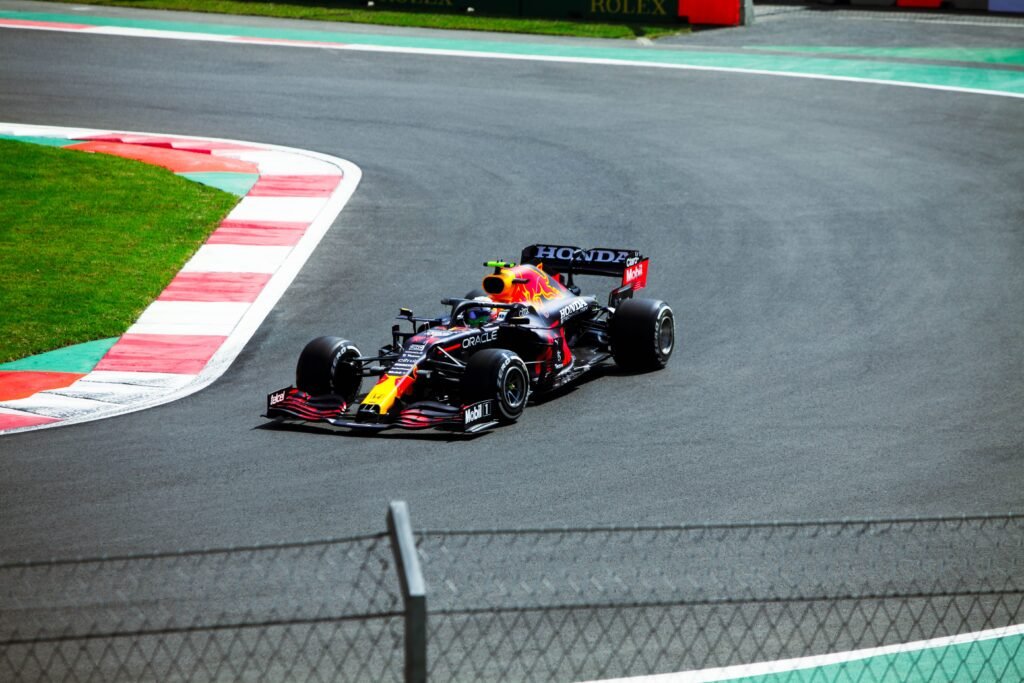
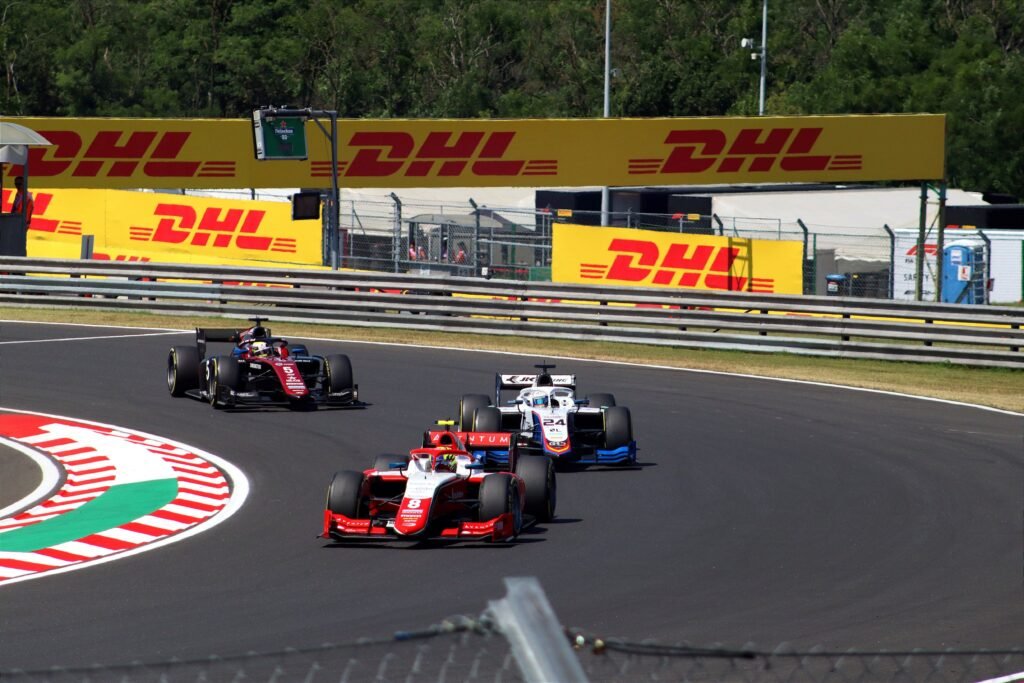
The Italian Grand Prix 2026 is scheduled for September 4–6 at the Autodromo Nazionale Monza, with the race forming Round 13 of the Formula 1 season. The Grand Prix will follow the Dutch Grand Prix and begin the next phase of the European schedule. Practice sessions are set for September 4, while qualifying will take place on September 5. The main race is scheduled for September 6. (Formula 1®—The Official F1® Website) Monza remains one of Formula 1’s most distinctive venues. Its long straights reward speed and efficient aerodynamic setups. For teams fighting for championship points, small gains in qualifying and race pace could prove important.
Key Highlights & Historical Moments
The Italian Grand Prix has a unique place in Formula 1 history. Monza hosted its first Grand Prix in 1950, the same year the modern Formula 1 World Championship began. The circuit is also known for its high-speed layout and long-running connection with Italian motorsport. (Formula 1®—The Official F1® Website)
Monza’s character creates a different challenge from many modern circuits. Drivers spend large parts of the lap at high speed. Therefore, teams must balance straight-line performance with enough stability for the corners.
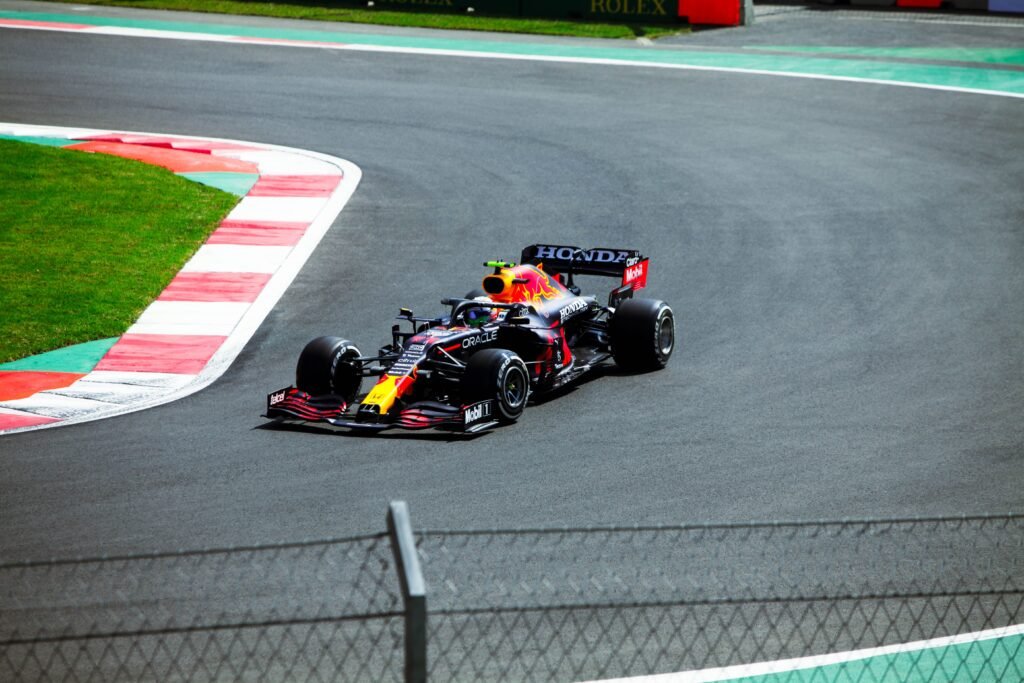
Several features make the 2026 weekend particularly important:
- Round 13: Italy follows the Dutch Grand Prix on the 2026 calendar.
- Monza layout: The circuit measures 5.793 kilometers.
- Race distance: The Grand Prix is scheduled for 53 laps.
- Qualifying: Saturday’s session will set the starting grid.
- Race day: The 2026 Italian Grand Prix is scheduled for Sunday, September 6. (Formula 1®—The Official F1® Website)
The previous Italian Grand Prix also produced a notable result. Max Verstappen won the 2025 race ahead of Lando Norris and Oscar Piastri, while Charles Leclerc finished fourth. (Formula 1®—The Official F1® Website) That result adds another layer to the historical context heading into the 2026 edition.
Italian Grand Prix Competition Analysis & Key Insights
Monza places a premium on straight-line speed. Teams typically reduce aerodynamic drag to gain time on the long straights. However, reducing downforce can make the car less stable through the slower corners.
That trade-off makes setup work especially important. A car that is extremely fast on the straights may struggle with braking stability. Meanwhile, a higher-downforce setup can improve corner performance but lose time over the longest sections.
The Monza Technical Challenge
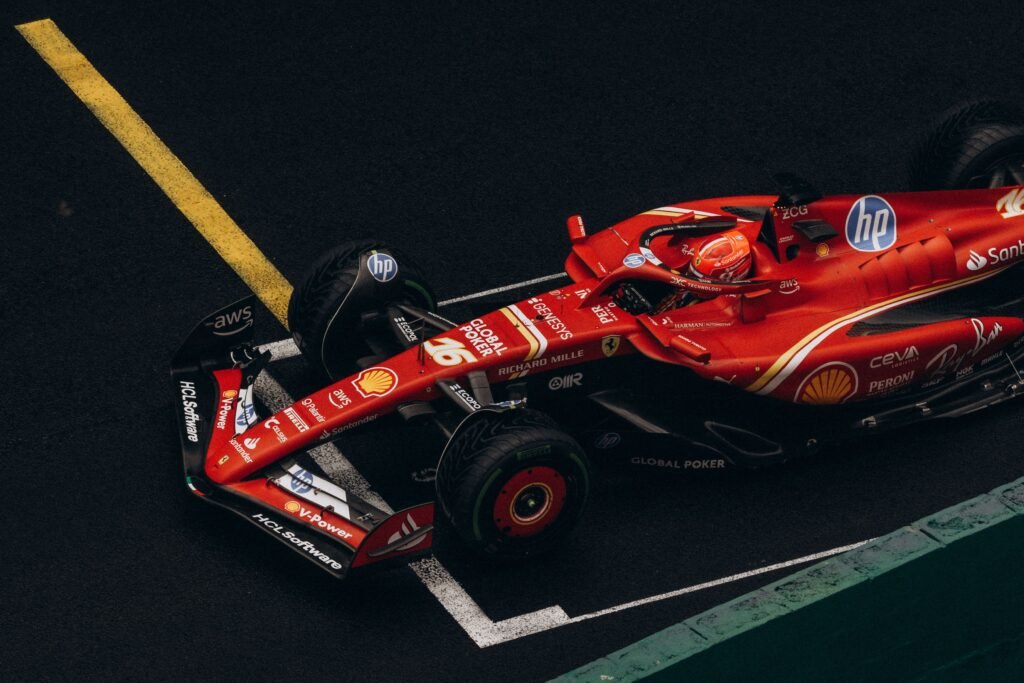
The circuit’s 5.793-kilometer layout includes several heavy braking zones. Drivers must repeatedly slow the car from high speeds before accelerating again. This places pressure on brakes, tyres, and power-unit performance.
Qualifying will also matter. Track position can influence race strategy because overtaking requires careful timing and strong acceleration. As a result, teams cannot focus only on Sunday performance.
Tyre management will add another strategic layer. A driver who protects the tyres during the opening stages may gain more options later. Conversely, an aggressive early strategy could create an advantage if the car maintains performance.
Expert Take / Analyst Insight
The central question at Monza is simple: which team can combine low drag with enough cornering stability? That balance often separates a fast qualifying car from a complete race package. The teams that manage braking, tyre temperatures, and straight-line efficiency should have the strongest foundation for the weekend.
Statistical Breakdown & Key Figures
The 2026 Italian Grand Prix has several confirmed figures that help explain the challenge at Monza:
- Event: Formula 1 Pirelli Gran Premio d’Italia 2026
- Round: 13 of the 2026 Formula 1 season
- Venue: Autodromo Nazionale Monza
- Circuit length: 5.793 km
- Race distance: 306.72 km
- Race laps: 53
- First Grand Prix at Monza: 1950
- 2025 winner: Max Verstappen
- 2025 runner-up: Lando Norris
- 2025 third place: Oscar Piastri
- 2025 fastest lap listed by Formula 1: Lando Norris, 1:20.901 (Formula 1®—The Official F1® Website)
The 2026 weekend will begin with Practice 1 and Practice 2 on September 4. Practice 3 and qualifying follow on September 5. The race is scheduled for September 6 at 13:00 local track time. (Formula 1®—The Official F1® Website)
What Lies Ahead
The Italian Grand Prix arrives at an important point in the 2026 championship. Round 13 sits just beyond the middle of the 24-race season. (Formula 1®—The Official F1® Website)
After Monza, Formula 1 moves to Madrid for the Spanish Grand Prix on September 11–13. Azerbaijan follows later in September before the championship continues into Asia and the Americas. (Formula 1®—The Official F1® Website)
Therefore, points earned at Monza could influence the momentum of both championship battles. Teams will also gain valuable information about their cars before the season moves into a more varied group of circuits.
Frequently Asked Questions
Q1: When and where is the Italian Grand Prix 2026?
The 2026 Italian Grand Prix will take place at the Autodromo Nazionale Monza from September 4–6. The main Formula 1 race is scheduled for Sunday, September 6. (Formula 1®—The Official F1® Website)
Q2: Who are the main drivers to watch?
Drivers such as Max Verstappen, Lando Norris, Oscar Piastri, Charles Leclerc, George Russell, and other leading championship contenders will attract attention as the weekend approaches.
Q3: What is the key competitive challenge at Monza?
Low aerodynamic drag is vital because Monza has long straights. However, teams still need sufficient stability for braking zones and slower corners. That setup compromise is central to the weekend.
Q4: How long is the Italian Grand Prix circuit?
The Autodromo Nazionale Monza measures 5.793 kilometers. The scheduled Grand Prix distance is 306.72 kilometers over 53 laps. (Formula 1®—The Official F1® Website)
Q5: What happens after the Italian Grand Prix?
Formula 1 moves directly to Madrid for the Spanish Grand Prix from September 11–13. Azerbaijan follows from September 24–26 before the championship continues overseas. (Formula 1®—The Official F1® Website)