
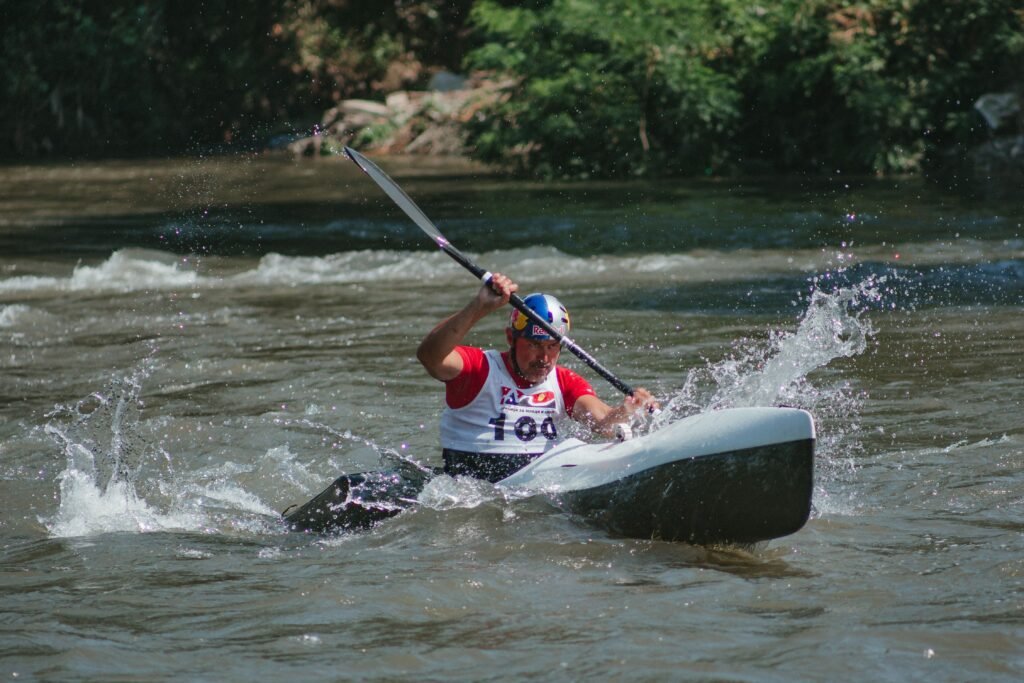
The ICF Canoe Sprint World Championships will bring the world’s leading sprint paddlers to Poznan, Poland, from August 26 to 30, 2026. Competition will take place at the Malta Regatta Course, where world titles and important Olympic ranking points will be at stake. The championships will combine canoe sprint and paracanoe competition across five days. Heats begin on August 26, followed by semifinals and finals before the closing day on August 30. Poland will have a strong home challenge, with Anna Pulawska among the leading names expected to compete. Jakub Stepun, Oleksii Koliadych, and Martyna Klatt are also set to attract attention.
Key Highlights & Historical Moments
Poznan 2026 arrives at an important point in the international canoeing cycle. The championships are part of the road toward the Los Angeles 2028 Olympic Games, making performance and ranking points especially significant.
The Malta Regatta Course will host five days of elite racing. Athletes must manage explosive starts, sustained speed, technical control, and the pressure of short margins.
Several storylines stand out before racing begins:
- Home advantage: Polish paddlers will compete on familiar waters in front of a home crowd.
- Anna Pulawska: The Polish star is a double Olympic medallist and four-time world champion.
- Olympic pathway: Ranking points available in Poznan add another layer to the competition.
- Wide event program: The canoe sprint includes K1, K2, K4, and canoe events across several distances.
- Paracanoe inclusion: The championships will also host the 2026 ICF Paracanoe World Championships.
The program includes traditional 200 m and 500 m sprint races, alongside 1000 m and 5000 m events. Team boats such as K4 and C4 add another tactical dimension.
Competition Analysis & Key Insights
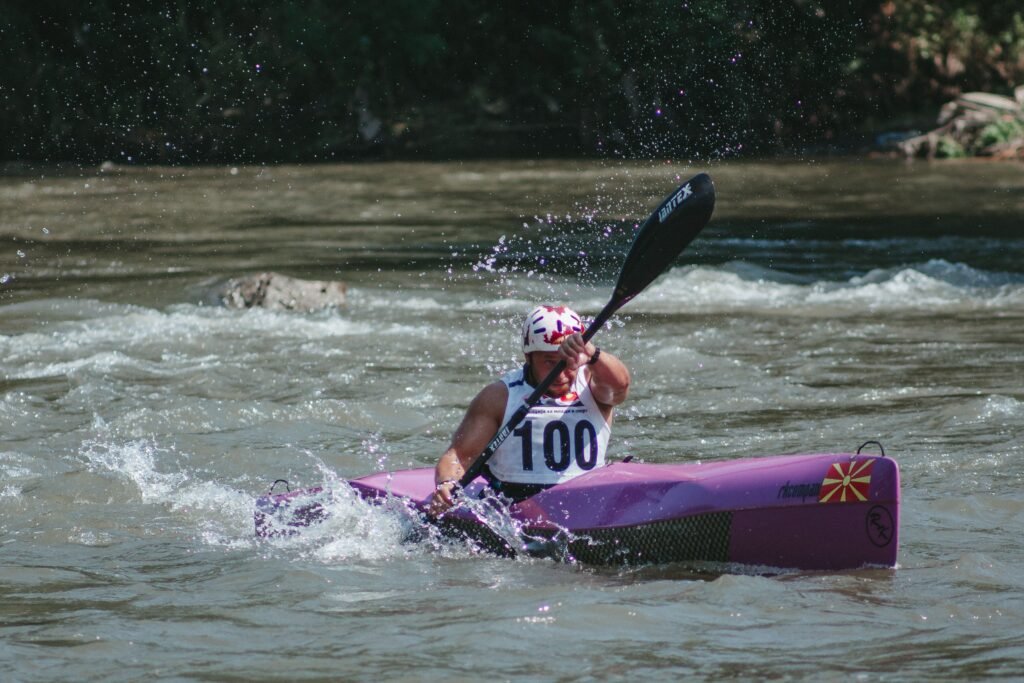
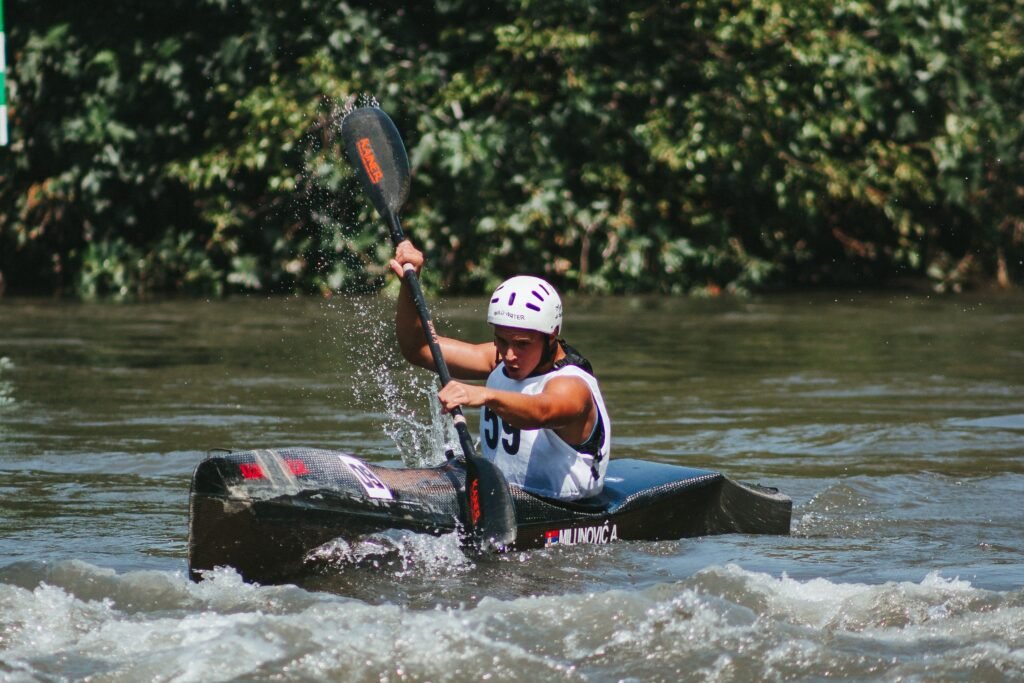
ICF Canoe Sprint racing is decided by tiny differences. A clean start can create an early advantage, but maintaining speed through the middle section is equally important. Athletes must also preserve enough power for the final metres.
The 200m races demand explosive acceleration. In contrast, 1000m competition requires athletes to balance power with pacing. The longer 5000m races introduce another challenge, as endurance and tactical positioning become more important.
Boat events add further complexity. In K2 and K4 races, timing between paddlers must remain precise throughout the course. A small loss of rhythm can affect boat speed and open the door for a rival crew.
The preliminary timetable confirms a packed program. Heats begin on August 26, while August 27 includes heats and semifinals. Finals dominate August 28 and 29, with more finals and long-distance racing scheduled for August 30.
Expert Take / Analyst Insight
The biggest competitive question is not simply who has the fastest top speed. The decisive factor will be who can reproduce that speed through multiple rounds. Athletes facing heats, semifinals, and finals must manage recovery carefully. Poland’s home paddlers could gain confidence from local knowledge, but international rivals will arrive with the same Olympic-ranking objective.
Statistical Breakdown & Key Figures
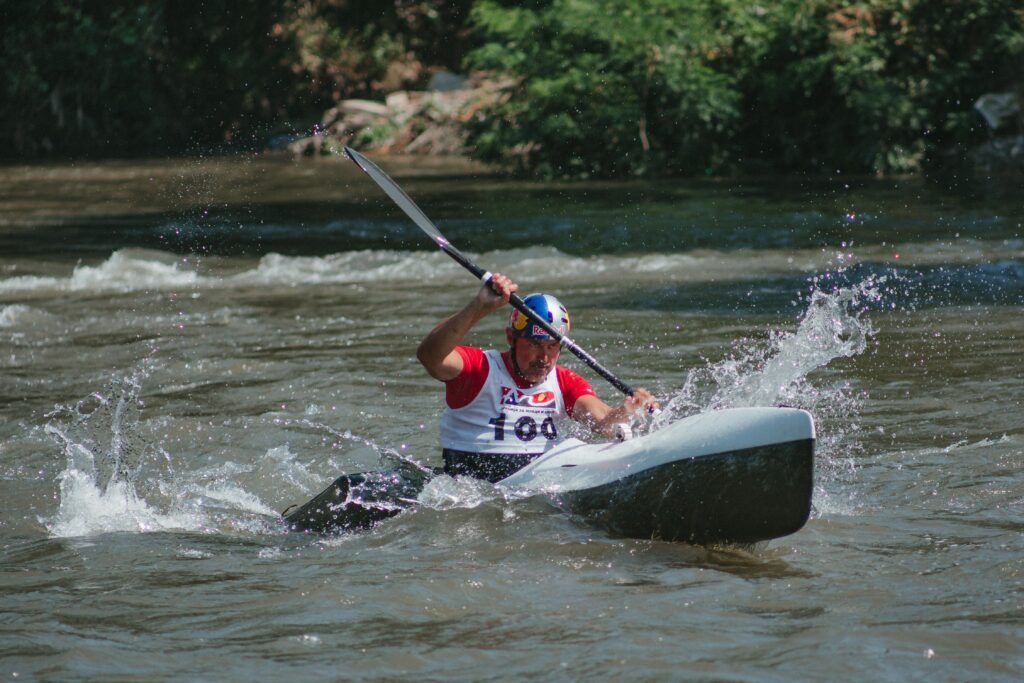
The confirmed event data provides a clear picture of the Poznan championships:
- Event: 2026 ICF Canoe Sprint and Paracanoe World Championships
- Dates: August 26–30, 2026
- Host city: Poznan, Poland
- Venue: Malta Regatta Course
- Competition level: Senior World Championships
- Canoe sprint distances: 200 m, 500 m, 1000 m, and 5000 m
- Key boat classes: K1, K2, K4, C1, C2, and C4
- Competition schedule: Heats, semifinals, and finals from August 26–30
- Olympic relevance: Ranking points are available on the road to LA28.
The program covers both men’s and women’s events. It also includes para canoe categories, giving the Poznan championships a broader competitive scope.
What Lies Ahead
Poznan will be more than a standalone world championship for many paddlers. The event forms part of the early qualification and ranking landscape for Los Angeles 2028.
Strong performances can improve an athlete’s position and provide valuable momentum for the next phase of the Olympic cycle. Meanwhile, national teams will assess boat combinations and individual form.
After Poznan, the ICF calendar moves into further international competitions. Canoe slalom World Cups continue in September, while the ICF Hangzhou Super Cup follows in October.
History of the ICF Canoe Sprint World Championships
The ICF Canoe Sprint World Championships have a history stretching back more than eight decades. The first edition was held in Vaxholm, Sweden, in 1938, just two years after canoe sprint made its Olympic debut at the 1936 Berlin Games. At the time, the championship program was much smaller than today, with 12 medal events: 10 for men and two for women.
The Early Years
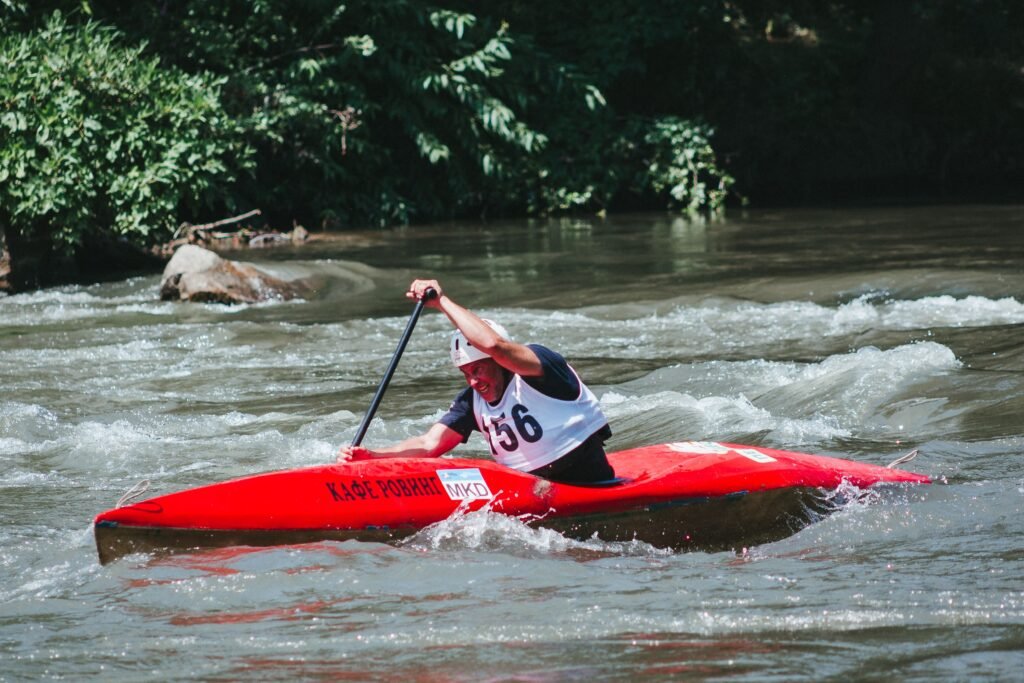
The roots of canoe sprint competition go back even further. Competitive canoe sprint racing was recorded in Britain in 1869, while the first international governing body for canoe sport was established in Copenhagen in 1924. The organization later became the International Canoe Federation (ICF) in 1946.
The inaugural World Championships in Vaxholm featured canoe and kayak races over distances that are very different from the modern program. Men’s events included 1,000m and 10,000m races, while women competed in K1 and K2 over 600m. Sweden won five of the available 12 gold medals, while Germany claimed four.
The championship was then interrupted by World War II. After a decade-long gap, the competition returned in London in 1948. Only five events were contested at that edition. Two years later, Copenhagen hosted a larger program with 15 events.
From Sporadic Championships to a Regular World Series
The early World Championships were not held on a fixed annual cycle. That changed in 1970, when Copenhagen hosted the event and established the modern pattern of holding the World Championships every non-Olympic year.
This change gave the canoe sprint a much more stable international structure. Athletes could now target a regular global championship alongside the Olympic Games and World Cup circuit.
The sport also evolved technically. Race distances became shorter, creating faster races and greater emphasis on explosive starts, boat control, and sustained speed. The ICF now describes canoe sprint as an Olympic discipline contested over 200 m, 500 m, 1,000 m, and 5,000 m distances.
Growth of Women’s Canoe and Paracanoe
Women’s participation has expanded significantly since the first championship. The early program contained only two women’s events. Today, women compete across a much broader range of kayak and canoe disciplines.
Another major development was the arrival of Paracanoe at the World Championships. The ICF says Paracanoe events have been officially included in the sprint program since 2010, while dedicated Paracanoe World Championships have also developed as an important part of the international calendar.
The expansion reflects a broader change in the sport. Modern championships are designed to include more athletes, boat classes, and competitive opportunities than the original 1938 event.
Hungary’s Dominance
One of the defining features of the championship’s history has been Hungary’s success. The ICF identifies Hungary as the leading nation in canoe sprint World Championship history, ahead of Germany.
Individual athletes have also left a major mark. Hungarian kayaker Katalin Kovács holds the record for the most individual World Championship titles in canoe sprint, with 31 titles won between 1998 and 2011 across eight kayak disciplines.
Germany has also produced some of the sport’s greatest champions. Birgit Fischer, for example, became one of the most successful figures in women’s kayak racing, including a record 11 World Championship titles in the K4 women’s 500m event.
How the Championship Has Changed
The modern competition is considerably broader than the 1938 edition. Athletes now race in individual, two-person, and four-person boats. The ICF recognizes K1, K2, K4, C1, C2, and C4 categories at the World Championship level.
The sport has also become more international. According to an ICF World Championship media guide, 54 nations had won canoe sprint World Championship medals by 2022.
That growth has increased the competitive depth of the championships. European powers remain influential, but successful paddlers now emerge from a much wider range of countries.
The Championships in the Modern Olympic Era
Canoe sprint has been an Olympic sport since Berlin 1936. The World Championships have therefore developed alongside the Olympic program. Their importance is not limited to medals. World Championship results also help establish international standing and provide elite athletes with a major test between Olympic cycles.
The ICF World Championships are now one of the highest levels of competition in the sport. The federation places World Championships at Level 1, above World Cups and World Ranking competitions.
The event has also continued to adapt. Women’s canoe, expanded sprint events, and paracanoe have all helped broaden the championship program. Junior and U23 World Championships provide another pathway for younger athletes moving toward senior international competition.
ICF Canoe Sprint World Championships 2026
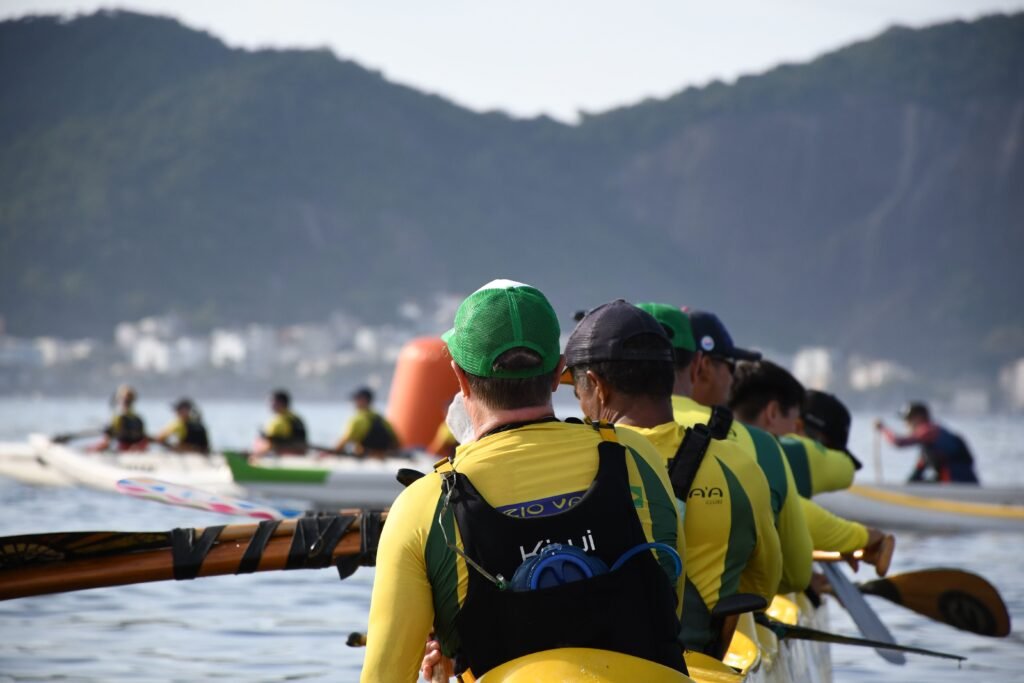
The history continues in Poznan, Poland, where the 2026 ICF Canoe Sprint and Paracanoe World Championships are scheduled for August 26–30, 2026. The Malta Regatta Course will host the competition.
Poznan is particularly significant because it has a long connection with international canoe sprint. The 2026 championships will bring together another generation of elite paddlers while continuing a tradition that began in Sweden in 1938.
From a small 12-event championship to a global competition featuring multiple boat classes, distances, and disciplines, the ICF Canoe Sprint World Championships have changed dramatically. Yet the basic objective remains the same: the fastest boat across the finish line wins.
Frequently Asked Questions
Q1: When and where is the ICF Canoe Sprint World Championships?
The 2026 ICF Canoe Sprint and Paracanoe World Championships are scheduled for August 26–30 at the Malta Regatta Course in Poznan, Poland.
Q2: Who are the main athletes to watch?
Poland’s Anna Pulawska is one of the leading names. Jakub Stepun, Oleksii Koliadych, and Martyna Klatt are also expected to feature prominently at the home championships.
Q3: What is the key competitive storyline?
The main challenge will be maintaining speed across multiple rounds. Athletes must combine explosive starts, technical efficiency, pacing, and recovery to reach the finals in peak condition.
Q4: Which events are included in the canoe sprint?
The program includes K1, K2, K4, C1, C2, and C4 races. Distances range from 200m to 5000m, with separate men’s and women’s events.
Q5: What happens after the Poznan championships?
The international canoe calendar continues with World Cup and championship events. The next major canoe sprint-related competitions include Olympic Hopes Bratislava and the ICF Hangzhou Super Cup.