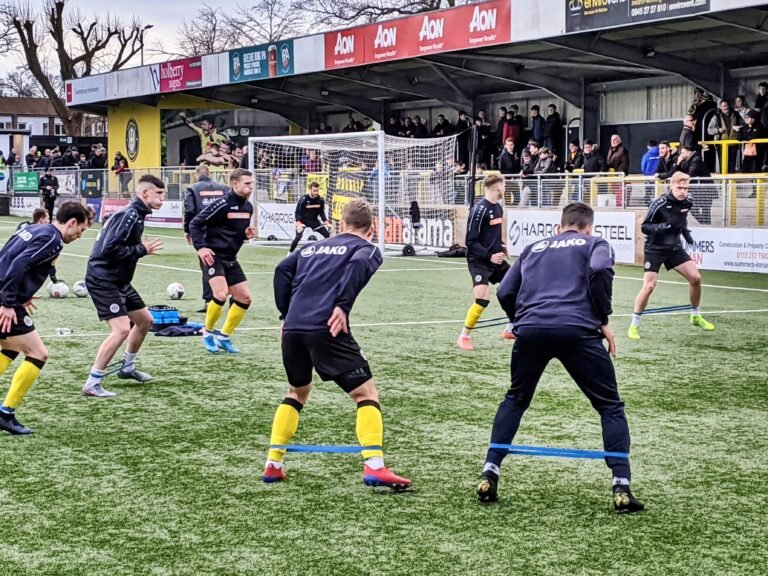

Preparing for a marathon in November requires a structured training plan, consistent running, suitable nutrition, and careful race-day preparation. Whether you are planning your first 26.2-mile race or returning to long-distance running, starting early can help you build endurance and become familiar with the demands of marathon day. November marathons take place in different cities and climates, so your preparation should also consider weather conditions, course terrain, and race schedules. A successful marathon journey involves more than running long distances. It includes balancing easy runs, long runs, recovery days, strength training, and appropriate hydration. Runners also benefit from practicing their race pace, testing running shoes, and planning their clothing before the event. This guide explains how to prepare for a November marathon, develop a practical marathon training schedule, improve endurance, organize race-day nutrition, and avoid common preparation mistakes. With realistic goals and consistent training, runners can approach the marathon with greater confidence and a better understanding of what to expect.
Why You Should Start Preparing for a November Marathon Early
A marathon covers 42.195 kilometers, or approximately 26.2 miles. Completing this distance requires endurance, pacing, and preparation over an extended period. Runners who begin training several months before November have more time to develop their aerobic fitness and gradually increase their running distance.
The amount of preparation needed depends on your current fitness level and running experience. Someone who regularly runs 10 kilometres may need a different training plan from someone who is new to running.
A structured marathon preparation plan should include:
- Regular easy runs to develop aerobic endurance.
- Weekly long runs to practice covering greater distances.
- Recovery days to manage training fatigue.
- Strength exercises to support general muscular fitness.
- Appropriate nutrition and hydration.
- Practice with running shoes, clothing, and race-day equipment.
Beginners should avoid rushing into high-mileage training. Gradual progression and realistic goals are important parts of long-distance running preparation.
Create a Marathon Training Schedule for November
A marathon training schedule helps runners organize their weekly mileage, long runs, and recovery periods. Many training plans last approximately 12–20 weeks, although the appropriate duration depends on experience and starting fitness.
If your marathon takes place in November, work backwards from the race date to establish a suitable training period. Allow enough time to build your running base before attempting demanding long-distance sessions.
Build a Weekly Running Routine
A balanced training week may include several types of sessions.
Easy runs: These runs develop aerobic endurance at a comfortable effort. You should generally be able to speak in sentences while running.
Long runs: These sessions help prepare your body and mind for spending longer periods on your feet. Increase the distance gradually rather than making sudden jumps in mileage.
Tempo or faster sessions: More experienced runners may include controlled faster running to practice sustaining a stronger pace. Beginners can initially focus on consistency instead.
Recovery days: Rest or gentle activity allows you to manage fatigue between demanding sessions.
Strength training: Exercises such as squats, calf raises, step-ups, and controlled core movements can complement a running program.
Not every runner needs the same weekly schedule. Beginners should prioritize regular, manageable running before adding intensive speed workouts.
Improve Endurance and Marathon Pacing
Endurance is one of the most important elements of marathon training. Runners need to maintain an appropriate effort over a much longer distance than a typical recreational run.
Increase Distance Gradually
A common mistake is increasing weekly mileage too quickly because a race date is approaching. Rapid increases can make training harder to manage and may contribute to overuse injuries.
Instead, build your running volume according to your current ability and how well you recover. Some training plans include lighter weeks to reduce accumulated fatigue.
If you are new to running, a run-walk approach can be a practical way to develop consistency. More experienced runners may use easy mileage and planned long runs to prepare for the marathon distance.
Practise Your Target Race Pace
Marathon pacing means choosing a sustainable speed rather than starting as fast as possible. Beginning too quickly can make the later kilometres considerably more challenging.
During selected training sessions, practice running at a realistic target pace. If you do not have enough experience to estimate a finishing time, focus on comfortable effort and completing your training consistently.
GPS running watches and fitness apps can help monitor pace and distance. However, these tools are guides rather than guarantees of race performance.
Plan Marathon Nutrition and Hydration
Nutrition is an important part of marathon preparation because long-distance running places sustained demands on the body. Runners should practice their food and fluid routines during training rather than experimenting with unfamiliar products on race day.
Eat Balanced Meals During Training
A balanced diet can include carbohydrates, protein, healthy fats, fruit, vegetables, and other nutrient-rich foods.
Carbohydrates provide an important source of energy for endurance exercise. Protein supports normal muscle maintenance and recovery, while dietary fats contribute to overall energy intake and general nutrition.
Individual requirements vary according to training volume, body size, dietary preferences, and health circumstances. Runners with specific nutritional needs may benefit from guidance from a qualified sports dietitian.
Practice Race-Day Fuel and Fluids
During longer training runs, some runners practise using sports drinks, gels, or other easily carried carbohydrate sources. The right approach depends on the duration of the run, personal tolerance, and individual requirements.
Hydration also needs planning. Fluid requirements vary with temperature, humidity, body size, and sweat rate. Drinking excessively can be dangerous, so runners should avoid forcing large amounts of water beyond their needs.
Review the marathon organizer’s information about water stations, sports drinks, and available race support before travelling.
Prepare for November Weather Conditions
November marathon weather differs considerably between locations. A race in a cooler European city may require different clothing from an event in a warmer climate.
Check the local forecast as race day approaches, including temperature, wind, and the possibility of rain. Historical averages can provide general context, but they cannot reliably predict the conditions on a particular day.
Choose Suitable Running Clothes
Wear clothing that you have already tested during training. Moisture-managing fabrics, comfortable socks and appropriate running shoes can help make long runs more manageable.
In cooler conditions, removable layers may be useful before the start. If rain is expected, consider how wet clothing could affect comfort over a long distance.
Avoid wearing brand-new shoes or untested clothing on marathon day. Small problems that seem insignificant during a short run can become uncomfortable over many kilometers.
Adjust Your Training to Local Conditions
If you expect warm or humid race conditions, practice running in comparable weather when it is safe to do so. In colder conditions, allow time to warm up comfortably before the start.
Runners travelling internationally should also consider jet lag, travel fatigue, and changes in daily routines. Arriving with enough time to organize race materials and settle into the local environment can reduce last-minute stress.
Recovery, Rest, and Injury Prevention
Recovery is an essential part of a marathon training plan. Running every day at high intensity is not necessary for everyone, and inadequate recovery can make it harder to maintain consistent training.
Aim for sufficient sleep and include rest days according to your program. Gentle walking or other low-intensity activities may suit some runners on easier days.
Strength training can support general physical capacity, particularly when exercises are introduced gradually. However, avoid adding unfamiliar, strenuous workouts close to race day.
Pay attention to persistent pain, unusual fatigue, or symptoms that worsen during exercise. Stop training and seek appropriate medical advice when symptoms are concerning. Do not try to compensate for missed training by suddenly increasing mileage.
The final one to three weeks before a marathon often involve a taper, during which runners reduce training volume to help manage fatigue while maintaining some running routine. The exact approach depends on the training plan and the individual runner.
Final Race-Week and Marathon-Day Checklist
The last week before a November marathon should focus on preparation rather than attempting to build additional fitness through exhausting workouts.
Before travelling or on race day, check the following:
- Confirm your race registration, bib collection arrangements, and start time.
- Review the official marathon route and transport information.
- Prepare comfortable, previously tested running clothes and shoes.
- Plan your breakfast and any familiar race-day fuel.
- Check the expected weather and choose suitable layers.
- Review the locations of water stations and course support.
- Organize your travel, accommodation, and post-race arrangements.
- Follow your taper plan and avoid unnecessary strenuous exercise.
On race day, begin at a controlled pace and pay attention to how you feel. Use the aid stations according to your hydration plan, and adjust your effort if weather or course conditions differ from expectations.
Your first marathon does not need to be about achieving a particular finishing time. Completing the distance safely, learning from the experience and developing sustainable running habits can be worthwhile goals in themselves.
Frequently Asked Questions
1. How many weeks do you need to prepare for a November marathon?
Many marathon training plans last around 12–20 weeks. Beginners may need additional time to develop a consistent running base, while experienced runners may follow a plan suited to their existing mileage and goals.
2. How many days a week should you run when training for a marathon?
The number of running days depends on your experience, fitness and training programme. Some beginners run three or four days a week, while experienced runners may run more frequently. Rest and recovery should remain part of the plan.
3. What should you eat before a marathon?
Many runners choose familiar, carbohydrate-rich foods before a marathon. The best meal depends on personal tolerance, timing and individual needs. Practise your pre-race breakfast during training rather than trying unfamiliar foods on race morning.
4. What should you wear for a November marathon?
Choose comfortable running shoes and clothing suited to the expected weather. Lightweight, moisture-managing layers may be useful, particularly in cooler conditions. Test your entire race outfit during training.
5. Can a beginner run a marathon in November?
A beginner may be able to prepare for a November marathon if there is sufficient time to build fitness gradually and the chosen event’s entry requirements are met. New runners should choose realistic goals, follow an appropriate training plan, and seek qualified guidance when needed/