

Sleep is one of the most important yet often overlooked factors in achieving fitness goals. While workouts and proper nutrition receive most of the attention, quality sleep is when the body repairs damaged muscles, restores energy, and releases hormones essential for recovery. Athletes and fitness enthusiasts who consistently get enough sleep often experience better strength, endurance, focus, and overall performance. On the other hand, poor sleep can slow muscle growth, increase the risk of injury, and reduce workout effectiveness. Understanding how sleep supports physical recovery can help you maximize every training session and improve long-term athletic performance.
Why Sleep Is Essential for Muscle Growth
During deep sleep, your body enters its primary recovery phase. Growth hormone production increases significantly, helping repair muscle fibers damaged during exercise. This process allows muscles to recover stronger and adapt to training.
Without adequate sleep, recovery slows, making it difficult to build strength and lean muscle mass.

Sleep Supports Protein Synthesis
Protein synthesis is the process your body uses to repair and build muscle tissue after exercise. Quality sleep enhances this process by supporting hormone regulation and cellular repair.
Combining sufficient sleep with a protein-rich diet and resistance training creates the ideal environment for muscle growth.
Better Sleep Improves Athletic Performance

Athletes who sleep 7–9 hours each night generally perform better in training and competition. Proper rest improves:
- Strength and power
- Speed and reaction time
- Endurance
- Coordination
- Decision-making
- Focus and concentration
These improvements contribute to consistent performance and better results.
Poor Sleep Can Reduce Workout Results
Sleep deprivation negatively affects nearly every aspect of physical performance. It can lead to:
- Reduced energy levels
- Slower recovery
- Lower motivation
- Decreased muscle strength
- Poor exercise technique
- Increased fatigue
Even one night of poor sleep can reduce workout quality and delay recovery.
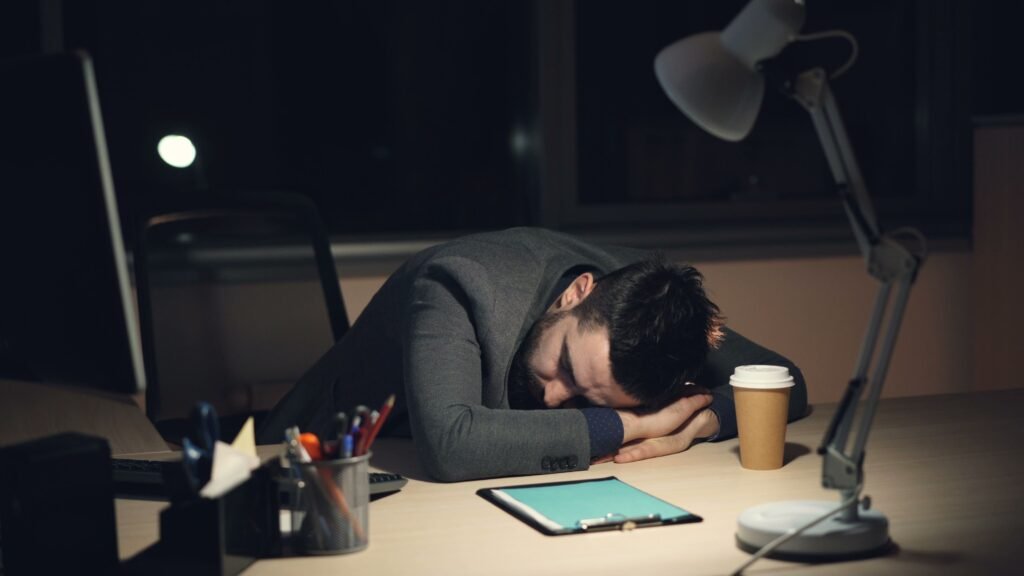
Sleep Helps Prevent Injuries
Fatigue reduces coordination, balance, and reaction time, increasing the likelihood of injuries during training or competition.
Well-rested athletes maintain better movement control, allowing them to perform exercises with proper form and lower injury risk.
Hormones and Recovery
Sleep regulates important hormones involved in muscle growth and recovery.
These include:
- Growth hormone, which repairs muscle tissue.
- Testosterone, which supports strength and muscle development.
- Cortisol, the stress hormone that increases when sleep is inadequate.
Chronic sleep deprivation may elevate cortisol levels, slowing recovery and increasing muscle breakdown.
Tips for Better Sleep
Improve sleep quality by following these habits:
- Sleep 7–9 hours every night.
- Maintain a consistent bedtime.
- Avoid caffeine late in the day.
- Limit screen time before bed.
- Keep your bedroom cool, dark, and quiet.
- Avoid heavy meals immediately before sleeping.
Good sleep habits improve recovery and prepare your body for the next workout.
Sleep is a powerful recovery tool that directly influences muscle growth, athletic performance, and overall health. No matter how hard you train or how well you eat, your body needs quality sleep to repair muscles, regulate hormones, and restore energy. Prioritizing 7–9 hours of sleep each night can help improve strength, endurance, recovery, and injury prevention. By treating sleep as an essential part of your fitness routine, you’ll maximize your results and support long-term athletic success.
Sleep Requirements for Elite Athletic Performance
Athletes require significantly more sleep than non-athletes due to the intense physical and neurological strain imposed by regular training and competition. While the general adult population requires seven to nine hours of sleep per night to maintain basic health, collegiate, elite, and professional athletes typically need between eight and ten hours each night. Some high-volume endurance athletes and elite sprinters require up to eleven hours during peak training blocks.
This increased necessity stems from the fundamental physiological demand for muscle tissue repair, metabolic restoration, and cognitive processing. During intense training, micro-tears form in muscle fibers, energy stores like glycogen deplete, and the central nervous system experiences fatigue. Extended sleep provides the exact physiological environment required to reverse these stressors and prevent overtraining syndrome.
The Role of Deep Sleep in Physical Recovery
The physical repair demanded by intense exercise occurs predominantly during slow-wave sleep, also known as deep sleep or Stage 3 non-REM sleep. During this phase, the pituitary gland releases large pulses of human growth hormone. Human growth hormone is the primary driver of cellular repair, tissue regeneration, muscle building, and bone growth.
If an athlete restricts their sleep duration, the absolute amount of time spent in slow-wave sleep decreases. This directly impairs protein synthesis and slows muscle recovery. Furthermore, deep sleep is when the body restores cellular energy, replenishing muscle glycogen stores and clearing metabolic waste products like lactic acid and ammonia that accumulate during strenuous physical activity.
Cognitive Function, Reaction Time, and REM Sleep
Physical performance relies heavily on central nervous system efficiency, decision-making speed, and motor skill execution. Rapid Eye Movement sleep plays a crucial role in consolidating motor memory, processing tactical strategies, and restoring neurotransmitters vital for focus.
Athletes who fail to secure sufficient REM sleep experience noticeable drops in reaction times, spatial awareness, and visual tracking. In high-speed sports like basketball, tennis, or motor racing, a fraction-of-a-second delay in reaction time caused by sleep deprivation can mean the difference between a successful play and an error or injury. Sleep restriction also alters emotional regulation, leaving athletes less resilient to stress and competitive pressure.
Injury Prevention and Immune System Resilience
Chronic sleep loss directly elevates an athlete’s risk of acquiring musculoskeletal injuries. Athletes who average less than eight hours of sleep per night face a significantly higher probability of suffering an injury compared to those who achieve eight hours or more.
When sleep is compromised, reaction speeds slow down and fatigue sets in faster, causing biomechanical form to degrade during movement. This leads to improper landing mechanics, poor joint stability, and overuse injuries. Furthermore, sleep loss suppresses immune function by reducing the production of protective cytokines and infection-fighting antibodies, leaving athletes vulnerable to respiratory illnesses that interrupt training schedules.
Sleep Extension Strategies for Peak Competition
To maximize performance, many sports science programs analyze the impact of sleep extension—actively increasing nightly sleep duration beyond baseline requirements. Research shows that extending sleep to ten hours per night for several consecutive weeks yields measurable performance improvements across various disciplines, including faster sprint times, higher shooting accuracy, faster reaction speeds, and improved overall mood.
Sleep extension serves as a proactive cushion against the unavoidable disruptions associated with athletic life, such as late-night games, early morning practices, jet lag from travel, and pre-competition anxiety.
Optimizing Recovery Through Strategic Napping
While primary overnight sleep remains irreplaceable, daytime napping serves as a powerful supplementary tool for athletes facing demanding schedules. A short afternoon nap lasting twenty to thirty minutes can restore alertness, improve cognitive processing, and relieve central nervous system fatigue without inducing sleep inertia.
For athletes who experience significant sleep debt due to early morning sessions or travel, a longer nap of ninety minutes allows the brain to complete a full sleep cycle. This ensures the athlete gains additional slow-wave and REM sleep without disrupting their ability to fall asleep at night.
Environmental and Behavioral Factors in Sleep Quality
Analyses of athletic sleep environments show that environmental factors directly influence sleep architecture and overall duration. Maintaining circadian rhythm stability through consistent sleep and wake schedules optimizes natural hormone secretion and core body temperature fluctuations.
Athletes typically benefit from a dark, quiet, and cool sleeping environment, ideally between 60 and 67 degrees Fahrenheit, which facilitates the rapid drop in core temperature required to initiate deep sleep. Furthermore, minimizing late-afternoon caffeine intake and reducing exposure to electronic screens emitting blue light prior to sleep prevents the suppression of natural melatonin production.
5 FAQs
1. How many hours of sleep do athletes need?
Most athletes benefit from 7–9 hours of quality sleep each night for optimal recovery and performance.
2. Does sleep help build muscle?
Yes. During deep sleep, the body releases growth hormone and repairs muscle tissue, supporting muscle growth.
3. Can poor sleep reduce athletic performance?
Absolutely. Poor sleep can decrease strength, endurance, reaction time, focus, and overall workout performance.
4. Why is growth hormone important during sleep?
Growth hormone helps repair damaged muscle fibers and supports recovery after exercise.
5. What are the best habits for better sleep?
Maintain a consistent sleep schedule, limit screen time before bed, avoid caffeine late in the day, and create a cool, dark sleeping environment.