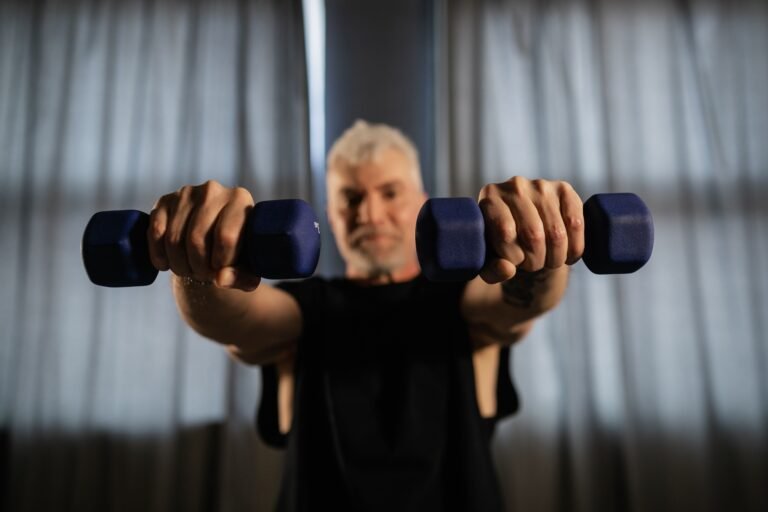

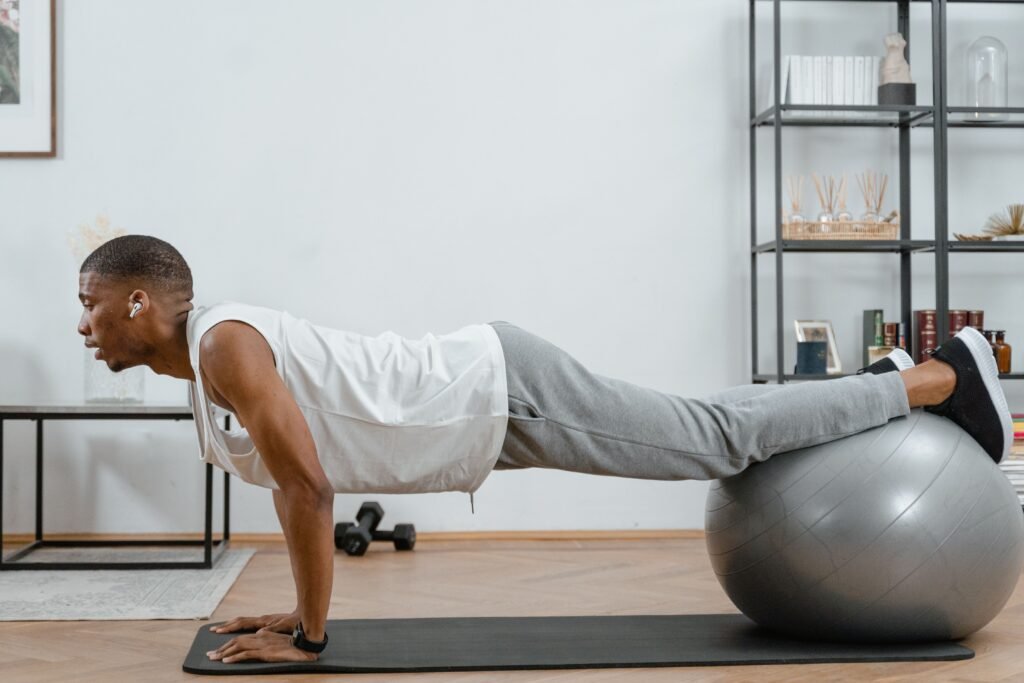
A fitness and healthy lifestyle can improve your physical strength, energy, and overall well-being. Regular exercise helps build endurance, maintain healthy muscles, and support an active daily routine. Along with exercise, eating nutritious foods, drinking enough water, getting quality sleep, and managing stress are important parts of healthy living. You do not need extreme workouts or strict diets to make progress. Start with simple habits such as walking daily, choosing balanced meals, and staying physically active throughout the day. Consistency is the key to achieving long-term fitness goals and creating a healthier, more energetic lifestyle.
Fitness and a healthy lifestyle are essential for maintaining physical strength, mental well-being, and overall quality of life. You do not need an extreme workout routine or a strict diet to become healthier. Small, consistent habits can make a meaningful difference over time. Regular physical activity, nutritious food, adequate sleep, hydration, and stress management all contribute to a balanced lifestyle. By understanding the basics of fitness and making practical changes, anyone can work toward better health and long-term well-being.
What Is Fitness?
Fitness is more than simply having a slim or muscular body. It refers to the body’s ability to perform everyday activities efficiently while maintaining enough energy for additional physical challenges.
A balanced fitness routine can improve several areas of health, including:
- Cardiovascular endurance
- Muscular strength
- Flexibility
- Balance and coordination
- Body composition
- Energy levels
Fitness should be approached according to individual needs, age, experience, and physical ability. A beginner may start with walking and basic exercises, while an experienced athlete may require structured strength and endurance training.

Why a Healthy Lifestyle Matters
A healthy lifestyle combines regular physical activity with habits that support the body and mind. Exercise alone cannot compensate for poor nutrition, inadequate sleep, or constant stress.
Healthy lifestyle habits can help support heart health, maintain a healthy body weight, strengthen muscles and bones, improve mood, and increase daily energy. Furthermore, consistent healthy choices can reduce the impact of several lifestyle-related health risks.
The goal is not perfection. Instead, focus on building habits that you can maintain for months and years.
Exercise Regularly
Regular exercise is one of the most important parts of a healthy lifestyle. Adults should aim to include a combination of aerobic activity and muscle-strengthening exercises throughout the week.
Walking, cycling, swimming, jogging, dancing, and sports are useful forms of cardiovascular exercise. Strength training can include bodyweight movements such as squats, lunges, push-ups, and planks.
If you are new to exercise, begin gradually. For example, a 20- to 30-minute walk can be an excellent starting point. As your fitness improves, you can slowly increase the duration or intensity.
Consistency is more important than doing extremely difficult workouts occasionally.
Eat a Balanced Diet
Nutrition provides the fuel your body needs for exercise, recovery, and everyday activities. A balanced diet should include a variety of nutrient-rich foods rather than focusing on one particular food group.

Try to include:
- Fruits and vegetables
- Whole grains
- Lean sources of protein
- Healthy fats
- Dairy or suitable alternatives
- Adequate fluids
Protein supports muscle maintenance and recovery, while carbohydrates provide energy for physical activity. Healthy fats also play important roles in normal body functions.
Instead of relying heavily on highly processed foods, aim to make whole and minimally processed foods the foundation of your meals. Portion sizes and individual nutritional needs can vary, so a balanced approach is generally more sustainable than extreme dietary restrictions.
Stay Hydrated
Water is essential for many functions in the body. During exercise, the body loses fluid through sweat, making hydration particularly important.
Drinking water regularly throughout the day can help support normal body functions and physical performance. Your fluid requirements can increase depending on factors such as exercise intensity, weather, body size, and individual needs.
Do not wait until you are extremely thirsty before thinking about hydration. Keeping water available during the day can make drinking regularly easier.

Prioritize Quality Sleep
Sleep is an important part of fitness that is sometimes overlooked. Your body needs sufficient rest to recover from physical activity and prepare for the next day.
Poor sleep can affect energy, concentration, mood, and exercise performance. On the other hand, a consistent sleep routine can support recovery and help you stay active.
Try to maintain a regular bedtime and wake-up schedule. Creating a relaxing nighttime routine and reducing unnecessary screen use before bed may also make it easier to prepare for sleep.
Manage Stress
Physical fitness and mental health are closely connected. Long-term stress can affect sleep, energy, motivation, and daily habits.
Simple activities such as walking outdoors, stretching, breathing exercises, reading, listening to music, or spending time with friends can help create opportunities for relaxation.
Exercise itself can also be a useful way to support emotional well-being. You do not need to complete an intense workout every time. Even a short walk can provide a break from a stressful routine.
Avoid an Overly Sedentary Lifestyle
Modern lifestyles often involve long periods of sitting. Spending too much time inactive can make it harder to maintain good fitness.
If you work at a desk, consider taking short movement breaks throughout the day. Stand up, walk around, stretch, or perform a few simple movements.
Small amounts of movement can add up. Taking the stairs, walking short distances instead of driving, and doing household activities are practical ways to stay more active.
Set Realistic Fitness Goals
Setting realistic goals can make healthy habits easier to maintain. Instead of trying to transform your body within a few weeks, establish achievable targets.
For example, your goal could be to:
- Walk for 30 minutes five days a week
- Complete two or three strength workouts weekly
- Eat more vegetables each day
- Drink water regularly
- Maintain a consistent sleep schedule
Tracking your progress can also improve motivation. However, remember that progress is not always measured by weight. Improved stamina, strength, flexibility, energy, and consistency are valuable signs of progress.
Common Fitness Mistakes to Avoid
People often make fitness harder than necessary. One common mistake is exercising too intensely without allowing enough recovery. Another is changing routines frequently instead of giving a program enough time to produce results.
Skipping warm-ups, ignoring proper exercise technique, following extreme diets, and comparing your progress with others can also create unnecessary problems.
A better approach is to focus on gradual improvement. Listen to your body, learn proper movement techniques, and give yourself enough recovery time.
Make Fitness a Long-Term Lifestyle
The most effective fitness routine is one you can realistically continue. You do not have to follow complicated programs or spend hours in the gym.
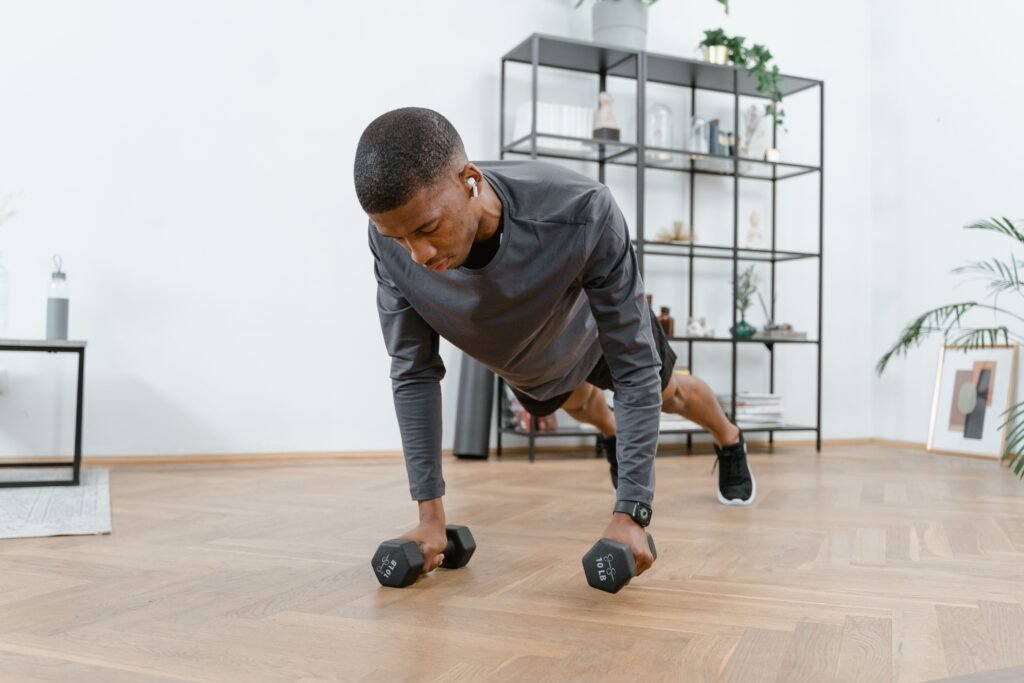
Choose activities you enjoy. If you dislike running, try cycling, swimming, walking, dancing, or a sport. If traditional gym workouts are not appealing, bodyweight exercises at home can still provide useful physical activity.
Likewise, healthy eating should not feel like punishment. Build balanced meals that you enjoy and allow flexibility for occasional treats.
Final Thoughts
Fitness and a healthy lifestyle are built through everyday choices. Regular exercise, balanced nutrition, hydration, quality sleep, stress management, and consistent movement can work together to support better health.
The key is to start with manageable changes rather than attempting everything at once. Choose one or two healthy habits, practice them consistently, and gradually build from there. Over time, these small actions can become part of your daily routine and contribute to a stronger, healthier, and more active lifestyle.
Frequently Asked Questions
1. What is the best exercise for beginners?
Walking is an excellent starting point for many beginners. It is simple, accessible, and easy to adjust according to fitness level.
2. How often should I exercise?
A balanced routine should include regular aerobic activity along with muscle-strengthening exercises. Beginners can start gradually and increase activity over time.
3. Is diet important for fitness?
Yes. Nutrition provides energy and nutrients needed for daily activity, exercise, and recovery. A balanced diet should include a variety of nutritious foods.
4. Can fitness improve mental well-being?
Regular physical activity can support mood, reduce stress, and improve overall well-being. Combining exercise with adequate sleep and relaxation can further support a healthy lifestyle.
5. How can I stay consistent with fitness?
Set realistic goals, choose activities you enjoy, start gradually, and create a routine that fits your schedule. Consistency is more important than occasional intense workouts.