The European Athletics Championships 2026 brings Europe’s elite athletes to Alexander Stadium in Birmingham, England, for seven days of high-stakes competition. From August 10 to 16, over 1,500 competitors from 50 member federations will battle for top continental honors across track, field, and endurance disciplines. This landmark event marks the first time Great Britain hosts the outdoor standalone championships, featuring fast-paced single-day deciders and vibrant international fan support. Track stars and field icons will set new benchmarks, delivering unforgettable athletic performances while driving national medal tallies to historic heights.
The European Athletics Championships return from August 10 to 16, 2026. This world-class tournament delivers seven consecutive days of outdoor track and field action.
Host city Birmingham, England, takes center stage at the newly upgraded Alexander Stadium. This marks the first time Great Britain hosts the standalone outdoor European Athletics Championships.
Over 1,500 elite athletes will represent more than 50 European member federations. They are competing for individual gold medals, national pride, and prestigious European titles.
Historic Venue and World-Class Facilities
Alexander Stadium Steps Into the Spotlight
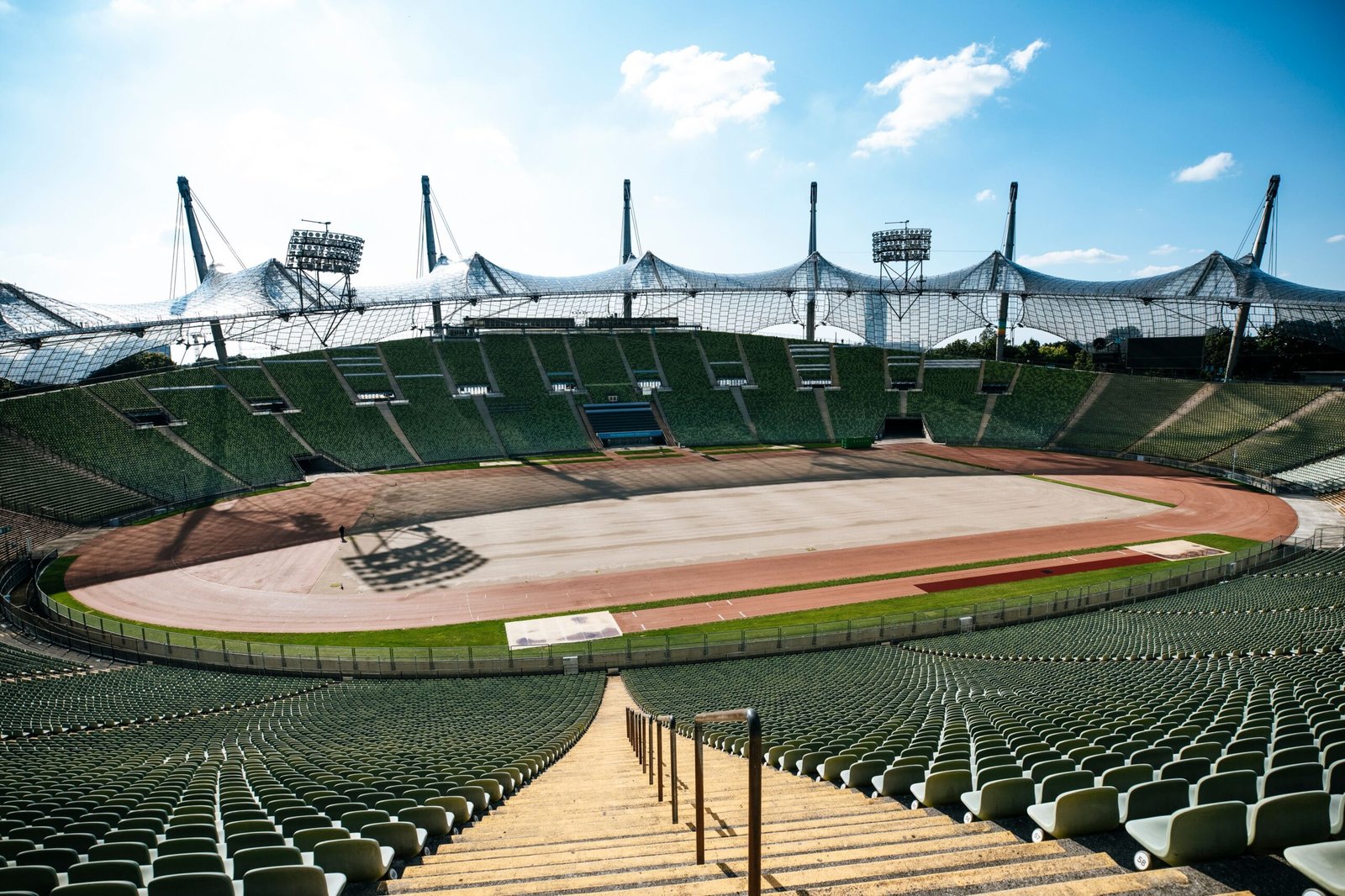
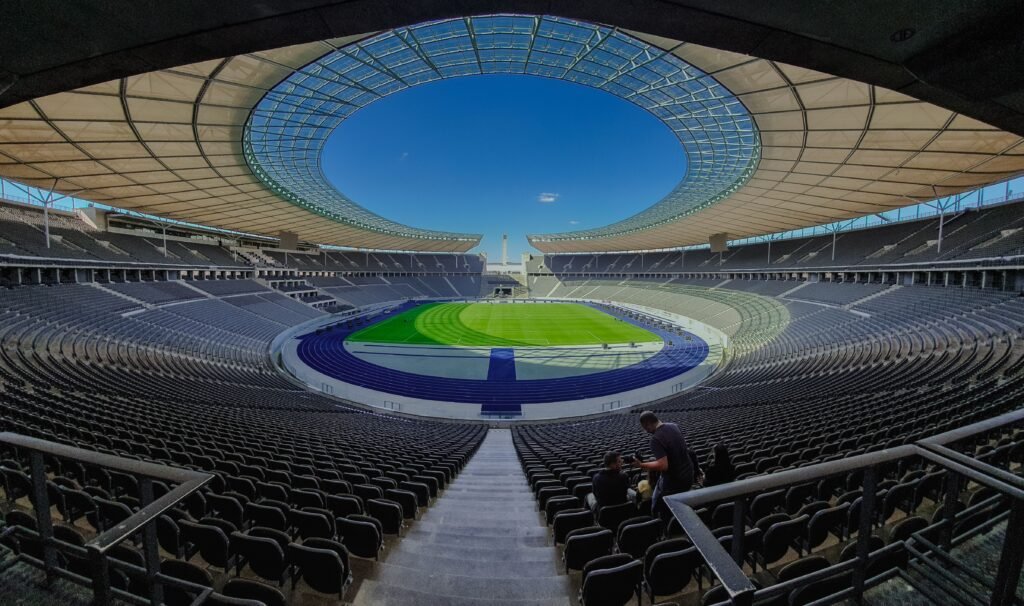
Alexander Stadium in Perry Barr serves as the main hub for the 2026 Championships.
- The venue underwent major redevelopments ahead of the 2022 Commonwealth Games.
- It now features a permanent capacity of 18,000 seats.
- Temporary seating expands capacity to over 30,000 spectators for major sessions.
- The venue includes dual warm-up tracks, nine competition lanes, and upgraded throwing arenas.
Fast-Paced Competition Formats
Organizers have structured the event schedule for maximum fan engagement.
- Fans will witness high-tempo scheduling across all seven days.
- Key sprint disciplines feature “One-Day Deciders.”
- Heats, semifinals, and medal finals for marquee events like the 100m will happen within a single 24-hour window.
- Morning sessions focus on qualifiers, while evening sessions deliver back-to-back medal events.
Key Athletes and Competitive Highlights
Europe’s top track and field stars are set to headline the event.
Track and Sprint Events
- World-record holder Karsten Warholm (Norway) targets another continental title in the 400m hurdles.
- Middle-distance star Jakob Ingebrigtsen (Norway) aims for double gold in the 1500m and 5000m.
- Sprinters will battle across 100m, 200m, 400m, hurdle races, and mixed 4x400m relays.
Field Disciplines
- Pole vault phenomenon Armand “Mondo” Duplantis (Sweden) headlines the vertical jumps.
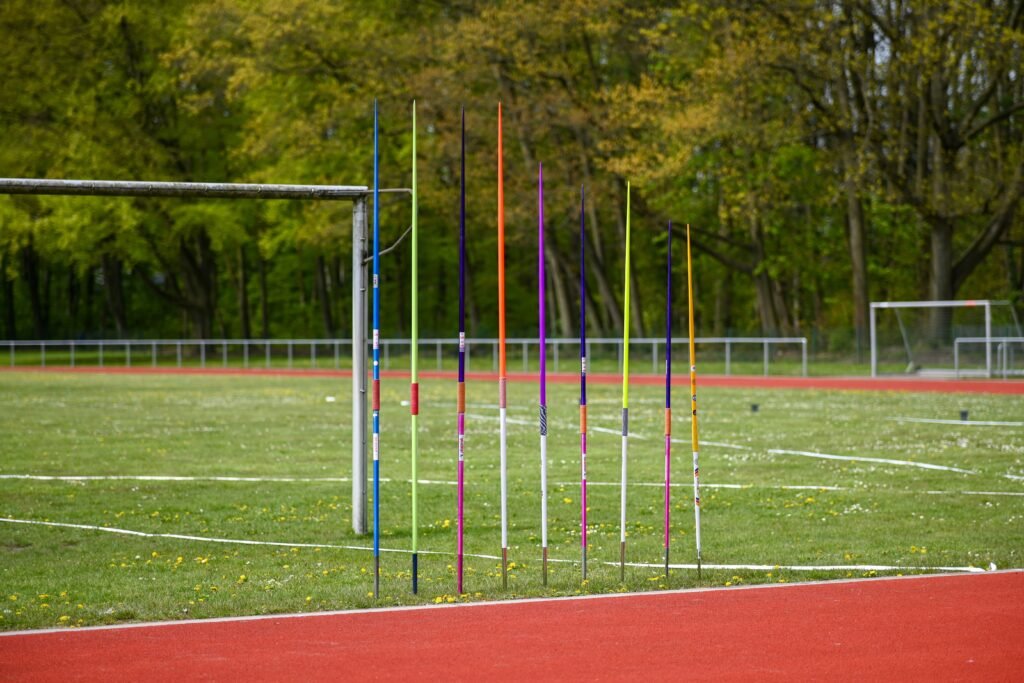
- World-class athletes will compete in the high jump, long jump, triple jump, shot put, discus, hammer throw, and javelin.
- Combined events feature the Decathlon for men and the Heptathlon for women over two intense days.
Road and Endurance Competitions
- Athletes will contest half-marathon and race-walking events across historic routes in Birmingham.
- Courses loop through the city center, giving spectators free access to watch elite road racing.
National Squads and Medal Tally Contenders
The battle for the top spot on the official medal leaderboard will be intense.
- Great Britain & Northern Ireland: The host team fields a massive squad led by local sprinters and middle-distance stars.
- Italy & France: Both nations bring powerful rosters following strong international performances in recent seasons.
- Germany & Norway: These traditional powerhouses rely on world-record holders across throwing, jumping, and distance events.
Expect fierce competition as these top European teams push for continental dominance throughout the seven-day schedule.
Historical Background of the European Athletics Championships
The European Athletics Championships are among the most important track and field competitions in Europe. The event brings together talented athletes from different countries to compete in sprinting, distance running, hurdles, jumping, throwing, and combined events. Over the decades, the championships have played a significant role in the development of European athletics and have produced many memorable sporting moments.
The first European Athletics Championships took place in Turin, Italy, in 1934. The competition initially focused on men’s events, but women’s disciplines were introduced as the championships developed. Since then, the tournament has expanded and become a major event on the international athletics calendar. It provides European athletes with an opportunity to win continental titles, establish records, and represent their countries on a prestigious sporting stage.
Throughout its history, the European Athletics Championships have featured outstanding performances from some of Europe’s leading track and field athletes. The competition has also helped emerging athletes gain international experience and build their reputations. For many competitors, success at the European level represents an important milestone in their sporting careers.
Birmingham’s History of Hosting Major Athletics Events
Birmingham has established itself as an important destination for international athletics in the United Kingdom. The city has hosted major sporting competitions and welcomed athletes and spectators from around the world. Its sporting infrastructure and experience in organizing large events have helped strengthen its reputation within British athletics.
One of Birmingham’s key sporting venues is Alexander Stadium, which underwent significant redevelopment before the 2022 Commonwealth Games. The stadium hosted athletics events during the Games and demonstrated the city’s ability to accommodate major international competitions.
Birmingham’s experience in hosting athletics meetings has also helped promote participation in track and field sports. Local clubs, schools, and community programs contribute to the development of young athletes and encourage wider public interest in running, jumping, and throwing events.
Why the European Athletics Championships Matter
The European Athletics Championships offer more than an opportunity to compete for medals. They help promote sporting excellence, international cooperation, and grassroots participation. The competition also attracts media attention and can increase tourism, benefiting host cities through visitor spending and international exposure.
For Birmingham, hosting a major athletics championship could create opportunities for local businesses, sports organizations, and the wider community. However, the specific hosting arrangements and dates must be confirmed through official European Athletics announcements.
The history of the European Athletics Championships demonstrates how track and field has developed into a major international sport. With its experience, facilities, and strong sporting culture, Birmingham remains an important city in the United Kingdom’s athletics landscape.
Frequently Asked Questions (FAQs)
1. Where are the European Athletics Championships 2026 taking place?
The event takes place in Birmingham, England, with primary track and field events held at the Alexander Stadium in Perry Barr.
2. When do the Championships start and finish?
The competition runs for seven consecutive days, starting on Monday, August 10, 2026, and concluding on Sunday, August 16, 2026.
3. Has Great Britain hosted this event before?
No. While Birmingham and other UK cities have hosted World Indoor and European Indoor events, 2026 marks the first time the UK hosts the outdoor standalone European Athletics Championships.
4. How can fans purchase tickets for Birmingham 2026?
Tickets are available through the official tournament portal (birmingham26.com), with family packages and single-session tickets starting from affordable entry points.
5. How many athletes and countries are participating?
Approximately 1,500 to 1,600 athletes from more than 50 European member federations are expected to compete in track, field, and road disciplines.