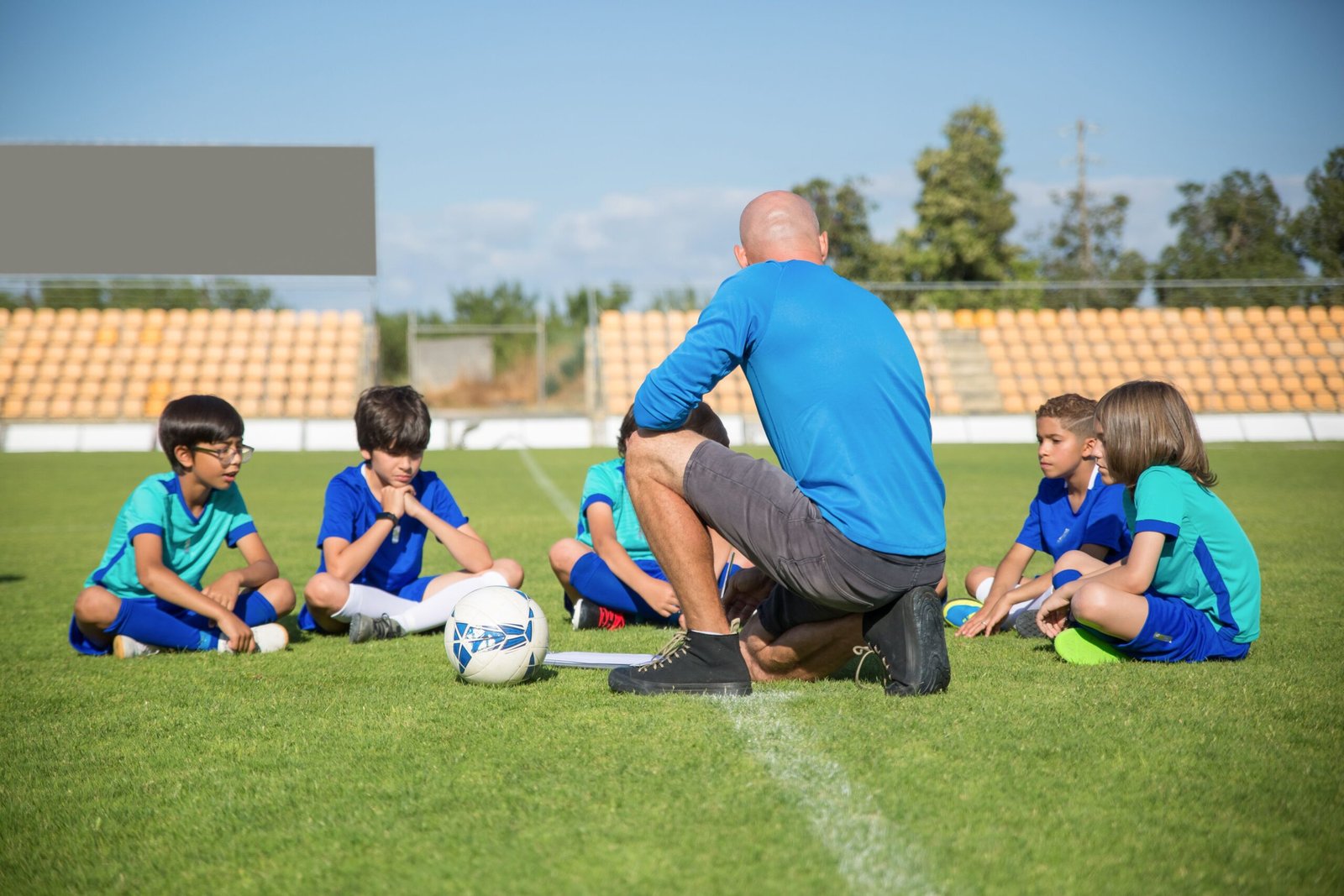
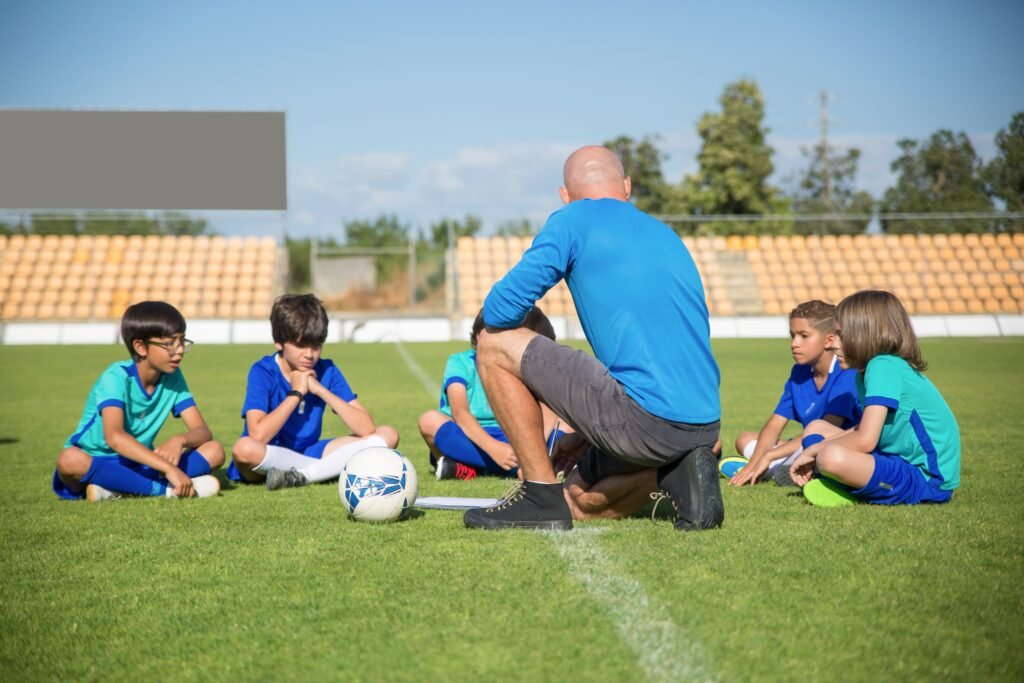
Every successful athlete starts with a passion for the game. Turning that passion into a profession requires dedication, discipline, and continuous improvement. Athletic career success comes from consistent training, proper nutrition, and a strong mindset. Setting clear goals, learning from experienced coaches, and building a positive personal brand can create new opportunities. Smart financial planning and professional development also help athletes build a stable future. By investing in your sports career and focusing on athlete development, you can achieve long-term success while inspiring others through your commitment and performance.
Many athletes begin their journey because they love their sport. With dedication, the right mindset, and consistent effort, that passion can grow into a successful career. Whether you dream of becoming a professional player, coach, or fitness expert, turning your passion into a full-time profession requires planning and commitment. Building the right habits on and off the field will help you achieve long-term success.
Long-term athletic success is rarely built on one great performance or a short period of intense training. It usually comes from consistent habits that allow an athlete to improve while staying healthy and motivated. Training, nutrition, recovery, mental preparation, and realistic goal setting all play important roles. The key is finding a sustainable approach that an athlete can maintain for years rather than relying on extreme methods for a few weeks.
Consistent Training
Consistency is one of the most important foundations of athletic development. Athletes need regular practice to improve strength, endurance, technique, speed, and sport-specific skills. However, consistency does not mean training as hard as possible every day.
A well-structured training plan should include challenging sessions, easier sessions, and appropriate rest. Gradually increasing training demands can help athletes continue progressing without constantly pushing beyond their ability to recover.
Proper Recovery
Recovery is part of training, not a break from it. Sleep, rest days, nutrition, and appropriate workload management give the body time to adapt to exercise.
Athletes who regularly ignore fatigue may struggle to maintain performance and consistency. Paying attention to recovery can help them return to training ready to perform rather than constantly feeling exhausted.
Balanced Nutrition
Food provides the energy needed for training and competition while also supplying nutrients that support recovery. Athletes generally benefit from a varied diet containing carbohydrates, protein, healthy fats, fruits, vegetables, and adequate fluids.
Nutrition needs vary depending on the sport, training volume, body size, and individual circumstances. The goal should be to support performance and recovery rather than following unnecessary restrictive diets.
Mental Strength and Adaptability
Athletic development includes setbacks. Injuries, losses, poor performances, and periods of slow progress can happen even to highly experienced athletes.
Developing patience and learning from mistakes can help athletes continue moving forward. Adaptability is equally important. Training plans may need to change because of competition schedules, injuries, travel, or changes in performance.
Set Realistic Goals
Long-term success becomes easier to manage when large ambitions are divided into smaller goals. An athlete might focus on improving a specific skill, increasing training consistency, or achieving a personal performance target.
Regularly reviewing progress can show what is working and where adjustments are needed.
Define Your Goals
Start by setting clear and realistic goals. Decide what level you want to reach and create a step-by-step plan. Break big goals into smaller milestones that are easier to achieve. Tracking your progress keeps you motivated and focused.
Train with Consistency
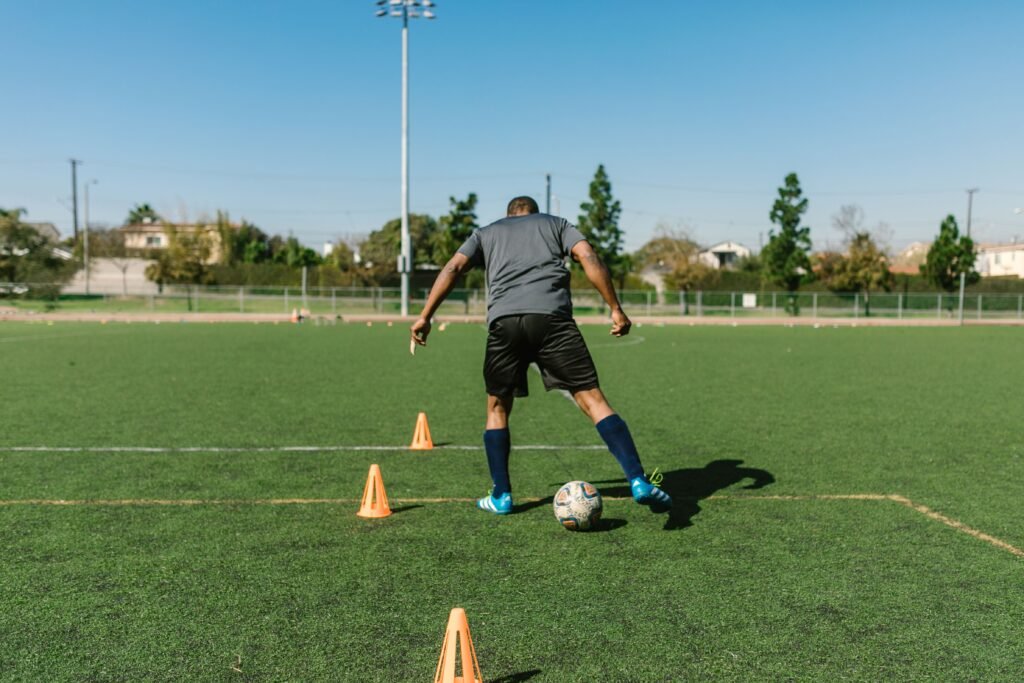
Talent alone is not enough. Regular training improves strength, endurance, speed, and technical skills. Follow a structured training schedule and work with experienced coaches whenever possible. Consistency is the foundation of athletic success.
Invest in Proper Nutrition
Your body needs quality fuel to perform at its best. Eat balanced meals that include lean protein, complex carbohydrates, healthy fats, fruits, and vegetables. Stay hydrated throughout the day to maintain energy and recover faster after training.
Build Mental Strength
Sports require both physical and mental toughness. Learn to stay positive during setbacks and focus on continuous improvement. Visualization, goal setting, and mindfulness can improve confidence and performance under pressure.
Create Your Personal Brand
Modern athletes benefit from building a professional image. Share your training journey, achievements, and positive experiences through social media. A strong personal brand can attract sponsorships, partnerships, and career opportunities.

Continue Learning
Never stop improving your knowledge. Study your sport, learn new techniques, and stay updated with modern training methods. Attend workshops, earn coaching certifications, or take sports-related courses to expand your career opportunities.
Manage Your Finances
A successful sports career also requires financial discipline. Create a budget, save part of your income, and invest wisely. Smart financial planning provides stability during injuries, career transitions, or retirement from professional sports.
Give Back to the Community
Great athletes inspire others. Mentor young players, participate in community events, and promote fair play. Contributing to your sport builds respect and creates a lasting legacy beyond personal achievements.
Turning your passion for sports into a successful athletic career takes hard work, discipline, and smart planning. By training consistently, eating well, strengthening your mindset, building your personal brand, and managing your finances, you can create a rewarding future. Stay committed to your goals, continue learning, and inspire others through your dedication. Success is built one step at a time, and every effort brings you closer to achieving your dreams.
Final Thoughts
The key to long-term athletic success is sustainable consistency. Training hard matters, but it works best when combined with proper recovery, balanced nutrition, mental resilience, and realistic planning.
Athletes who focus on steady improvement instead of chasing immediate results can build habits that support performance over the long term. Success is not simply about how much an athlete can do today; it is also about creating a routine that allows them to keep improving tomorrow.
FAQs
1. How can athletes turn their passion into a career?
By setting goals, training consistently, improving skills, and creating professional opportunities through networking and personal branding.
2. Why is nutrition important for athletes?
Proper nutrition provides energy, supports recovery, and improves overall athletic performance.
3. How can athletes build mental strength?
Through positive thinking, visualization, mindfulness, and learning from challenges.
4. Why should athletes build a personal brand?
A strong personal brand can attract sponsors, partnerships, and career opportunities.
5. What is the key to long-term athletic success?
Consistency, continuous learning, smart financial planning, and dedication are essential for long-term success.