
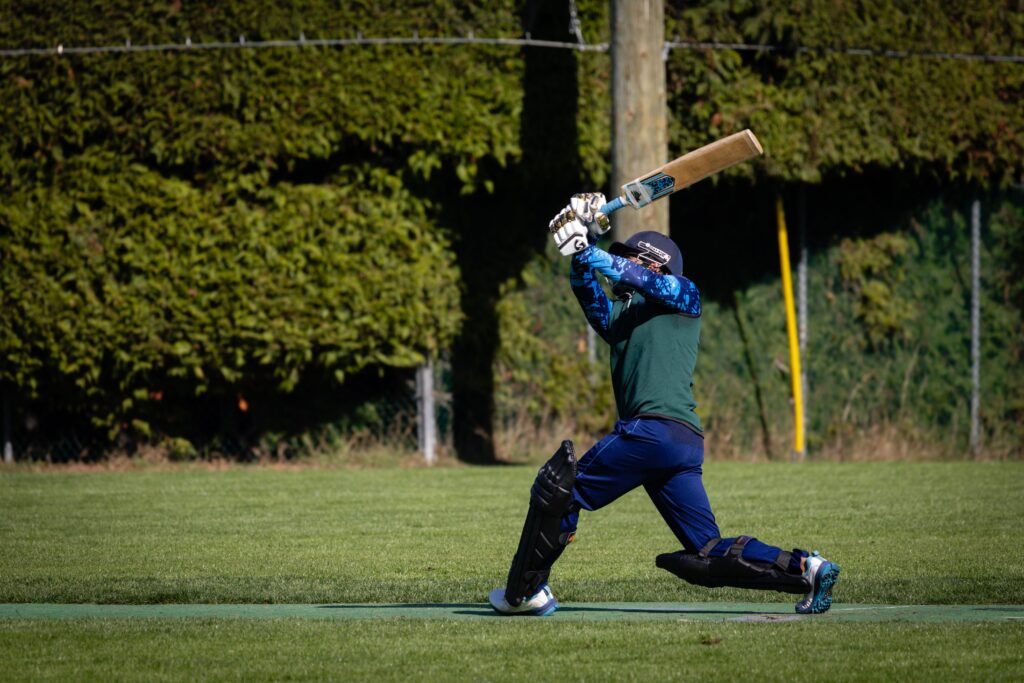
The County Championship is the heart of first-class cricket in England and Wales, combining long-form tradition with a modern professional structure. Established in 1890, the competition remains one of the most important domestic tournaments in English cricket. The 18 first-class counties compete across two divisions, with promotion and relegation adding another layer of pressure to the season. Unlike T20 cricket, County Championship matches reward patience, technique, bowling discipline, and sustained performance over several days. The competition has also played a major role in developing players for England. In 2026, the County Championship continues to provide a demanding test of red-ball cricket, with Nottinghamshire defending the title and an intense battle taking place across both divisions.
What Is the County Championship?
The County Championship is England and Wales’ premier domestic first-class cricket competition. It is contested by 18 professional county teams and is played in the traditional multi-day format. Unlike limited-overs competitions, there is no fixed number of overs for an entire match.
The competition is designed to test every part of a cricketer’s game. Batters must build long innings, bowlers need to maintain pressure for extended spells, and fielders must remain focused throughout the match.
The County Championship is also an important pathway to international cricket. England players have traditionally developed their red-ball skills through county cricket, while emerging players use the competition to demonstrate that they can perform consistently against experienced opposition.
The modern County Championship has two divisions. Division One contains 10 teams, while Division Two contains eight. The structure includes promotion and relegation, meaning teams are competing for both trophies and their position in the domestic hierarchy.
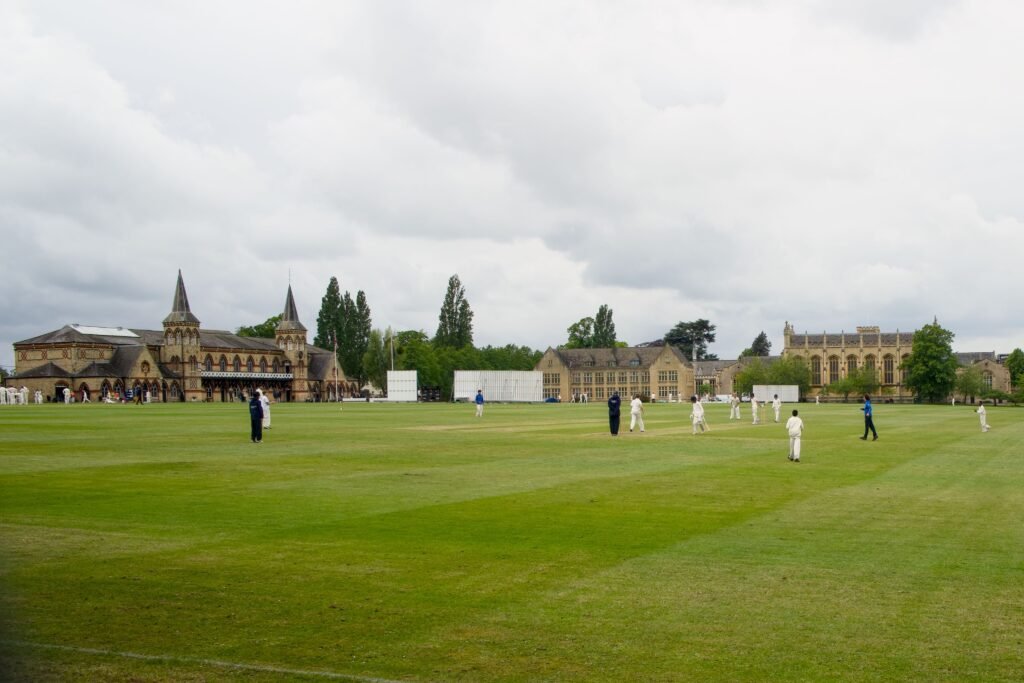
A Brief History of County Championship Cricket
The County Championship was first established in 1890, making it one of the oldest major domestic cricket competitions in the world. Its creation gave county teams a formal championship structure and helped establish a more consistent framework for first-class cricket in England.
Over the decades, the competition became closely associated with some of the country’s most historic cricket clubs. Teams such as Yorkshire, Surrey, Lancashire, Nottinghamshire, Warwickshire, Essex, and others have built strong identities through generations of county cricket.
The competition has also changed considerably over time. Different formats, divisions, and scheduling systems have been introduced as English cricket has adapted to changing demands. The rise of one-day cricket and, later, T20 cricket created new challenges for the traditional first-class game.
Even so, the County Championship has retained its central role. Its four-day matches remain an important test of technique and temperament, particularly for players hoping to establish themselves in England’s Test team.
How the County Championship Format Works
The current competition uses a two-division system. Division One has 10 counties, while Division Two contains eight. Each county plays 14 Championship matches during the season. Promotion and relegation operate on a two-up, two-down basis, creating consequences at both ends of the table.
Matches are played over four days. Teams generally have two innings available, although a match can finish earlier if one side wins by taking all 20 wickets and chasing the required target.
The points system is designed to reward both winning matches and strong first-innings performances. A win is worth 16 points, while a tie or draw gives both sides eight points before applicable bonus points are added. Batting and bowling bonus points are available based on performances during the first 110 overs of the first innings.
At the end of the season, the team with the highest points total becomes champion of its division. If teams finish level on points, official tie-break procedures are applied, beginning with the number of wins and followed by other measures such as losses, wickets, and runs.

Major County Teams and Rivalries
The County Championship is built around historic county clubs with deep connections to their regions. Yorkshire and Lancashire have one of the best-known rivalries in English cricket, while Surrey and Middlesex have long competed in the London cricket scene.
Nottinghamshire, Warwickshire, Essex, Hampshire, Somerset, Kent, and Sussex are also important names in the modern county game. Durham, Derbyshire, Leicestershire, Northamptonshire, Worcestershire, and Glamorgan bring further regional identities to the competition.
These teams do more than compete for points. County cricket provides a professional environment where young players can learn alongside experienced domestic and international cricketers.
The importance of county rivalries is particularly clear during periods when the Championship schedule creates high-stakes matches near the end of the season. A single victory can change the title race, promotion battle or relegation picture.
The County Championship and England Cricket
One of the biggest reasons the County Championship matters is its connection with England’s Test team. Long-form cricket demands qualities that cannot always be developed through short-format competitions.
A batter may need to concentrate for several hours and construct an innings patiently. A fast bowler may have to maintain pace across multiple spells. Spinners must learn how to build pressure and exploit changing pitch conditions.
County cricket therefore acts as an important testing ground for players seeking international selection. It also gives established England players opportunities to return to red-ball cricket when domestic scheduling allows.
The relationship works both ways. England benefits from having a strong first-class competition, while county teams gain from having international-standard players within their squads. This creates a competitive environment throughout the domestic season.
County Championship Cricket in 2026
The 2026 County Championship began on 3 April and is being played in three blocks. Each county has 14 matches, with six games in the opening seven-week block, two matches during a June block, and six further games from August into the final round.
Nottinghamshire entered the season as defending champions after winning their first County Championship title in 15 years in 2025. Their opening match of the 2026 campaign was against Somerset. Meanwhile, Leicestershire and Glamorgan returned to Division One after more than two decades, adding fresh interest to the top division.
As the 2026 season reaches its closing stages, the competition remains particularly open. The ECB reported in August that the top six teams in Division One were separated by only 11 points, while Division Two featured a five-team battle for the second promotion place behind Durham.
That tight table highlights why the Championship remains compelling. Unlike knockout tournaments, the title race develops gradually, and consistency across 14 matches can ultimately prove more important than one outstanding performance.
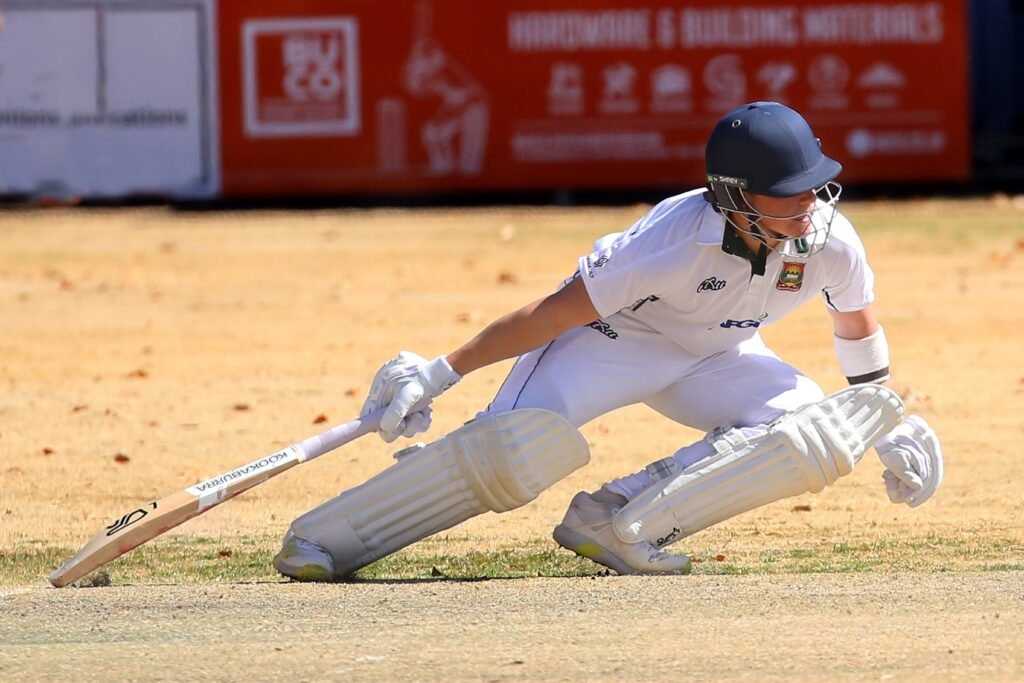
Why County Championship Cricket Still Matters
County Championship cricket occupies a unique position in the English sporting calendar. It may not have the immediate excitement of a T20 match, but its appeal comes from the depth of competition and the skill required over several days.
The format rewards players who can adapt. Weather, pitch conditions, match situations, and workload can all influence the outcome. A team leading after the first innings may still face a completely different challenge later in the match.
For supporters, the Championship also offers a direct connection with the history of English cricket. Many famous England players established themselves through county cricket before becoming international stars.
In 2026, the competition continues to balance that tradition with the realities of modern professional sport. With promotion, relegation, and a closely contested Division One race, the County Championship remains a demanding and meaningful test of first-class cricket. Its importance goes beyond the final table: it continues to develop players, preserve red-ball skills, and provide the foundation on which England’s Test cricket depends.
Frequently Asked Questions
What is the County Championship in cricket?
The County Championship is England and Wales’ major domestic first-class cricket competition. Established in 1890, it features 18 professional counties competing in two divisions. Matches are played over four days and test batting, bowling, fielding, and tactical skills.
How many teams play in the County Championship?
The County Championship has 18 first-class counties. Division One contains 10 teams, while Division Two contains eight. Teams compete for their division championship, with promotion and relegation connecting the two divisions at the end of each season.
How long is a County Championship match?
County Championship matches are played over four days. Teams generally have the opportunity to bat twice, making the competition very different from limited-overs cricket. Matches can finish earlier if one team secures victory before the scheduled four days are completed.
How does the County Championship points system work?
A County Championship victory is worth 16 points, while a tie or draw gives each team eight points before applicable bonus points. Additional points can be earned through batting and bowling performances during the first 110 overs.
Why is the County Championship important for England?
The County Championship provides a major pathway into England’s Test team. Its long-form matches allow players to develop patience, concentration, bowling endurance, and tactical awareness. These skills are especially valuable for cricketers preparing for international red-ball competition.