


The Asian Games 2026 will bring together athletes from across Asian countries in Aichi-Nagoya, Japan, from September 19 to October 4. The 20th edition of the continental multi-sport event will feature 45 National Olympic Committees, about 15,000 athletes and team officials, and 41 sports across 68 disciplines. A total of 460 medal events are scheduled. Japan will host the Asian Games for the third time after Tokyo in 1958 and Hiroshima in 1994. Meanwhile, the program will mix Olympic sports with cricket, esports, kabaddi, sepak takraw, wushu, and other disciplines that have strong roots across Asia.
Key Highlights & Historical Moments
Aichi-Nagoya 2026 will give Asian countries another major platform to compete across a wide range of sports. The Games will also introduce several modern elements while retaining the traditional character of the continental competition.
Japan’s previous Asian Games were held in Tokyo and Hiroshima. Therefore, the 2026 edition marks another important chapter in the country’s long relationship with the event. The program was formally approved by the Olympic Council of Asia in July 2025.
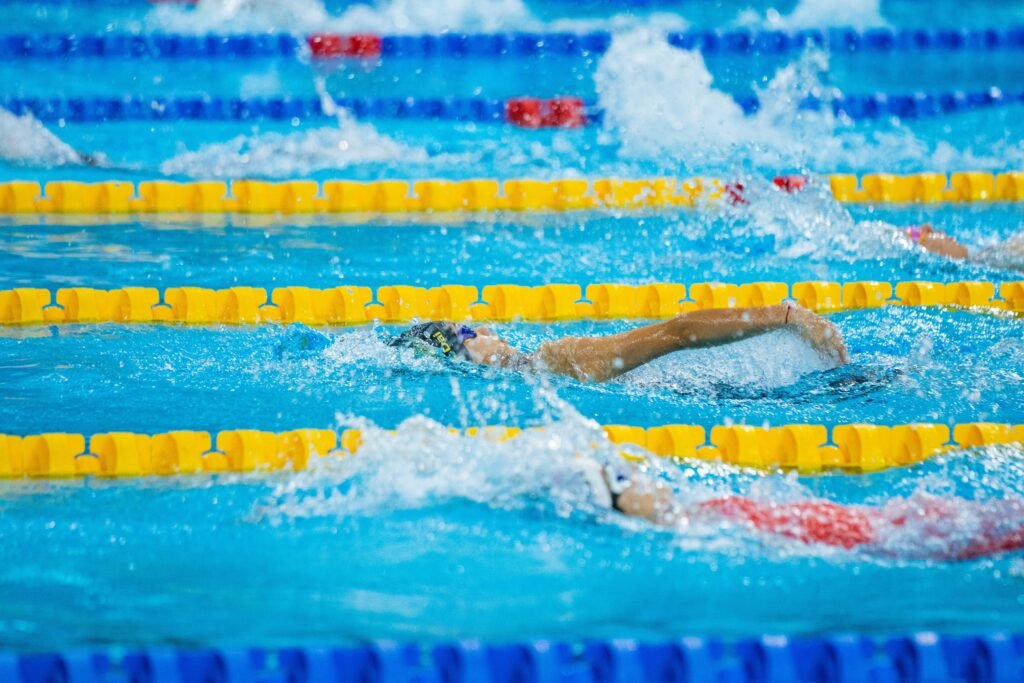
Several features deserve close attention:
- T20 cricket will feature men’s and women’s competitions.
- Mixed Martial Arts is included within the combat sports program.
- Esports will have 11 medal events at Aichi Sky Expo.
- Surfing is included in the program at Pacific Long Beach in Tahara.
- Breaking, skateboarding, and sport climbing add a modern urban dimension.
- Kabaddi and sepak takraw remain important events for Asian countries with strong traditions in these sports.

The scale is equally notable. Organizers have planned competitions across 53 venues, with events spread around Aichi and selected venues elsewhere in Japan.
Competition Analysis & Key Insights
The strength of Aichi-Nagoya 2026 lies in its broad competitive mix. Traditional Olympic sports will account for much of the program. However, regional sports can significantly influence the medal table.
China, Japan, and South Korea are expected to remain major forces in sports such as table tennis, swimming, gymnastics, and other Olympic disciplines. Their depth across multiple events gives them a strong base for a high medal total.
Meanwhile, other Asian countries have clearer medal opportunities in specialist sports. India and Pakistan can draw attention in cricket and field hockey. Indonesia, Thailand, and Malaysia have strong traditions in badminton and sepak takraw. Central Asian nations can also challenge in wrestling, judo, boxing, and combat sports.
The distribution of venues adds another strategic factor. Events will be held in different locations, including Tokyo and Izu for selected competitions. Athletes must therefore manage travel, recovery, and competition schedules carefully.

Expert Take / Analyst Insight
The medal race is unlikely to be decided by one sport. Instead, depth will matter most. China, Japan, and South Korea have broad strengths across Olympic disciplines. Other nations can narrow the gap through specialist events. Cricket, combat sports, and regional disciplines could therefore produce some of the most important medal swings.
Statistical Breakdown & Key Figures
The official program approved by the OCA contains 41 sports, 68 disciplines, and 460 medal events. The event includes 217 men’s competitions, 204 women’s competitions, and 39 mixed events.
Key figures include:
- Host: Aichi-Nagoya, Japan
- Dates: September 19–October 4, 2026
- Participating NOCs: 45
- Athletes and team officials: About 15,000
- Sports: 41
- Disciplines: 68
- Medal events: 460
- Competition venues: 53
- Esports medal events: 11
The esports program will run from September 23 to October 2. It includes titles such as eFootball, League of Legends, Mobile Legends: Bang Bang, and Gran Turismo 7.
Football will also feature strong regional rivalries. The men’s groups include Japan, China, South Korea, Iran, Saudi Arabia, Uzbekistan, Vietnam, and other leading teams.
What Lies Ahead
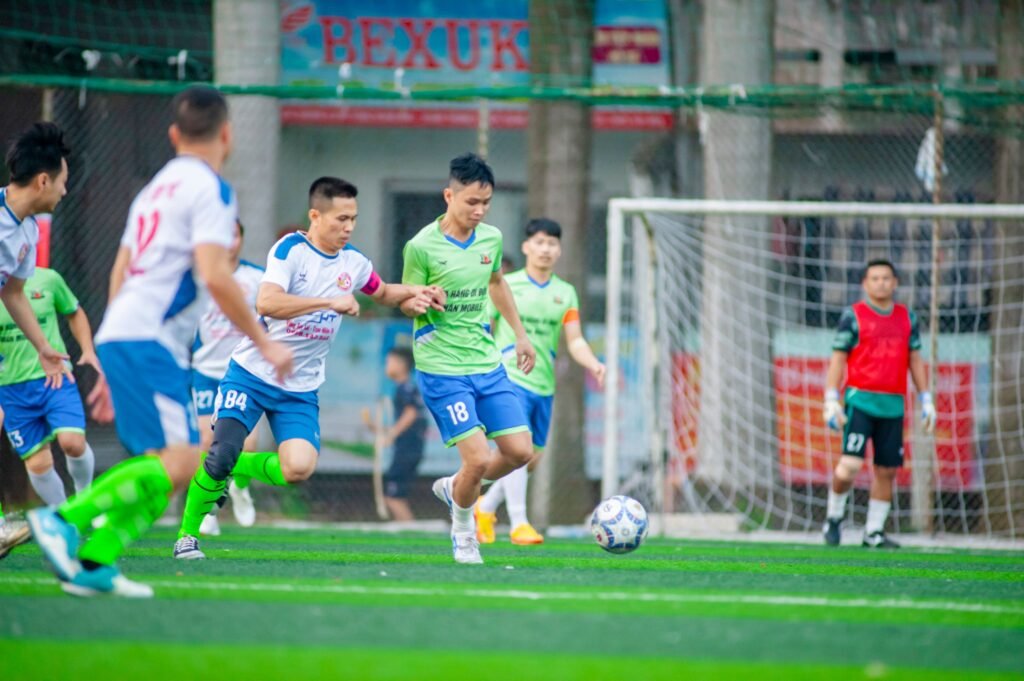
The Asian Games 2026 will be an important checkpoint before the Los Angeles 2028 Olympics. Athletes can use the competition to measure their progress against leading continental rivals.
For national teams, the Games provide another opportunity to test depth and tactical plans. In addition, emerging athletes can gain experience against established champions.
The event may also shape funding decisions. Strong performances in Nagoya could help national federations identify athletes with potential for the next Olympic cycle. Meanwhile, the expanded sports programme gives more Asian countries opportunities to build competitive strength beyond traditional Olympic events.
Frequently Asked Questions
Q1: When and where will the Asian Games 2026 take place?
The 20th Asian Games will be held in Aichi-Nagoya, Japan, from September 19 to October 4, 2026. The event will use venues across Aichi and selected locations elsewhere in Japan.
Q2: Which Asian countries are expected to attract attention?
China, Japan, and South Korea are major contenders across many Olympic sports. India, Pakistan, Indonesia, Thailand, and other Asian countries also have strong medal prospects in specialist disciplines.
Q3: Which sports could create the biggest surprises?
Cricket, esports, combat sports, kabaddi, and sepak takraw could produce major storylines. These events offer medal opportunities for countries that may have less depth in traditional Olympic sports.
Q4: How many sports and medal events are included?
The approved program contains 41 sports, 68 disciplines, and 460 medal events. There are 217 men’s events, 204 women’s events, and 39 mixed events.
Q5: What comes after the Asian Games 2026?
The Games will become an important preparation point for athletes targeting the 2028 Los Angeles Olympics. Performances in Nagoya can help shape selections, rankings, and future training plans.