
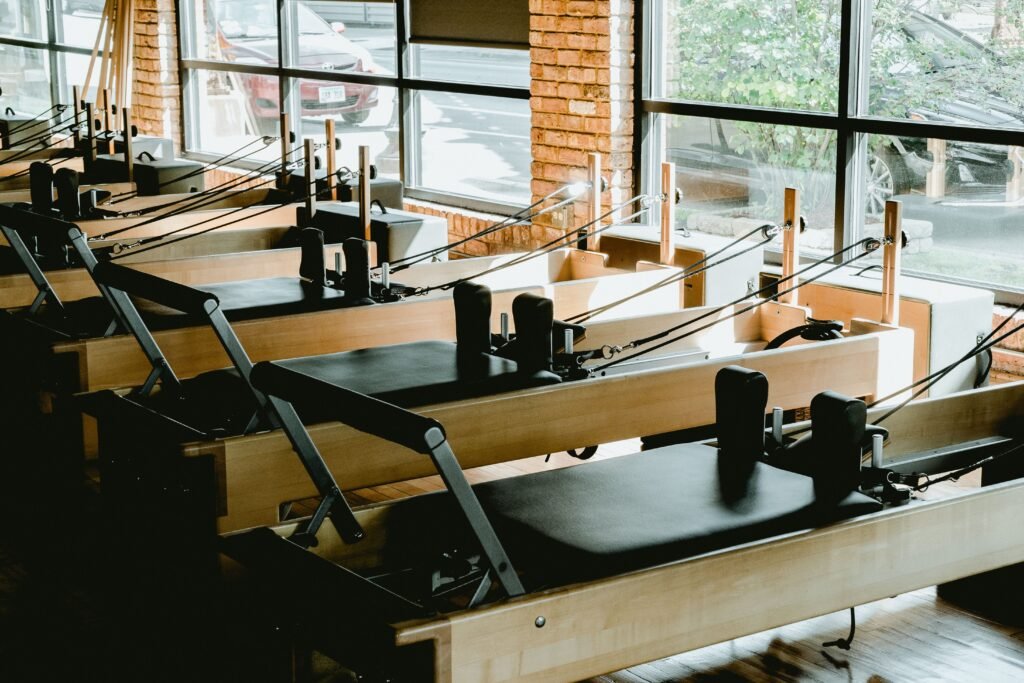
Reform Pilates & Functional Fitness combines controlled movement with practical strength training for everyday performance. This approach blends Pilates precision with exercises that improve balance, mobility, and muscular control. Many people now choose Reform Pilates, functional fitness, and Pilates strength training to build a stronger body without relying on repetitive gym routines. Reform Pilates uses specialized equipment, especially the reformer, to create resistance and guide movement. Functional fitness focuses on patterns that resemble daily activities, sports, and physical tasks. Together, they offer a balanced training method that supports strength, posture, flexibility, and body awareness. The combination also suits beginners and experienced exercisers.
What Reform Pilates and Functional Fitness Mean
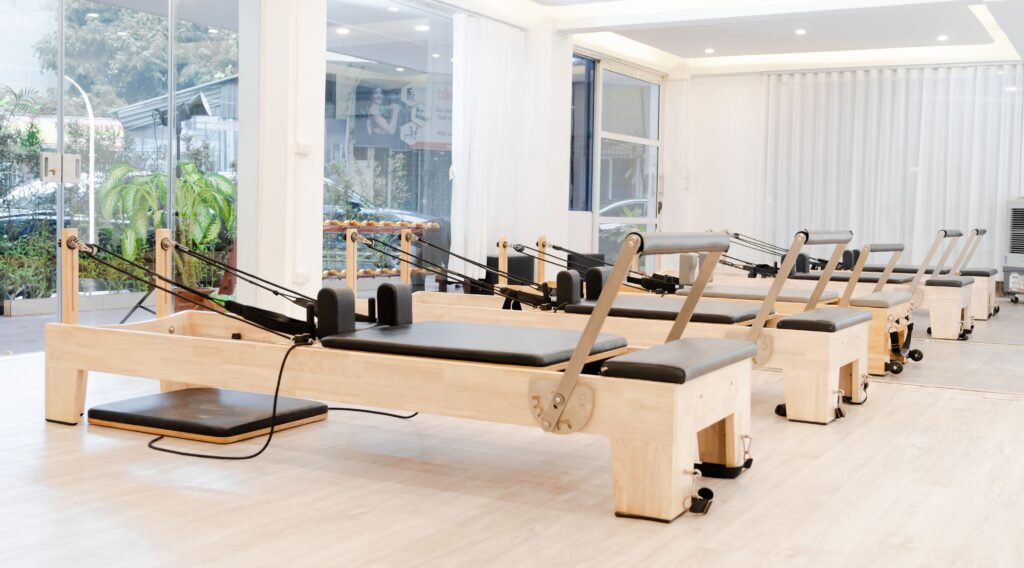
Reform Pilates uses a moving carriage, springs, straps, and a stable platform. These tools create adjustable resistance during each exercise. The system also helps people control their movement more precisely.
Functional fitness takes a different but complementary approach. It trains movements such as pushing, pulling, squatting, rotating, lifting, and carrying. These patterns appear regularly in everyday life.
Combining both methods creates a broader training experience. Pilates improves control and movement quality. Functional exercises build practical strength and physical capacity.
How Reform Pilates Developed
Joseph Pilates developed the original Pilates method during the early twentieth century. He called his system Contrology and focused heavily on controlled movement, breathing, and body awareness.
Pilates later expanded into studios around the world. The reformer became one of its most recognizable training tools. Its spring system allows users to adjust resistance for different exercises.
Functional fitness gained wider attention much later. Trainers began focusing more on movement quality and useful physical abilities. The approach now appears in gyms, rehabilitation settings, sports programs, and group classes.
Modern programs often combine ideas from both systems. This blend reflects the growing interest in versatile training rather than isolated muscle exercises.
How the Training Works
Reform Pilates usually emphasizes slow, controlled repetitions. The springs create resistance while the carriage challenges stability. Small movements can demand significant effort from the core and supporting muscles.
Functional fitness adds more dynamic movement. Exercises may involve bodyweight, dumbbells, kettlebells, resistance bands, or other simple equipment.
The two methods can work well within one session. A workout might begin with controlled Pilates movements. It can then progress toward squats, lunges, carries, or rotational exercises.
This structure gradually increases physical demand. It also encourages people to maintain good movement mechanics as intensity rises.
Main Benefits for Strength and Movement
Reform Pilates can improve core strength and body control. It also encourages better posture through repeated attention to alignment. The resistance from springs can challenge muscles without requiring heavy weights.
Functional fitness supports strength that transfers into everyday movement. Strong legs can make stairs easier. Better upper-body strength can help with lifting and carrying.
Both methods can improve balance and coordination. They also encourage people to move through different ranges of motion.
Regular training may support flexibility and joint mobility as well. However, results depend on consistency, exercise selection, recovery, and individual fitness levels.
The combination can also make workouts more engaging. Pilates provides precision, while functional movements add variety and challenge.
Applying the Approach to Modern Training
A balanced program should match the person’s goals and current ability. Beginners can start with basic reformer movements and simple functional exercises.
A typical session might combine controlled core work with lower-body strength. It could include reformer footwork, bridges, rows, squats, and light carries.
More experienced exercisers can increase resistance gradually. They can also add more complex movement patterns when their technique remains strong.
Training frequency matters more than making every session extremely difficult. Consistent workouts allow people to develop strength and movement skills over time.
Recovery also supports progress. Muscles need adequate rest, sleep, and nutrition after demanding sessions. A sustainable routine should challenge the body without constantly exhausting it.
Common Mistakes and Better Solutions
One common mistake involves using too much resistance too quickly. Heavy springs or weights can reduce movement control. Start with manageable resistance and increase it gradually.
Another mistake involves rushing through Pilates exercises. Speed can reduce precision and make technique harder to maintain. Controlled repetitions usually create a better training stimulus.
Some people also focus only on flexibility. Functional strength matters just as much for long-term movement quality. Include exercises that challenge stability, strength, and coordination.
Poor technique creates another problem. People sometimes copy advanced movements before mastering basic patterns. Progression should follow skill, not appearance.
Finally, some exercisers train hard without enough recovery. Persistent fatigue can affect performance and motivation. Build rest days into the weekly routine when needed.
Reform Pilates and functional fitness work best when people treat movement as a long-term skill. The combination develops control, strength, mobility, balance, and practical physical ability. Pilates brings precision and stability, while functional training adds strength for real-world movement. Together, they create a flexible training approach that can suit many fitness levels. The goal does not involve chasing the hardest workout every time. Instead, consistent practice should help the body move better, become stronger, and handle daily demands with greater confidence.
Frequently Asked Questions
Is Reform Pilates good for building strength?
Yes, Reform Pilates can build meaningful muscular strength. Springs provide adjustable resistance, while controlled movements challenge stabilizing muscles. It works especially well for core, hip, and postural strength when people train consistently.
Can beginners try reform Pilates and functional fitness?
Beginners can combine both approaches with suitable exercises and professional guidance. Starting with basic movements helps develop control and confidence. Resistance should remain manageable until technique becomes consistent and comfortable.
How often should I do Reform Pilates?
Many people can start with two or three sessions each week. This schedule provides regular practice without overwhelming recovery. Your ideal frequency depends on training experience, goals, intensity, sleep, and overall activity.
Does functional fitness improve everyday movement?
Functional fitness can improve strength and coordination for everyday tasks. Squatting, lifting, carrying, pushing, and pulling resemble common daily movements. Regular practice can make these patterns feel stronger and more controlled.
Can Reform Pilates help with mobility?
Reform Pilates can support mobility by combining controlled movement with strength and stability. Exercises often move joints through useful ranges. Consistent practice may improve movement quality while strengthening muscles around important joints.