
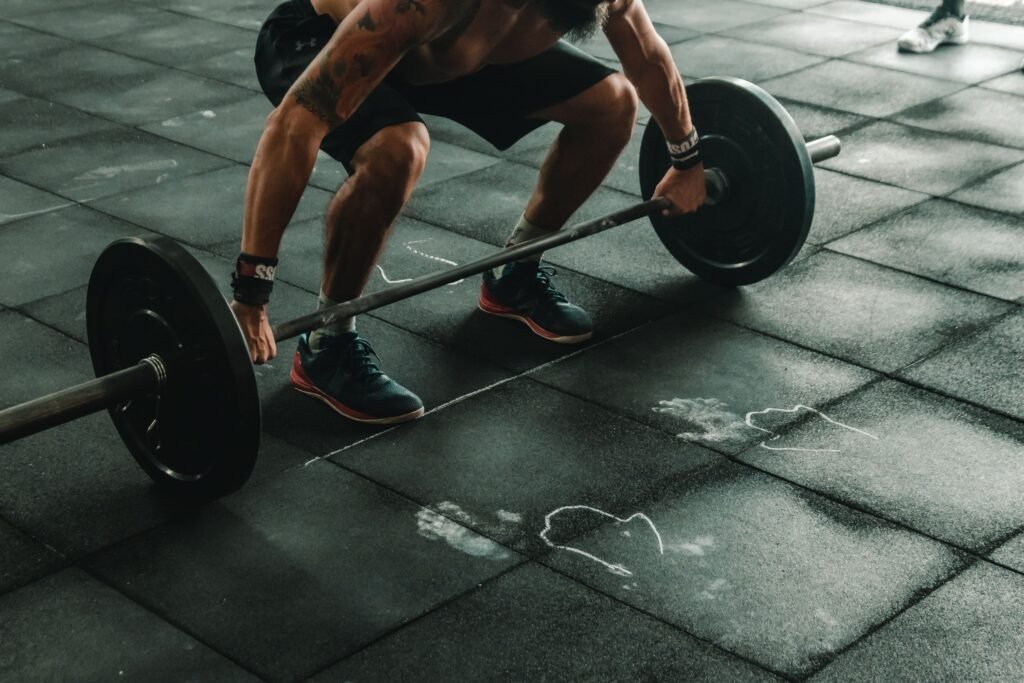
Relying solely on chronic cardio for body recomposition is a dead end. Long, steady-state sessions burn calories during the workout, but they often lead to muscle breakdown, a suppressed basal metabolic rate (BMR), and increased appetite signals. To strip away subcutaneous fat while preserving—or even building—metabolically active tissue, you must leverage high-intensity stimulus. Both High-Intensity Interval Training (HIIT) and Heavy Resistance Training offer distinct physiological pathways to drive fat loss. Understanding how to deploy both in a structured program determines whether you simply drop weight or achieve a lean, powerful physique.
The Physiology of Body Recomposition
Fat loss requires more than a simple caloric deficit; it demands a metabolic signal that forces the body to oxidize adipose tissue while sparing skeletal muscle.
EPOC and Metabolic Rate Expansion
HIIT triggers high levels of Excess Post-Exercise Oxygen Consumption (EPOC). Pushing exertion above 85% of maximum heart rate ($HR_{max}$) creates a significant oxygen debt. The body must expend energy for hours post-workout to restore glycogen stores, clear lactate, and re-oxygenate blood.
Muscle Retention and Resting Energy Expenditure
Heavy lifting (75%–85%+ of 1-Rep Max) operates through a different mechanism: mechanical tension and recruitment of Type II fast-twitch muscle fibers. Skeletal muscle tissue is metabolically costly to maintain. By lifting heavy weights, you send an adaptive signal to the central nervous system that muscle tissue is essential for survival. Preserving muscle mass keeps your resting metabolic rate high, preventing the plateau often seen with standard low-calorie dieting.
| Training Modality | Primary Fuel Source | Metabolic Driver | Primary Adaptation |
| HIIT | Carbohydrates/Glycogen | High EPOC & Anaerobic Glycolysis | Cardiovascular Capacity & Post-Exercise Burn |
| Heavy Lifting | ATP-CP & Glycogen | Mechanical Tension & Myofibrillar Hypertrophy | Muscle Mass Preservation & BMR Elevation |
Step-by-Step Hybrid Fat-Loss Protocol
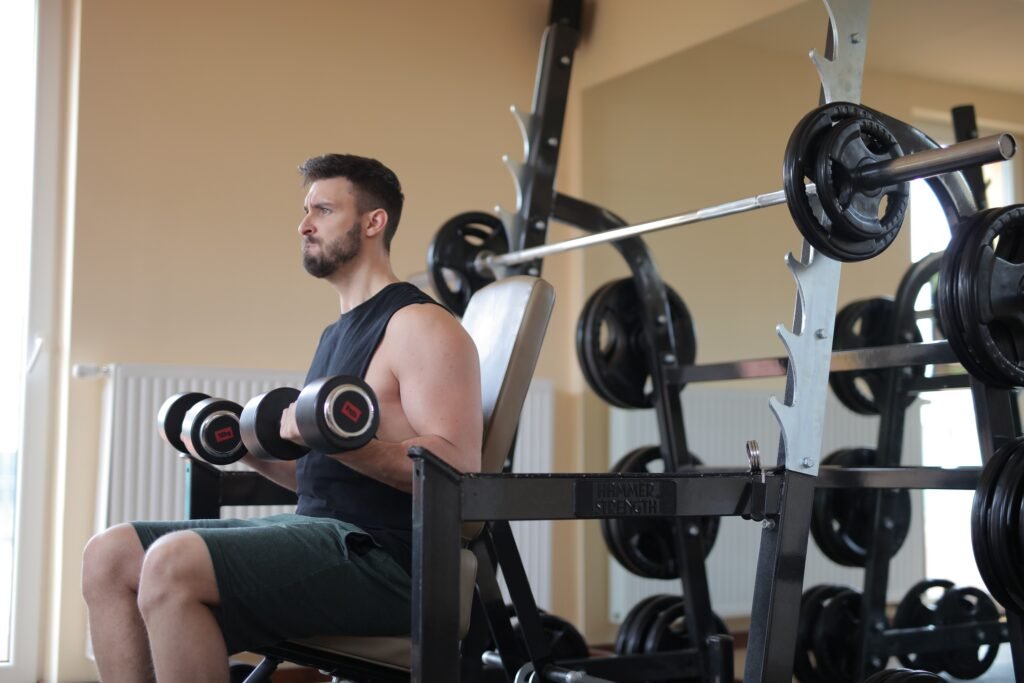
Combining HIIT and heavy strength training requires careful management of system fatigue and central nervous system (CNS) strain. Follow this 4-day weekly rotation:
Day 1 & Day 4: Heavy Resistance (Lower / Upper Focus)
- Primary Compound Lifts: Barbell Back Squats or Trap Bar Deadlifts (Lower), Overhead Press or Barbell Bench Press (Upper).
- Protocol: 4 sets x 4 to 6 reps at ~80% 1RM.
- Rest: 120 to 180 seconds between sets to ensure full ATP restoration.
- Accessory Movements: Bulgarian Split Squats, Dumbbell Rows, and Roman Chair Extensions.
- Protocol: 3 sets x 8 to 10 reps.
- Rest: 90 seconds between sets.
Day 2 & Day 5: High-Intensity Interval Training
- Modality: Airdyne Bike, Rowing Machine, or Weighted Sled Pushes (low impact to spare joints).
- Interval Structure:
- Warm-up: 5 minutes with an easy ramping pace.
- Work Interval: 20 seconds maximum effort (>90% $HR_{max}$).
- Rest Interval: 40 seconds of passive or low-intensity recovery.
- Volume: Repeat for 10 to 12 total rounds (10–12 minutes total).
- Cool-down: 5 minutes of light cycling or walking.
Pro-Trainer Tip: Never perform HIIT immediately before heavy compound lifting. High-intensity cardiorespiratory intervals deplete muscle glycogen and fatigue stabilizing muscles, dramatically increasing injury risk during squats or deadlifts. Separate them by at least 8 to 12 hours, or perform HIIT on dedicated off-days.
Nutrition & Recovery Integration
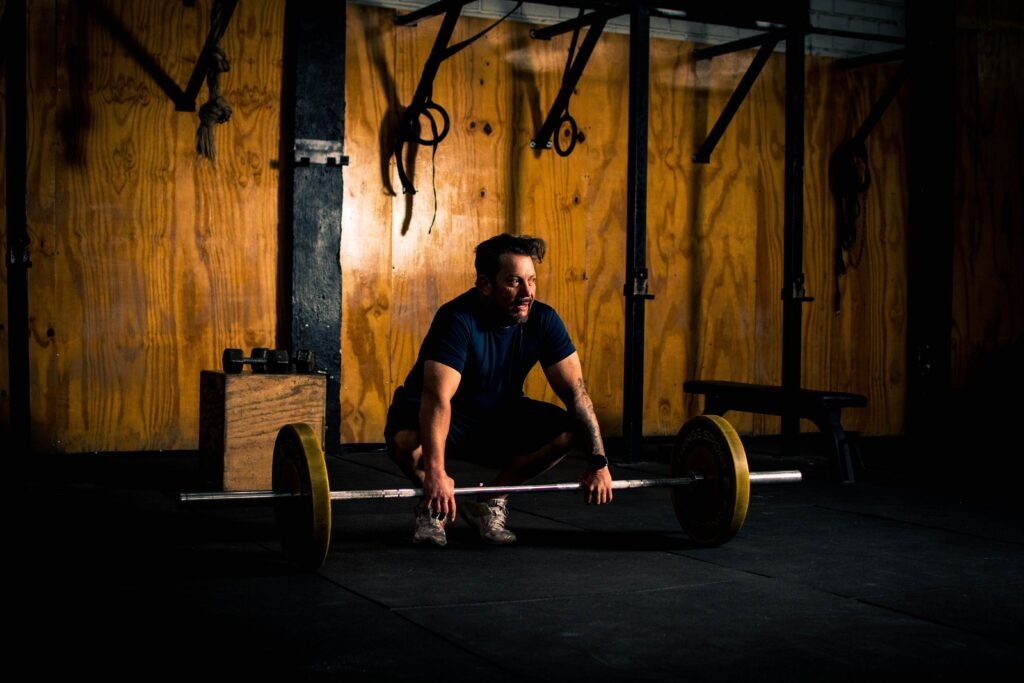
Training provides the stimulus; fuel and rest dictate the adaptation. Without precise macronutrient targeting, high-intensity training can drive cortisol sky-high, leading to muscle loss and fluid retention.
- Protein Intake: Consume 1.6 to 2.2 grams of protein per kilogram of body weight daily to support muscle protein synthesis ($MPS$) during a caloric deficit.
- Carbohydrate Timing: Concentrate 50% of your daily complex carbohydrate intake around your training window (pre- and post-workout) to maximize performance and replenish depleted glycogen.
- Hydration & Electrolytes: Aim for 3 to 4 liters of water daily, adding sodium (500 mg) and potassium (200 mg) around high-intensity interval sessions to maintain nerve signal velocity and muscle contractions.
- Sleep Optimization: Prioritize 7 to 9 hours of quality sleep. Deep sleep triggers human growth hormone (HGH) release, crucial for cellular repair and fat oxidation.
Common Pitfalls & How to Avoid Them
- Over-fatiguing via Excessive HIIT: Running HIIT sessions 5 to 6 days a week burns out the nervous system and spikes systemic cortisol.
- Correction: Limit true HIIT to 2 or 3 sessions per week maximum, lasting 15 minutes or less.
- Lifting Light Weights for High Reps to “Tone”: Light weights do not provide sufficient mechanical tension to prevent muscle wasting during a deficit.
- Correction: Keep your main lifts heavy (4–6 rep range) to send a strong signal for muscle retention.
- Cutting Calories Too Aggressively: A deficit greater than 25% of Total Daily Energy Expenditure (TDEE) forces the body to downregulate thyroid function and break down lean tissue.
- Correction: Target a conservative 15% to 20% caloric deficit for steady fat loss.
Frequently Asked Questions
Q1: How long will it take to see visible body recomposition results?
Performance improvements occur within 2 weeks, while measurable changes in body composition typically become visible around weeks 4 to 6 of consistent training and nutrition.
Q2: Is this hybrid program suitable for complete fitness beginners?
Beginners should spend the first 4 weeks establishing baseline movement mechanics with moderate weights (8–12 rep range) and low-intensity steady-state (LISS) cardio before introducing true heavy lifting and maximal HIIT efforts.
Q3: Should I take creatine while trying to lose fat?
Yes. Creatine monohydrate (3–5 g daily) saturates intramuscular phosphocreatine stores, helping maintain explosive strength and heavy lifting capacity while in a caloric deficit. It does not inhibit fat loss.
Q4: How do I prevent joint pain when combining heavy loads and fast intervals?
Select low-impact tools for HIIT, such as assault bikes, sled pushes, or rowers, rather than hard-surface sprinting. Maintain proper movement mechanics on all heavy compound lifts.
Q5: Which burns more total fat: a 15-minute HIIT session or an hour of heavy lifting?
Heavy lifting burns more absolute calories due to workout duration and preserves muscle mass, which raises overall daily energy expenditure. HIIT burns more calories per minute and produces a higher post-workout EPOC spike, making both complementary when used together.