Choosing between HIIT and heavy lifting for fat loss is a false dynamic. High-Intensity Interval Training (HIIT) drives rapid calorie expenditure and triggers Excess Post-Exercise Oxygen Consumption (EPOC), keeping your metabolic rate elevated post-workout. Conversely, heavy lifting recruits Type II muscle fibers, stimulating hypertrophy to boost your baseline metabolic rate permanently.
While HIIT burns immediate energy through anaerobic exertion, heavy lifting protects lean muscle during a caloric deficit. For optimal body composition, integrate both: pair heavy compound lifts twice weekly with short, high-intensity interval sessions to maximize fat loss while preserving power.
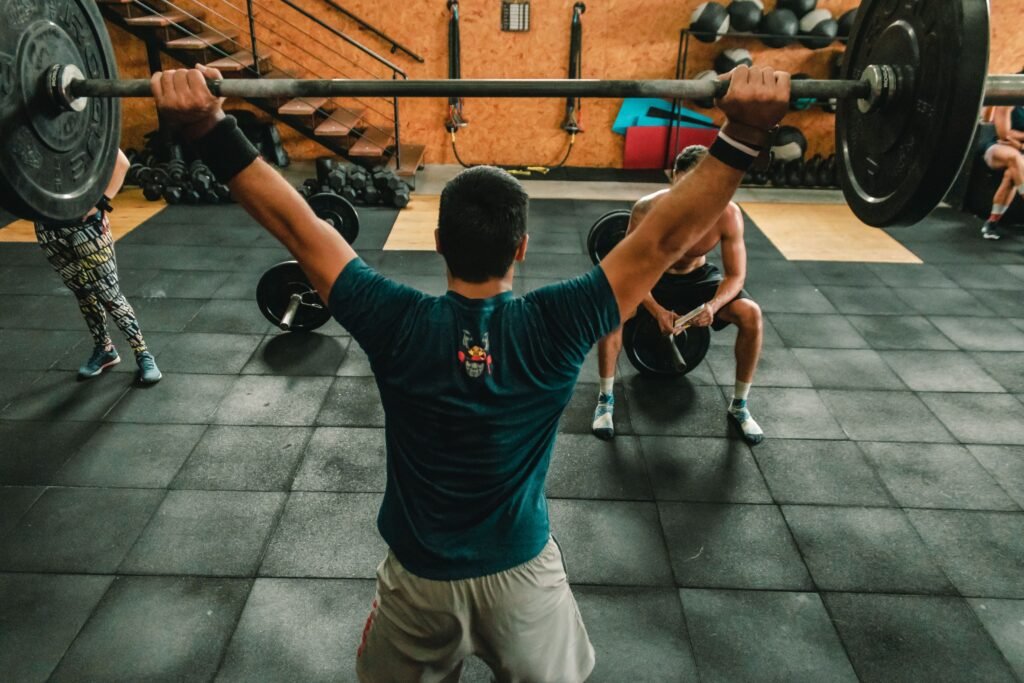
The debate over the single most effective method for rapid fat loss usually splits fitness enthusiasts into two camps: the high-intensity interval training (HIIT) devotees and the heavy strength training purists. Most trainees mistakenly believe they must choose one over the other to maximize body composition. The truth is that relying solely on endless cardio intervals or strictly chasing heavy maxes creates distinct physiological plateaus. Combining these protocols strategically unleashes exponential metabolic adaptations, accelerating fat loss while preserving lean muscle mass.
The Biological Mechanisms: EPOC, Hypertrophy, and Metabolic Flexibility
To optimize fat loss, you must manipulate energy expenditure both during and after training. High-intensity interval training relies on near-maximal exertion, driving your heart rate above 85% of its maximum capacity. This rapid anaerobic demand induces intense cellular stress, requiring significant oxygen recovery post-workout—a physiological state known as Excess Post-Exercise Oxygen Consumption (EPOC). Under elevated EPOC, your baseline metabolic rate remains elevated for up to 24 hours as your body restores glycogen, clears lactate, and synthesizes protein.

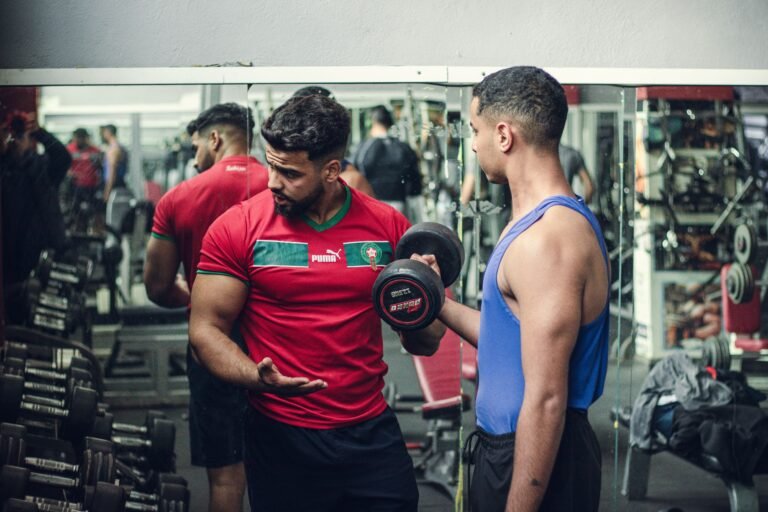
Conversely, heavy resistance training (working at 75–85% of your 1-Rep Max) primarily drives skeletal muscle hypertrophy and recruits high-threshold Type II muscle fibers. Maintaining lean tissue is the primary driver of your Basal Metabolic Rate (BMR); muscle mass demands considerably more daily energy for cellular maintenance than adipose tissue. Furthermore, heavy compound lifts improve insulin sensitivity and metabolic flexibility, ensuring that consumed carbohydrates are directed toward muscle glycogen replenishment rather than fat storage.
The Hybrid Protocol: 4-Week Fat-Loss Architecture
To maximize fat loss while shielding muscle tissue from catabolism, structure your training week around alternating days of high-load mechanical tension and high-density conditioning.
Weekly Schedule Layout
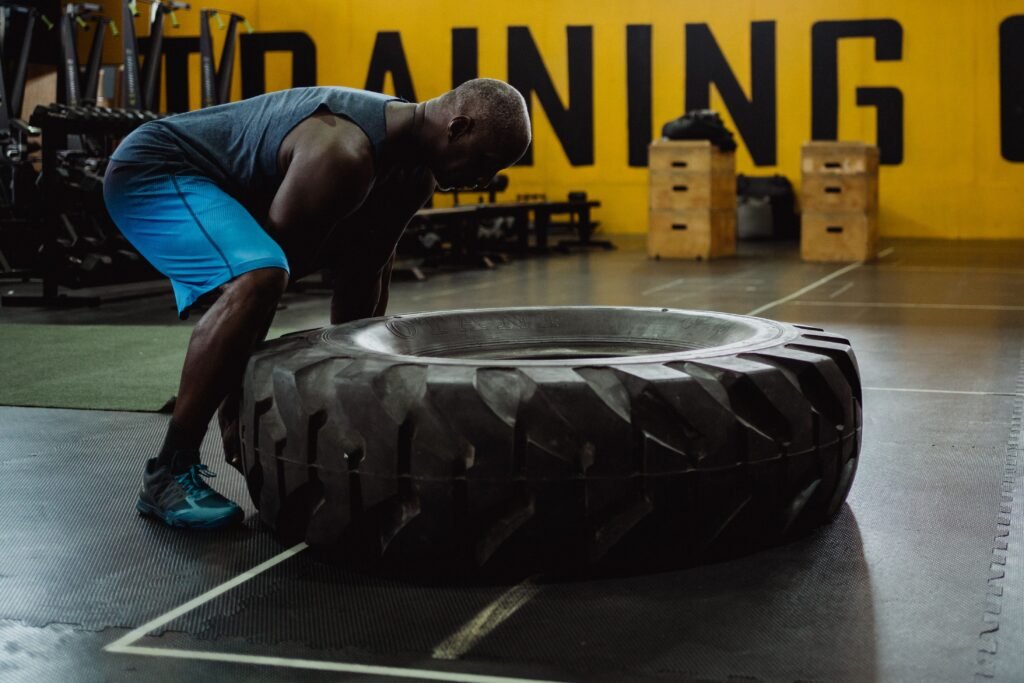
- Monday: Heavy Lower Body (Strength)
- Tuesday: High-Intensity Interval Training (Metabolic Conditioning)
- Wednesday: Active Recovery / Mobility
- Thursday: Heavy Upper Body (Strength)
- Friday: High-Intensity Interval Training (Metabolic Conditioning)
- Saturday: Full-Body Hypertrophy & Core
- Sunday: Complete Rest
Training Execution Details
- Heavy Strength Days (Monday / Thursday)
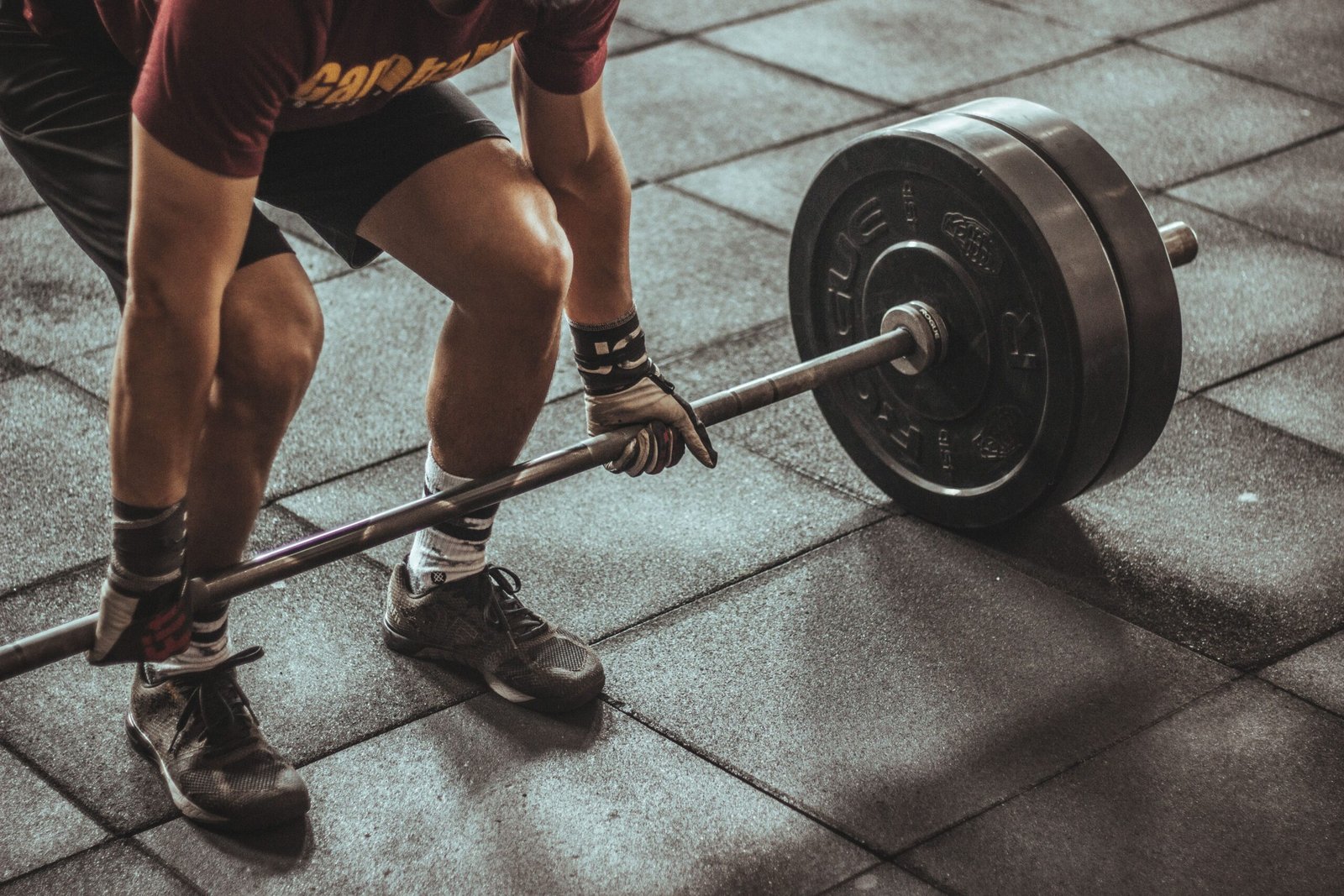
- Main Lifts: Barbell Back Squat, Conventional Deadlift, Overhead Press, or Bench Press.
- Volume & Load: 4 sets × 4–6 reps at ~80% 1RM.
- Rest Periods: 120–180 seconds between sets to allow full ATP-CP resynthesis.
- HIIT Days (Tuesday / Friday)
- Protocol: Sprint Interval Training (SIT) on an Airdyne bike or rowing machine.
- Interval Structure: 30 seconds max-effort sprint (100% effort) followed by 90 seconds low-intensity recovery.
- Volume: Repeat for 8 to 10 total rounds.
Biohacking Tip: Execute your HIIT sessions on a non-motorized curved treadmill or air bike rather than pavement. The self-guided friction increases metabolic output by up to 30% while eliminating joint-jarring eccentric impact.
Fueling, Recovery, and Endocrine Optimization
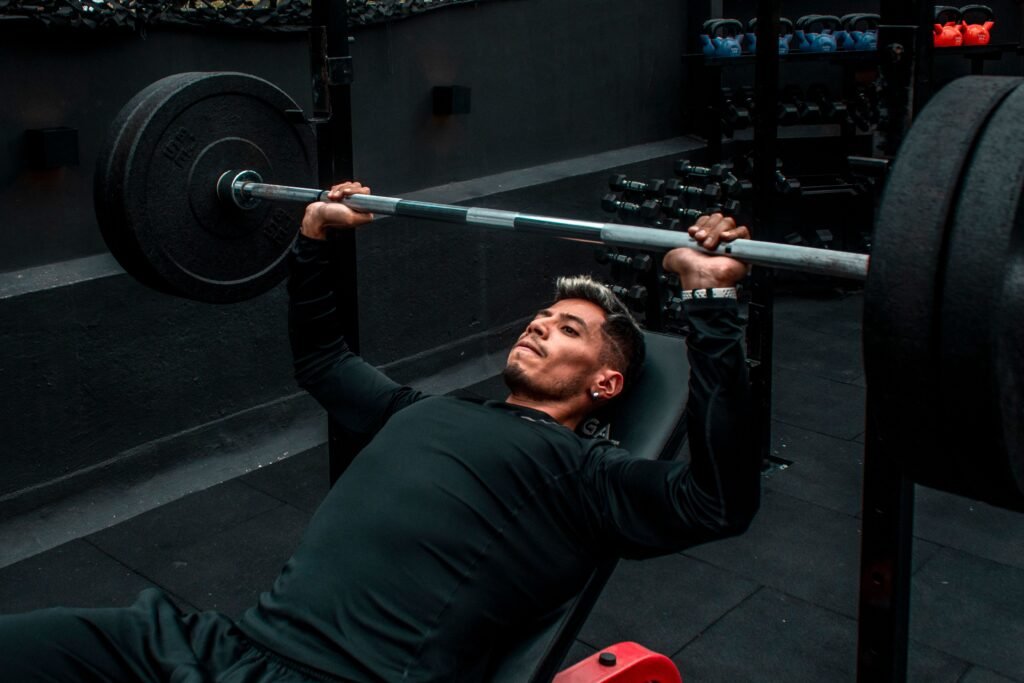
Training intensity dictates nutrition requirements. When running a hybrid protocol, consume a moderate calorie deficit (15–20% below maintenance) while elevating your protein intake to 1.8–2.2 grams per kilogram of body weight to prevent lean mass loss.
Daily Macronutrient Target Distribution:
┌─────────────────────────┬─────────────────────────┬─────────────────────────┐
│         PROTEIN         │      CARBOHYDRATES      │        DIET FATS        │
│   1.8 – 2.2 g / kg BW   │   2.5 – 3.5 g / kg BW   │   0.8 – 1.0 g / kg BW   │
│  (Preserves Muscle Mass)│   (Targets Workout Ops) │  (Supports Hormones)    │
└─────────────────────────┴─────────────────────────┴─────────────────────────┘
Time the majority of your daily complex carbohydrates around your training windows—specifically post-workout—to replenish muscle glycogen and blunt excessive cortisol spikes. Sleep remains your ultimate anabolic recovery tool; target 7.5 to 9 hours of quality sleep nightly to optimize growth hormone secretion and maintain insulin sensitivity. Supplement with 3–5 g of creatine monohydrate daily to sustain power output during heavy lifting sets.
Common Pitfalls & Practical Corrections

- Excessive HIIT Volume: Running interval sessions daily elevates systemic cortisol, leading to muscle loss and central nervous system (CNS) fatigue. Limit true HIIT to 2–3 sessions per week.
- Cutting Rest Periods on Heavy Days: Turning heavy lifting into a pseudo-cardio circuit reduces mechanical load and compromises muscle retention. Keep your rest periods at 2+ minutes on core lifts.
- Under-Fueling Protein Intake: An aggressive caloric deficit without adequate amino acid availability causes the body to break down lean tissue for fuel. Keep protein high every day.
- Neglecting Active Recovery: Complete stillness on off-days reduces local blood flow to recovering muscle tissue. Incorporate 30 minutes of low-intensity steady-state (LISS) walking to speed up repair.
Frequently Asked Questions
Q1: How long does it take to see visible body composition changes with this protocol?
Noticeable changes in muscle tone and fat reduction typically manifest within 3 to 4 weeks of strict protocol adherence, assuming a consistent caloric deficit and precise training execution.
Q2: Is this hybrid HIIT and heavy lifting method suitable for complete beginners?
Beginners should focus on establishing foundational lifting mechanics and basic aerobic capacity for 4 to 6 weeks before introducing maximum-effort sprint intervals or heavy loads above 75% 1RM.
Q3: Should I take intra-workout carbs or amino acids during these sessions?
Essential Amino Acids (EAAs), or branched-chain amino acids (BCAAs), are beneficial during fasted sessions to protect muscle tissue. Still, solid daily protein intake makes intra-workout carbs unnecessary unless workouts exceed 75 minutes.
Q4: How do I avoid joint pain when combining heavy loads with high-intensity sprinting?
Substitute high-impact running sprints with low-impact modalities like stationary air bikes, rowing machines, or sled pushes (Prowler) to minimize wear on your knees and lower back.
Q5: Which is better for pure, absolute fat loss: HIIT or heavy lifting?
Neither works best in isolation. HIIT burns more calories per minute during the activity and drives short-term EPOC, whereas heavy lifting builds lean mass that elevates daily resting metabolic rate long-term. Combining both yields superior fat loss compared to using either protocol alone.