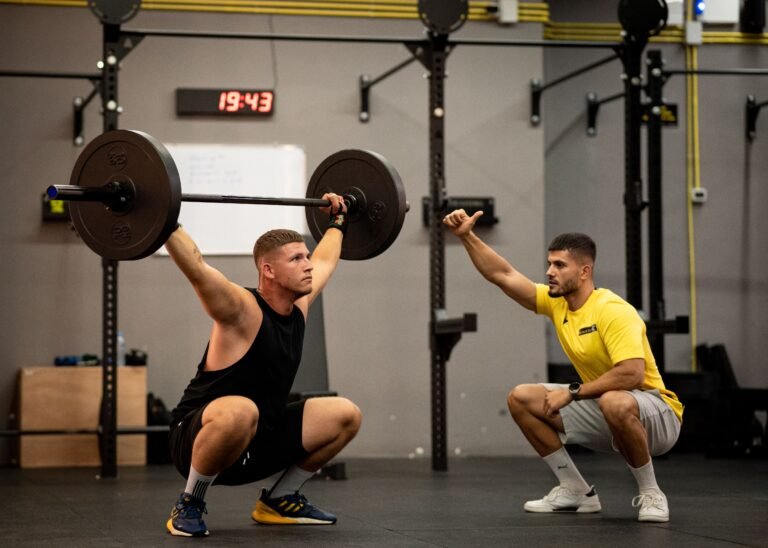


Building functional muscle mass is one of the most effective ways to improve long-term metabolic health, increase physical performance, and build a resilient body. Whether your goal is aesthetic definition, athletic power, or overall longevity, successful muscle growth is exercise science rather than short-term workout trends.
Hypertrophy occurs when muscle fibers sustain microtears during resistance training and rebuild as stronger, larger fibers during rest. To consistently trigger this adaptation, your approach to resistance training, nutrition, and recovery must be aligned.
1. The Core Mechanics of Muscle Growth
Muscle growth relies on three primary physiological drivers: mechanical tension, metabolic stress, and muscle damage. Understanding how these mechanisms interact helps refine training efficiency.
       Hypertrophy Drivers
 ┌──────────────────────────────┐
 │  Mechanical Tension          │ --> High loads, progressive overload
 │  Metabolic Stress            │ --> "The Pump", metabolite buildup
 │  Controlled Muscle Damage   │ --> Micro-tears repaired via rest
 └──────────────────────────────┘

- Mechanical Tension: The single most critical driver of hypertrophy. It occurs when a muscle contracts against resistance through a full range of motion. Gradually increasing the force required over time forces muscle fibers to adapt by increasing in size.
- Metabolic Stress: Commonly recognized as “the pump,” metabolic stress is the accumulation of metabolites—such as lactate and hydrogen ions—in the muscle during higher-repetition training. This environment signals cells to swell and triggers anabolic signaling pathways.
- Muscle Damage: Microscopic tears in muscle tissue occur during exercise, particularly during the eccentric phase (lowering the weight). When the body repairs these micro-tears using amino acids, the fibers grow thicker to withstand future stress.
2. Progressive Overload: The Non-Negotiable Training Principle

To build muscle month after month, you must apply the principle of progressive overload. If you challenge your muscles with the same resistance, volume, and intensity indefinitely, growth stalls because the body has already adapted to that specific workload.
Progressive overload does not simply mean adding heavier weights to the bar every week. You can continuously challenge your muscles through several variables:
- Increasing Resistance: Gradually increasing the weight lifted while maintaining proper form.
- Adding Volume: Performing more total reps or sets for a target muscle group.
- Improving Range of Motion: Moving the weight through a deeper, more controlled stretch and contraction.
- Controlling Tempo: Slowing down the eccentric (lowering) portion of the movement to increase time under tension.
- Reducing Rest Intervals: Completing the same work volume in slightly less time to increase density.

For optimal hypertrophy, structure workouts around compound movements—such as squats, deadlifts, overhead presses, pull-ups, and bench presses—which recruit multiple joint complexes and high-volume muscle groups simultaneously. Follow these with isolation exercises to target specific areas like the biceps, triceps, or lateral deltoids.
3. Nutrition for Muscle Synthesis: Caloric Surpluses and Protein
Training acts as the catalyst for muscle growth, but nutrition provides the raw building blocks. Without adequate dietary resources, the body cannot effectively repair micro-damaged muscle tissue.
                  Nutritional Hierarchy for Growth
        ┌──────────────────────────────────────────────────┐
        │  Caloric Surplus (+250 to +500 kcal/day)        │
        ├──────────────────────────────────────────────────┤
        │  Protein Intake (1.6 - 2.2g per kg of bodyweight)│
        ├──────────────────────────────────────────────────┤
        │  Carbohydrates & Healthy Fats (Glycogen/Hormones)│
        └──────────────────────────────────────────────────┘
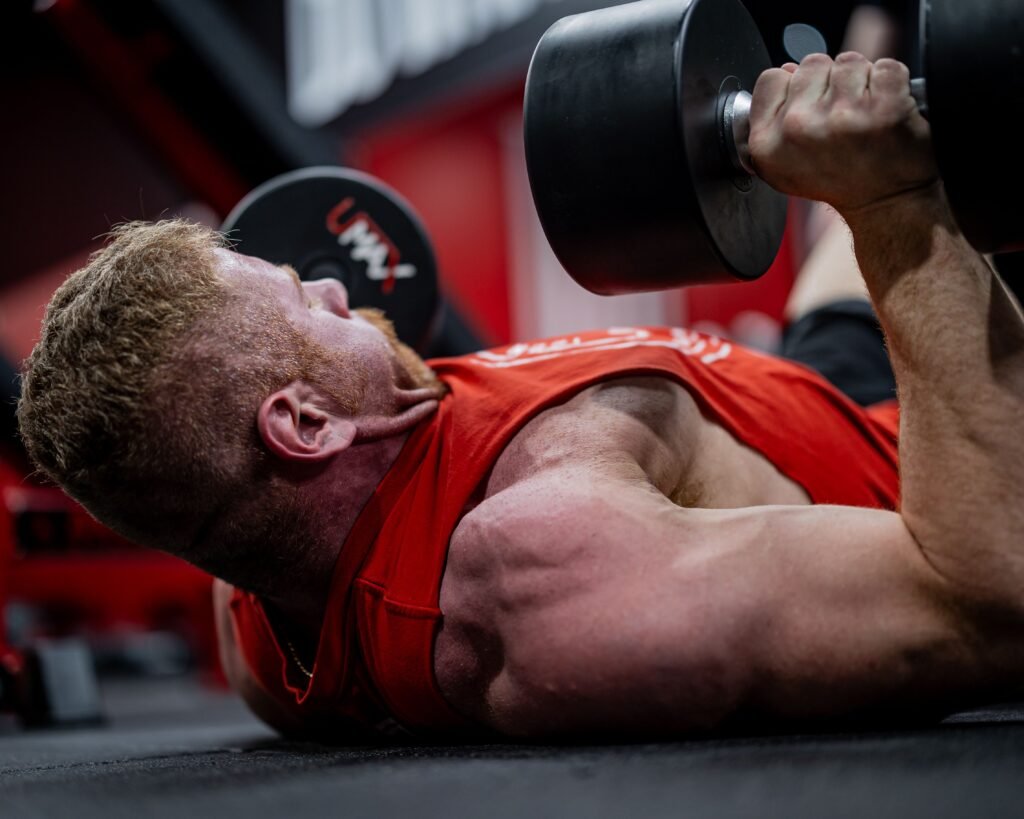
Caloric Surplus
To optimize muscle synthesis without excess body fat gain, aim for a conservative, slight caloric surplus—typically 250 to 500 calories above your daily total energy expenditure (TDEE). This extra energy fuels intense training sessions and provides the metabolic energy needed for cellular repair.
Protein Target
Protein provides essential amino acids, particularly leucine, which triggers muscle protein synthesis (MPS). Aim for 1.6 to 2.2 grams of protein per kilogram of body weight (0.7–1.0 g per pound) per day. Spread this intake across 3 to 5 meals to keep MPS consistently elevated.
Supporting Macronutrients
- Carbohydrates: Carbohydrates store as glycogen in muscle tissue, serving as the primary fuel source for high-intensity lifting. Adequate carbohydrate intake prevents the body from breaking down amino acids for energy.
- Healthy Fats: Dietary fats are crucial for supporting hormone production, including testosterone, which plays an essential role in tissue growth and repair.
4. Recovery: Where Growth Actually Happens
A common misconception in fitness is that muscle grows during the workout. In reality, weight lifting is a catabolic process that breaks muscle tissue down. Growth occurs during recovery—an anabolic process where the body repairs tissue stronger than before.
Sleep Hygiene

Deep sleep (REM and slow-wave sleep) is the primary window for natural human growth hormone (HGH) release and cellular regeneration. Aim for 7 to 9 hours of quality sleep per night. Chronic sleep deprivation elevates cortisol, a catabolic hormone that inhibits protein synthesis and accelerates muscle breakdown.
Rest Days and Active Recovery
Muscles generally require 48 to 72 hours to fully repair from intense resistance training. Structuring training programs with dedicated rest days or active recovery sessions (light walking, mobility work, swimming) allows the central nervous system (CNS) and muscular tissue to recover fully before facing another stimulus.
Frequently Asked Questions (FAQs)
1. How long does it take to see visible muscle growth?
Beginners typically notice visible changes in muscle definition within 6 to 8 weeks of consistent training and proper nutrition. Initial strength increases during the first 3 to 4 weeks are primarily neural adaptations, where your brain learns to recruit muscle fibers more efficiently before significant physical hypertrophy occurs.
2. Can you build muscle while losing fat at the same time?
Yes. This process, known as body recomposition, is common among beginners, individuals returning after a break, or those with higher body fat percentages. It requires consuming adequate protein (closer to 2.2g/kg), prioritizing heavy resistance training, and maintaining a small caloric deficit or maintenance calories.
3. How many days a week should I lift weights for muscle fitness?
For most lifters, training 3 to 5 days per week yields optimal results. The key is hit each muscle group 2 times per week with sufficient volume (typically 10 to 20 hard sets per muscle group weekly), leaving enough rest days for adequate recovery.
4. Are heavy weights required, or can I build muscle with light weights?
You can build muscle with both heavy (6–8 reps) and lighter (15–25 reps) weight ranges, provided sets are taken close to muscular failure (1 to 3 reps short of complete failure). Heavy weights build maximum strength more effectively, but moderate-to-lighter weights offer comparable hypertrophy with less joint stress.
5. Do I need supplements like creatine and protein powder to build muscle?
Supplements are not mandatory, but they offer convenience and proven performance benefits. Whey protein powder helps meet daily protein goals efficiently, while creatine monohydrate (3–5 grams daily) is one of the most thoroughly researched supplements proven to enhance cellular energy, strength output, and total muscle volume.