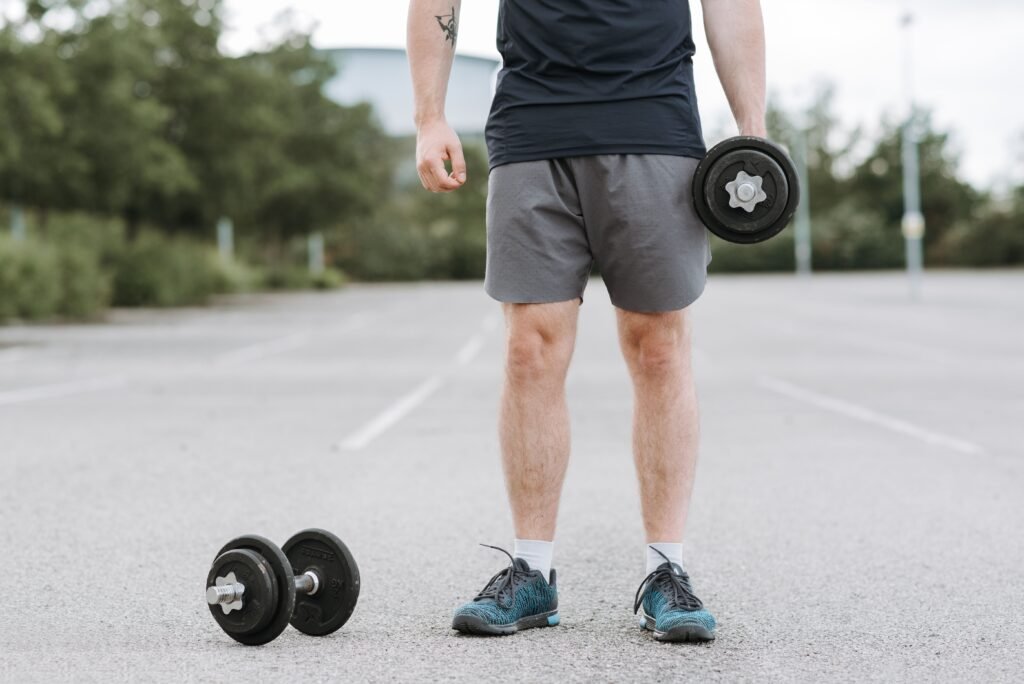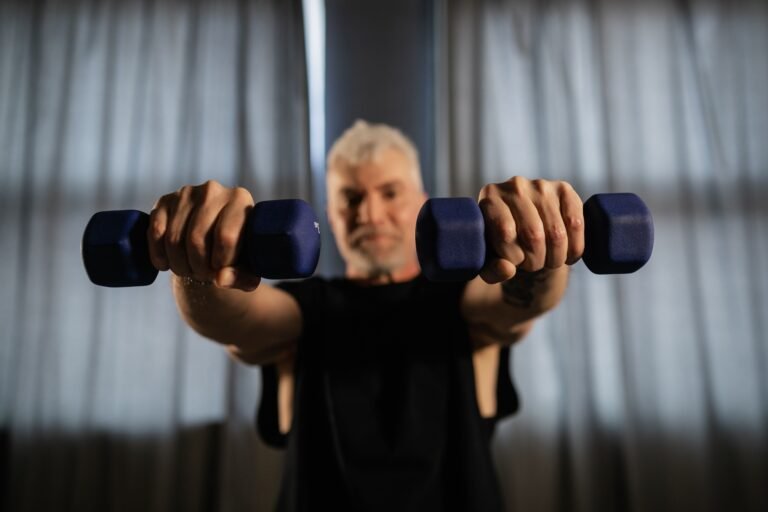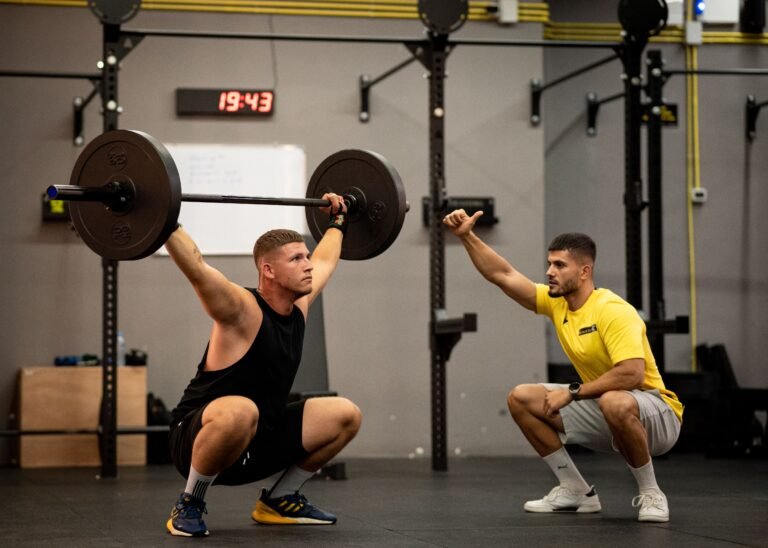


Achieving your fitness goals is possible with the right strategy. If you want to lose fat and gain muscle at the same time, focus on strength training, eating a high-protein diet, and maintaining a slight calorie deficit. Consistency is the key to successful body recomposition. Prioritize compound exercises, get enough sleep, and stay hydrated to support muscle recovery and fat loss. Avoid crash diets, as they can reduce muscle mass and slow your metabolism. By following a balanced workout and nutrition plan, you’ll gradually build lean muscle while reducing body fat, leading to a stronger, healthier physique.
Losing fat while building muscle, often called body recomposition, is one of the most effective ways to improve your fitness. Instead of focusing only on weight loss, this approach helps reduce body fat while increasing lean muscle mass. Although it requires consistency, the right combination of nutrition, strength training, cardio, and recovery can help you achieve both goals at the same time.

1. Prioritize Strength Training
Strength training is the foundation of body recomposition. Lift weights at least 3–5 times per week, focusing on compound exercises like squats, deadlifts, bench presses, pull-ups, and rows. These movements work multiple muscle groups, helping you burn more calories while stimulating muscle growth.
Progressively increase the weight or repetitions over time to continue building strength and muscle.
2. Eat Enough Protein
Protein is essential for repairing and building muscle tissue. Aim to consume 1.6–2.2 grams of protein per kilogram of body weight daily. Excellent protein sources include chicken, fish, eggs, lean beef, Greek yogurt, tofu, lentils, and protein shakes.
Spread your protein intake evenly throughout the day for better muscle recovery.

3. Maintain a Small Calorie Deficit
To lose fat, you need to consume fewer calories than you burn. However, avoid drastic calorie restriction because it can slow muscle growth. A small calorie deficit of 200–400 calories per day is ideal for preserving muscle while reducing body fat.
Choose nutrient-dense foods such as vegetables, fruits, whole grains, healthy fats, and lean proteins instead of processed foods.
4. Include Cardio Without Overdoing It
Cardio supports fat loss and improves heart health. Perform 2–4 sessions of moderate-intensity cardio each week or include short High-Intensity Interval Training (HIIT) workouts.
Too much cardio can interfere with muscle recovery, so balance it with your strength training program.
5. Focus on Recovery and Sleep
Muscles grow during recovery, not while you’re training. Aim for 7–9 hours of quality sleep each night and schedule at least one or two rest days each week.
Proper hydration, stretching, and stress management also improve recovery and overall performance.

How to Lose Body Fat
Fat loss mainly comes down to maintaining a calorie deficit over time. This means your body uses more energy than you consume from food and drinks.
However, creating a large calorie deficit is not necessarily better. A very restrictive diet can make it harder to train effectively and may make it difficult to maintain muscle.
A more sustainable approach includes:
- Eating mostly nutrient-dense foods
- Including vegetables, fruits, whole grains, and other high-fiber foods
- Choosing protein-rich foods
- Limiting highly processed foods and excess calories
- Paying attention to portion sizes
- Staying physically active throughout the day
The goal is to reduce body fat while giving your body enough nutrition to support training and recovery.
How to Build Muscle
Muscle growth requires resistance training. Exercises such as squats, rows, presses, lunges, pull-ups, and other resistance movements challenge your muscles and encourage adaptation.
For beginners, consistency is more important than using very heavy weights immediately. Start with manageable resistance and focus on good technique. As your strength improves, gradually increase the challenge through additional weight, repetitions, sets, or more difficult variations.
Protein also plays an important role in supporting muscle repair and growth. Include protein-rich foods such as eggs, dairy products, fish, lean meat, beans, lentils, tofu, or other suitable options in your meals.
Why Losing Fat and Gaining Muscle Can Be Difficult
The main challenge is that fat loss and muscle growth can pull your nutrition strategy in different directions.
When losing fat, you generally need a calorie deficit. Building muscle, on the other hand, is often easier when the body has sufficient energy and nutrients available for training and recovery.
This does not mean both goals cannot happen together. Your starting point matters.
Someone who is new to strength training may build muscle while losing fat because their body responds strongly to a new training stimulus. Someone returning after a long training break may also regain muscle relatively quickly.
For experienced lifters who are already lean and well-trained, achieving significant muscle growth while losing fat tends to be more difficult.
Combine Strength Training With Regular Activity
Strength training should be the foundation of a body-recomposition approach. Aim to train major muscle groups consistently rather than focusing only on cardio.
Cardio can still be useful for increasing energy expenditure and supporting cardiovascular fitness. Walking, cycling, swimming, jogging, or other enjoyable activities can complement your strength workouts.
You do not need to turn every workout into an exhausting session. Regular movement throughout the day can also make a meaningful contribution to your overall activity level.
Give Your Body Time to Recover
Training is only part of the process. Recovery gives your body time to adapt.
Aim for consistent sleep and include rest or lighter activity when needed. Training hard every day without adequate recovery can make it harder to maintain performance and consistency.
Stress management also matters because a demanding lifestyle can affect sleep, energy, appetite, and your ability to follow a training routine.
Final Thoughts
Losing fat and gaining muscle at the same time is challenging, but it is not impossible. The best approach is to focus on gradual progress rather than looking for a quick transformation.
A moderate calorie deficit, sufficient protein, regular strength training, daily movement, and good recovery can work together to improve body composition.
Track your progress using more than just the number on the scale. Changes in strength, body measurements, how your clothes fit, and progress photos can provide useful information because gaining muscle while losing fat may not always produce a dramatic change in body weight.
Most importantly, stay consistent. Body composition changes take time, and sustainable habits are more valuable than extreme short-term methods.
FAQs
1. Can beginners lose fat and gain muscle at the same time?
Yes. Beginners often experience body recomposition more quickly because their muscles respond rapidly to strength training.
2. How much protein should I eat daily?
Most active individuals should aim for 1.6–2.2 grams of protein per kilogram of body weight.
3. Is cardio necessary for fat loss?
Cardio helps burn extra calories and improves cardiovascular health, but strength training remains the priority for body recomposition.
4. How long does it take to see results?
Most people notice changes in 8–12 weeks with consistent training and proper nutrition.
5. Should I weigh myself every day?
Not necessarily. Progress photos, body measurements, strength improvements, and how your clothes fit are often better indicators than body weight alone.