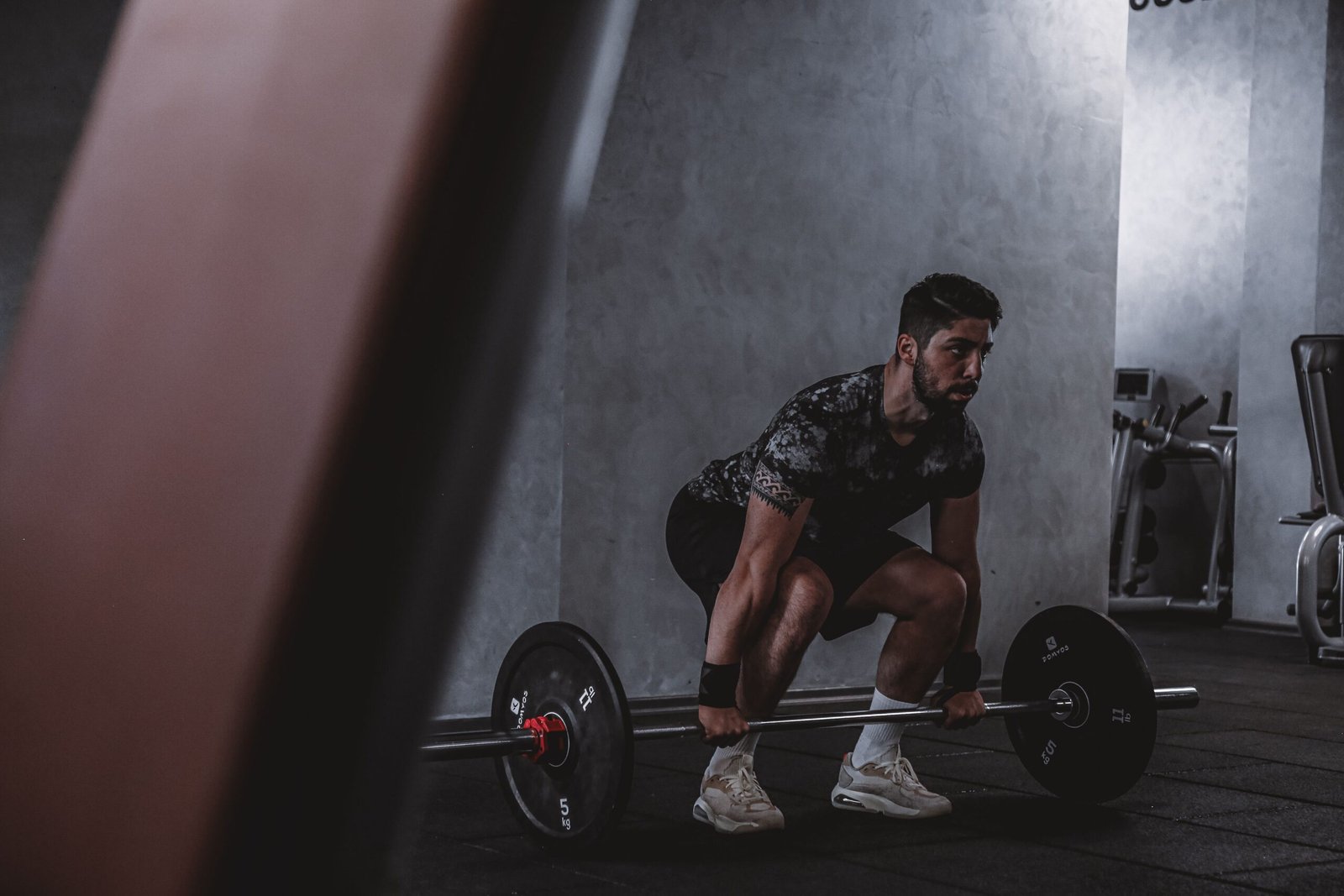
Strength training is a simple and effective way to build stronger muscles, improve physical performance, and support an active lifestyle. It is not only for bodybuilders or experienced gym users. Beginners can start with bodyweight exercises, resistance bands, or light weights and gradually increase the challenge as they become stronger. Regular strength training can also support healthy aging, improve everyday movements, and complement activities such as walking, running, cycling, and sports. The goal is not always to lift very heavy weights. Instead, a good strength routine focuses on controlled movements, consistent training, proper recovery, and gradual progress. Whether you train at home or in a gym, understanding the basic exercises and principles can help you create a routine that fits your fitness level and long-term goals.
1. What Is Strength Training?
Strength training involves making your muscles work against resistance.
Common forms include
- Free weights
- Resistance bands
- Weight machines
- Bodyweight exercises
- Kettlebells
- Cable machines
The resistance creates a training stimulus that encourages the muscles to adapt over time.
2. Benefits of Strength Training
Builds Muscle Strength
Regular resistance exercise can make everyday physical tasks easier. Carrying shopping bags, climbing stairs, lifting objects, and getting up from a chair all require muscular strength.
Supports Healthy Aging
Maintaining strength becomes increasingly important with age. A consistent routine can help people remain physically active and capable of performing everyday movements.
Helps Body Composition
Strength training can be included in a fitness plan focused on maintaining muscle while managing body fat. Nutrition and overall activity also play important roles.
Supports Bone Health
Resistance and weight-bearing exercises place stress on the body and can form part of a broader approach to maintaining strong bones.
Improves Functional Fitness
Exercises such as squats, rows, lunges, presses, and carries train movement patterns that are useful in everyday life.
3. Best Strength Exercises for Beginners
Squats
Squats target the lower body and are one of the easiest exercises to introduce into a beginner routine.
Start with bodyweight squats and focus on controlled movement.
Push-Ups
Push-ups train the chest, shoulders, arms, and core.
Beginners can start with wall or incline push-ups before progressing to standard push-ups.
Rows
Rows strengthen the upper back and arms. Resistance bands, dumbbells, or machines can be used.
Lunges
Lunges work the legs while also challenging balance and coordination.
Glute Bridges
Glute bridges target the muscles around the hips and lower body and require little equipment.
Planks
Planks train the core’s ability to maintain a stable position.
4. How Often Should You Strength Train?
For beginners, two full-body strength sessions per week can be a practical starting point.
A simple weekly schedule could look like:
- Monday: Strength training
- Tuesday: Walking or cardio
- Wednesday: Recovery
- Thursday: Strength training
- Friday: Walking
- Saturday: Optional activity
- Sunday: Rest
As experience increases, training frequency can be adjusted according to goals and recovery.
5. How to Progress
Progressive overload means gradually making an exercise more challenging.
You can progress by:
- Increasing weight
- Adding repetitions
- Adding a set
- Choosing a harder variation
- Improving movement control
- Increasing range of motion when appropriate
There is no need to increase everything at once. Small, consistent improvements are easier to manage.
6. Strength Training at Home
You do not need an expensive gym membership.
A basic home workout can include:
- Bodyweight squats
- Push-ups
- Lunges
- Glute bridges
- Planks
- Resistance-band rows
A pair of adjustable dumbbells and resistance bands can provide even more options.
7. Common Mistakes to Avoid
Lifting Too Heavy
Using more weight than you can control can make technique difficult. Beginners should first learn the movement with manageable resistance.
Training Without a Plan
Doing random exercises every day can make progression difficult. A simple weekly structure is easier to follow.
Ignoring Recovery
Muscles need recovery between challenging sessions. Sleep, nutrition, hydration, and rest should all be part of the training routine.
Focusing on Only One Muscle
A balanced routine should train the major movement patterns rather than concentrating only on the chest, arms, or another favorite area.
8. Strength Training and Cardio
You do not have to choose between strength training and cardio.
Strength training focuses mainly on muscular strength and resistance, while walking, running, cycling, and swimming provide cardiovascular exercise.
Combining both can create a more complete fitness routine.
9. Beginner Strength Training Plan
A simple full-body session could include:
| Exercise | Sets | Repetitions |
|---|---|---|
| Squats | 2–3 | 8–12 |
| Incline Push-Ups | 2–3 | 8–12 |
| Band Rows | 2–3 | 10–15 |
| Glute Bridges | 2–3 | 10–15 |
| Lunges | 2 | 8–10 each side |
| Plank | 2 | 20–40 sec |
The exact numbers can be adjusted according to fitness level.
10. Final Thoughts
Strength training does not need to be complicated. Starting with basic exercises, training consistently, and gradually increasing the challenge can create a strong foundation for long-term fitness. Whether your goal is stronger muscles, better everyday movement, healthy aging, or improved sports performance, resistance exercise can have an important place in your routine.
FAQs
1. What is strength training?
Strength training is exercise in which muscles work against resistance. The resistance can come from weights, bands, machines, bodyweight exercises, or other equipment.
2. Is strength training good for beginners?
Yes. Beginners can start with simple bodyweight exercises and gradually introduce resistance as their technique and strength improve.
3. How many days a week should I strength train?
Two full-body sessions per week can be a practical starting point for beginners. More experienced people may train more frequently depending on their goals and recovery.
4. Can I do strength training at home?
Yes. Squats, push-ups, lunges, glute bridges, planks, and resistance-band exercises can create an effective home routine.
5. Is strength training better than cardio?
Neither is universally better. Strength training and cardio provide different benefits, and combining both can create a more balanced fitness program.