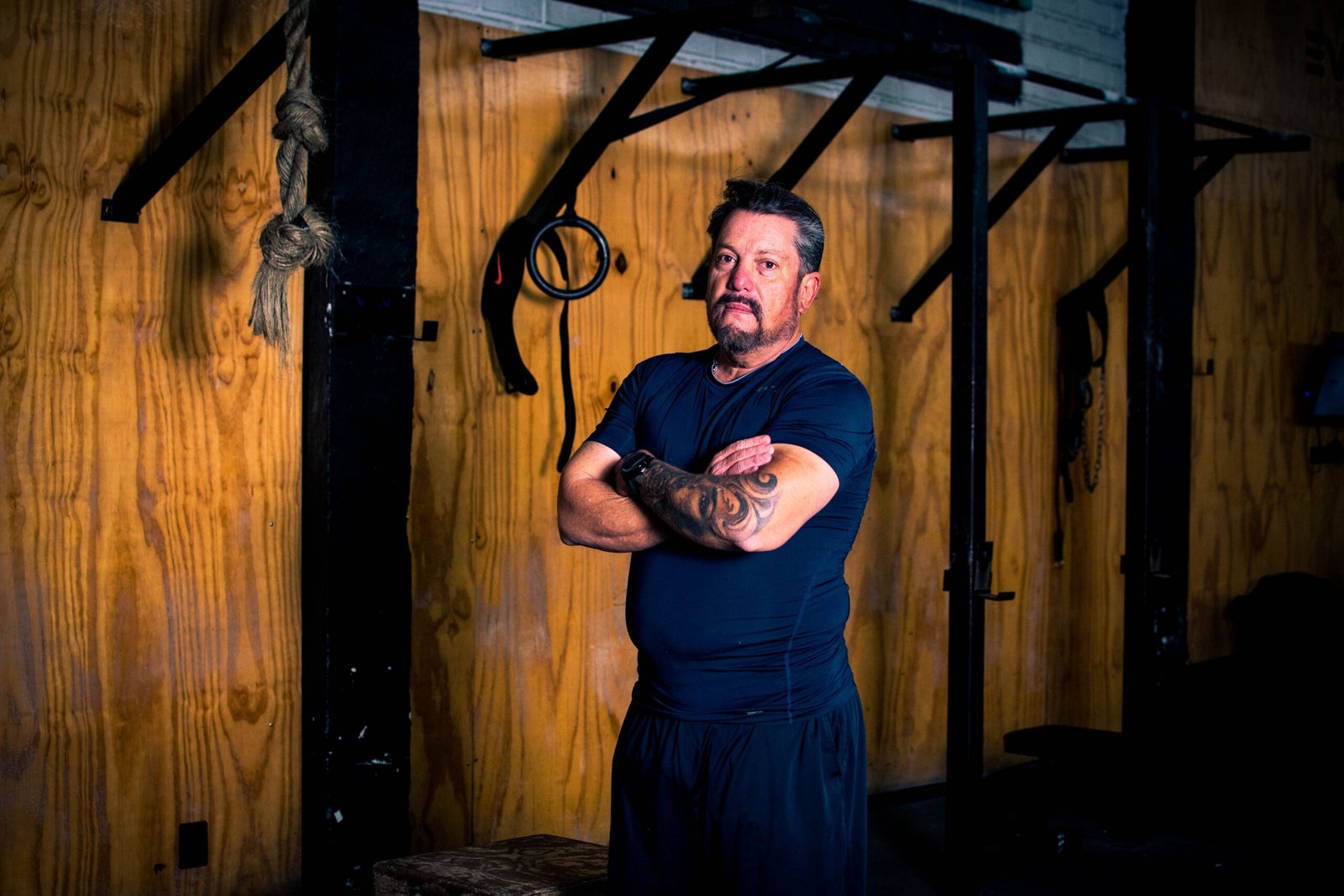
Strength training for longevity after 40 is about more than building bigger muscles or lifting heavier weights. It is about maintaining the strength, balance, mobility, and physical independence needed to enjoy everyday life as the years pass. As adults move through their 40s and beyond, maintaining muscle mass, supporting bone health, and preserving functional movement become increasingly important.
Work responsibilities, family commitments, and changes in recovery can make regular exercise challenging. However, this stage of life is also an opportunity to build sustainable fitness habits. A well-designed resistance training routine can help adults maintain physical capacity, improve everyday movement, and support healthy aging.
Whether you train in a commercial gym, exercise at home, or use basic equipment, strength training can fit into a busy schedule. The key is to train consistently, recover adequately, and increase the challenge gradually rather than chasing quick results.
This guide explains how to approach strength training after 40, which exercises to prioritize, how often to train, and how to build a routine that supports long-term health and independence.
1. Why Strength Training Matters for Longevity After 40
Muscle strength plays an important role in everyday activities, from carrying groceries and climbing stairs to getting up from a chair. Maintaining strength can make these tasks easier and help people remain physically active as they age.
From around midlife, adults may gradually lose muscle mass and strength if they do not maintain regular physical activity. The rate of change varies according to genetics, activity levels, nutrition, sleep, and overall health. Resistance training provides muscles with a stimulus to adapt and become stronger.
Maintain Muscle Mass and Functional Strength
Muscle tissue supports movement, posture, and physical performance. As people get older, maintaining muscle becomes particularly important for preserving independence.
Regular resistance training challenges muscles through controlled movements against external resistance. This resistance can come from dumbbells, barbells, resistance bands, weight machines, or bodyweight exercises.
For example, squats strengthen the muscles used when standing up from a chair. Rows support pulling strength, while loaded carries train the ability to hold and transport objects.
These movements have practical value because they closely relate to everyday physical tasks.
Support Bone Health and Balance
Strength training also places mechanical stress on bones, encouraging the body to maintain bone strength. Weight-bearing resistance exercises can contribute to bone health, although results depend on exercise selection, loading, and individual health conditions.
Strong muscles also help stabilize joints and support balance during movement. Combining resistance exercises with balance and mobility work can help adults maintain confidence during daily activities.
However, strength training alone does not eliminate the risk of falls or guarantee protection against osteoporosis. Adults with diagnosed bone conditions should seek individualized exercise guidance.
2. Best Strength Training Exercises After 40
An effective longevity routine should train the major muscle groups rather than focusing only on the arms, chest, or abdominal muscles. Prioritize movements that develop strength, coordination, and control.
Squats and Lower-Body Exercises
Squats strengthen the quadriceps, glutes, and other muscles involved in standing, walking, and climbing stairs.
Beginners can start with chair squats or bodyweight squats. As technique improves, gradually introduce goblet squats or dumbbell variations.
Aim for controlled repetitions rather than rushing through each movement. Keep the feet stable, maintain comfortable joint alignment, and use a range of motion that suits your mobility.
Other useful lower-body exercises include step-ups, supported lunges, and leg presses.
Push and Pull Movements
Upper-body strength supports lifting, carrying, pushing, and pulling objects.
Push-ups, incline push-ups, dumbbell chest presses, and machine chest presses develop pushing strength. Rows, resistance band pulls, and lat pulldowns strengthen the back and pulling muscles.
Training both movement patterns helps create a more balanced routine. It also prevents workouts from becoming overly focused on the muscles that are easiest to see in the mirror.
Start with a manageable resistance that allows you to maintain proper technique throughout each set.
Hip-Hinge and Core Exercises
Hip-hinge movements train the glutes, hamstrings, and muscles around the hips. Examples include glute bridges, light Romanian deadlifts, and kettlebell deadlifts.
These exercises help develop the strength required for bending and lifting objects safely.
Core exercises such as bird dogs, dead bugs, and modified planks develop trunk control. Rather than performing endless abdominal repetitions, focus on maintaining a stable torso while breathing normally.
Choose exercises that feel controlled and comfortable. Increase resistance only when you can complete the movement without losing good form.
3. How Often Should You Strength Train After 40?
For many healthy adults, two or three strength training sessions per week provide a practical starting point. This allows sufficient opportunities to train the major muscle groups while leaving time for recovery.
The World Health Organization recommends muscle-strengthening activities involving all major muscle groups on at least two days per week for adults.
A beginner can start with two full-body workouts on nonconsecutive days. For example, train on Monday and Thursday, with walking or gentle mobility work on the days between sessions.
A typical session might include:
- One squat or other lower-body exercise.
- One hip-hinge movement.
- One pushing exercise.
- One pulling exercise.
- One core or balance exercise.
Start with one or two sets per exercise, using a resistance that allows approximately 8–12 controlled repetitions. As your fitness improves, gradually progress toward two or three sets, depending on your goals and recovery.
You do not need to train to complete muscular failure in every set. Finishing with a few repetitions still possible while maintaining good form can provide an effective training stimulus.
Consistency matters more than following an advanced program that is difficult to maintain.
4. Progressive Overload Without Overtraining
Progressive overload means gradually increasing the demands placed on your muscles as your body adapts. It is an important principle for building and maintaining strength over time.
However, progress does not always require lifting heavier weights every week.
You can increase training difficulty by adding repetitions, using slightly more resistance, performing an additional set, or improving movement control.
For example, if you can comfortably perform 10 repetitions of a dumbbell exercise with good technique, you might gradually work toward 12 repetitions. Once that becomes manageable, consider a small increase in weight and return to a lower repetition count.
Make one adjustment at a time rather than increasing weight, sets, and workout frequency simultaneously.
Recognize the Difference Between Effort and Excessive Fatigue
Muscle effort during exercise is normal. Persistent joint pain, worsening technique, unusual exhaustion, or declining performance across multiple sessions may indicate that your program needs adjustment.
Allow enough recovery between demanding sessions. Beginners and adults returning after a long break may need additional rest while their bodies adapt.
Warm up for five to ten minutes with light aerobic movement and a few easier repetitions of the planned exercises. This prepares you for the session without creating unnecessary fatigue.
If you experience chest pain, dizziness, or unusual shortness of breath during exercise, stop and seek appropriate medical attention.
5. Nutrition, Protein, and Recovery for Healthy Aging
Strength training creates a stimulus for muscle adaptation, but nutrition and recovery help support that process. A balanced diet containing adequate protein, carbohydrates, healthy fats, vitamins, and minerals can help adults maintain energy and support training.
Prioritize Protein and Balanced Meals
Protein supplies amino acids that the body uses to repair and maintain muscle tissue. Include protein-rich foods such as eggs, fish, chicken, yogurt, milk, beans, lentils, and other suitable options.
For healthy adults who regularly exercise, sports nutrition guidance commonly discusses daily protein intakes around 1.2–1.6 grams per kilogram of body weight, although individual requirements vary.
People with kidney disease or other medical conditions should consult a qualified healthcare professional before substantially increasing protein intake.
Carbohydrates also matter because they provide energy for training and everyday activity. Whole grains, fruit, vegetables, and legumes can contribute useful carbohydrates, fiber, and micronutrients.
There is no need to follow an extreme diet or eliminate entire food groups to support longevity.
Make Sleep and Recovery Part of the Program
Sleep supports recovery, physical performance, and general health. Most adults should aim for at least seven hours of sleep per night, with individual needs varying.
Maintain a consistent bedtime, limit late caffeine if it affects your sleep, and create a comfortable sleeping environment.
Walking, light mobility exercises, and easy cycling can complement strength training on recovery days. These activities help maintain an active lifestyle without adding excessive training stress.
Recovery is not wasted time. It is an essential part of a sustainable strength program.
6. Build a Sustainable Weekly Strength Training Routine
The most useful routine is one you can follow consistently around your work, family, and personal commitments.
Here is a simple weekly structure for adults beginning or returning to strength training after 40.
| Day | Activity |
|---|---|
| Monday | Full-body strength training |
| Tuesday | 20–30 minutes of comfortable walking |
| Wednesday | Mobility, balance, or light activity |
| Thursday | Full-body strength training |
| Friday | Walking or moderate aerobic exercise |
| Saturday | Optional strength session or recreational activity |
| Sunday | Rest or gentle movement |
Adjust the schedule according to your fitness, recovery, and available time. The optional Saturday session is not necessary for beginners.
Combine resistance training with regular aerobic activity. WHO guidelines recommend 150–300 minutes of moderate-intensity aerobic activity per week for adults, alongside muscle-strengthening activities on at least two days.
Start below these targets if you are inactive and increase your activity gradually.
Track simple measures such as the weights you lift, repetitions completed, workout consistency, and how comfortably you perform everyday tasks. These indicators can help you recognize progress beyond changes in body weight or appearance.
The long-term objective is not to achieve peak fitness in a few weeks. It is to preserve strength, mobility, and the ability to participate in activities you enjoy for many years.
Frequently Asked Questions
1. Is strength training safe for adults over 40?
Strength training is generally safe for healthy adults when exercises are performed with appropriate resistance, proper technique, and gradual progression. Beginners should start with manageable weights and seek professional guidance if they have existing injuries or medical conditions.
2. How many days a week should I lift weights after 40?
Two or three days per week is a practical starting point. Train the major muscle groups and allow recovery between demanding sessions. More frequent training may be appropriate as your fitness and recovery improve.
3. Can strength training after 40 help maintain muscle mass?
Yes. Resistance training provides a stimulus that helps maintain and build muscle strength and mass. Consistent training, adequate protein, and sufficient recovery can support these adaptations.
4. Can I build strength after 50 or 60?
Yes. Adults can improve strength at different ages, including their 50s, 60s, and beyond. Exercise selection and progression should reflect current fitness, mobility, medical conditions, and training experience.
5. Is walking enough for longevity after 40?
Walking supports cardiovascular health, general activity, and endurance. However, walking alone may not provide sufficient resistance to maintain strength in all major muscle groups. Combining walking with regular resistance training and balance exercises provides a more comprehensive approach to healthy aging.
Final takeaway: Strength training for longevity after 40 is a long-term investment in physical independence, everyday strength, and healthy aging. Start with manageable exercises, train consistently, eat balanced meals, and allow adequate recovery. Small improvements maintained over months and years can help you remain active and capable as you get older.