Fitness has always been personal, but it’s rarely been solitary for long. Across cities and small towns alike, running crews, cycling collectives, and social workout clubs are reshaping how people approach exercise—turning it from a chore into a shared experience. Community fitness isn’t just a trend; it’s a return to something simple: people move better, stay more consistent, and enjoy the process more when they do it together.
Whether you’re chasing a personal record, training for your first 5K, or just looking for a reason to get outside on a Saturday morning, joining a fitness community can be the missing piece that makes exercise stick.
The Rise of Running Clubs
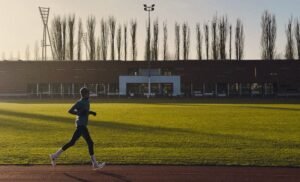
Running clubs have exploded in popularity over the last decade, and it’s easy to see why. They strip away the intimidation factor of starting a running habit alone and replace it with structure, accountability, and camaraderie.
What Makes Running Clubs Effective
- Built-in accountability—Knowing others are showing up makes it far harder to skip a session.
- Pacing groups—Most clubs organize runners by pace, so beginners aren’t left struggling to keep up with veterans.
- Route knowledge — Local clubs know the safest, scenic, and most efficient routes in the area.
- Social reward—Post-run coffee, brunch, or stretching sessions turn a workout into a social event.
Many running clubs are free to join and meet at consistent times each week, often at parks, local breweries, or running specialty stores. Some also organize group entries into races, turning a solo 10K into a shared team milestone.
Cycling Clubs: Community on Two Wheels
Cycling has a unique advantage when it comes to community: distance. A cycling group can cover 20, 40, even 100 miles in a single outing, which means members spend hours together—talking, drafting, and pushing each other through climbs and headwinds.
Types of Cycling Clubs
- Road cycling clubs—Focused on distance, endurance, and group riding etiquette.
- Mountain biking groups—Trail-based, often smaller, and more skill-focused.
- Commuter cycling collectives—city-based groups promoting bike commuting and urban riding safety.
- Gravel and adventure riding clubs—A rapidly growing niche blending endurance with exploration.
Cycling clubs also tend to build strong safety cultures—teaching new riders hand signals, group formation, and road awareness that are difficult to learn solo. For many members, the biggest benefit isn’t the mileage; it’s the mentorship from more experienced riders.
Social Workout Clubs: Fitness Beyond Running and Cycling
Not everyone wants to run or ride—and that’s where social workout clubs come in. These groups blend strength training, bootcamp-style circuits, yoga, and functional fitness with a strong social element.
Common Formats
- Outdoor bootcamps — High-energy group sessions in parks, often free or low-cost.
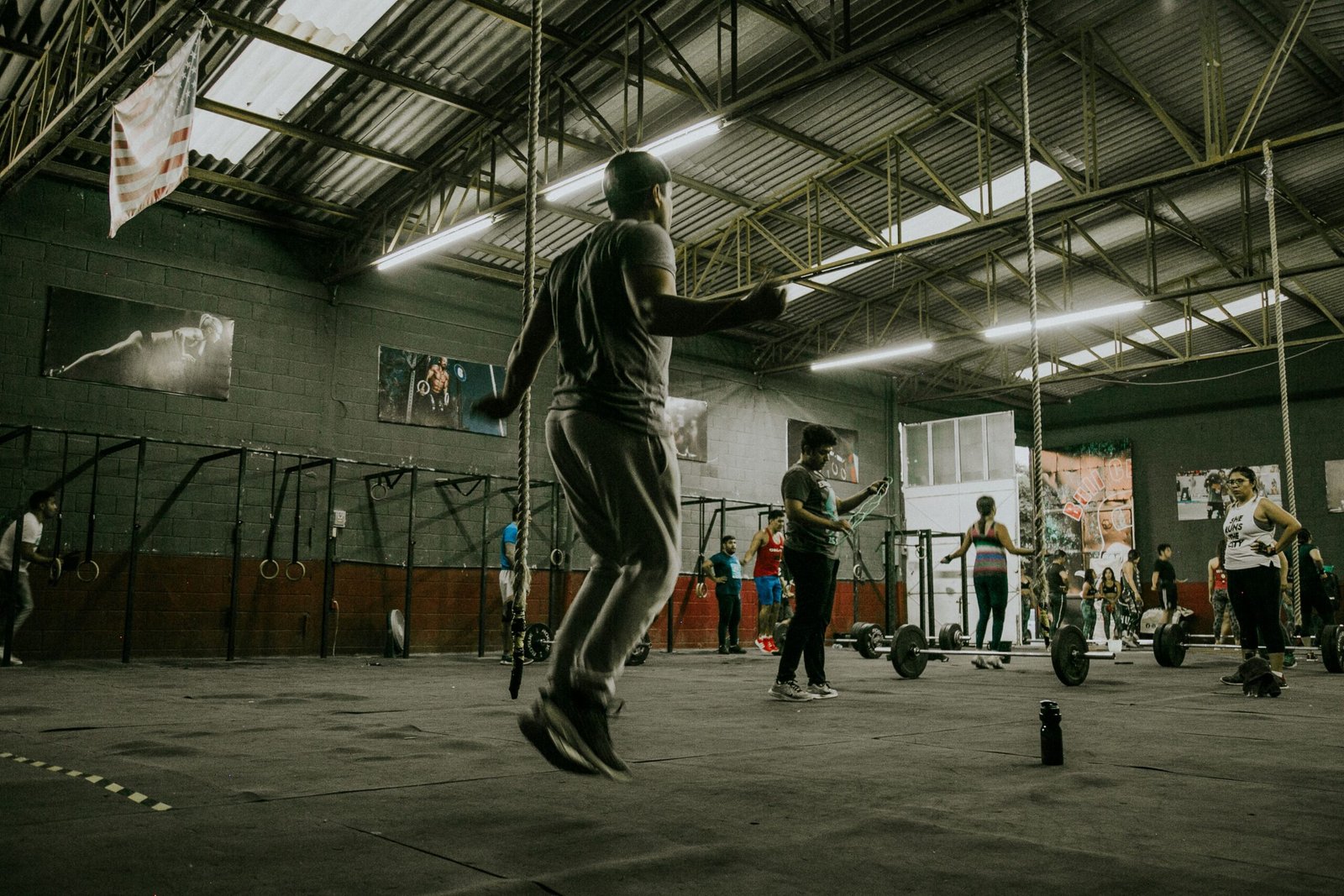
- Gym-based social classes—CrossFit-style boxes and functional fitness studios built around team workouts.
- Walking and hiking groups—Lower-impact but highly social, popular with people re-entering fitness after a break.
- Themed fitness meetups—everything from beach volleyball clubs to obstacle-course training teams.
These clubs often thrive on inclusivity. Because the workouts are scalable, people of different fitness levels can train side by side, which lowers the barrier to entry significantly compared to solo gym intimidation.
The Real Benefits of Community Fitness
The appeal of group fitness goes deeper than motivation. Research and real-world experience both point to measurable advantages.
1. Consistency and Habit Formation
People are significantly more likely to stick with a fitness routine when it involves social commitment. A scheduled group run at 6 a.m. is much harder to skip than a solo one.
2. Mental Health and Belonging
Group fitness reduces feelings of isolation. Shared effort — especially outdoors — has been linked to lower stress and improved mood, and the friendships formed often extend well beyond the workout itself.
3. Skill Development
Beginners learn faster in groups. Whether it’s proper running form, cycling etiquette, or lifting technique, peer feedback and coaching accelerate progress.
4. Safety in Numbers
Group runs and rides are simply safer, especially early morning or evening sessions, in isolated areas, or on busy roads.
5. Local Connection
Community fitness groups often become gateways to broader local involvement—charity races, environmental clean-up rides, or neighborhood events.
How to Find the Right Fitness Community
With so many options, choosing the right club comes down to a few key factors:
- Location and schedule—Pick a group whose meeting times and routes fit your lifestyle.
- Skill level match—Look for clubs with pace groups or skill tiers so you’re neither overwhelmed nor under-challenged.
- Vibe and culture—Some clubs are competitive and performance-driven; others are casual and social-first. Both are valid—the key is finding the fit.
- Cost and commitment—Many community clubs are free or donation-based, while others (especially cycling and CrossFit-style groups) may have membership fees.
A good first step is simply showing up once. Most running, cycling, and social workout clubs welcome newcomers without any long-term commitment required.
Starting Your Own Community Fitness Group
If no existing club fits your needs, starting one can be surprisingly simple:
- Pick a consistent time and place—Reliability matters more than size at first.
- Start small—Even three or four regular members create real momentum.
- Use social media and local apps—community boards, running apps, and neighborhood groups are effective, low-cost ways to find members.
- Partner with a local business—cafes, gyms, and bike shops often support new fitness groups with space or sponsorship in exchange for foot traffic.
- Keep it welcoming—The clubs that grow fastest are the ones where beginners feel comfortable from day one.
The Future of Community Fitness
As more people prioritize both physical and mental well-being, community fitness is likely to keep growing. Hybrid models are emerging too—clubs that combine running one day, cycling another, and social strength training on weekends, appealing to people who want variety alongside camaraderie. Apps and local meetup platforms have also made it easier than ever to discover a group nearby, lowering the barrier to entry further.
Ultimately, the strength of community fitness lies in its simplicity: people showing up for each other, one workout at a time.
Frequently Asked Questions
1. Do I need to be fit to join a running or cycling club?
No. Most community fitness clubs organize members by pace or skill level, so beginners and experienced athletes can train together without one group holding back the other.
2. Are community fitness clubs free to join?
Many are free, especially running clubs and outdoor bootcamps. Cycling clubs and structured fitness studios may charge a small membership fee to cover organization or facility costs, but plenty of options exist at every budget.
3. What should I bring to my first group workout?
For running or cycling, bring appropriate footwear or a well-maintained bike, water, and weather-appropriate clothing. For social workout sessions, comfortable athletic wear and a willingness to introduce yourself are usually all that’s needed.
4. How do I find community fitness groups near me?
Local running stores, bike shops, gyms, and community centers are great starting points. Social media groups, neighborhood apps, and fitness meetup platforms also make it easy to discover active clubs in your area.
5. Can community fitness clubs help with weight loss or performance goals?
Yes. Beyond the social benefits, the accountability and structure of group training often leads to more consistent workouts, better technique, and steadier long-term progress toward specific fitness or performance goals.