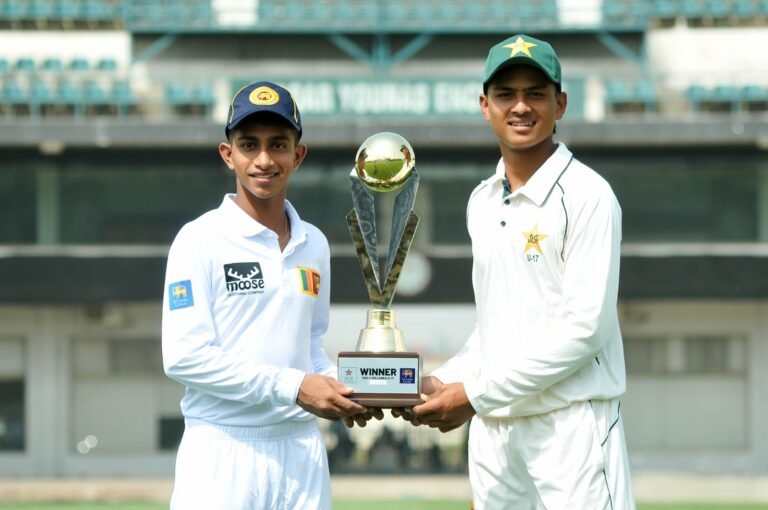
Pakistan’s young footballers are about to take center stage. The Pakistan Football Federation (PFF) has announced that the PFF U-17 Championship 2026 will be held in Islamabad from 23 September to 4 October 2026. The tournament will bring together provincial and regional teams from across the country. As a result, talented teenagers will get the chance to compete at the national level and gain valuable match experience. This article covers the key details, the significance of the event, and what it could mean for the future of Pakistani football.
PFF U-17 Championship 2026: Key Details at a Glance
Here is a quick summary of what has been confirmed so far:
- Tournament: PFF U-17 Championship 2026
- Host city: Islamabad
- Dates: 23 September to 4 October 2026
- Participants: Provincial and regional teams from across Pakistan
- Squad size: 23 players per team
- Officials: Five officials per team
- Costs: All participation and organization expenses covered by the PFF
The tournament runs for roughly twelve days, which gives teams enough time to play multiple matches and build momentum. However, the PFF has not yet shared every detail in the announcement, so fans should watch official channels for fixtures, venues, and kick-off times.
A National Stage for Young Talent
The main purpose of the championship is simple: to give young players a platform. Teenagers in Pakistan often struggle to find regular high-level competition. Consequently, many promising players never get noticed outside their local areas. A national tournament changes that situation by placing them in front of coaches, selectors, and scouts.
Playing against opponents from other provinces and regions also exposes players to different styles. For example, a player from one region may face a faster, more physical team from another. Through these matches, players learn to adapt, make quick decisions, and handle pressure. In addition, the experience of travelling, living in a team environment, and following a tournament schedule builds discipline and maturity.
Why the U-17 Age Group Matters
The under-17 level is a critical stage in a footballer’s journey. At this age, players are moving from basic skills to more advanced tactical understanding. They also begin to show the physical and mental qualities needed for senior football. Therefore, quality competition at this stage can shape a player’s entire career.
If young players are not given enough matches, their progress can stall. On the other hand, regular competition, good coaching, and a clear pathway can help them reach their potential. That is why age-group tournaments are considered a cornerstone of youth development in football-playing nations.
Part of a Wider Push to Revive Domestic Football
According to the PFF, the championship forms part of its ongoing efforts to revive and strengthen domestic football. The federation also aims to expand opportunities for young players and build a stronger pathway for youth development across the country.
This matters because a healthy domestic system is the foundation of any national team. Strong leagues and age-group competitions produce better players, and better players produce better results at the international level. Furthermore, when young athletes see a visible route from local clubs to provincial teams and then to national squads, more of them stay in the sport.
Of course, one tournament cannot solve every challenge. Nevertheless, regular, well-organized events are an important step. If the PFF continues to schedule competitions at different age levels, the overall structure of Pakistani football can gradually improve.
Squad Rules: 23 Players and Five Officials
Each participating team will comprise 23 players and five officials. A squad of 23 gives coaches flexibility to rotate players during a busy schedule. This is especially useful in a tournament with matches spread over several days, since young players need rest and recovery.
The five officials will typically support the team in areas such as coaching, management, and medical care, although the PFF announcement did not list their specific roles. Having a proper support staff helps ensure that players are guided both on and off the pitch.
PFF to Cover All Costs
One of the most encouraging parts of the announcement is the financial commitment. The PFF will bear all expenses related to the participation of the teams, as well as the other costs associated with organizing the championship.
This is significant for several reasons. First, travel and accommodation can be a heavy burden for regional teams and families. By covering these costs, the PFF removes a major barrier and allows teams from different parts of the country to participate on equal terms. Second, it ensures that selection is based on talent rather than financial ability. Finally, it shows the federation’s commitment to making the tournament a genuine national platform.
What Fans and Players Can Expect
While specific fixtures have not been detailed in the announcement, several things are reasonable to expect from a national youth championship:
- Competitive matches: Teams from different regions will bring their best young players.
- Emerging stars: Some players may impress scouts and coaches and attract wider attention.
- Valuable experience: Even players who do not win the title will benefit from national-level exposure.
- Community interest: Football fans in Islamabad and beyond may follow the event and support young talent.
Since many details are still to be confirmed, anyone planning to attend or follow the tournament should check the PFF’s official announcements for schedules, venues, and any spectator information.
The Bigger Picture: Building a Football Pathway
A strong pathway typically has several layers. At the base are grassroots programs and local clubs. Above them sit district and provincial competitions. At the top are national age-group teams and the senior squad. The PFF U-17 Championship fits into the middle of this structure, connecting regional talent with the national system.
For the pathway to work well, these levels must connect. Players who perform well in provincial and regional tournaments should have a clear route to the next stage. Similarly, coaches at every level need training and resources. If the federation continues to invest in all these areas, Pakistan can gradually develop a deeper pool of talent.
Additionally, consistent scheduling matters. When tournaments happen at predictable times each year, teams can plan preparation, and players can set clear goals. Over time, this reliability helps build a football culture in which youth competitions are taken seriously.
Conclusion
The PFF U-17 Championship 2026 offers young footballers a valuable chance to prove themselves. Running from 23 September to 4 October in Islamabad, it will bring together teams from across Pakistan, with 23 players and five officials per squad. With the PFF covering all participation and organization costs, the event lowers barriers and widens opportunity. More importantly, it supports the federation’s broader goal of reviving domestic football and building a stronger youth development pathway. For players, coaches, and fans alike, it is a tournament worth following closely.
Frequently Asked Questions (FAQs)
1. When and where is the PFF U-17 Championship 2026 being held?
The championship will take place in Islamabad from 23 September to 4 October 2026.
2. Which teams will take part?
Provincial and regional teams from across Pakistan will participate. The announcement does not yet list the individual teams, so check the PFF’s official channels for the confirmed line-up.
3. How many players and officials can each team have?
Each team will comprise 23 players and five officials.
4. Who pays for the teams’ participation?
The Pakistan Football Federation (PFF) will bear all expenses related to the teams’ participation, as well as the other costs of organizing the championship.
5. Why is the tournament important for Pakistani football?
It gives young players a national platform to compete and gain experience. In addition, it supports the PFF’s efforts to revive domestic football, expand opportunities for young players, and build a stronger youth development pathway across the country.